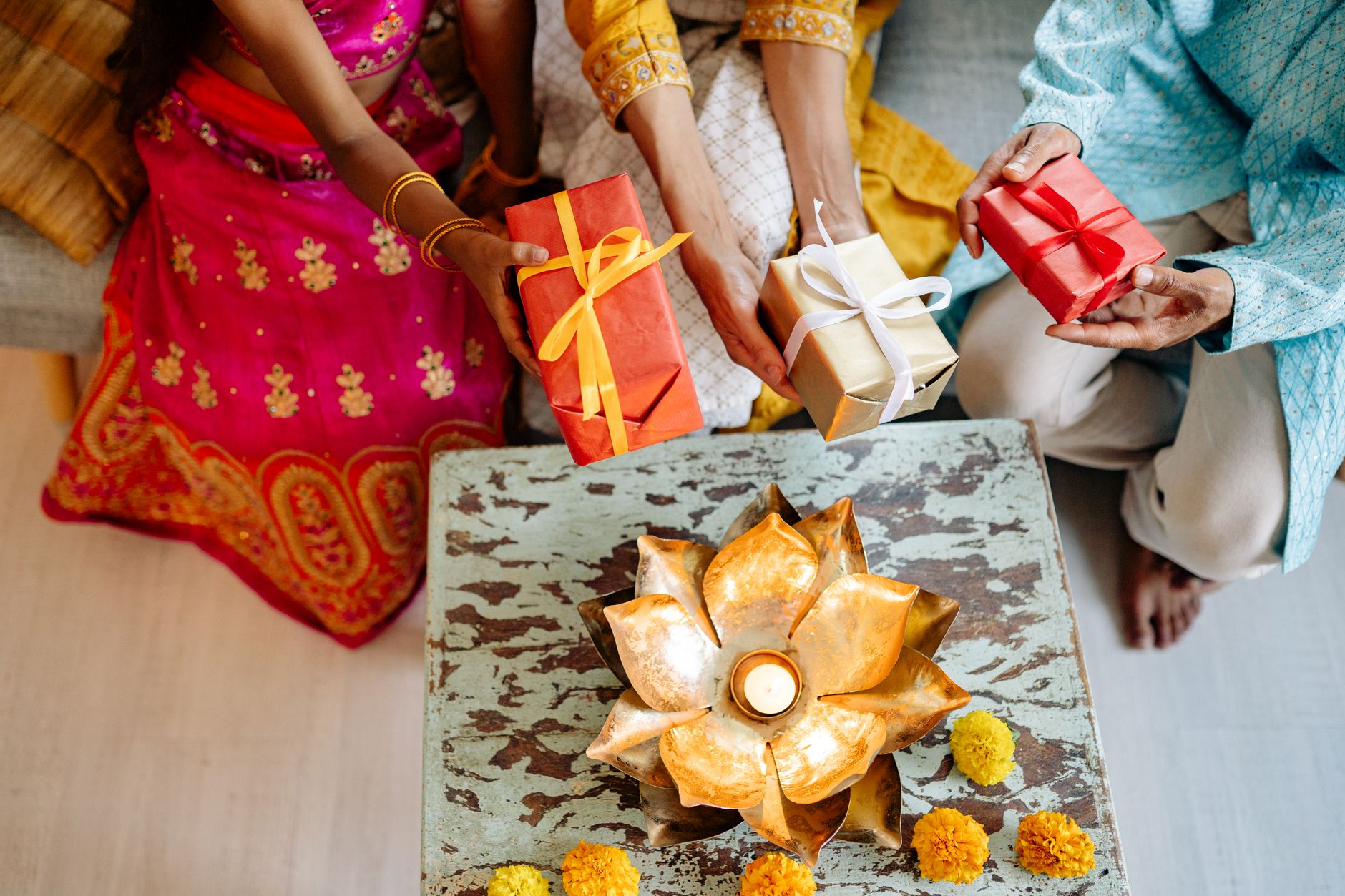
Festivals are the heartbeat of life in Gujarat. From the nine vibrant nights of Navratri to the glittering rows of diyas on Diwali, from Holi's colours to Uttarayan's kite-filled skies — celebrations are woven into who we are. Here in Rajkot, the festive spirit is especially alive, with streets buzzing, families gathering, and kitchens full of wonderful aromas.
But every year, during the festive season, cardiologists also notice a quiet pattern: more patients walking in with high blood pressure, chest discomfort, irregular heartbeats, or elevated blood sugar. This is not a reason to stop celebrating. It is simply a reason to celebrate a little more wisely.
This article is for everyone who loves a good festival — and wants to keep their heart happy while enjoying every moment of it.
Why Festivals Can Be Hard on Your Heart
It may sound surprising, but the festive season brings a unique mix of challenges for heart health. Understanding them is the first step to managing them.
1. The Food Factor
Festival food is delicious — and often rich. Ghee-laden sweets, fried snacks, heavily salted farsan, sugary drinks, and large portions consumed over many days can raise blood pressure, spike blood sugar, and increase LDL ("bad") cholesterol. For someone already managing a heart condition or diabetes, these effects can build up faster than expected.
A 55-year-old with mild hypertension, for example, might find that two weeks of festive eating pushes their blood pressure into a range that needs medical attention — not because of one single meal, but because of a cumulative effect.
2. Disrupted Routines
Festivals naturally disrupt our daily schedules. Sleep gets shorter, medicines may be skipped or taken at irregular times, regular walks or exercise stop, and mealtimes shift dramatically. Each of these changes, on its own, may seem harmless. Together, they can stress the heart more than we realise.
3. Emotional and Physical Stress
Hosting guests, travelling, managing finances around gifting and celebrations, and the general busyness of the festive season all create stress — even joyful stress. Stress hormones like cortisol and adrenaline can raise heart rate and blood pressure temporarily. In people with underlying heart disease, this matters.
4. Pollution and Fireworks
In Rajkot and across Gujarat, Diwali fireworks create a significant, short-term rise in air pollution. Fine particles from smoke can enter the lungs and trigger inflammation that affects the heart. People with heart failure, angina, or coronary artery disease are especially sensitive to this.
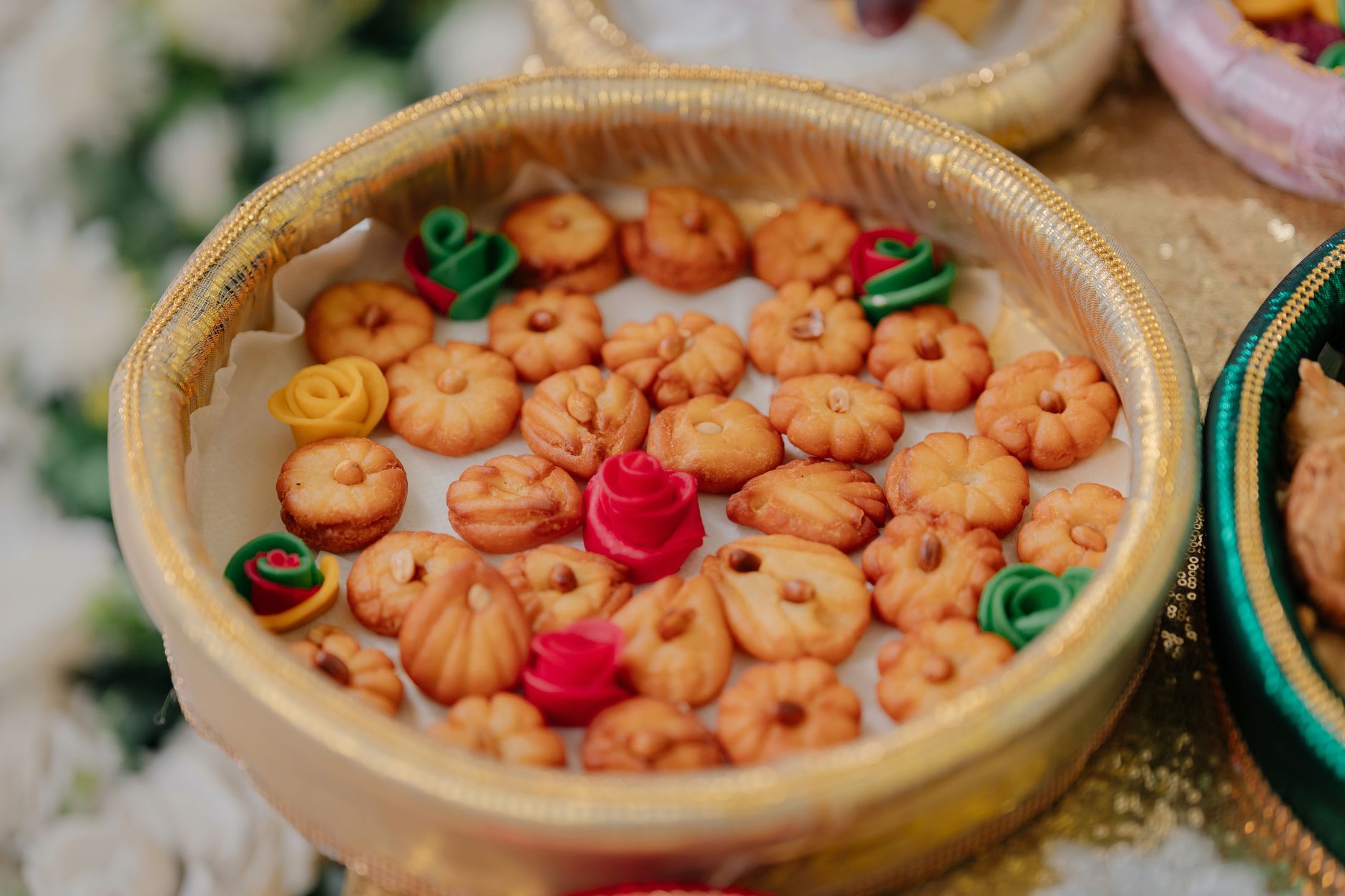
Smart Eating: Enjoying Festive Food Without Overdoing It
You do not have to give up mithai or skip the farsan entirely. The goal is mindful enjoyment — not deprivation.
Choose Wisely at the Table
- Prefer baked or air-fried snacks over deep-fried ones when the option exists.
- Go for smaller portions of sweets. One or two pieces, savoured slowly, is genuinely satisfying.
- Choose dry-fruit-based sweets (like anjeer rolls or dates-and-nut laddoos) over pure sugar-and-ghee preparations when you can.
- Stay hydrated with water, coconut water, or light chaas rather than sugary sodas and packaged juices.
- Eat a light, fibre-rich meal before attending a gathering — you will naturally eat less of the heavier items.
- Watch portion sizes of namkeen and farsan — they are easy to eat in large amounts without noticing, and they carry a lot of hidden salt.
For Those with Specific Conditions
- Diabetes: Be extra watchful with sweets made from refined sugar, maida, or white rice. Even "sugarless" sweets from shops may contain high-calorie syrups — read labels or ask.
- Hypertension: Salt is everywhere in festive food. Papdi, gathiya, chakli, and pickles are common culprits. Try to limit these.
- Heart failure: Fluid intake matters. Speak with your cardiologist before festivals about whether your current fluid limits need to be adjusted during the season.
Keeping Active During the Festive Season
Navratri is a wonderful exception to the "festivals mean no exercise" rule — nine nights of garba and dandiya are a genuine cardiovascular workout! But most other festivals tend to be more sedentary.
Simple Ways to Stay Moving
- Take a 20–30 minute walk in the morning before the day's celebrations begin.
- When visiting family, suggest a short stroll after the big meal instead of sitting immediately.
- If you are doing Navratri garba, warm up gently beforehand and cool down afterwards, especially if you are over 40 or have a known heart condition.
- Avoid intense, sudden bursts of physical activity if you are not regularly active — for instance, do not go from zero exercise to two hours of vigorous garba without building up gradually.
A note on garba for heart patients: many people with stable heart conditions can enjoy garba safely, but it is worth having a conversation with your cardiologist beforehand, especially if you experience breathlessness or chest discomfort during exertion.
Do Not Skip Your Medicines
This point cannot be emphasised enough. During festivals, it is very easy to miss a dose — you are busy, the routine is different, you forgot where you kept the tablet box. But for people on blood pressure medicines, blood thinners, or heart failure medications, even a day or two of missed doses can have real consequences.
Practical Tips
- Set a phone alarm for your medicine time and label it clearly — even something playful like "Diwali tablet!"
- Keep a week's supply of medicines packed separately when travelling to another city for celebrations.
- Carry your prescription and a doctor's contact number when you travel.
- If you are on warfarin or other anticoagulants, alcohol (even in small amounts, as found in some fermented festival drinks) can interact with your medication — check with your doctor.
Managing Smoke, Noise, and Pollution
Fireworks and Air Quality
- If you or a family member has heart disease, try to stay indoors during peak fireworks hours on Diwali.
- Keep windows closed and use a room air purifier if available.
- N95 masks can help if you need to be outdoors.
- If you notice increased breathlessness, chest tightness, or unusual fatigue during or after high-pollution periods, do not ignore it.
Noise and Sleep
Loud, late-night celebrations can disrupt sleep significantly. Poor sleep raises blood pressure and stress hormones. Even during festivals, try to protect at least six to seven hours of sleep — it is one of the kindest things you can do for your heart.
Key Takeaways
- Festival food is fine in moderation — small portions, mindful choices, and good hydration go a long way.
- Salt and sugar are hidden in many festive foods — stay aware, especially if you have hypertension or diabetes.
- Keep moving — a daily walk or gentle activity keeps your heart steady even during busy celebrations.
- Never skip your heart medicines, even on busy festival days. Set reminders and carry extras when travelling.
- Fireworks smoke is a real trigger for heart and lung problems — limit exposure if you have a known condition.
- Stress, disrupted sleep, and irregular routines all add up — protect your daily rhythm as much as possible.
- Listen to your body — chest discomfort, unusual breathlessness, or sudden dizziness during a festival are not things to push through.
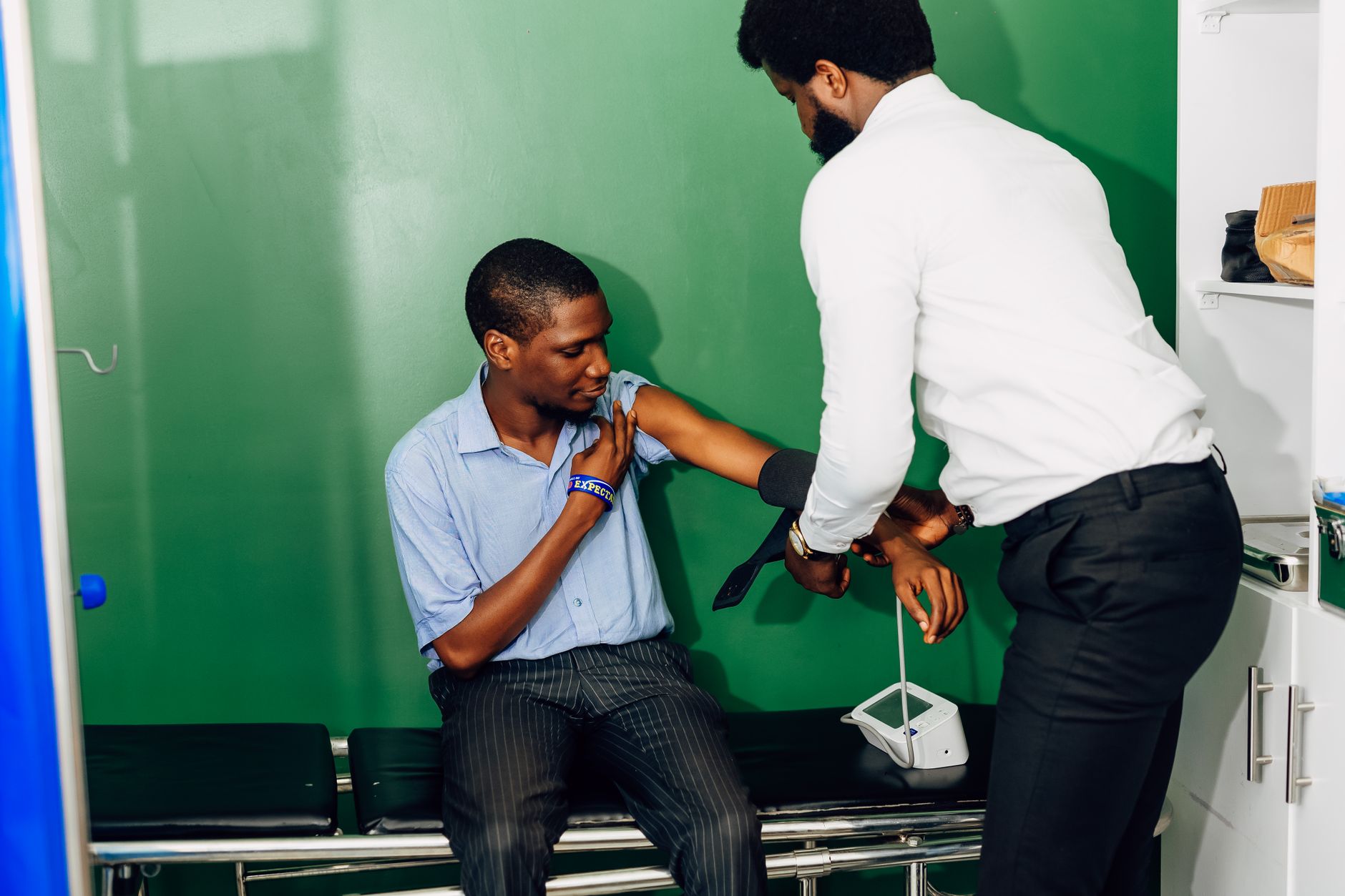
When to Seek Help Immediately
Please do not delay going to a hospital if you or someone around you experiences:
- Chest pain or pressure, even if mild
- Sudden breathlessness at rest or with minimal activity
- Palpitations (a racing, fluttering, or irregular heartbeat) that do not settle quickly
- Dizziness, fainting, or feeling unusually weak
- Sudden severe headache (which can signal a hypertensive emergency)
These symptoms deserve prompt evaluation — festivals can wait, and so can the sweets.
Celebrate Fully, Protect Wisely
Festivals are about joy, togetherness, and gratitude — and your heart deserves to be part of every celebration for many years to come. With a little planning and awareness, there is no reason why festival heart health has to be a compromise. You can enjoy the garba, share the mithai, light the diyas, and fly the kite — just with a little more thought about what your heart needs alongside the celebrations.
If you have a heart condition, are managing diabetes or hypertension, or simply want personalised guidance heading into the festive season, consider speaking with a qualified cardiologist. A brief consultation can give you a clear, customised plan — so you can celebrate freely, with confidence and peace of mind.
Frequently asked questions
- Is it safe to do garba during Navratri if I have a heart condition?
- Many people with stable heart conditions can enjoy garba safely. However, it is important to consult your cardiologist before the season, especially if you experience breathlessness, chest discomfort, or palpitations during physical activity. Your doctor can assess your current condition and advise on safe activity levels.
- Which festive foods should heart patients be most careful about?
- Heart patients should be especially mindful of deep-fried snacks (high in unhealthy fats), heavily salted namkeen and farsan (high in sodium), and sweets made with large amounts of ghee or refined sugar (which can spike blood sugar and cholesterol). Small portions and mindful choices make a big difference.
- Can air pollution from Diwali fireworks really affect my heart?
- Yes. Fine particles from fireworks smoke can enter the lungs and trigger inflammation that affects the cardiovascular system. People with coronary artery disease, heart failure, or angina are particularly sensitive. Staying indoors during peak fireworks hours, using an air purifier, and wearing an N95 mask outdoors can help reduce exposure.
- What should I do if I feel chest discomfort during a festival?
- Do not ignore chest discomfort, even during a celebration. Stop any physical activity, sit or lie down in a comfortable position, and seek medical help immediately. If the discomfort is severe, spreading to the arm or jaw, or accompanied by breathlessness or sweating, call emergency services without delay. It is always better to be evaluated and reassured than to wait.