Why Gujarat Summers Demand Extra Attention to Your Heart
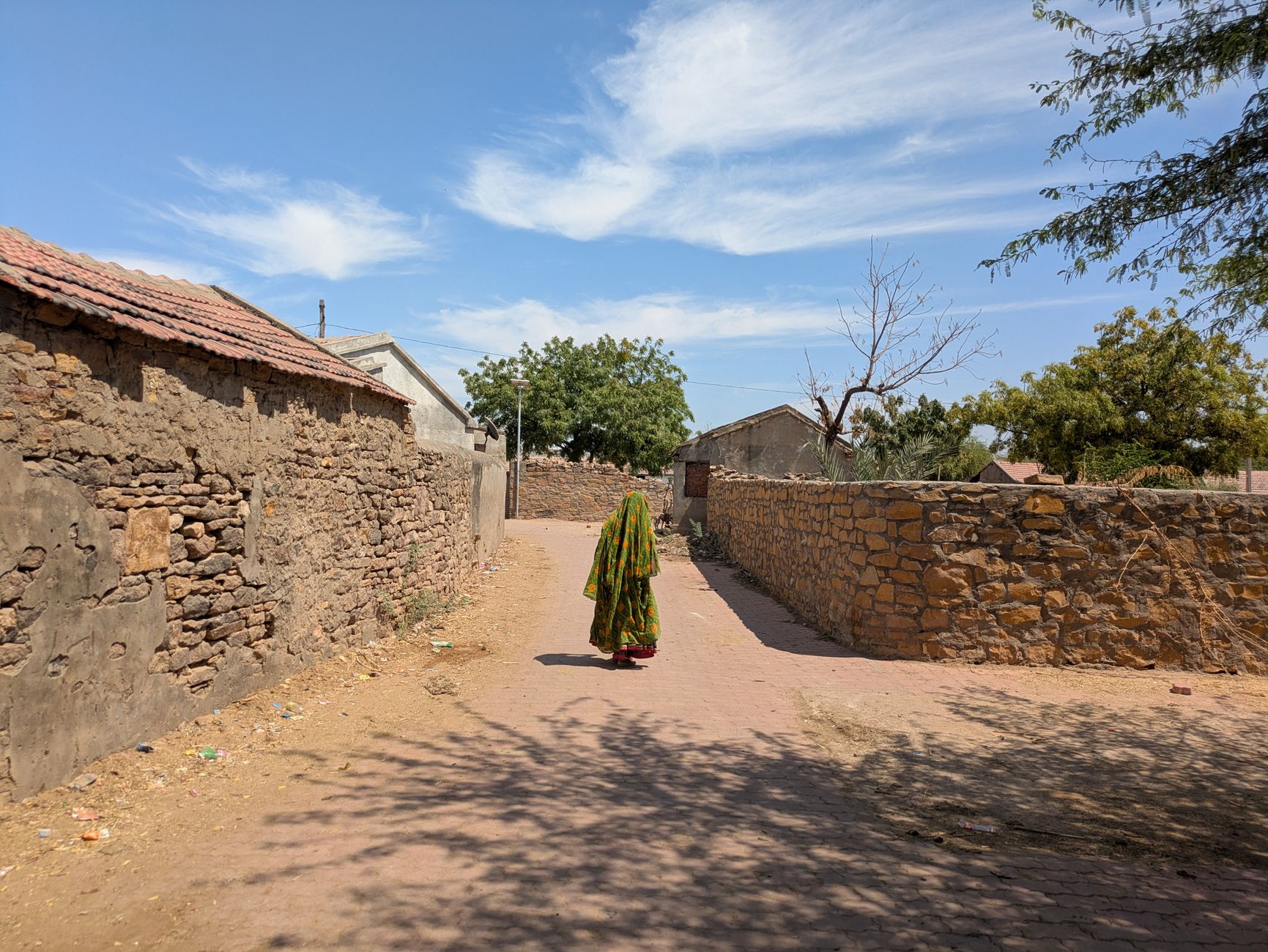
If you live in Rajkot or anywhere across Gujarat, you already know what a summer afternoon feels like. Temperatures regularly climb above 42°C between April and June, and the dry, blazing heat can arrive without much warning. While most of us worry about sunburn or fatigue, there is one organ quietly working overtime during these months — your heart.
Understanding the connection between heat heart health and dehydration is not just useful medical knowledge; it could genuinely be life-saving for you and your family.
How Heat Puts Extra Strain on the Heart
Your body is remarkably clever at regulating its own temperature. When it gets hot, your skin's blood vessels widen (a process called vasodilation) to release heat, and your sweat glands work hard to cool you down through evaporation. Both of these responses require your heart to pump significantly more blood than usual.
On a very hot day, your heart rate can increase by 30–50% above its normal resting level just to manage the body's cooling needs. For a young, healthy person this is manageable. But for someone who already has:
- Coronary artery disease
- High blood pressure (hypertension)
- Diabetes
- Heart failure
- A history of heart attack or angioplasty
…this extra workload can push the heart toward its limits. Research consistently shows that cardiac events — including heart attacks and dangerous arrhythmias — rise during heatwaves. In cities like Rajkot, where temperature and humidity can both be high in the pre-monsoon period, the risk is very real.
The Dehydration–Heart Connection Explained
Dehydration is not just about feeling thirsty. When you lose fluid through sweat and do not replace it adequately, several things happen inside your body that directly impact your heart:
- Blood volume drops. Less fluid in your blood vessels means the heart has to pump harder to deliver the same amount of oxygen to your organs.
- Blood becomes thicker (more viscous). Thicker blood is harder to pump and increases the risk of clot formation — a key trigger for heart attacks and strokes.
- Electrolytes go out of balance. Sodium, potassium, and magnesium are essential for a regular heart rhythm. Heavy sweating depletes these minerals, and an imbalance can trigger palpitations or irregular heartbeat (arrhythmia).
- Blood pressure fluctuates. Dehydration can cause blood pressure to drop suddenly when you stand up (orthostatic hypotension), leading to dizziness or fainting — dangerous situations, especially for older adults.
A 55-year-old with mild hypertension, for example, might feel perfectly fine indoors in the morning, step out for a short errand in peak afternoon heat, sweat heavily for 20–30 minutes, and return home feeling dizzy and with a racing heart. This is a very common summer pattern that cardiologists see in Gujarat.
Warning Signs You Should Never Ignore
Heat-related cardiac stress does not always look dramatic. Watch for these signals — in yourself and in those around you:
- Rapid or irregular heartbeat after being in the heat
- Unusual breathlessness with light activity
- Chest tightness or discomfort
- Sudden dizziness or near-fainting
- Excessive fatigue that feels out of proportion to what you did
- Cold, clammy skin despite being in a hot environment
- Swelling of the ankles that worsens on hot days (can indicate the heart struggling with fluid shifts)
If you or someone around you experiences chest pain, loss of consciousness, or extreme breathlessness in the heat, treat it as a medical emergency and seek help immediately.
Who Is at Highest Risk?
While anyone can be affected by heat and dehydration, some groups face a significantly higher risk of heart-related complications:
- Adults over 60 years of age — the thirst sensation weakens with age, so older people often do not realise they are dehydrated until it is significant
- People on certain heart or blood pressure medications — diuretics ("water pills"), beta-blockers, and ACE inhibitors can all affect how the body handles heat and fluid balance
- Those with diabetes — autonomic nerve damage in diabetes can impair the body's ability to sweat and regulate temperature normally
- People doing outdoor work — daily wage workers, farmers, construction workers in Gujarat's summer sun face prolonged exposure
- Individuals who are overweight — extra body mass generates more heat and makes cooling less efficient

Practical Tips to Protect Your Heart This Summer
The good news is that with some simple, consistent habits, you can protect your heart health even through the harshest Gujarat summers.
Stay Hydrated — the Right Way
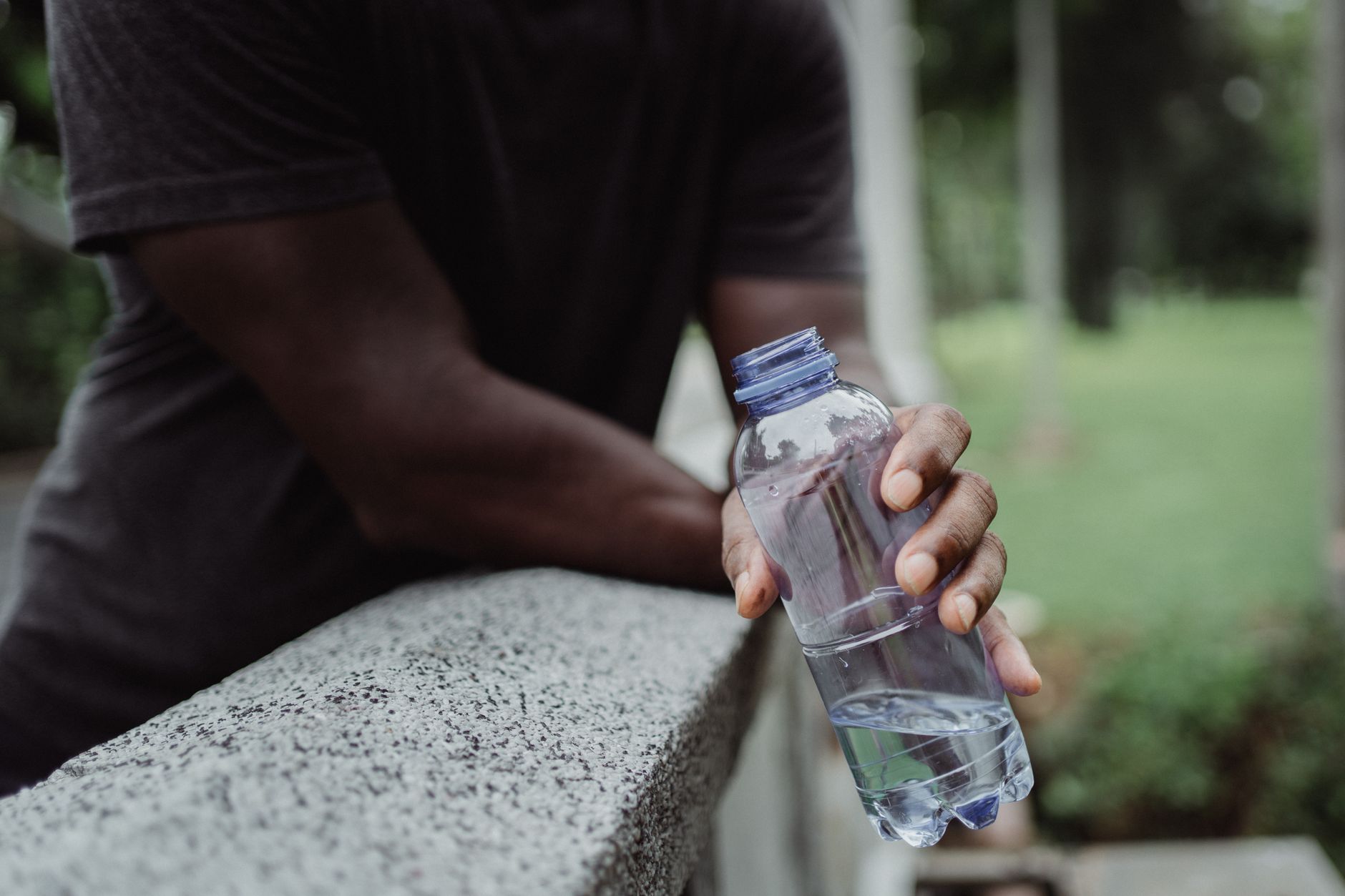
- Aim for 8–10 glasses of water (approximately 2–2.5 litres) per day. If you are outdoors or doing physical work, you may need more.
- Do not wait until you feel thirsty — especially if you are over 60. Set a reminder to drink water every hour.
- ORS (Oral Rehydration Solution), coconut water, or diluted buttermilk (chaas) are excellent for replenishing electrolytes lost through sweat.
- Limit very cold, iced drinks taken in large quantities all at once — they can trigger sudden vasospasm in sensitive individuals.
- Avoid or minimise alcohol and excessive caffeine, both of which are diuretics and increase fluid loss.
Time Your Outdoor Activity Wisely
- Step out before 8 AM or after 7 PM during summer months. The hours between 11 AM and 5 PM carry the highest risk in Rajkot and across Saurashtra.
- If you exercise outdoors, keep sessions shorter in summer and choose shaded or well-ventilated areas.
- Wear light-coloured, loose cotton clothing and a hat to reduce heat absorption.
Keep Your Environment Cool
- Use fans, coolers, or air conditioning during peak heat hours.
- If you do not have access to cooling at home, spending midday hours in a cooler public space can significantly reduce heat stress.
Manage Your Medications Carefully
- If you take diuretics, blood pressure medications, or heart medications, do not stop or adjust doses on your own in summer. Some medications may need a seasonal review by your cardiologist.
- Discuss with your doctor if you feel your symptoms — dizziness, fatigue, or palpitations — worsen with summer heat.
Eat Light and Heart-Friendly
- Choose seasonal fruits and vegetables rich in water content: watermelon, cucumber, tomato, oranges.
- Avoid very heavy, oily, or fried meals during peak heat — digestion itself raises body temperature.
- Reduce excess salt intake, which worsens fluid retention and raises blood pressure.

A Note for Those Already Living with Heart Disease
If you have been diagnosed with a heart condition — whether coronary artery disease, heart failure, or arrhythmia — summer in Gujarat requires extra vigilance. This is not a reason to worry, but a reason to plan.
Keep regular follow-up appointments with your cardiologist through the summer months. Discuss your individual hydration needs, since some heart conditions (like heart failure) actually require fluid restriction rather than increased intake. Never make assumptions — what is right for a neighbour may not be right for you.
Patients who have undergone procedures such as angioplasty or stenting should be especially mindful, as dehydration-induced blood thickening can increase strain on treated arteries.
Key Takeaways
- Gujarat's extreme summer heat forces the heart to work significantly harder to cool the body.
- Dehydration thickens blood, disrupts heart rhythm, and raises the risk of cardiac events.
- Warning signs like rapid heartbeat, chest discomfort, dizziness, or unusual fatigue in the heat should never be dismissed.
- Older adults, people on heart medications, diabetics, and outdoor workers are at the highest risk.
- Staying hydrated with water, coconut water, or chaas; timing outdoor activity wisely; and keeping follow-up appointments are simple, effective protections.
- Always discuss medication adjustments and summer-specific heart care with your cardiologist.
Heat and heart health are closely linked, especially in the Indian summer. If you have concerns about how the season may be affecting your heart, or if you are due for a cardiac check-up, consider booking a consultation with a qualified cardiologist. Dr. Nikhila Pachani's clinic in Rajkot is here to help you navigate every season safely.
Frequently asked questions
- Can hot weather actually cause a heart attack?
- Extreme heat does not directly cause a heart attack on its own, but it significantly raises the risk — especially in people with existing heart conditions. Heat forces the heart to work harder, while dehydration thickens the blood and promotes clot formation, both of which can trigger a cardiac event. Staying hydrated and avoiding peak heat hours are key protective steps.
- How much water should a heart patient drink in summer?
- This depends on the individual's specific heart condition. People with coronary artery disease or hypertension generally benefit from drinking 8–10 glasses of water a day in summer. However, those with heart failure may need to restrict fluids. Always consult your cardiologist for personalised guidance, especially before making changes in summer.
- Which warning signs during summer heat need immediate medical attention?
- Seek immediate medical help if you experience chest pain or tightness, severe breathlessness, loss of consciousness or near-fainting, a very rapid or irregular heartbeat, or cold and clammy skin while in the heat. These can be signs of a cardiac emergency and should never be waited out at home.
- Are people on blood pressure medications at greater risk in summer heat?
- Yes, some blood pressure and heart medications — including diuretics, beta-blockers, and ACE inhibitors — can affect how your body manages heat and fluid balance. This does not mean you should stop taking them; rather, you should discuss with your cardiologist whether any seasonal dose or timing adjustment is appropriate for you.