What Is a Leaking Mitral Valve?
Your heart has four valves that work like one-way doors, keeping blood flowing in the right direction. The mitral valve sits between the left atrium (upper chamber) and the left ventricle (lower chamber). It opens to let blood through, then closes tightly so blood does not flow backwards.
When the mitral valve does not close properly, blood leaks back into the upper chamber with every heartbeat. Doctors call this mitral regurgitation (MR). Over time, this backward leakage forces the heart to work harder, which can lead to breathlessness, fatigue, swollen legs, and — if left untreated — heart failure.
Mitral regurgitation is one of the most common heart valve problems seen in cardiology clinics across India, including right here in Rajkot.
Why Does the Valve Leak?
The mitral valve has two flaps (leaflets) held in place by tiny cords (chordae tendineae). Leakage can happen when:
- One or both leaflets prolapse (bulge back) into the upper chamber
- The leaflets become thickened or stiff due to rheumatic heart disease
- The ring (annulus) around the valve enlarges because of heart failure or a weak heart muscle
- The supporting cords snap or stretch
Regardless of the cause, significant leakage usually needs treatment before symptoms become severe.
Traditional Treatment vs. a Catheter-Based Option
For many decades, fixing a leaking mitral valve meant open-heart surgery — stopping the heart, placing the patient on a heart-lung bypass machine, and physically repairing or replacing the valve. While surgery remains excellent for many patients, it carries real risks, especially for older patients, those with multiple health conditions, or people with a weakened heart.
That is where MitraClip mitral valve repair without surgery comes in — a landmark advance in interventional cardiology that has changed the lives of thousands of patients who were previously considered too high-risk for an operation.
What Is MitraClip? Understanding the Procedure
MitraClip is a transcatheter edge-to-edge repair (TEER) technique. "Transcatheter" means the entire procedure is done through a thin, flexible tube (catheter) inserted into a blood vessel — no chest incision, no stopping the heart, no heart-lung machine.
The device itself is a small, implantable metal clip that grasps the two leaflets of the leaking mitral valve and holds them together at the point of maximum leakage. This converts one large, leaking opening into two smaller openings that together allow much less blood to flow backwards.
How the Procedure Works — Step by Step
-
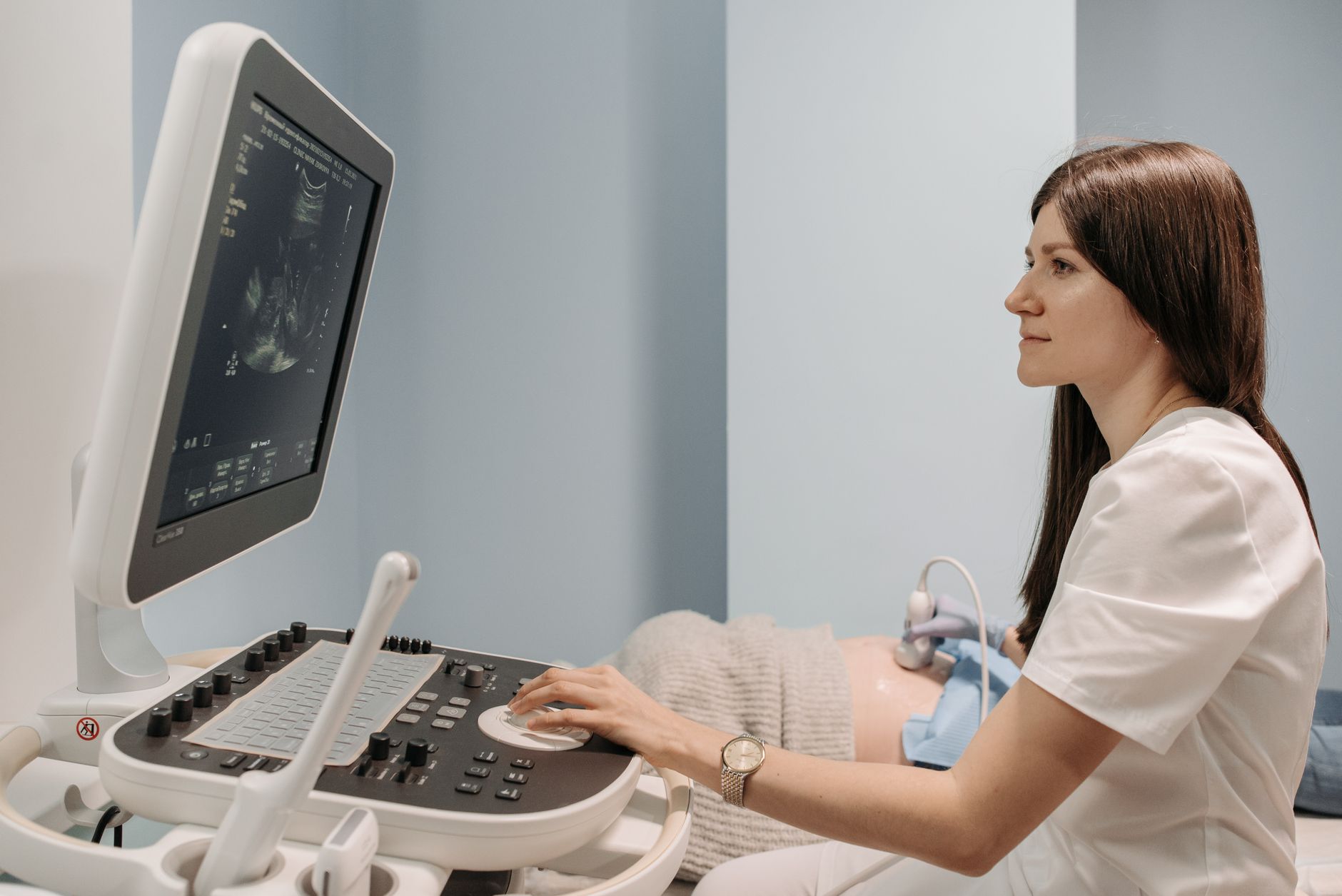
Anaesthesia and imaging set-up: The patient receives general anaesthesia. A special ultrasound probe (transoesophageal echocardiogram or TOE) is placed in the oesophagus to give the cardiologist a real-time, high-resolution view of the mitral valve throughout the procedure.
-
Femoral vein access: The cardiologist makes a small puncture — about the size of a pen tip — in the femoral vein in the groin. No large incision is needed.
-
Transseptal puncture: A catheter is guided through the vein, up into the right side of the heart, and through a tiny hole made in the wall (septum) separating the two upper chambers. This brings the catheter into the left atrium — just above the mitral valve.
-
Navigating to the valve: Guided by live ultrasound and X-ray (fluoroscopy), the cardiologist steers the MitraClip delivery system down to the exact spot on the mitral valve that is leaking most.
-
Clipping the leaflets: The clip is carefully opened, positioned to grasp both leaflets, and then gently closed — stitching the flaps together at the leaking edge. The cardiologist checks on the ultrasound screen right away to see how much the leak has reduced.
-
Release and completion: Once satisfied with the result, the clip is released and the delivery catheter is withdrawn. The small puncture in the groin is sealed. The patient is moved to a monitored recovery area.
The whole procedure typically takes one to three hours, depending on the complexity of the valve anatomy.

Who Is MitraClip Right For?
MitraClip is not for every patient with a leaking mitral valve — the decision always involves a careful review by a heart team (cardiologist, cardiac surgeon, imaging specialist, and sometimes an anaesthetist).
Patients who often benefit most include:
- Those with moderate-to-severe or severe mitral regurgitation causing symptoms or affecting heart function
- Older adults or those with other serious health conditions (kidney disease, lung disease, prior surgery) who face high surgical risk
- Patients whose heart muscle is weakened (reduced ejection fraction) and who are symptomatic despite optimal medical therapy
- People whose anatomy of the mitral valve is assessed as suitable on detailed echocardiography (especially TOE and 3D echo)
A 70-year-old person with severe MR and diabetes, for example, might be an excellent candidate if surgery is deemed too risky — but the final decision is always individualised.
MitraClip may not be suitable if:
- The valve leaflets are too heavily calcified or scarred
- The leaking area is too large or located in an unfavourable position
- The patient has active infection of the valve (endocarditis)
- Anatomy is otherwise not compatible on imaging
What to Expect: Before, During, and After
Before the Procedure
Your cardiologist will arrange a set of tests: echocardiogram (echo), TOE, blood tests, and possibly a CT scan. You will be asked to fast for several hours beforehand and to pause certain medications.
During the Procedure
You will be asleep under general anaesthesia, so you will not feel anything. The cardiac team monitors your heart closely throughout.
Recovery After MitraClip
One of the most appreciated aspects of MitraClip mitral valve repair without surgery is the shorter recovery. Most patients:
- Stay in hospital for 1–3 days (compared to 5–7 days or more after open-heart surgery)
- Are walking within 24 hours of the procedure
- Can return to light daily activities within 1–2 weeks
- Notice an improvement in breathlessness and energy levels within weeks to months
You will need blood-thinning medication for a period after the procedure, and regular follow-up echos to monitor the valve and the clip. Your cardiologist will create a personalised follow-up plan for you.

Benefits, Limitations, and Realistic Expectations
Key Benefits
- Avoids open-heart surgery and its associated risks
- Shorter hospital stay and faster return to daily life
- Meaningful reduction in mitral regurgitation in suitable candidates
- Shown in clinical trials to reduce heart failure hospitalisations and improve quality of life
Important Limitations
- The procedure reduces — but may not always eliminate — the leak
- It may not be as durable as surgical repair in younger, lower-risk patients
- Not all patients achieve a significant improvement
- Requires lifelong follow-up with echocardiography
MitraClip is a carefully chosen option, not a shortcut. The goal is to meaningfully reduce leakage, relieve symptoms, and protect the heart — and for the right patient, the results can be life-changing.
Frequently Asked Questions at a Glance
Patients at Dr. Pachani's clinic in Rajkot often ask whether they need to travel outside Gujarat for this procedure. It is worth knowing that advanced structural heart disease interventions, including catheter-based valve procedures, are becoming increasingly accessible at experienced cardiac centres in the region. Discussing your options locally with a specialist first is always the right starting point.
Key Takeaways
- The mitral valve can leak (mitral regurgitation), making the heart work harder and causing breathlessness and fatigue.
- MitraClip is a catheter-based, transcatheter edge-to-edge repair that fixes the valve through a small puncture in the groin — no open-heart surgery required.
- A small metal clip grasps the two valve leaflets together, significantly reducing the backward leak.
- It is designed for patients with significant mitral regurgitation who are at high or prohibitive surgical risk, or who meet specific criteria for catheter-based repair.
- Recovery is faster than surgery, with most patients going home within 1–3 days.
- The decision requires a detailed echo assessment and a multidisciplinary heart team review.
- Regular follow-up after the procedure is essential.
If you or someone you love has been told they have a leaking mitral valve, speaking with a qualified interventional cardiologist is the most important first step. Dr. Nikhila Pachani's team in Rajkot is here to guide you through your options with clarity and care — feel free to book a consultation.
Frequently asked questions
- Is MitraClip mitral valve repair without surgery safe?
- MitraClip has been studied in large clinical trials and is considered a well-established option for carefully selected patients who are at high risk for open-heart surgery. Like any cardiac procedure, it carries some risks, which your cardiologist will discuss with you in detail based on your individual health profile.
- How long does a MitraClip procedure take, and how long is the hospital stay?
- The procedure typically takes one to three hours depending on the complexity of the valve anatomy. Most patients are discharged from hospital within one to three days, which is considerably shorter than the recovery from open-heart surgery.
- Will I still need medications after the MitraClip procedure?
- Yes. Most patients continue heart failure or heart medications after the procedure. Blood-thinning medication is also usually prescribed for a period. Your cardiologist will review and adjust your medications at follow-up appointments.
- How do I know if I am a suitable candidate for MitraClip?
- Suitability depends on the type and severity of your mitral regurgitation, the anatomy of your valve (assessed on echocardiography, especially a transoesophageal echo), your overall heart function, and your other health conditions. A heart team — including an interventional cardiologist — will review all this information together before recommending the right treatment for you.