Interventional
Coronary Angioplasty (PCI)
Opening blocked heart arteries with a tiny balloon and a stent — no open surgery.
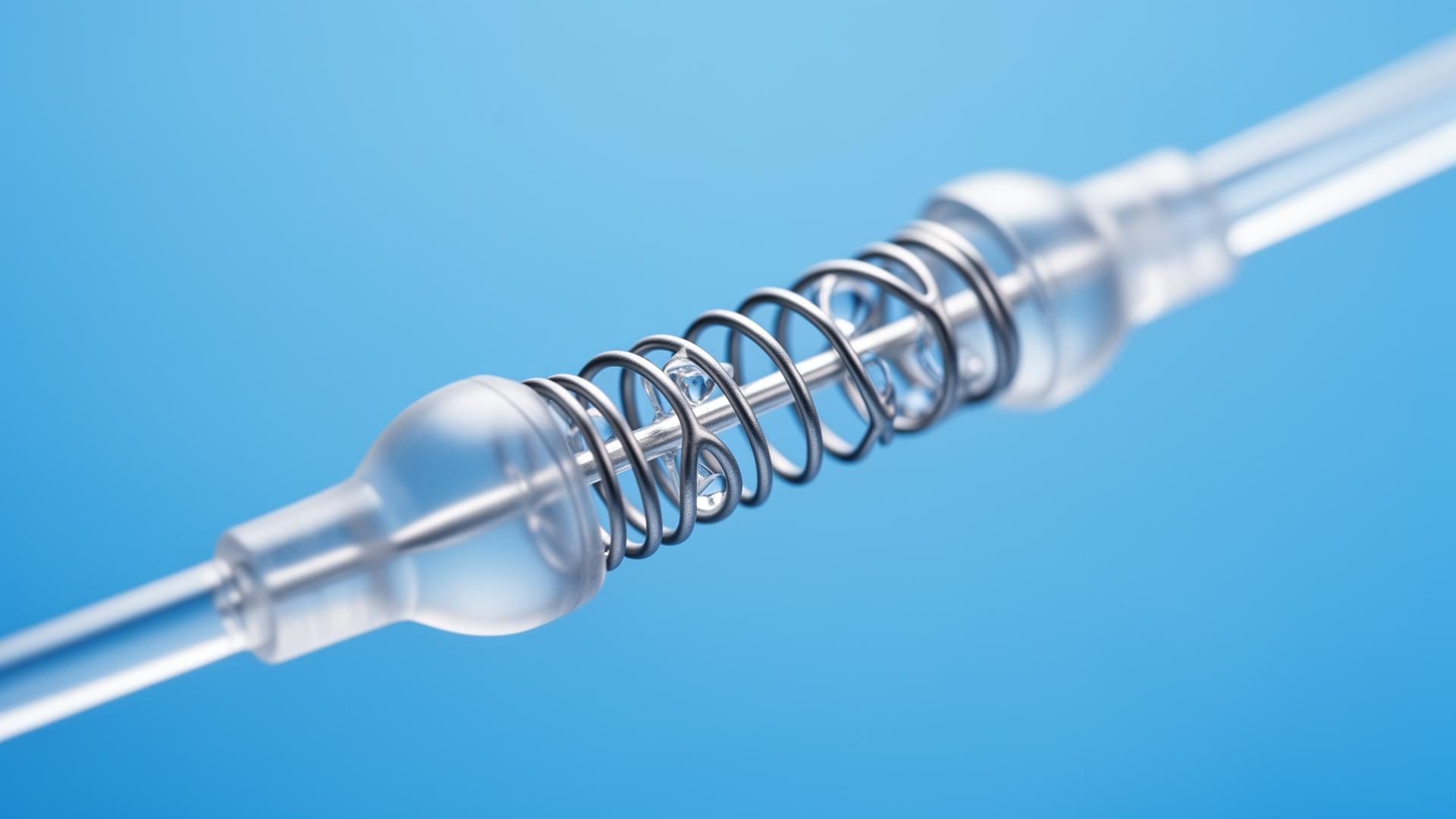
What it is
Coronary angioplasty, also called PCI (Percutaneous Coronary Intervention), is a procedure that opens up a blocked heart artery using a small balloon. After the balloon opens the blockage, a tiny metal mesh tube called a stent is placed to keep the artery open. There is no cut on the chest and no general anaesthesia.
When it's needed
- Significant blockage causing chest pain not controlled by medicines
- Heart attack (emergency primary angioplasty)
- Positive stress test with proven blockage on angiogram
- Unstable angina or rest pain
How it's done
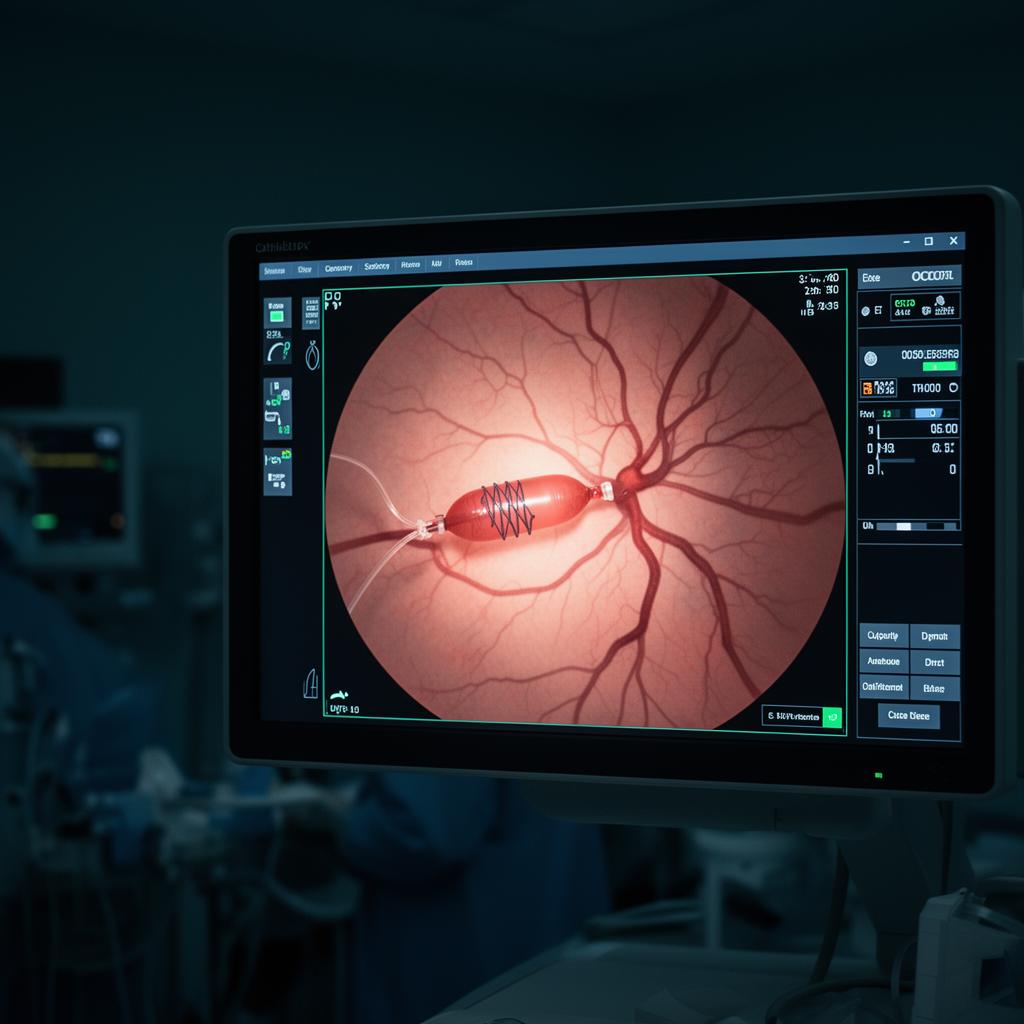
Dr. Nikhila uses modern drug-eluting stents on advanced Philips Azurion cathlab equipment. The balloon is gently inflated to open the narrowed artery, then a stent is placed and expanded. Complex cases involving the left main artery, bifurcation, or chronic total occlusion (CTO) require senior expertise — Dr. Nikhila has performed over 4,000 such procedures.
Recovery
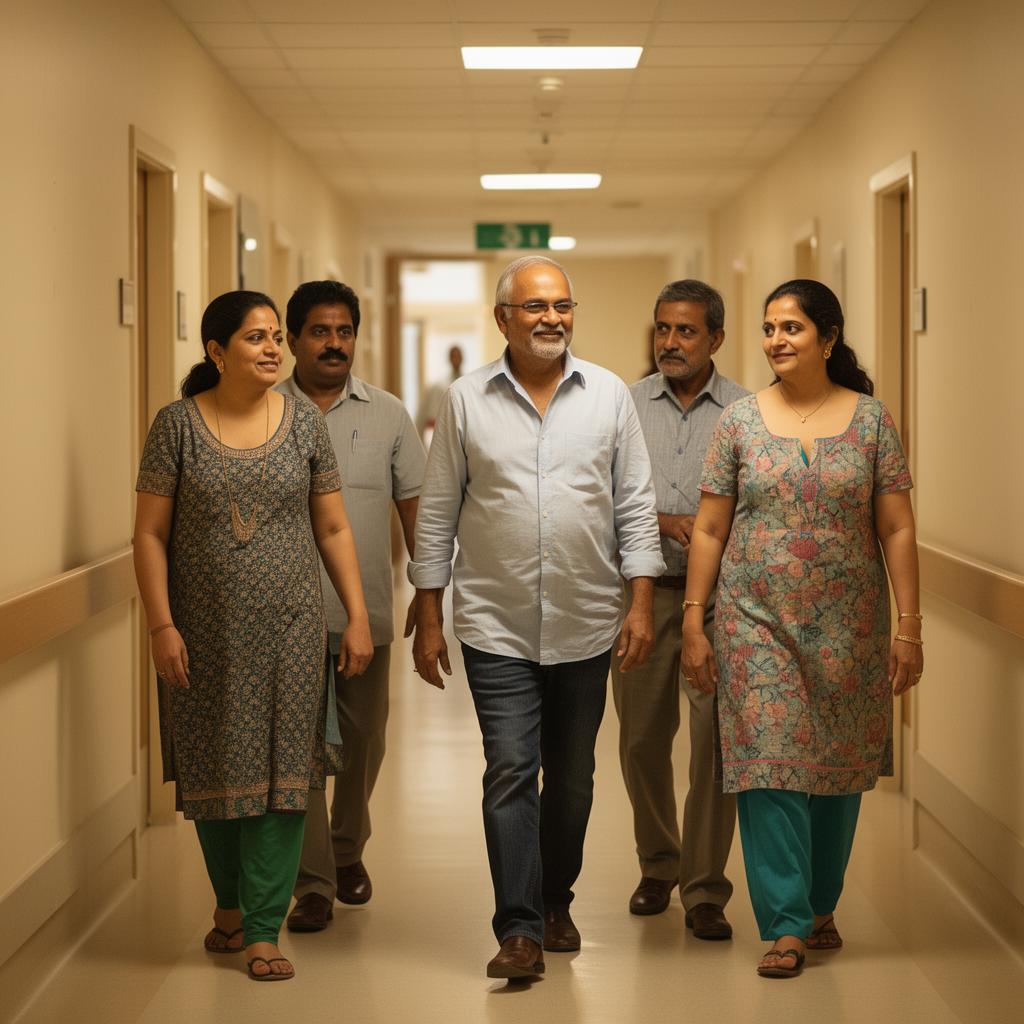
Patients are usually discharged the next day. Walking is allowed within hours. Medicines — including a blood thinner — must be taken exactly as prescribed. Most patients return to office work within 4–5 days and to normal activity within 2 weeks.
FAQ
Questions patients ask us most
How long does a stent last?+
Modern drug-eluting stents become a permanent part of the artery wall. With correct medicines and lifestyle, they can serve you for life.
Will I still need medicines after a stent?+
Yes. Two blood thinners are needed for at least a year, and life-long aspirin, statin, and risk-factor control are essential. The stent treats one segment — your overall heart health needs ongoing care.
Can angioplasty be done from the wrist?+
Yes. Dr. Nikhila prefers the radial (wrist) route in most cases because it is more comfortable, has fewer bleeding complications, and you can walk within hours.
Your Heart Deserves Senior Expertise.
Connect with the doctor's team directly — no forms, just a call.
Available 24×7 for cardiac emergencies