Condition
Coronary Artery Disease (CAD)
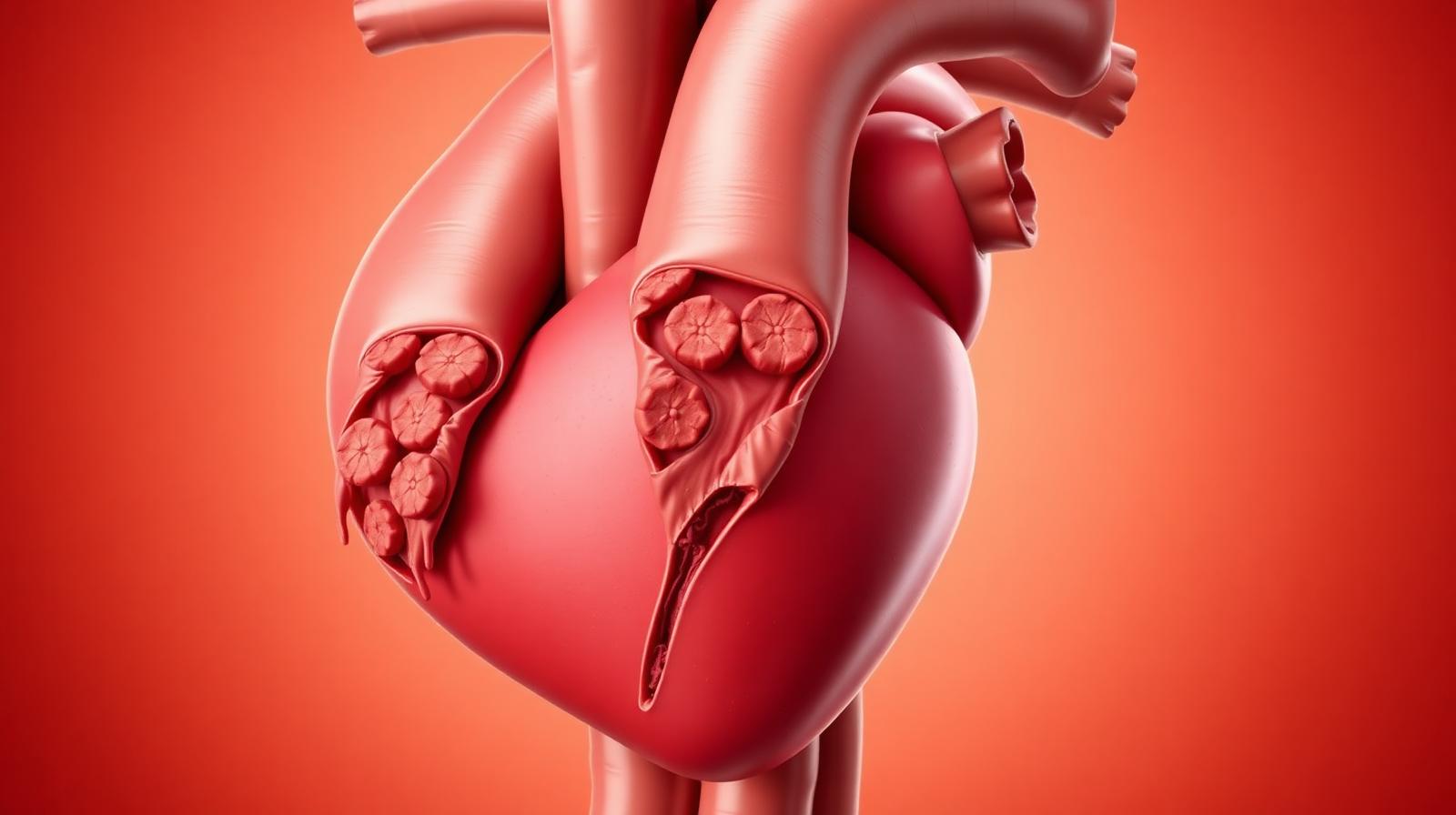
Cholesterol plaque narrowing the arteries that feed the heart muscle.
What it is
Coronary Artery Disease is the slow build-up of cholesterol plaque inside the heart's arteries. As the arteries narrow, the heart muscle gets less blood — especially during exertion — causing chest discomfort (angina) or breathlessness.
Symptoms

- Chest tightness or pressure on walking, climbing stairs, or stress
- Pain relieved by rest within minutes
- Breathlessness with mild exertion
- Sometimes only fatigue (especially in women and diabetics)
Risk factors
- Diabetes
- Hypertension
- Smoking
- High cholesterol
- Family history
- Abdominal obesity
- Chronic stress
How it's diagnosed
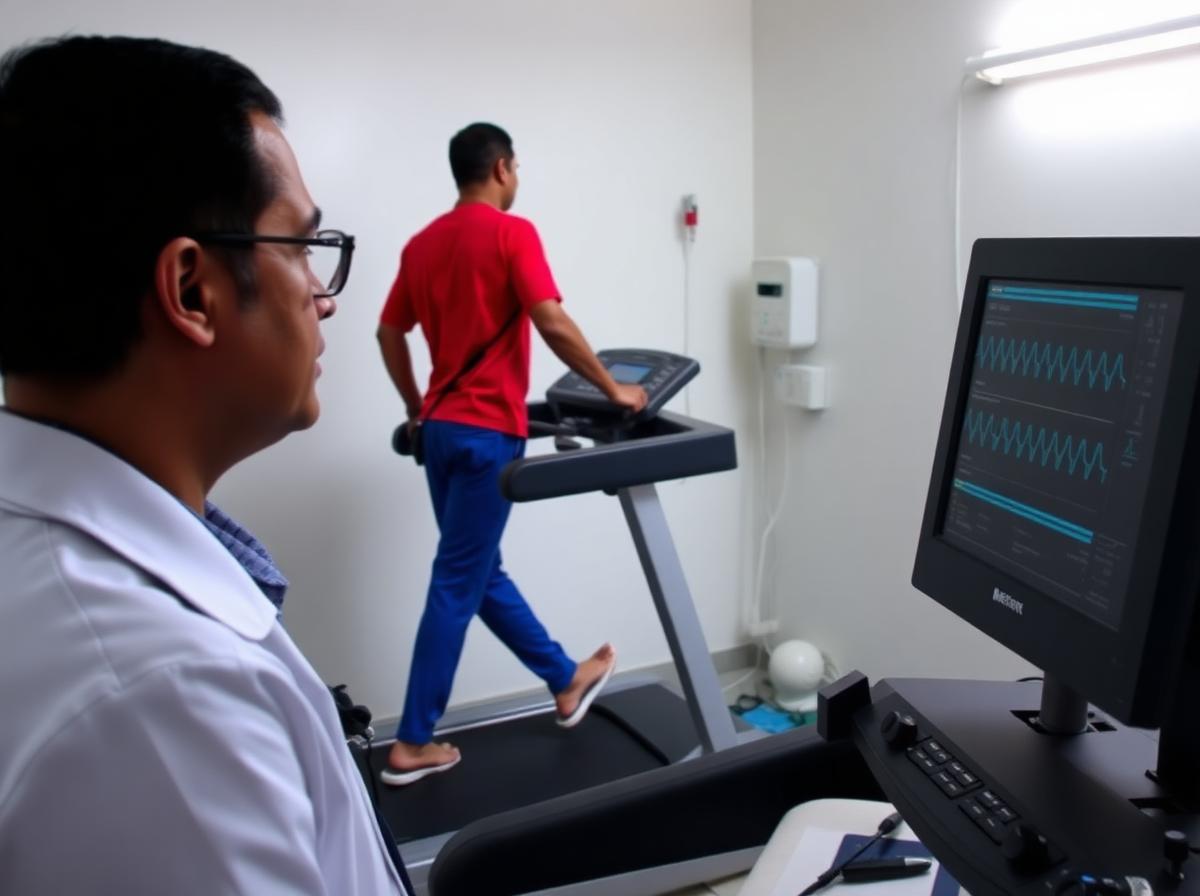
- ECG
- Stress test (TMT or stress echo)
- Echocardiography
- CT coronary angiography
- Coronary angiography
Treatment options

- Medical therapy: statins, aspirin, beta-blocker, nitrates, ACE inhibitor
- Angioplasty with drug-eluting stent for significant blockages
- Bypass surgery (CABG) for multi-vessel or left main disease in selected cases
- Aggressive risk-factor control
Prevention
- Annual check-up after age 35 if you have any risk factor
- Keep LDL cholesterol below 70 mg/dL if you already have CAD
- HbA1c below 7% for diabetics
- BP below 130/80
- Daily exercise and Mediterranean-style diet
Related procedures
FAQ
Questions patients ask us most
Can blockages be reversed without surgery?+
Mild to moderate blockages can sometimes regress with intense lifestyle change and high-dose statin. But significant blockages causing symptoms usually need angioplasty or bypass.
What is the difference between angiography and angioplasty?+
Angiography is a test that finds blockages. Angioplasty is the treatment that opens them.
Your Heart Deserves Senior Expertise.
Connect with the doctor's team directly — no forms, just a call.
Available 24×7 for cardiac emergencies