
Why One Reading at the Clinic May Not Tell the Whole Story
You walk into a clinic. A nurse wraps a cuff around your arm, pumps it up, and announces a number. That number can shape important decisions — whether you start a blood pressure medication, whether your dose goes up, or whether your doctor gives you the all-clear.
But here is something many patients do not realise: a single blood pressure reading taken in a clinic is only a snapshot of one moment in an entire day. Your blood pressure is not a fixed number. It rises and falls throughout the day in response to activity, stress, sleep, meals, and even the simple act of sitting in a doctor's waiting room.
This is why cardiologists increasingly rely on ambulatory blood pressure monitoring (ABPM) — and more specifically, the 24 hour blood pressure monitoring test — to get a far more accurate and complete picture of your cardiovascular health.
What Is a 24 Hour Blood Pressure Monitoring Test?
A 24 hour blood pressure monitoring test (also called ABPM) involves wearing a lightweight, portable blood pressure device for a full day and night — usually 24 hours. A small cuff goes around your upper arm and connects to a monitor that you can clip to your belt or carry in a small pouch.
Throughout the day and night, the device automatically inflates the cuff and records your blood pressure at regular intervals — typically every 20–30 minutes during the day and every 30–60 minutes at night while you sleep. You go about your normal routine: cooking, working, walking, resting.
At the end of the monitoring period, you return the device to the clinic. The cardiologist downloads all the readings and reviews a detailed report showing:
- Your average daytime blood pressure
- Your average night-time blood pressure
- Your 24-hour average
- How your blood pressure dips (or does not dip) during sleep
- Any unusual spikes or patterns
This gives your doctor a rich, real-world picture that no single clinic measurement can match.
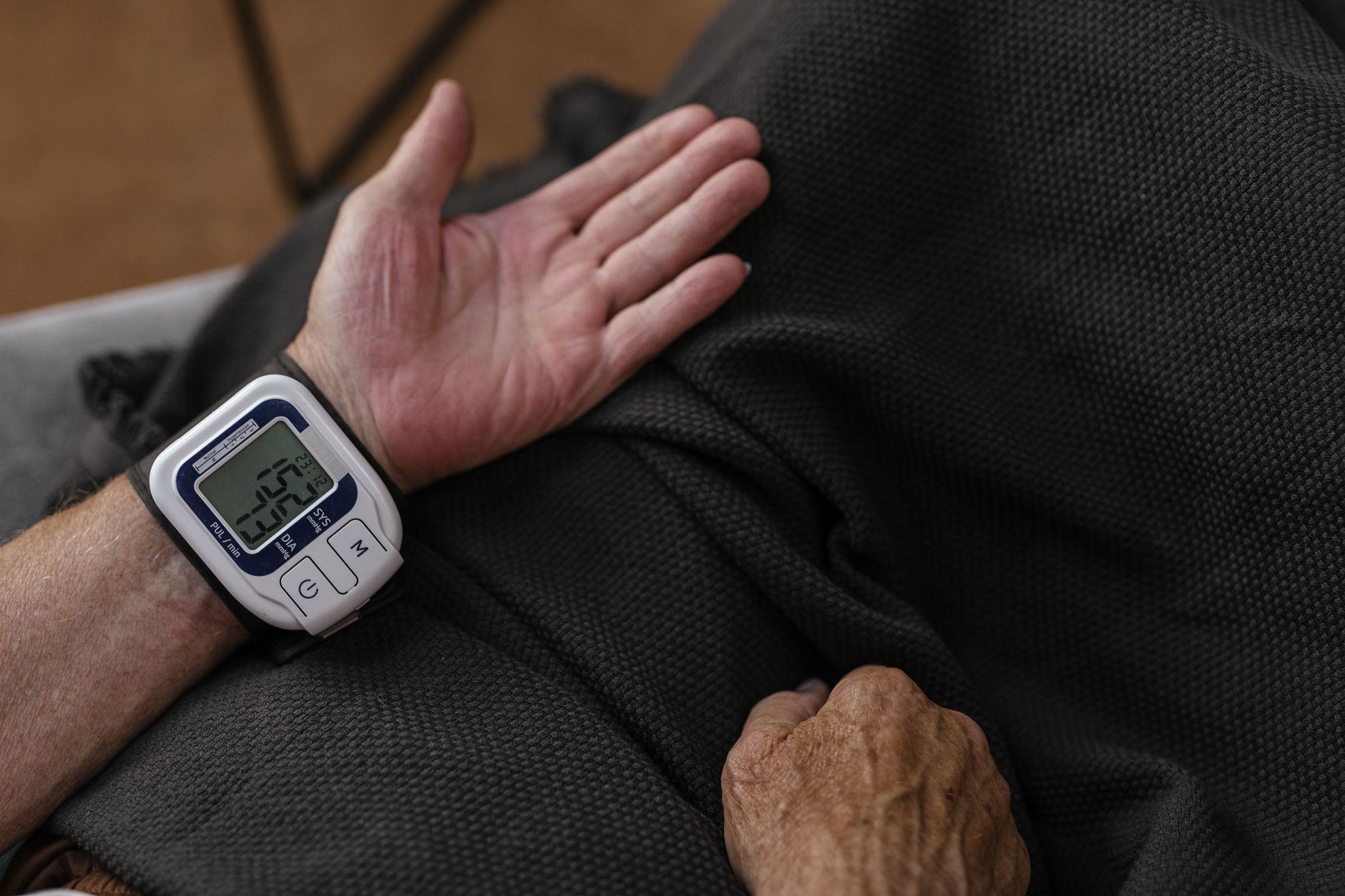
The Problem With Clinic-Only Readings
White Coat Hypertension
Have you ever felt your heart race a little when you sit down for a medical check-up — even when nothing is truly wrong? This is extremely common. The unfamiliar setting, the anticipation, or simply the presence of a doctor or nurse can temporarily raise blood pressure in many people.
When someone's blood pressure appears high in the clinic but is actually normal throughout the rest of their day, it is called white coat hypertension. Studies suggest this affects anywhere from 15–30% of people diagnosed with high blood pressure in clinics. Without ABPM, these individuals might be prescribed medications they do not actually need.
Consider an illustrative example: a 52-year-old office worker might consistently show readings of 148/92 mmHg at the clinic, yet their 24-hour monitor reveals an average of 124/78 mmHg — perfectly within the normal range. Starting them on lifelong antihypertensive medication without ABPM confirmation could be unnecessary and potentially harmful.
Masked Hypertension — The Hidden Danger
The opposite situation is equally worrying. Masked hypertension occurs when a person's blood pressure appears normal or borderline in the clinic, but is actually elevated for much of the day — during work stress, physical exertion, or in the early morning hours.
This is genuinely dangerous because it can go undetected and untreated for years. A 24 hour blood pressure monitoring test is often the only way to catch it. People with masked hypertension carry the same risks of heart attack and stroke as those with confirmed sustained hypertension, yet they may falsely believe they are fine.
The Morning Surge
Blood pressure naturally rises sharply in the early morning hours, typically between 6 am and 10 am. This is the period when the risk of heart attack and stroke is statistically highest. Clinic visits rarely happen at this time — and even if they did, walking into the clinic itself would change the reading.
ABPM captures this morning surge accurately, helping your cardiologist assess whether your medication is providing enough protection during this critical window.

What Does a "Dipper" vs "Non-Dipper" Mean?
One of the most valuable insights from ABPM is whether your blood pressure dips at night as it should.
In a healthy pattern, blood pressure falls by at least 10% during sleep — this is called being a "dipper." This nocturnal dip is important: it gives your heart and blood vessels a period of lower workload each night.
Some people, however, show little or no dip at night. These are called "non-dippers." Non-dipping is associated with a higher risk of heart disease, kidney damage, and stroke — even if the average daytime readings seem acceptable. ABPM is the only tool that can reliably identify this pattern.
In some cases, blood pressure may actually rise during sleep — a pattern called "reverse dipping" or a "riser" pattern — which carries even higher cardiovascular risk. Identifying this helps your cardiologist tailor treatment timing: for example, advising you to take certain blood pressure medications in the evening rather than the morning.
Who Should Consider a 24 Hour Blood Pressure Monitoring Test?
Your cardiologist may recommend ABPM in a number of situations:
- Suspected white coat hypertension — clinic readings are high but you feel well and have no organ damage
- Suspected masked hypertension — clinic readings are borderline but you have risk factors like diabetes, kidney disease, or a family history of heart disease
- Assessing whether blood pressure medication is working — particularly whether it is controlling the morning surge
- Evaluating night-time blood pressure patterns — especially in people who snore, have sleep apnoea, or have diabetes
- Pregnancy-related blood pressure concerns — ABPM helps distinguish true gestational hypertension from anxiety-related spikes
- Unexplained symptoms — such as dizziness or headaches that may be linked to blood pressure fluctuations
In Rajkot and across Gujarat, awareness of ABPM is growing as more cardiologists and physicians adopt a more precise, data-driven approach to diagnosing and managing hypertension.
What to Expect During the Test — Practical Tips
The monitor is compact and unobtrusive for most people. Here is what helps make the test go smoothly:
- Wear comfortable, loose clothing on the day of the test — the cuff needs to go over your upper arm
- Keep your arm relaxed and still when you feel the cuff inflating; movement during inflation can produce inaccurate readings
- Carry on with your normal day — the whole point is to capture real-life readings, so avoid doing anything unusual
- Note down activities or symptoms in a diary — most clinics provide a simple log sheet. Writing "walked briskly at 10 am" or "felt stressed at 3 pm" helps your cardiologist interpret spikes
- Do not remove the device unless instructed; even during sleep, it should remain on
- Sleep on the opposite side to the cuff arm if you find it more comfortable
The cuff inflation can feel slightly firm, but the test is well tolerated by most patients and is entirely non-invasive.
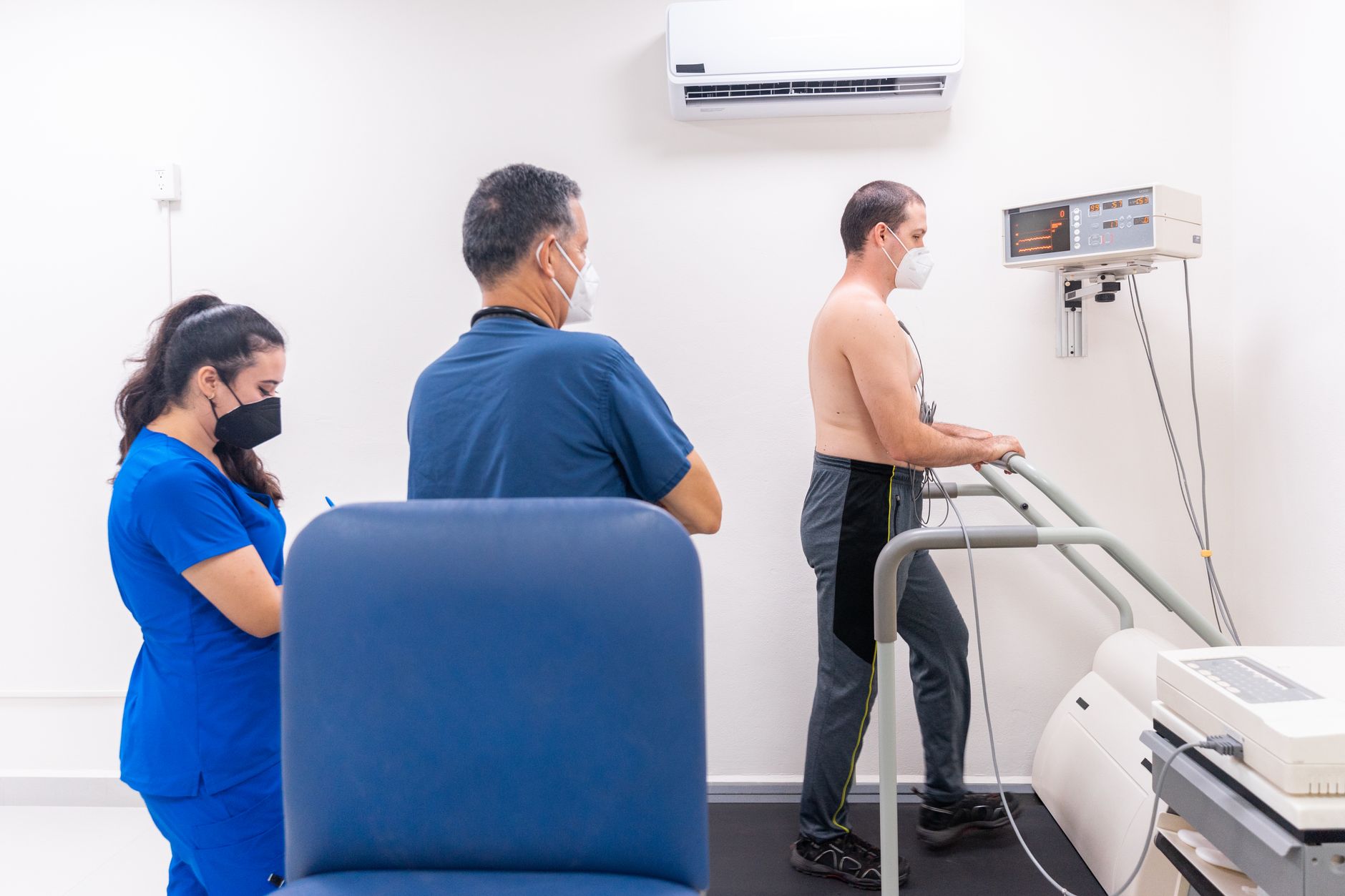
How ABPM Results Guide Treatment
Once your cardiologist reviews the ABPM report, it can influence care in several meaningful ways:
- Confirming true hypertension — and starting appropriate, evidence-based treatment with confidence
- Avoiding unnecessary medication in white coat hypertension — instead opting for lifestyle changes and close monitoring
- Adjusting dosing times — for example, if readings are highest in the morning or at night
- Monitoring treatment response — comparing ABPM results before and after medication changes
- Detecting resistant hypertension — where blood pressure remains high despite multiple medications, prompting further investigation
Key Takeaways
- A single clinic blood pressure reading can be misleading — it reflects only one moment, often influenced by anxiety or the clinical setting.
- A 24 hour blood pressure monitoring test (ABPM) records hundreds of readings across your real daily life, giving a far more accurate picture.
- White coat hypertension (falsely high clinic readings) and masked hypertension (falsely normal clinic readings) can only be reliably identified with ABPM.
- The night-time dip pattern is an important predictor of heart health — non-dippers have a higher cardiovascular risk even with acceptable daytime numbers.
- ABPM helps your cardiologist make more precise, personalised decisions about whether you need medication, which medication, and when to take it.
- The test is non-invasive, straightforward, and carried out during your normal daily routine.
If you have been told your blood pressure readings are borderline, inconsistent, or difficult to interpret, speaking with a qualified cardiologist is a sensible next step. Dr. Nikhila Pachani, Consultant Interventional Cardiologist in Rajkot, offers comprehensive cardiovascular diagnostic services including ambulatory blood pressure monitoring. Feel free to book a consultation to discuss whether this test is right for you.
Frequently asked questions
- What is a 24 hour blood pressure monitoring test and how does it work?
- A 24 hour blood pressure monitoring test, also known as ambulatory blood pressure monitoring (ABPM), involves wearing a small, portable blood pressure cuff on your upper arm for a full day and night. The device automatically inflates and records your blood pressure every 20–60 minutes as you go about your normal routine. The results give your cardiologist a detailed picture of how your blood pressure behaves throughout the day, during activity, rest, and sleep.
- What is white coat hypertension and can ABPM detect it?
- White coat hypertension is when a person's blood pressure appears elevated in a clinic or doctor's office — due to anxiety or the clinical environment — but is actually normal during their everyday life. ABPM is the most reliable way to detect white coat hypertension, because it records blood pressure in real-world conditions rather than just in a medical setting. Identifying it helps avoid unnecessary medication.
- Is ambulatory blood pressure monitoring safe and comfortable?
- Yes, ABPM is entirely non-invasive and safe for most people. You wear a lightweight cuff and a small monitor for 24 hours. The cuff inflates periodically, which some people find briefly firm, but the test is generally well tolerated. You can continue your normal daily activities, including sleeping, throughout the monitoring period.
- How is a 24 hour blood pressure reading different from a clinic reading?
- A clinic reading captures your blood pressure at a single moment, which can be influenced by stress, recent activity, or the clinical setting itself. A 24 hour blood pressure monitoring test records hundreds of readings across your real daily life — including work, rest, exercise, and sleep. This gives your cardiologist a much more accurate and complete picture to guide diagnosis and treatment decisions.