Why Every Breath Counts for Your Heart
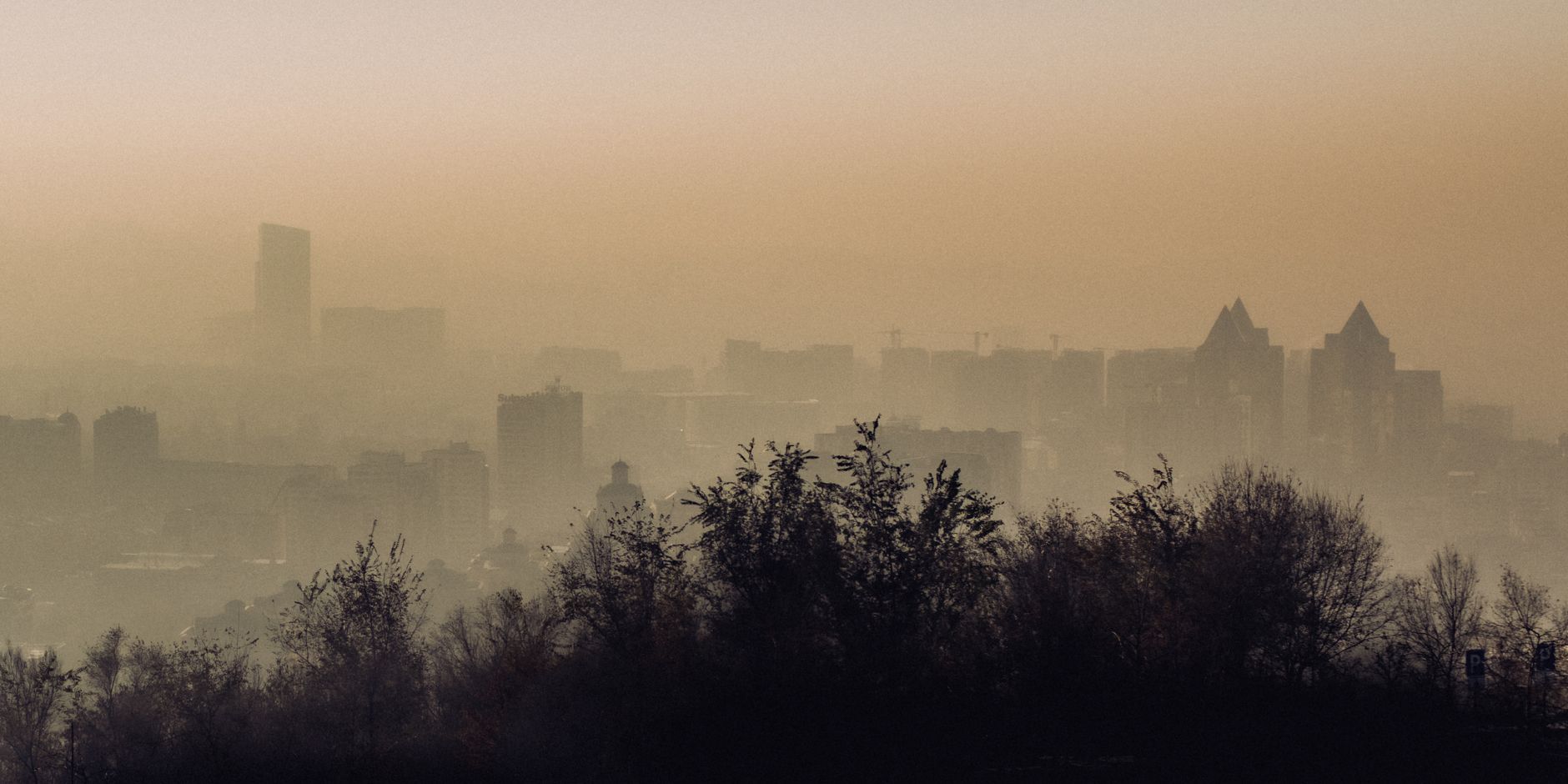
We all know that polluted air is bad for the lungs. But fewer people realise that the air pollution effect on heart health in India is just as serious — and in some cases, even more dangerous. Research published in leading cardiology journals consistently shows that long-term exposure to polluted air raises the risk of heart attacks, strokes, and heart failure. In a country where many cities regularly record poor air quality index (AQI) readings, this is a concern worth understanding clearly.
Whether you live in a metro like Mumbai or Ahmedabad, or in a growing city like Rajkot, the air you breathe every day has a measurable impact on your heart. The good news? There are real, practical steps you can take to reduce that risk — starting today.
What Is in Polluted Air, and Why Does It Harm the Heart?
Air pollution is not just one thing. It is a mixture of gases and tiny particles that come from vehicle exhaust, industrial emissions, construction dust, crop burning, and even household cooking with solid fuels. The most harmful for the heart are:
- PM2.5 (fine particulate matter): Particles smaller than 2.5 micrometres. They are so tiny that they pass straight through the lungs and into the bloodstream.
- PM10 (coarse particles): Larger dust particles that still irritate the airways and trigger inflammation.
- Nitrogen dioxide (NO₂) and ozone (O₃): Gases that damage blood vessels and increase blood pressure.
- Carbon monoxide (CO): Reduces the amount of oxygen your blood can carry, putting extra strain on the heart.
How Do These Particles Reach Your Heart?
When you inhale PM2.5, the particles travel deep into the air sacs of the lungs. From there, they slip into tiny blood vessels and circulate throughout the body. This triggers an inflammatory response — the body's defence system switches on, and over time, this chronic low-grade inflammation damages the inner lining of blood vessels (the endothelium). The result is:
- Atherosclerosis — fatty plaques build up inside coronary arteries.
- Increased blood pressure — narrowed and stiffer blood vessels make the heart work harder.
- Arrhythmias — irregular heart rhythms, including atrial fibrillation.
- Blood clot formation — pollution makes blood "stickier," raising the chance of a clot blocking a heart artery.
A 55-year-old individual with mildly high blood pressure, for example, may find that prolonged exposure to high-pollution days accelerates plaque formation far more quickly than they would in cleaner air — illustrating why this is not just a theoretical risk.

The Indian Context: Why the Risk Is Higher Here
India bears a disproportionate burden of pollution-related cardiovascular disease. Several factors make the situation unique:
- Year-round exposure: Unlike some countries where pollution peaks only in winter, many Indian cities experience elevated PM2.5 levels for most of the year due to traffic, industry, and seasonal crop burning.
- Indoor pollution: A significant portion of Indian households still use biomass or solid fuels for cooking, creating high indoor pollution levels — sometimes worse than outdoor air.
- Dietary and genetic factors: Studies suggest that South Asian populations may have a higher baseline risk for cardiovascular disease, which is compounded by pollution exposure.
- Urban growth: Rapidly expanding cities mean more vehicles, more construction, and more industrial activity — all adding to the pollution load.
In cities across Gujarat, including Rajkot, traffic congestion, industrial zones, and seasonal dust storms from arid surroundings all contribute to variable but often significant pollution levels. Being aware of your local AQI throughout the year is a simple but powerful first step.
Warning Signs You Should Never Ignore
Pollution-related cardiovascular stress does not always announce itself dramatically. Watch for these signs, especially on high-pollution days:
- Unusual shortness of breath during mild activity
- Chest tightness or a feeling of pressure
- Palpitations or an irregular heartbeat
- Sudden fatigue that seems out of proportion to activity
- Dizziness or light-headedness
If you or a family member experience chest pain, severe breathlessness, or a sudden feeling of something being very wrong, seek emergency medical care immediately. These could be signs of a cardiac event.

Practical Ways to Protect Your Heart from Air Pollution
The encouraging truth is that simple, consistent habits can meaningfully reduce your cardiovascular risk — even if you cannot change the air outside your window overnight.
1. Monitor the AQI Daily
Download a reliable AQI app (the government's SAFAR app or AQI India are good options). When the AQI is above 150 (Unhealthy), plan outdoor activities for early morning or avoid strenuous exercise outside altogether.
2. Wear the Right Mask Outdoors
A standard cloth mask filters large particles but does very little against PM2.5. An N95 or N99 respirator, worn correctly with a good seal around the nose and cheeks, filters out the fine particles that matter most for heart health. Keep one handy, especially during haze or smog episodes.
3. Improve Indoor Air Quality
- Keep windows closed during peak traffic hours and on high-AQI days.
- Use an air purifier with a HEPA filter in the room where you spend the most time.
- If cooking with a gas stove, ensure the kitchen is well-ventilated. Avoid solid fuel use where possible.
- Add indoor plants (peace lily, spider plant) — while they are not a substitute for a purifier, they contribute to a healthier indoor environment.
4. Time Your Outdoor Exposure Wisely
Pollution levels are typically higher during morning and evening rush hours and lower in the early morning (before 7 am) and mid-afternoon. If you exercise outdoors, choose parks away from busy roads and go early.
5. Strengthen Your Heart With Lifestyle Choices

A healthy lifestyle directly counters many of the inflammatory pathways that pollution activates:
- Eat an anti-inflammatory diet: Emphasise fresh vegetables, fruits, whole grains, legumes, and healthy fats (mustard oil, olive oil, nuts). Minimise processed foods and trans fats.
- Stay physically active: Regular moderate exercise (brisk walking, yoga, swimming) strengthens the heart muscle and improves blood vessel flexibility — but exercise indoors on very high-pollution days.
- Quit tobacco: Smoking and air pollution together are an especially dangerous combination for cardiovascular risk.
- Manage stress: Chronic stress amplifies inflammation. Practices like pranayama, meditation, and adequate sleep are genuinely cardioprotective.
- Control your numbers: Keep blood pressure, blood sugar, and cholesterol levels within healthy ranges. These conditions amplify the damage that pollution causes.
6. Get Regular Cardiac Check-Ups
If you are over 40, have a family history of heart disease, or have risk factors such as diabetes or hypertension, a periodic cardiac evaluation is particularly valuable. An ECG, lipid profile, and blood pressure check can catch early changes before they become serious problems.
Key Takeaways
- Fine particulate matter (PM2.5) enters the bloodstream and causes inflammation, plaque build-up, and increased blood pressure — raising the risk of heart attacks and strokes.
- The air pollution effect on heart health in India is heightened by year-round exposure, indoor cooking pollution, and a high baseline cardiovascular risk in South Asian populations.
- Monitor the daily AQI, use N95/N99 masks outdoors, and improve indoor air quality with HEPA purifiers.
- An anti-inflammatory diet, regular exercise (indoors on bad-air days), tobacco cessation, and stress management all actively protect the heart.
- People over 40 or those with existing risk factors should schedule regular cardiac check-ups.
A Note on Children and the Elderly
Children's lungs and hearts are still developing, and older adults often have pre-existing cardiovascular conditions. Both groups are more vulnerable to pollution-related cardiac stress. On high-AQI days, keep children's outdoor play to a minimum and ensure elderly family members with heart or lung conditions stay in well-ventilated indoor spaces.
Your heart works every second of every day to keep you alive. Giving it the cleanest possible environment — and the support of a heart-healthy lifestyle — is one of the most meaningful things you can do for your long-term wellbeing. If you have any concerns about your heart health or would like a thorough cardiovascular assessment, consider speaking with a qualified cardiologist who can evaluate your personal risk profile and guide you appropriately.
Frequently asked questions
- Does air pollution really cause heart attacks?
- Yes. Strong scientific evidence shows that long-term and even short-term exposure to fine particulate matter (PM2.5) and other pollutants increases the risk of heart attacks, strokes, and irregular heart rhythms. Pollution triggers inflammation and blood vessel damage that accelerate cardiovascular disease.
- Which type of mask best protects the heart from air pollution?
- N95 or N99 respirator masks, when worn with a proper seal over the nose and mouth, are most effective at filtering fine PM2.5 particles. Standard cloth or surgical masks offer limited protection against these tiny particles.
- Is indoor air pollution also bad for the heart?
- Absolutely. Indoor pollution from cooking with solid fuels, incense burning, or poor ventilation can be as harmful as outdoor pollution. Using a HEPA air purifier, ensuring good kitchen ventilation, and avoiding solid fuel cooking can significantly reduce indoor exposure.
- Who should be most careful about air pollution and heart health in India?
- People over 40, individuals with existing conditions like high blood pressure, diabetes, high cholesterol, or a previous heart event, smokers, and those with a family history of heart disease are at higher risk. Children and the elderly are also more vulnerable and need extra precaution on high-pollution days.