What Is Iron Deficiency Anaemia — and Why Should Your Heart Care?
When most people hear "anaemia," they think of tiredness and pale skin. What many do not realise is that iron deficiency anaemia has a direct and significant impact on the heart. Understanding the anaemia and heart disease link is important for anyone who has been told their haemoglobin is low — or who suspects they might be anaemic.
Haemoglobin is the protein inside red blood cells that carries oxygen from your lungs to every organ in your body — including your heart. When iron stores fall, your body cannot make enough healthy red blood cells, and haemoglobin levels drop. The result? Your blood becomes less efficient at transporting oxygen.
Your heart, being the tireless muscle it is, responds by doing the only thing it can: it beats faster and pumps harder to compensate for the reduced oxygen delivery. Over time, this extra effort takes a real toll.
How Low Haemoglobin Puts Stress on Your Heart
Think of your heart as a delivery driver. Normally, each trip (heartbeat) carries a full load of oxygen to the body's tissues. In anaemia, each trip carries far less oxygen. To meet the body's demands, the driver must make more trips — faster and more frequently. This is essentially what happens inside your chest when haemoglobin is low.
Here is what this means physiologically:
- Increased heart rate (tachycardia): The heart beats faster to circulate more blood per minute.
- Increased stroke volume: The heart pumps out a larger volume of blood with each beat.
- Cardiac dilation: Over time, the heart's chambers can enlarge as the heart works harder.
- Left ventricular hypertrophy: The muscular walls of the heart can thicken in response to chronic overload.
- Reduced oxygen supply to the heart muscle itself: The heart muscle needs oxygen too, and anaemia reduces that supply directly.
In a healthy young person, the heart can handle this extra load for a while. But in someone who already has underlying heart disease — blocked coronary arteries, heart failure, or valve problems — even mild anaemia can tip a stable situation into a serious one.

The Anaemia and Heart Disease Link: Who Is Most at Risk?
The connection between anaemia and heart disease is well-established in medical literature. Several groups of patients are particularly vulnerable:
People with Existing Heart Failure
Anaemia is extremely common in patients with heart failure — studies suggest it affects 30–50% of this group. In heart failure, the heart is already struggling to pump blood effectively. Anaemia adds an extra burden, worsening breathlessness, fatigue, and exercise tolerance. It is also independently associated with poorer outcomes in heart failure patients, making it an important condition to identify and treat.
People with Coronary Artery Disease
In patients with narrowed coronary arteries, the heart muscle is already receiving less blood than it ideally should. Anaemia further reduces oxygen delivery, which can trigger or worsen angina (chest pain or pressure). A 55-year-old with moderate coronary artery disease, for example, might find that a drop in haemoglobin causes chest discomfort during activities that previously felt comfortable.
Elderly Patients
As people age, the heart has less reserve capacity. Older adults — many of whom are seen at cardiac clinics in Rajkot and across Gujarat — frequently have both anaemia and cardiovascular disease together, each condition making the other more difficult to manage.
Women of Reproductive Age
Heavy menstrual bleeding is one of the most common causes of iron deficiency in younger women. Many women normalise their fatigue and breathlessness, not realising their low haemoglobin may be quietly stressing their heart.
Recognising the Symptoms — Heart and Anaemia Together
The symptoms of iron deficiency anaemia can overlap significantly with heart-related symptoms, which is why the two are often confused or missed:
- Fatigue and weakness — feeling tired even after adequate sleep
- Shortness of breath — especially on climbing stairs or mild exertion
- Palpitations — awareness of a fast or fluttering heartbeat
- Dizziness or lightheadedness
- Pale skin, pale inner eyelids, or pale nail beds
- Chest discomfort — particularly in those with underlying heart disease
- Reduced ability to exercise — getting "out of breath" much sooner than expected
- Swollen ankles — in severe or prolonged cases
If you experience breathlessness or palpitations alongside tiredness, it is worth speaking to a doctor promptly rather than attributing everything to stress or poor sleep.
Diagnosing the Link Between Anaemia and Your Heart
A straightforward Complete Blood Count (CBC) blood test can reveal your haemoglobin level, red blood cell count, and iron stores. Your doctor may also check:
- Serum ferritin — the body's iron storage marker (can be low even before haemoglobin drops)
- Serum iron and transferrin saturation
- Reticulocyte count — to assess how actively the bone marrow is producing red blood cells
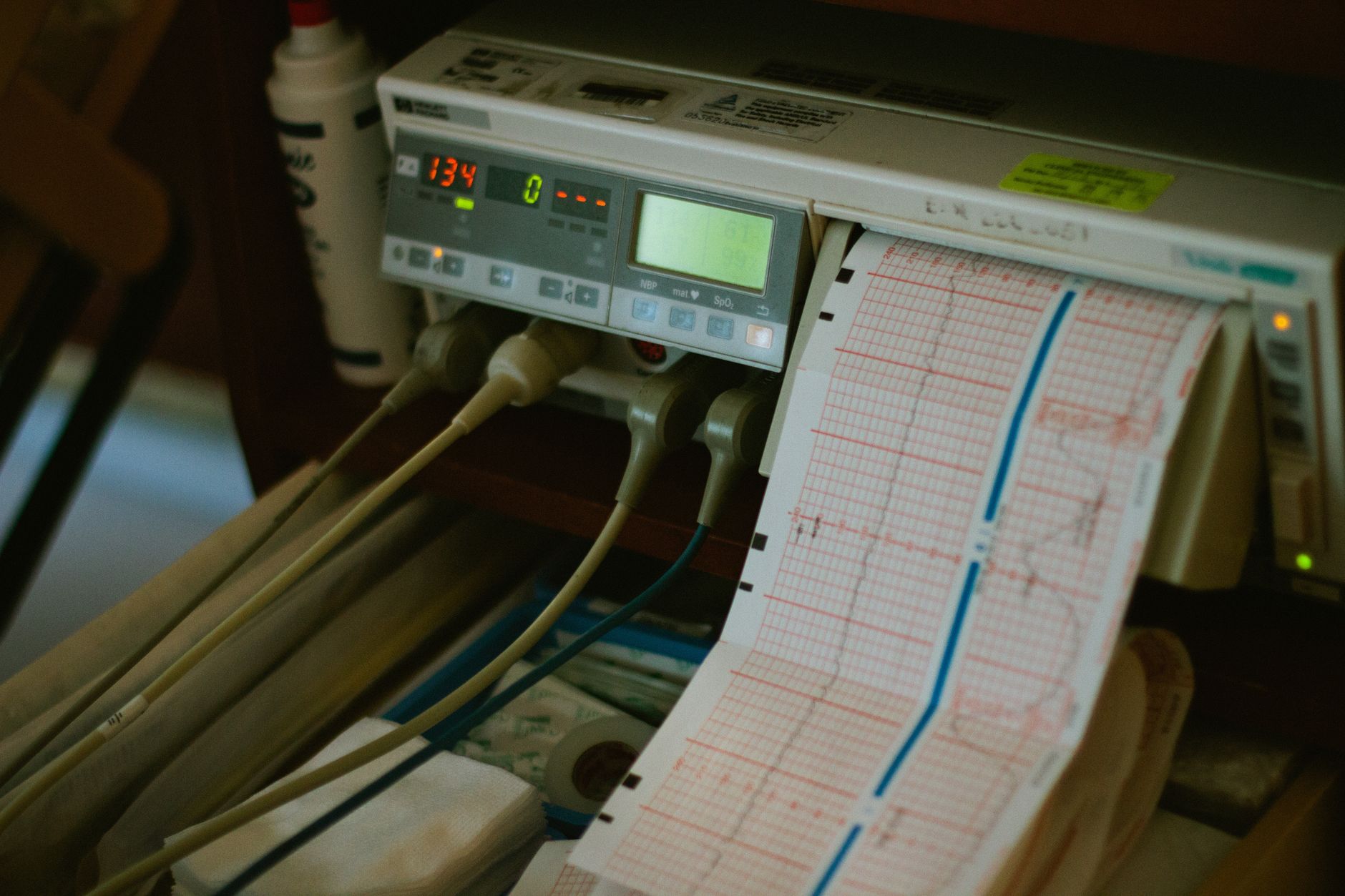
From a cardiac perspective, if anaemia is suspected to be affecting the heart, investigations may include an ECG (electrocardiogram) to check heart rhythm and an echocardiogram (heart ultrasound) to assess the size and pumping function of the heart. These are non-invasive, comfortable tests that provide very useful information.
At Dr. Nikhila Pachani's cardiology practice in Rajkot, patients presenting with unexplained breathlessness or palpitations are often evaluated for both cardiac causes and anaemia, because missing either one can delay the right treatment.
Key Takeaways
- 🩸 Iron deficiency anaemia reduces the oxygen-carrying capacity of your blood, forcing your heart to work harder with every beat.
- ❤️ The anaemia and heart disease link is real and clinically significant — especially in patients with existing heart conditions.
- ⚠️ Symptoms like breathlessness, palpitations, and fatigue can signal both anaemia and cardiac stress — don't ignore them.
- 🧪 A simple blood test can detect low haemoglobin and iron stores early, before the heart is significantly affected.
- 🥗 Dietary changes (iron-rich foods like leafy greens, lentils, lean meat, and fortified cereals) and supplements can help restore iron levels under medical guidance.
- 🏥 People with heart failure or coronary artery disease should be regularly screened for anaemia as part of their cardiac care.
- 👩⚕️ Treating anaemia in heart patients can meaningfully improve energy levels, exercise capacity, and quality of life.
How Is Iron Deficiency Anaemia Treated?
Treatment depends on the underlying cause and severity. Options your doctor may discuss include:
Dietary Modifications
Increasing iron-rich foods is a good first step for mild cases. Good dietary sources of iron include dark leafy vegetables (spinach, methi), lentils and legumes (dal, chana), jaggery, sesame seeds, lean meats, and iron-fortified cereals. Consuming these with Vitamin C-rich foods (like tomatoes, amla, or citrus) improves iron absorption. Tea and coffee can reduce iron absorption, so it helps to avoid them around mealtimes.
Oral Iron Supplements
Iron tablets or syrups are often prescribed when diet alone is insufficient. They need to be taken consistently, usually for several months, to replenish body stores. Some people experience digestive discomfort with oral iron — your doctor can guide you on the best formulation.
Intravenous (IV) Iron Therapy
For patients who cannot tolerate oral iron, have severe deficiency, or have conditions affecting iron absorption, IV iron infusions can rapidly replenish iron stores. This is increasingly used in cardiac patients where restoring iron quickly is important.
Treating the Root Cause
Anaemia is a sign, not just a diagnosis. Finding out why iron is low — whether it is dietary, due to blood loss, or related to absorption problems — is essential for lasting recovery.

Small Steps, Big Difference for Your Heart
Managing iron deficiency anaemia is not just about feeling less tired — it is about protecting your heart from unnecessary long-term strain. With regular check-ups, appropriate blood tests, and a consistent treatment plan, most people with iron deficiency anaemia see a meaningful improvement in their energy and overall well-being.
If you have been told your haemoglobin is low — or if you have heart disease and have never been checked for anaemia — it is worth taking that next step. Small, consistent actions in managing your blood health can make a real difference to your heart health over time.
If you are experiencing symptoms such as breathlessness, palpitations, or unexplained fatigue, please consult a qualified cardiologist for a proper evaluation. You are welcome to book a consultation with Dr. Nikhila Pachani, Consultant Interventional Cardiologist in Rajkot, for personalised cardiac assessment and guidance.
Frequently asked questions
- Can anaemia cause heart problems?
- Yes. Iron deficiency anaemia reduces the amount of oxygen your blood can carry, which forces the heart to beat faster and pump harder to compensate. Over time, this extra workload can lead to an enlarged heart, irregular heartbeat, or worsen existing heart conditions such as heart failure and coronary artery disease.
- What haemoglobin level is considered dangerous for the heart?
- Generally, haemoglobin below 10 g/dL is considered moderate anaemia and begins to place a noticeable strain on the heart. Levels below 8 g/dL are considered severe and can significantly affect cardiac function, especially in people who already have heart disease. However, even mildly reduced levels can matter in vulnerable patients — your doctor will interpret your results in the context of your overall health.
- How do I know if my breathlessness is from anaemia or a heart problem?
- Breathlessness can be caused by both anaemia and heart disease — and sometimes both exist together. A doctor will typically run blood tests (to check haemoglobin and iron levels) alongside cardiac investigations such as an ECG or echocardiogram to identify the cause. It is important not to self-diagnose and to seek professional evaluation promptly.
- Can treating anaemia improve heart function?
- In many cases, yes. When anaemia is treated — whether through dietary changes, iron supplements, or intravenous iron therapy — the heart no longer has to work as hard to deliver oxygen to the body. Patients often notice improved energy levels, reduced breathlessness, and better exercise capacity. In heart failure patients especially, correcting iron deficiency has been shown to improve quality of life and functional ability.