If your doctor has recommended an angioplasty procedure, you may have many questions swirling in your mind. Will it hurt? How long does it take? What happens afterwards? These are completely natural questions — and you deserve clear, honest answers. This article walks you through everything you need to know, from preparation to recovery, in plain language.
What Is an Angioplasty?
Angioplasty — also called Percutaneous Transluminal Coronary Angioplasty (PTCA) — is a non-surgical procedure used to open up narrowed or blocked coronary arteries. These are the arteries that supply blood and oxygen to your heart muscle.
Over time, a fatty substance called plaque can build up inside artery walls, making them narrow. This narrowing reduces blood flow to the heart and can cause:
- Chest pain or tightness (angina)
- Shortness of breath during activity
- Fatigue or dizziness
- In serious cases, a heart attack
During angioplasty, a tiny balloon is guided to the blocked area and gently inflated to widen the artery. In most cases, a small metal mesh tube called a stent is also placed to keep the artery open long-term.
Key takeaways:
- Angioplasty is a non-surgical, catheter-based procedure to open blocked heart arteries.
- It relieves symptoms like chest pain and improves blood flow to the heart.
- Most procedures involve placing a stent to support the artery wall.
- Patients typically return home within 24–48 hours.
- Recovery is generally faster compared to open-heart surgery.
- Lifestyle changes after the procedure are equally important for long-term heart health.
Before the Procedure: How to Prepare
What Your Doctor Will Do First
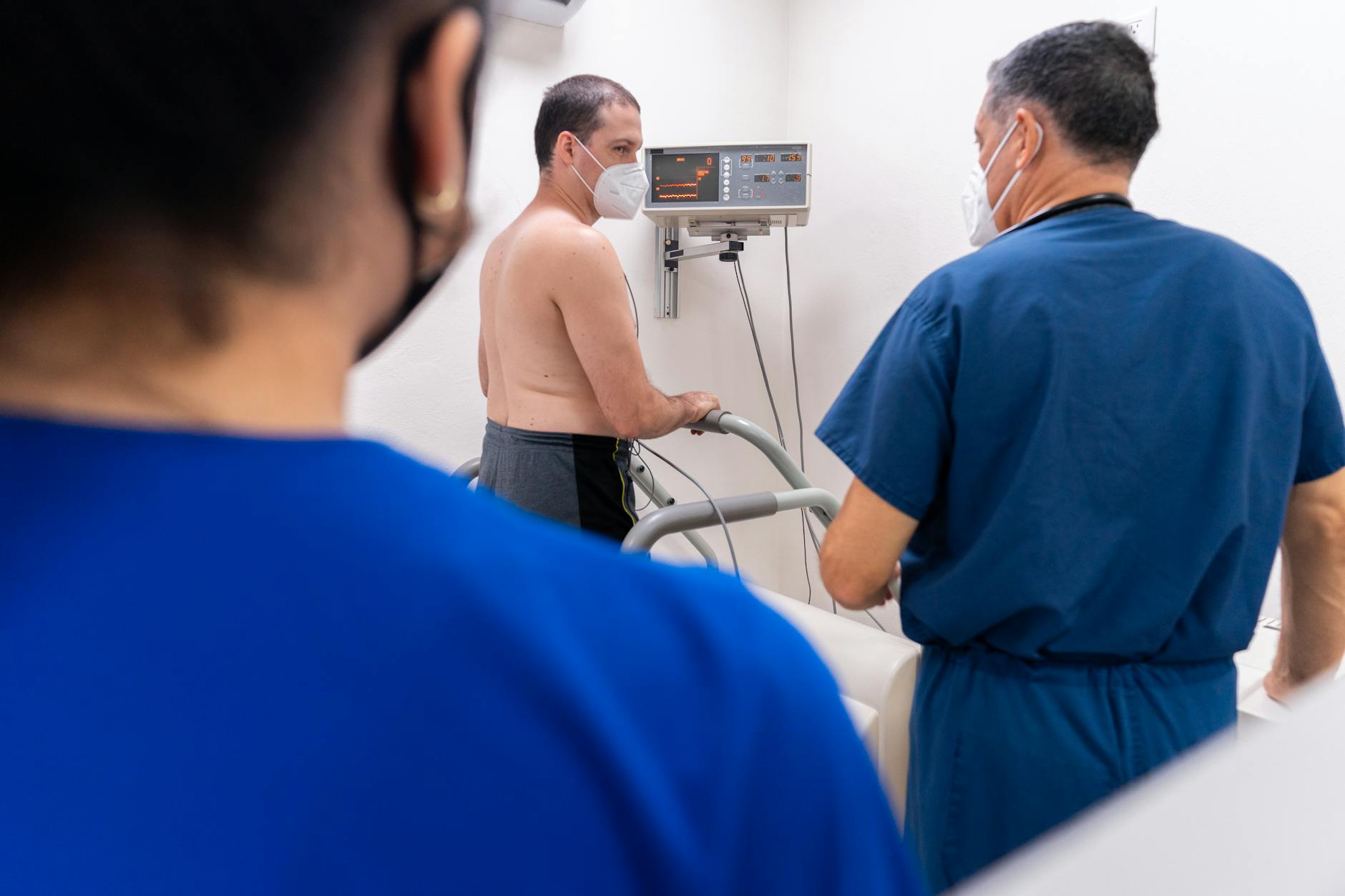
Before scheduling an angioplasty procedure, your cardiologist will review your medical history, conduct a physical examination, and order diagnostic tests. These may include an electrocardiogram (ECG), blood tests, a stress test, or a coronary angiogram — an X-ray imaging test that maps the location and severity of blockages.
In Rajkot and across Gujarat, many patients are referred for this workup after experiencing recurring chest discomfort or an abnormal ECG during a routine check-up. Early diagnosis makes a real difference.
Preparing at Home
Once an angioplasty is scheduled, your care team will give you specific instructions. Here is what typically applies:
- Fasting: You will usually be asked not to eat or drink for at least 6–8 hours before the procedure.
- Medicines: Some medications — especially blood thinners, diabetes medicines, or certain supplements — may need to be paused or adjusted. Always follow your cardiologist's specific guidance.
- Allergies: Inform your team of any allergy to contrast dye, iodine, or latex.
- Transport: You will not be able to drive yourself home, so arrange for a family member or friend to accompany you.
- Clothing: Wear loose, comfortable clothing on the day. Leave jewellery and valuables at home.
A 55-year-old patient with stable angina, for example, might undergo a scheduled (elective) angioplasty after lifestyle modifications and medicines are no longer providing adequate relief — illustrating how this procedure fits as part of a broader treatment plan.

During the Procedure: Step by Step
Arriving at the Cath Lab
Angioplasty is performed in a specially equipped room called a cardiac catheterisation laboratory, or cath lab. The environment looks similar to an operation theatre but is specifically designed for heart procedures.
You will be asked to lie on a narrow padded table. Sensors will be attached to monitor your heart rate, blood pressure, and oxygen levels throughout.
Local Anaesthesia and Access Point
Unlike open-heart surgery, the angioplasty procedure does not require general anaesthesia. You will be given a local anaesthetic to numb the access point — most commonly the wrist (radial artery) or, less often, the groin (femoral artery). You may also receive a mild sedative to help you feel relaxed and comfortable.
A small tube called a sheath is then inserted into the artery to create a pathway.
Guiding the Catheter
Through the sheath, your cardiologist carefully threads a thin, flexible tube called a guide catheter toward your heart. A special contrast dye is injected so the coronary arteries become clearly visible on the X-ray monitor.
The Balloon and Stent
Once the blockage is located, a thin wire is advanced across it. A balloon catheter is then passed over this wire and positioned at the narrowed section. The balloon is gently inflated for a short time — usually around 30–60 seconds — to compress the plaque and widen the artery.
In the vast majority of cases, a drug-eluting stent (a tiny metal scaffold coated with medicine) is then deployed at the same spot. The stent remains in your artery permanently, acting as a scaffold to keep it open and release medication that prevents re-narrowing.
The procedure typically takes 45 minutes to 2 hours, depending on the number and complexity of blockages being treated.
What You May Feel
You may feel a mild pressure or warmth when the dye is injected — this is normal and passes quickly. Most people are surprised by how comfortable the experience actually is. You will be awake and can communicate with the team throughout.

After the Procedure: Recovery and Going Home
Immediately After
Once the procedure is complete, the catheter and sheath are removed. If the wrist was used as the access point, a small compression band is placed over it. You will be moved to a recovery or observation area where nurses monitor your vitals closely.
- Rest: You will be asked to keep your arm (or leg, if the groin was used) still for a few hours.
- Hydration: Drinking plenty of water helps flush the contrast dye from your system.
- Observation: Most patients are monitored for 12–24 hours. Many are discharged the next morning, feeling significantly better.
Medicines After Angioplasty
This is one of the most important parts of your recovery. Your cardiologist will prescribe dual antiplatelet therapy — a combination of two blood-thinning medicines — to prevent a clot from forming inside the stent. It is critical that you:
- Take these medicines exactly as prescribed, without skipping doses.
- Do not stop either medicine without discussing with your cardiologist first, even if you feel well.
- Continue other prescribed medicines for blood pressure, cholesterol, and diabetes as directed.
Activity and Lifestyle After Discharge
Recovery from angioplasty is generally swift. Most people resume light daily activities within a few days and return to desk work within a week. However, long-term heart health depends heavily on lifestyle:
- Diet: Follow a heart-healthy diet — rich in vegetables, fruits, whole grains, and low in saturated fats, salt, and refined sugar. The traditional Gujarati thali can absolutely be adapted to be heart-friendly with mindful ingredient choices.
- Exercise: Once cleared by your cardiologist, regular walking or light aerobic activity is strongly encouraged.
- Smoking: If you smoke, stopping is one of the single most impactful steps for your heart.
- Stress management: Chronic stress affects heart health. Yoga, meditation, and adequate sleep all play a role.
- Follow-up: Attend all scheduled follow-up appointments. In Rajkot, patients of Dr. Pachani are typically reviewed at 1 month, 3 months, and 6 months after the procedure to monitor progress.
Warning Signs to Watch For
While complications are uncommon, contact your cardiologist promptly if you notice:
- Chest pain or tightness returning
- Swelling, bleeding, or unusual pain at the access site
- Shortness of breath or palpitations
- Fever or signs of infection
Frequently Asked Questions
You may still have questions — and that is perfectly normal. The section below addresses the most common ones. If your question is not answered here, bring it to your next consultation.
Remember, an angioplasty procedure is not the end of your heart care journey — it is the beginning of a healthier chapter. For personalised advice, an assessment of your symptoms, or to understand whether an angioplasty is the right option for you, consult a qualified interventional cardiologist. Dr. Nikhila Pachani and her team in Rajkot are happy to guide you every step of the way — from your first question to your long-term heart health.
Frequently asked questions
- Is the angioplasty procedure painful?
- Angioplasty is performed under local anaesthesia, so you will not feel pain at the insertion site. You may feel mild pressure or a brief warm sensation when the contrast dye is injected, but most patients find the experience far more comfortable than they expected. A mild sedative is also given to help you relax.
- How long does it take to recover after angioplasty?
- Most patients are discharged within 24–48 hours and can resume light daily activities within a few days. Returning to desk work within a week is common. Strenuous activity should be avoided until your cardiologist specifically clears you, usually after a follow-up review.
- Will I need to take medicines for life after a stent is placed?
- Yes, in most cases. Antiplatelet medicines (blood thinners) are essential after stent placement — typically for at least 6 to 12 months, and sometimes longer — to prevent clot formation inside the stent. Other medicines for cholesterol, blood pressure, or diabetes are also usually continued. Never stop any medicine without consulting your cardiologist first.
- Can blockages come back after angioplasty?
- Modern drug-eluting stents significantly reduce the chance of re-narrowing (called restenosis) compared to older bare-metal stents. However, new blockages can still develop in other parts of the arteries over time, which is why long-term lifestyle changes — healthy diet, regular exercise, not smoking, and regular follow-up — are just as important as the procedure itself.