What Is Ventricular Tachycardia?
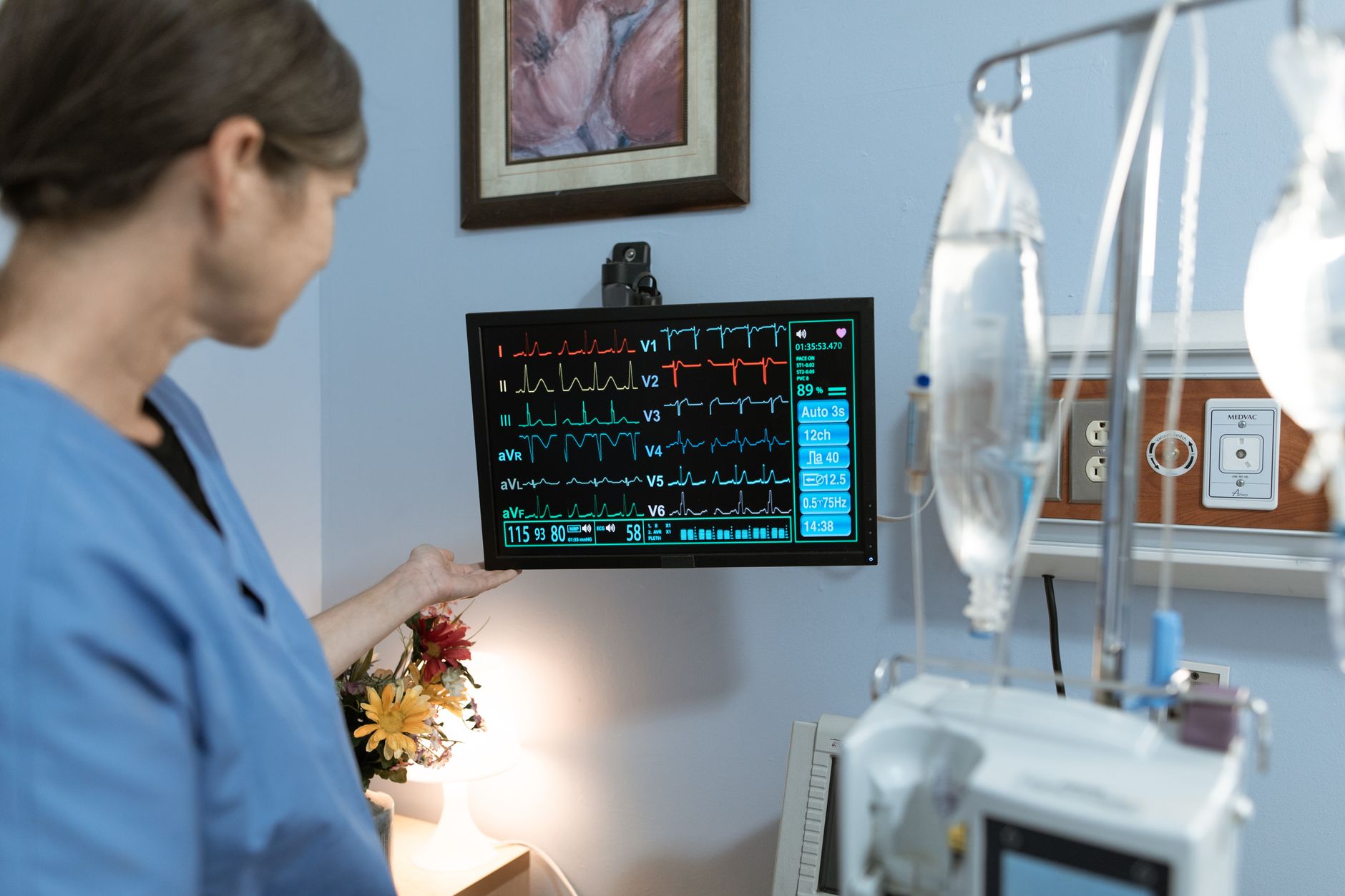
Your heart beats roughly 60 to 100 times per minute at rest. It does this thanks to a carefully organised electrical system that tells each part of the heart when to contract. When something disturbs that system in the lower chambers — the ventricles — the heart can suddenly race at 100 beats per minute or more. This is called ventricular tachycardia (VT).
VT is not just a fast heartbeat. Because the ventricles are the heart's main pumping chambers, a dangerously rapid rhythm there can reduce the amount of blood the heart sends to the brain and the rest of the body. That is why understanding ventricular tachycardia symptoms and treatment early can make a real difference.
How Common Is It, and Who Is at Risk?
VT is more common in people who already have some form of heart disease, though it can occasionally occur in people with a structurally normal heart.
Common risk factors include:
- Previous heart attack (myocardial infarction) — scar tissue can disrupt normal electrical signals
- Heart failure or a weakened heart muscle (cardiomyopathy)
- Inherited conditions such as long QT syndrome or Brugada syndrome
- Severe electrolyte imbalances (low potassium or magnesium)
- Certain medications that affect the heart's electrical system
- Congenital (present from birth) heart defects
Across India, rising rates of coronary artery disease mean that VT is a condition cardiologists — including those practising in cities like Rajkot — see regularly. Early recognition is key.
Recognising Ventricular Tachycardia Symptoms
VT can last for a few seconds (non-sustained VT) or continue for longer (sustained VT). How a person feels depends largely on how fast the heart is beating and how long the episode lasts.
Symptoms to watch for
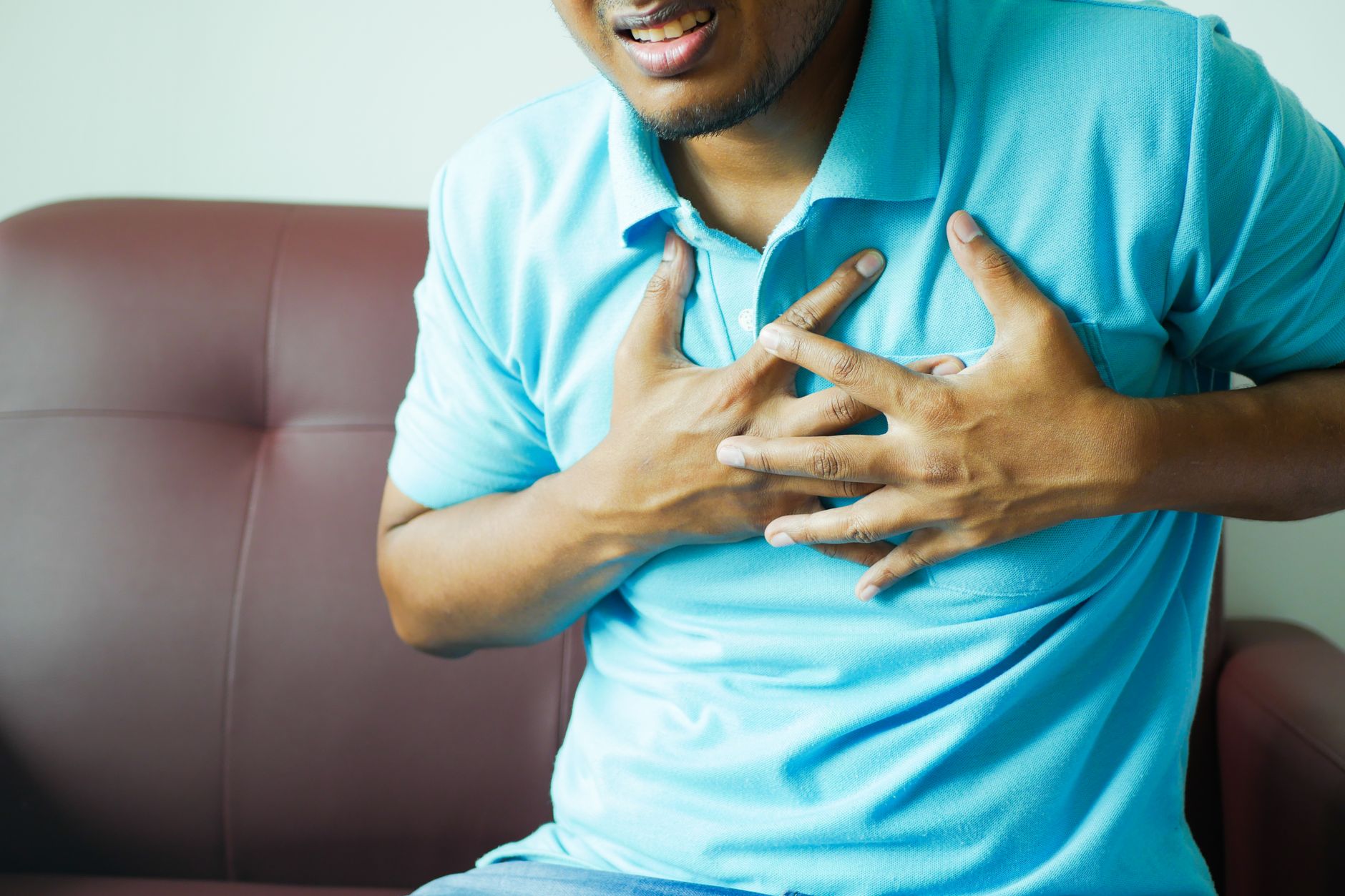
- Palpitations — a pounding, fluttering, or racing sensation in the chest
- Dizziness or light-headedness — because the brain is receiving less blood
- Shortness of breath — the heart is not pumping efficiently
- Chest tightness or discomfort — the heart muscle itself may be under strain
- Fainting (syncope) — a more serious sign that blood flow has dropped significantly
- No symptoms at all — short, non-sustained episodes are sometimes discovered only on a routine ECG
For example, a 55-year-old with a history of a previous heart attack might notice sudden dizziness and a pounding chest during a routine walk. That person should seek medical attention the same day — not wait to see if it settles on its own.
When to call for emergency help immediately: If someone suddenly collapses, becomes unconscious, or stops breathing normally, call emergency services right away. VT can progress to ventricular fibrillation (VF), a life-threatening condition requiring immediate resuscitation.
How Is Ventricular Tachycardia Diagnosed?
A cardiologist will use a combination of tests to confirm VT, understand its cause, and decide on the right treatment approach.
Key diagnostic tools
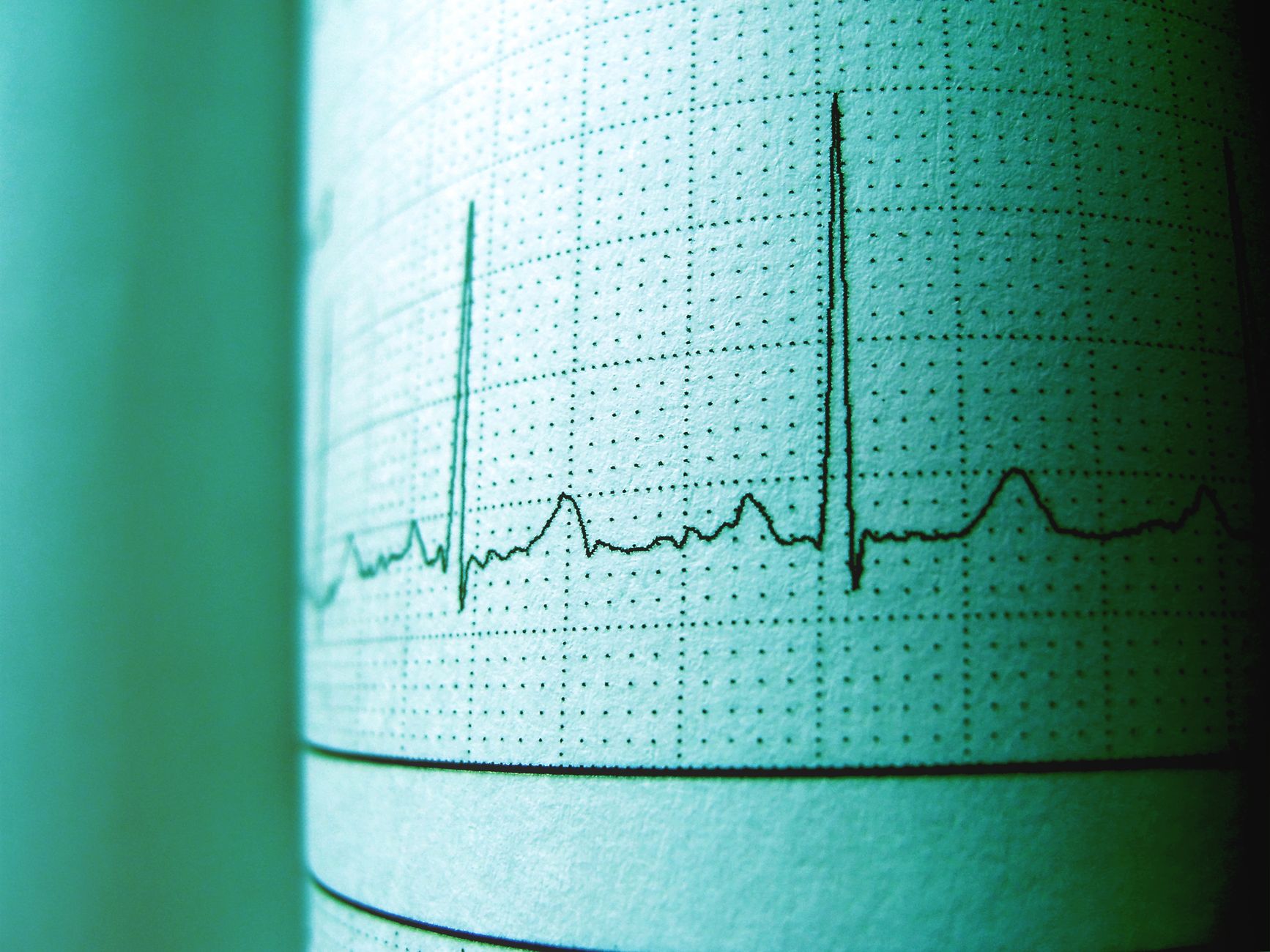
- 12-lead ECG (electrocardiogram): The first and most important test. It records the heart's electrical activity and can identify the abnormal rhythm pattern characteristic of VT.
- Holter monitor: A portable ECG device worn for 24–48 hours (or longer) that captures episodes of VT that may not occur during a standard clinic ECG.
- Echocardiogram: An ultrasound scan of the heart to check the structure and pumping function of the heart muscle.
- Blood tests: To check electrolyte levels, thyroid function, and cardiac enzyme markers.
- Electrophysiology (EP) study: A specialised procedure where thin wires are guided into the heart to map its electrical pathways in detail. This helps pinpoint exactly where the abnormal electrical signals are coming from.
- Cardiac MRI or CT scan: Used when detailed images of heart structure are needed, especially to detect scarring or cardiomyopathy.
Ventricular Tachycardia Treatment Options
Treatment depends on the type of VT, the underlying cause, how often episodes occur, and the overall condition of the heart. There is no single approach that fits everyone.
1. Medications (Antiarrhythmic Drugs)
Medicines such as amiodarone, sotalol, or beta-blockers can help control or reduce VT episodes. They work by slowing or stabilising the heart's electrical signals. Medications are often a first step, but they may not be sufficient on their own for all patients.
2. Cardioversion
If a patient is in a sustained VT episode and is haemodynamically unstable (meaning blood pressure has dropped and symptoms are severe), a controlled electrical shock — called synchronised cardioversion — can quickly restore the normal rhythm. This is performed in a hospital setting.
3. Implantable Cardioverter-Defibrillator (ICD)
An ICD is a small device, similar in size to a large wristwatch, implanted just under the skin near the collarbone. It continuously monitors the heart's rhythm. If it detects a dangerous VT or VF episode, it delivers a controlled shock to restore normal rhythm automatically.
ICDs are recommended for many patients who have survived a cardiac arrest or who are at high risk of life-threatening arrhythmias. They have been shown in clinical studies to reduce the risk of sudden cardiac death in appropriate patients.
4. Catheter Ablation
Catheter ablation is a procedure performed by an interventional cardiologist. Thin, flexible tubes (catheters) are guided through blood vessels to the heart. Using radiofrequency energy or extreme cold (cryoablation), the small area of heart tissue responsible for generating the abnormal electrical signals is carefully targeted and treated.
For many patients, catheter ablation can significantly reduce or even eliminate VT episodes, reducing the need for frequent ICD shocks and improving quality of life. It is particularly effective for VT arising from specific, well-defined areas of the heart.
5. Treating the Underlying Cause
Sometimes VT is triggered by a reversible factor — a very low potassium level, for instance, or a medication side effect. Correcting the underlying issue can resolve the arrhythmia without the need for long-term treatment.

Living With Ventricular Tachycardia
A diagnosis of VT can feel unsettling at first. The good news is that with the right treatment plan, most people with VT lead active, fulfilling lives.
Key lifestyle steps that support heart rhythm health:
- Keep follow-up appointments: Regular monitoring allows your cardiologist to adjust your treatment as needed.
- Take medications as prescribed: Never stop antiarrhythmic medications without consulting your doctor, even if you feel well.
- Manage known risk factors: Control blood pressure, blood sugar, and cholesterol levels. These directly affect heart muscle health.
- Avoid triggers: Excess caffeine, severe dehydration, and extreme stress can provoke arrhythmia episodes in some people.
- Know your emergency plan: Patients with ICDs and their families should be familiar with what to do if the device delivers a shock.
- Eat a heart-healthy diet: Plenty of vegetables, whole grains, and lean proteins. Limit processed foods and excess salt — important in any climate, including the warm weather of Gujarat.
- Stay physically active (within advised limits): Light-to-moderate exercise, as recommended by your cardiologist, supports heart health. High-intensity exercise may need to be modified depending on your individual situation.
Key Takeaways
- Ventricular tachycardia is a rapid heart rhythm starting in the lower chambers of the heart, and it requires proper medical evaluation.
- Symptoms range from palpitations and dizziness to fainting — and sometimes there are no noticeable symptoms at all.
- Diagnosis relies on ECG, Holter monitoring, echocardiogram, and sometimes an electrophysiology study.
- Treatment options include medications, cardioversion, ICD implantation, and catheter ablation — tailored to each individual.
- Most people with VT can live well with the right treatment, monitoring, and lifestyle support.
- If you or someone near you suddenly collapses with loss of consciousness, call emergency services immediately.
If you have noticed palpitations, unexplained dizziness, or a racing heartbeat — or if a family member has been diagnosed with a heart rhythm disorder — it is worth speaking to a qualified cardiologist. Early assessment can provide clarity and peace of mind. You are welcome to book a consultation with Dr. Nikhila Pachani, Consultant Interventional Cardiologist in Rajkot, to discuss your heart health.
Frequently asked questions
- What is the difference between ventricular tachycardia and a normal fast heartbeat?
- A normal fast heartbeat (such as during exercise or anxiety) starts in the heart's upper chambers and follows the heart's regular electrical pathway. Ventricular tachycardia starts in the lower chambers (ventricles) due to an abnormal electrical circuit, causing the heart to beat rapidly in a disorganised way that reduces its pumping efficiency. VT requires medical evaluation, whereas a normal elevated heart rate typically settles on its own.
- Is ventricular tachycardia always dangerous?
- Not every episode of VT is immediately life-threatening. Short, non-sustained episodes lasting a few seconds may cause mild symptoms or none at all. However, sustained VT — lasting 30 seconds or more — can significantly reduce blood flow to the brain and vital organs and may progress to a more serious rhythm called ventricular fibrillation. Any suspected VT should be evaluated by a cardiologist promptly.
- Can ventricular tachycardia be treated permanently with catheter ablation?
- Catheter ablation can be highly effective for certain types of VT, particularly when the abnormal electrical signals come from a well-defined area of the heart. Many patients experience a significant reduction in VT episodes after ablation. However, results vary depending on the underlying heart condition and the complexity of the arrhythmia. Your cardiologist will discuss whether ablation is suitable for your specific situation.
- What should I do if I think I am having a VT episode?
- If you experience sudden palpitations with dizziness, chest discomfort, or shortness of breath, sit or lie down calmly and seek medical attention the same day. Do not drive yourself. If you or someone nearby loses consciousness or collapses, call emergency services immediately. If you have an ICD and it delivers a shock, you should be assessed at a hospital even if you feel well afterwards.