What Is a Bicuspid Aortic Valve?
Your heart has four valves that work like one-way doors, keeping blood flowing in the right direction. The aortic valve sits between the heart's main pumping chamber and the aorta — the large artery that carries oxygen-rich blood to the rest of your body.
In most people, the aortic valve has three thin leaflets (also called cusps) that open and close with every heartbeat. In about 1–2% of the population, however, the valve forms with only two leaflets instead of three. This is called a bicuspid aortic valve (BAV).
It is one of the most common congenital (present-at-birth) heart conditions. Because it develops in the womb, you are born with it — and many people live for decades without ever knowing. Yet understanding it early, and watching it carefully, can make a very significant difference to long-term heart health.
Why Does It Happen?
BAV is not caused by anything a mother did or did not do during pregnancy. It results from how the valve develops in the early weeks of foetal growth. It tends to run in families — if a parent or sibling has BAV, the chance of other family members having it is higher than in the general population. Genetic factors play a clear role, though the exact genes involved are still being studied.
BAV is roughly twice as common in men as in women, and it can sometimes occur alongside other heart or aortic abnormalities.
How a Two-Leaflet Valve Causes Problems Over Time
A normal three-leaflet valve distributes stress evenly across all three cusps. A bicuspid valve, with only two leaflets, does not open and close as smoothly. Over years and decades, this unequal stress causes two main problems:
1. Aortic Stenosis (Narrowing)
The leaflets become stiff, thickened, and calcified — much like lime scale building up inside a pipe. The valve opening becomes narrower, making the heart work harder to push blood through. This is the most common long-term complication of BAV, and it tends to happen 10–20 years earlier in people with BAV than in those with a normal tricuspid valve.
2. Aortic Regurgitation (Leaking)
Instead of closing tightly, the two leaflets may not seal properly, allowing blood to leak backwards into the heart. The heart compensates by pumping harder, which can gradually enlarge and weaken it if left undetected.
3. Aortic Dilation
The wall of the aorta near the heart is often structurally different in people with BAV — even when the valve itself is functioning well. This can lead to the aorta slowly widening (dilation) over time, which needs careful monitoring.
Bicuspid Aortic Valve Symptoms and Treatment — What to Watch For
One of the challenges with BAV is that symptoms often appear late, after the valve has already been working under strain for many years. A 40-year-old, for example, might have had a perfectly functioning bicuspid valve throughout childhood and young adulthood, only to start noticing symptoms in middle age.
Common Symptoms to Recognise
- Breathlessness — especially during physical activity or when lying flat
- Chest discomfort or tightness — particularly with exertion
- Fatigue that seems out of proportion to activity
- Dizziness or light-headedness
- Heart palpitations — a sensation that the heart is racing or fluttering
- Fainting or near-fainting episodes (syncope) — this needs urgent evaluation
It is important to remember: many people with BAV have no symptoms at all for decades. Regular cardiac check-ups are the only reliable way to catch changes before they become serious.

How Is Bicuspid Aortic Valve Diagnosed?
Most cases are discovered incidentally — a doctor hears an unusual heart murmur during a routine check-up, prompting further investigation.
Key Diagnostic Tools
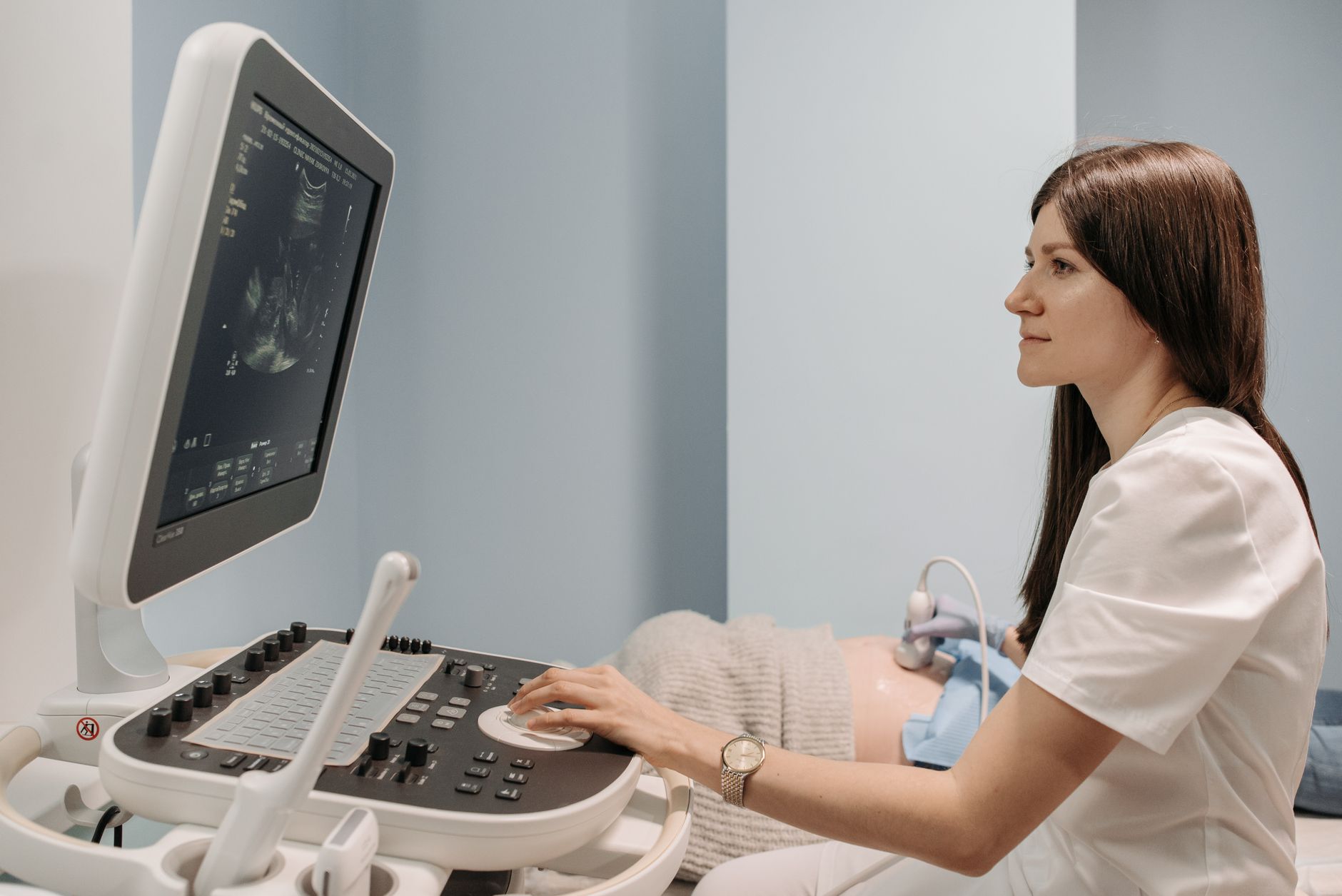
- Echocardiogram (Echo): An ultrasound of the heart. This is the primary tool for diagnosing BAV, assessing how well the valve is opening and closing, and measuring the aorta. It is non-invasive and comfortable.
- ECG (Electrocardiogram): Records the heart's electrical activity and can detect strain patterns.
- CT Angiography or MRI: Provides detailed images of the aorta and surrounding structures, especially important if aortic dilation is suspected.
- Cardiac Catheterisation: Used in selected cases to more precisely measure pressures across the valve before any intervention.
At a cardiology clinic like Dr. Pachani's in Rajkot, patients with a newly diagnosed BAV are typically given a clear, personalised monitoring plan so nothing is missed.
Living With a Bicuspid Aortic Valve — The Lifelong Picture
A BAV diagnosis is not a reason to panic. Many people with this condition live full, active lives. The key is informed, consistent follow-up.
Key Takeaways
- BAV is a common congenital heart condition affecting about 1–2% of people
- Many people have no symptoms for decades; regular monitoring is essential
- The two main complications are aortic stenosis (narrowing) and regurgitation (leaking)
- Aortic dilation is a separate but important risk that requires imaging surveillance
- Lifestyle choices — healthy diet, regular moderate exercise, not smoking — help protect valve and aortic health
- Symptoms like breathlessness, chest tightness, or fainting need prompt evaluation
- Treatment ranges from careful monitoring to valve repair or replacement, depending on severity
- With timely care and regular follow-up, outcomes are very favourable
Lifestyle and Monitoring
- Attend regular echocardiogram appointments as recommended — typically every 1–5 years depending on severity
- Moderate, regular exercise (walking, swimming, cycling) is generally encouraged; very high-intensity competitive sport may need discussion with your cardiologist
- Avoid smoking — it accelerates calcification and stiffening of the valve
- Manage blood pressure carefully — high blood pressure puts extra stress on both the valve and the aorta
- Inform all treating doctors — including dentists — about your BAV, as certain procedures may require specific precautions
A Note on Family Members
Because BAV has a genetic component, first-degree relatives (parents, siblings, children) of someone diagnosed with BAV are often advised to have an echocardiogram screening even if they feel completely well.

Treatment Options for Bicuspid Aortic Valve
Treatment depends on how the valve is functioning, whether complications have developed, and the overall health of the patient. There is no single timetable that fits everyone.
Watchful Waiting (Active Surveillance)
For many patients — especially those with mild or moderate changes — the approach is regular monitoring with no immediate intervention needed. This is not "doing nothing"; it is a carefully structured plan to catch the right moment to act if needed.
Medications
There is no medication that reverses valve disease. However, medicines play an important supportive role:
- Medications to control blood pressure (particularly important for aortic dilation)
- Medicines to manage symptoms of heart strain, such as breathlessness or fluid retention
- Treatment of associated conditions like atrial fibrillation, if present
Surgical Aortic Valve Replacement (SAVR)
When the valve becomes severely narrowed or leaking, open-heart surgery to replace the valve is a well-established option. The diseased valve is removed and replaced with either a mechanical valve (durable, requires lifelong blood thinners) or a biological/tissue valve (does not require long-term blood thinners but may need re-replacement after 15–20 years).
Transcatheter Aortic Valve Implantation (TAVI)
TAVI is a less invasive procedure where a new valve is delivered via a thin tube (catheter) through a blood vessel, without open-heart surgery. While TAVI is now widely used for tricuspid aortic valve disease, its use in BAV requires careful assessment, as the anatomy is different. In suitable patients, it offers a meaningful alternative.
Aortic Root or Ascending Aorta Surgery
When the aorta has dilated beyond safe limits, surgery to replace the affected segment — sometimes combined with valve repair or replacement — may be recommended.
Questions to Ask Your Cardiologist
If you or a family member has been told you have a bicuspid aortic valve, here are some helpful questions to bring to your next appointment:
- How is my valve functioning right now — is there any narrowing or leaking?
- What is the size of my aorta, and is it stable?
- How often should I have an echocardiogram?
- Are there any activities I should avoid?
- Should my family members be screened?
- At what point would treatment be considered?
A Reassuring Perspective
A bicuspid aortic valve is something you were born with — it is not a lifestyle disease, not a failure, and not a sentence. With modern imaging, careful monitoring, and timely intervention when truly needed, the vast majority of people with BAV live long, healthy, active lives.
In Rajkot and across Gujarat, awareness of congenital cardiac conditions is growing, and more patients are being diagnosed earlier — giving cardiologists the opportunity to plan care long before complications arise.
If you have been diagnosed with BAV, or if a heart murmur has been flagged during a check-up, speaking with a qualified cardiologist for a thorough evaluation is the most important next step. Dr. Nikhila Pachani's clinic in Rajkot offers comprehensive cardiac assessment and a personalised, evidence-based care plan to help you understand and manage your heart health with confidence. Book a consultation today and take that important step forward.
Frequently asked questions
- Can you live a normal life with a bicuspid aortic valve?
- Yes — the majority of people with a bicuspid aortic valve live full, active lives. The key is regular monitoring with echocardiograms so that any changes to the valve or aorta are detected early. With timely care and appropriate treatment when needed, outcomes are generally very favourable.
- What are the most common symptoms of a bicuspid aortic valve?
- Many people have no symptoms for decades. When symptoms do appear, they commonly include breathlessness during activity, chest tightness or discomfort, unusual fatigue, dizziness, palpitations, or fainting. Any of these should be evaluated promptly by a cardiologist.
- Is bicuspid aortic valve hereditary? Should my family be screened?
- BAV does have a genetic component and tends to run in families. First-degree relatives — parents, siblings, and children — of someone diagnosed with BAV are generally advised to have a screening echocardiogram, even if they feel completely well.
- When does a bicuspid aortic valve need surgery or intervention?
- Not all bicuspid aortic valves require surgery. Intervention is considered when the valve becomes severely narrowed (stenosis) or severely leaking (regurgitation), when symptoms develop, or when the aorta dilates beyond a safe size. Your cardiologist will monitor these parameters and discuss the right timing for intervention based on your individual situation.