
When a Broken Heart Is More Than Just a Feeling
Most of us have heard the phrase "died of a broken heart." We usually take it as a metaphor. But medical science tells us something remarkable — extreme emotional shock can genuinely affect the way your heart works. This condition is called broken heart syndrome, or by its medical name, takotsubo cardiomyopathy.
It sounds dramatic, but it is more common than many people realise — and the reassuring news is that, in most cases, the heart recovers fully with proper care.
In this article, we explain what broken heart syndrome actually is, who is at risk, what to look out for, and how a cardiologist can help.
What Is Takotsubo Cardiomyopathy?
Takotsubo cardiomyopathy is a temporary weakening of the heart's main pumping chamber — the left ventricle — usually triggered by intense emotional or physical stress.
The name "takotsubo" comes from Japan, where doctors first described this condition in the early 1990s. In Japanese, tako-tsubo means octopus trap — a round-bottomed, narrow-necked pot. During an episode, the tip of the left ventricle balloons outward in a shape that looks very similar to that pot on imaging scans.
It is also known by other names:
- Stress cardiomyopathy
- Apical ballooning syndrome
- Ampulla cardiomyopathy
Unlike a classic heart attack, there is usually no blockage in the coronary arteries. Instead, a sudden flood of stress hormones — particularly adrenaline (epinephrine) — is thought to temporarily stun and weaken the heart muscle.
What Triggers It?
Broken heart syndrome can be set off by an emotional shock or a physical stressor. Common triggers include:
Emotional triggers:
- Death of a loved one or receiving very bad news
- A sudden break-up or a serious argument
- Extreme fear, anxiety, or panic
- A shocking surprise — even an intensely joyful one (sometimes called "happy heart syndrome")
Physical triggers:
- A serious illness or surgery
- Severe pain
- A stroke or seizure
- High doses of certain medications, including adrenaline-like drugs
This is why doctors say broken heart syndrome can sometimes happen even in a hospital setting, following another medical event. A 55-year-old, for example, might experience a sudden bout of chest pain and shortness of breath shortly after hearing very distressing news — and tests may reveal takotsubo rather than a classic heart attack.
Who Is Most at Risk?
Broken heart syndrome can affect almost anyone, but research shows it is far more common in:
- Post-menopausal women (women over 50 account for the large majority of cases)
- People with a history of anxiety or depression
- Those who have recently experienced significant life stress
- People with certain neurological conditions
It is relatively uncommon before the age of 50 and is seen less often in men, though men who do develop it may sometimes have a slightly more complicated recovery.
In a city like Rajkot, where family pressures, grief, and everyday stress are part of many people's lives, awareness of this condition is especially valuable — because it can be mistaken for a heart attack and needs its own careful management.
Symptoms: How Does It Feel?
The symptoms of broken heart syndrome closely mimic those of a heart attack, which is exactly why it needs urgent medical attention. Do not try to manage these symptoms at home.
Common symptoms include:
- Sudden, severe chest pain or tightness
- Shortness of breath — even at rest
- Palpitations (a racing or irregular heartbeat)
- Feeling faint or dizzy
- In some cases, collapse
If you or someone near you experiences these symptoms — especially following an emotional shock — seek emergency help immediately. A proper diagnosis can only be made with investigations.
How Is It Diagnosed?
Because the symptoms look so much like a heart attack, doctors follow a careful step-by-step process:
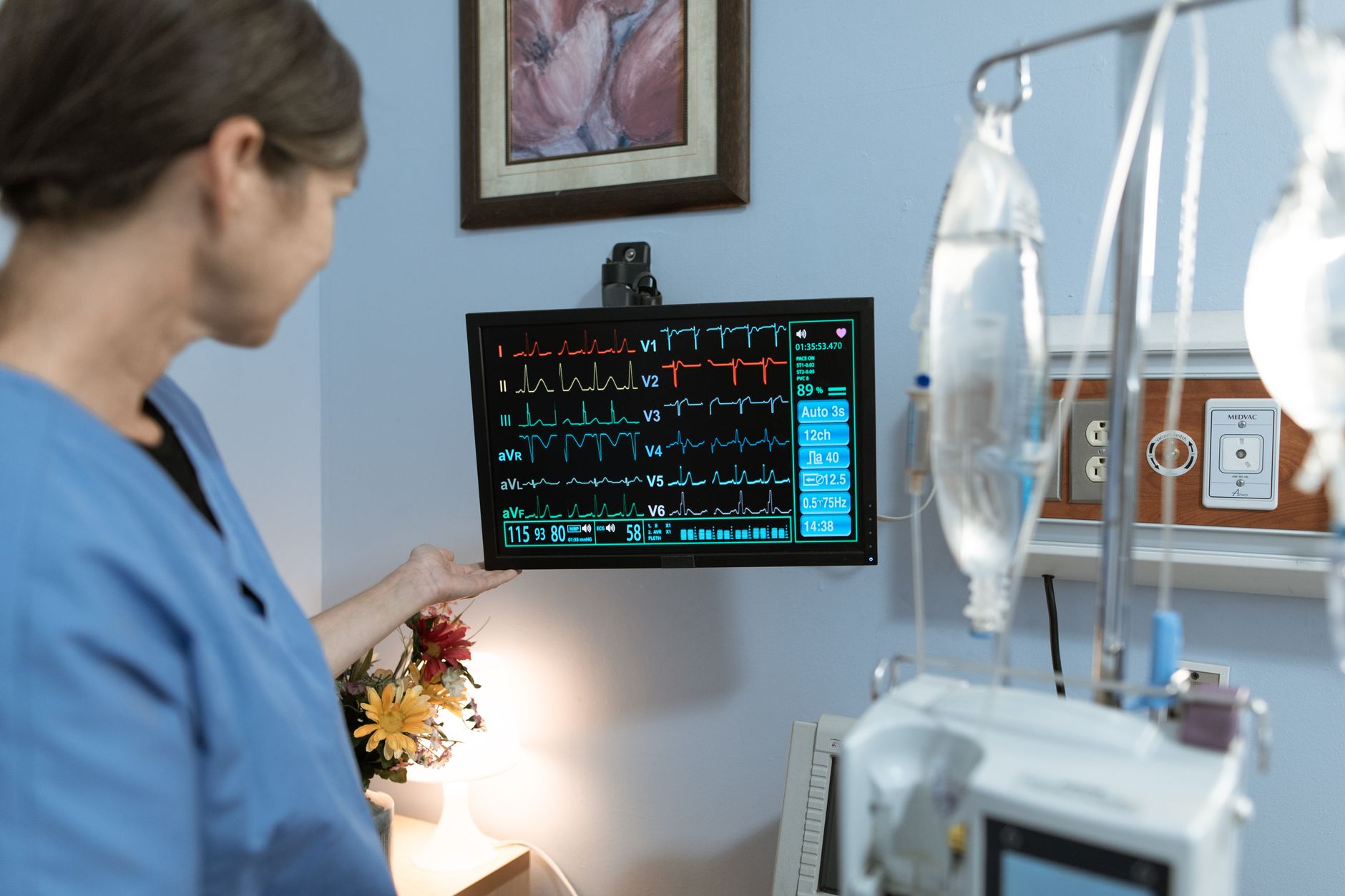
1. ECG (Electrocardiogram)
Changes in the heart's electrical pattern are often the first clue that something is wrong.
2. Blood Tests
Certain proteins called cardiac biomarkers (like troponin) are released when heart muscle is under stress. They may be mildly elevated in takotsubo.
3. Echocardiogram (Heart Ultrasound)
This scan shows the characteristic ballooning of the left ventricle — the hallmark of takotsubo.
4. Coronary Angiography
Because takotsubo looks so similar to a heart attack, cardiologists often perform an angiogram to check whether the coronary arteries are blocked. In takotsubo, the arteries are typically clear — this is what distinguishes it from a classic heart attack.
An interventional cardiologist uses these tests together to reach an accurate diagnosis and plan the right treatment.
Treatment and Recovery
The reassuring truth is that takotsubo cardiomyopathy is usually reversible. The heart muscle is stunned, not permanently damaged, and most patients see their heart function return to normal within four to eight weeks.
During the Acute Phase (Hospital Stay)
- Patients are monitored closely, often in a cardiac care unit
- Medications may be used to support the heart's pumping function, control blood pressure, and manage rhythm problems
- Any life-threatening complications (which are rare but possible) are managed promptly
Going Home: What to Expect
- Doctors usually prescribe medications for a period of weeks to months, which may include beta-blockers, ACE inhibitors, or diuretics
- A follow-up echocardiogram confirms that the heart has recovered
- Gradual return to normal activity is encouraged
Emotional and Psychological Support
Since stress is at the root of this condition, mental health support is a genuine part of recovery:
- Counselling or therapy to process grief, anxiety, or trauma
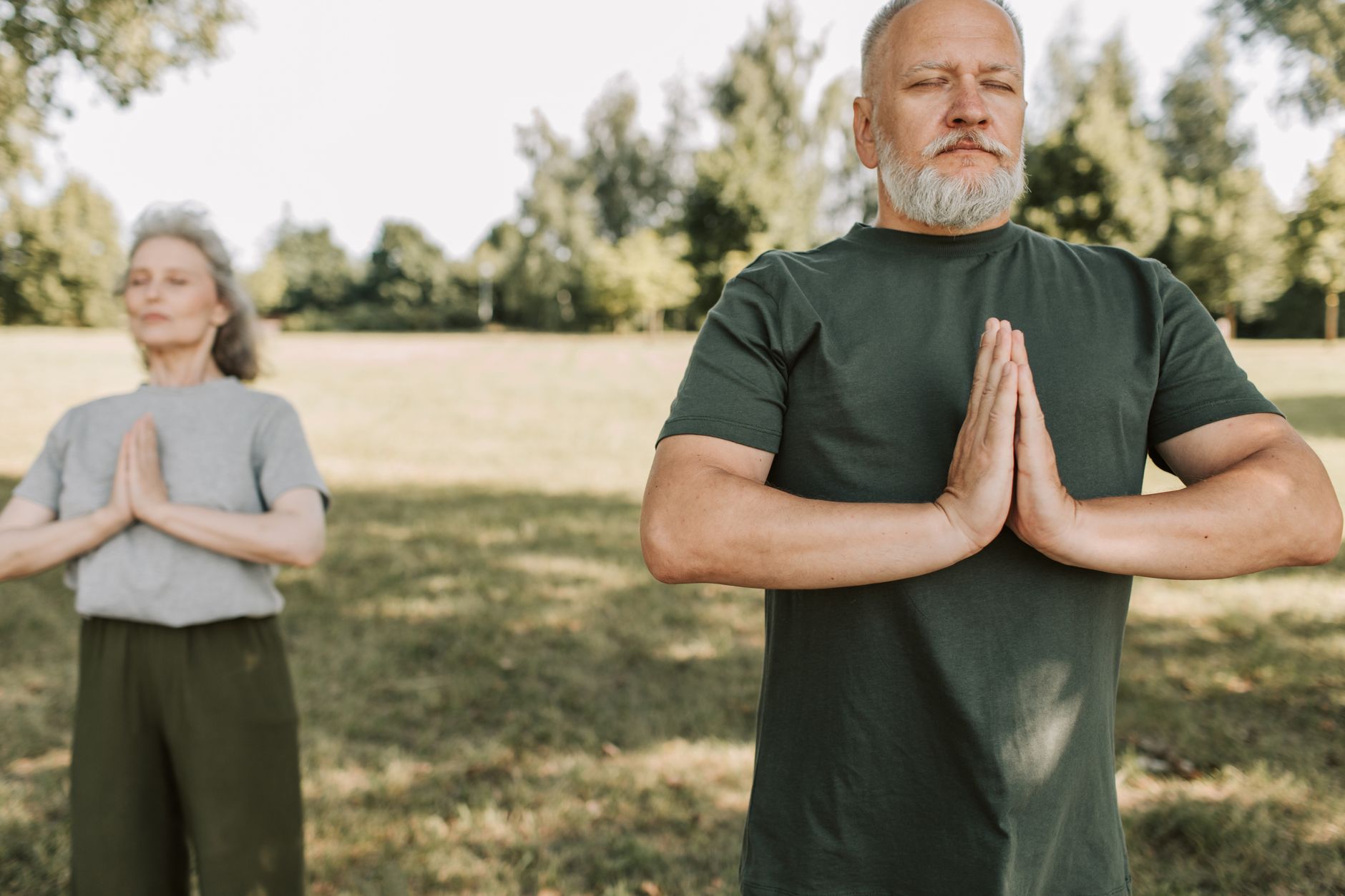
- Relaxation techniques such as gentle yoga, breathing exercises, or meditation
- Strong social support from family and friends
In Rajkot and across Gujarat, families often rally around loved ones during difficult times — that warmth and support is genuinely healing for the heart.
Can It Come Back?
Recurrence of takotsubo is possible, though not common. Studies suggest roughly 5–10% of people may experience a second episode, particularly if they go through another period of intense stress. This is why ongoing stress management and regular cardiac follow-up are important.
Key Takeaways:
- Broken heart syndrome (takotsubo cardiomyopathy) is a real, medically recognised condition — not just a metaphor
- It is triggered by sudden emotional or physical stress and causes temporary weakening of the heart
- Symptoms look very similar to a heart attack and need urgent medical attention
- It is most common in women over 50 but can affect anyone
- With proper care, the heart almost always recovers fully within weeks
- Emotional well-being is an essential part of heart health and recovery
- Recurrence is possible — regular follow-up with your cardiologist matters
When to See a Cardiologist
Any sudden chest pain or breathing difficulty — regardless of whether there is an obvious emotional trigger — must be evaluated by a medical professional without delay. Do not wait to see whether it "passes."
If you have recently experienced a major emotional shock and feel unexplained heart-related symptoms, please do not dismiss them. Early diagnosis protects you.
This article is intended for general patient education and does not constitute individual medical advice. If you have concerns about your heart health, we warmly encourage you to book a consultation with a qualified cardiologist. Dr. Nikhila Pachani's clinic in Rajkot is here to help you understand your heart and take care of it — with clarity, compassion, and evidence-based care.
Frequently asked questions
- Is broken heart syndrome the same as a heart attack?
- No. Although the symptoms are very similar, broken heart syndrome (takotsubo cardiomyopathy) is different from a classic heart attack. In a heart attack, a coronary artery is blocked, cutting off blood supply to part of the heart muscle. In takotsubo, the arteries are typically clear — instead, a surge of stress hormones temporarily stuns and weakens the left ventricle. Both conditions are medical emergencies and need urgent evaluation.
- Can broken heart syndrome be fatal?
- Serious complications are uncommon, but takotsubo is not without risk — particularly in the acute phase. Heart rhythm problems, heart failure, or shock can occasionally occur and must be managed in a hospital setting. However, with prompt medical care, the vast majority of patients recover fully, and the heart function returns to normal within weeks.
- Who is most likely to get takotsubo cardiomyopathy?
- Post-menopausal women over the age of 50 account for the majority of cases, though it can affect people of any age or gender. People with a history of anxiety, depression, or recent significant emotional stress are at higher risk. Physical stressors such as surgery, severe illness, or acute pain can also trigger the condition.
- How long does it take to recover from broken heart syndrome?
- Most people recover fully within four to eight weeks. The characteristic ballooning of the heart's left ventricle typically resolves on its own with appropriate medical support and rest. A follow-up echocardiogram (heart ultrasound) is usually done to confirm that the heart has returned to normal. Your cardiologist will also advise on stress management to reduce the chance of a recurrence.