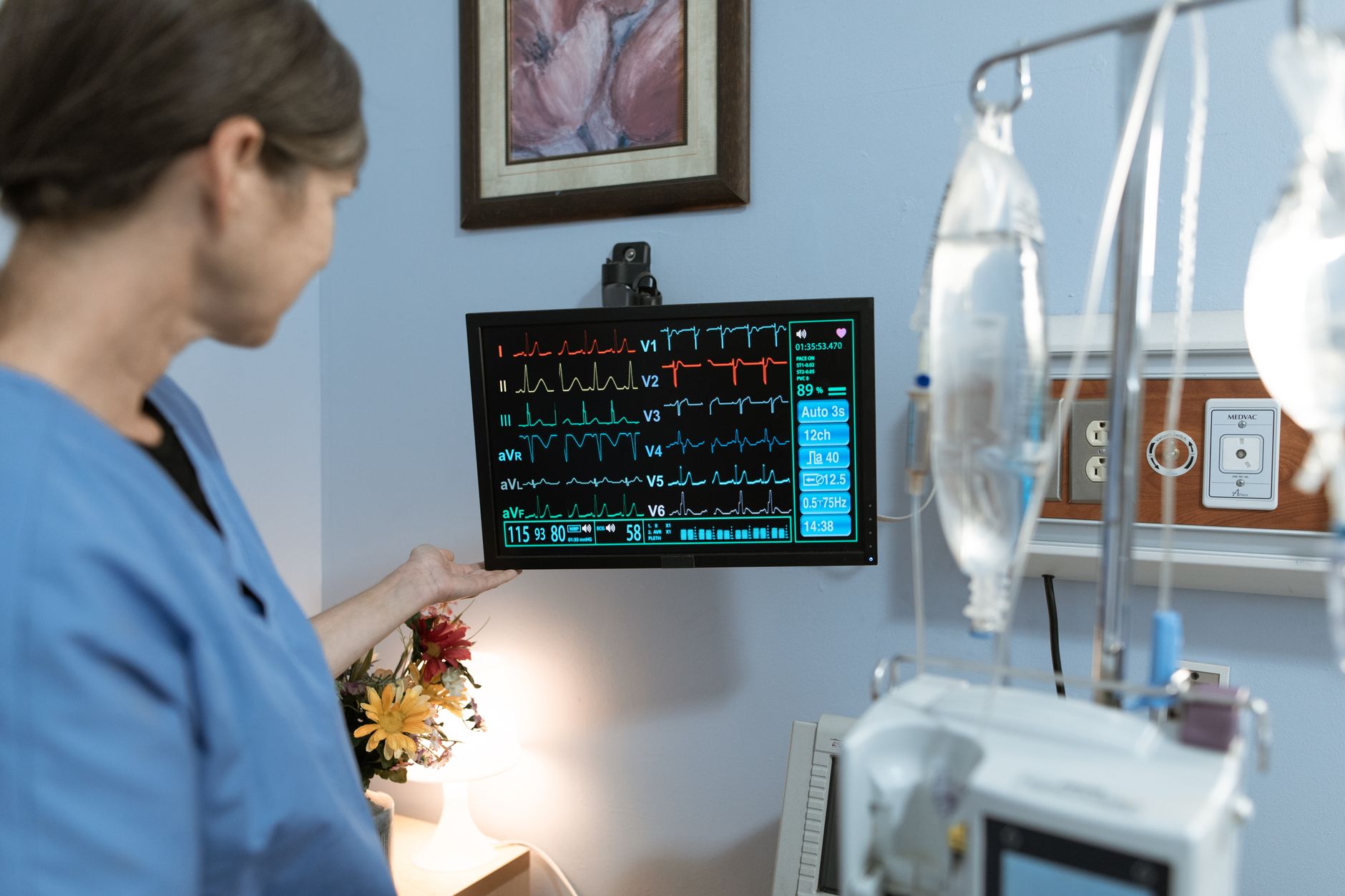
What Is Brugada Syndrome?
Imagine a young person — fit, active, with no known health problems — who suddenly collapses without warning. In some of these heartbreaking cases, the cause turns out to be a condition called Brugada syndrome: a rare but serious inherited disorder of the heart's electrical system.
Brugada syndrome does not damage the heart muscle itself. Instead, it affects the electrical signals that control the heartbeat. In certain situations, these signals can go dangerously haywire, causing a life-threatening irregular heartbeat (arrhythmia) called ventricular fibrillation — and, if not treated immediately, sudden cardiac arrest.
The condition was first described in 1992 by brothers Dr. Pedro and Dr. Josep Brugada, and it is now recognised worldwide as an important cause of sudden cardiac death in people who otherwise appear completely healthy. Awareness is growing in India too, including right here in Rajkot, where cardiologists are increasingly identifying families at risk through careful screening.
Who Gets Brugada Syndrome?
Brugada syndrome is inherited, meaning it is passed down through families. It is caused mainly by changes (mutations) in a gene called SCN5A, which controls sodium channels in the heart. These channels act like tiny gates that manage the flow of electrical signals.
Key facts about who is affected:
- It affects roughly 1 in 2,000 people globally, though the true number may be higher because many cases go undetected.
- It is up to 8–10 times more common in men than in women, though women can carry and pass on the gene.
- Symptoms most often appear in adulthood, typically between ages 30 and 50 — though children can occasionally be affected.
- It is more prevalent in Southeast Asian populations, which includes people of South Asian heritage.
- A family history of unexplained sudden death, especially in young or middle-aged relatives, is a major warning sign.
If a parent carries the Brugada gene variant, each child has a 50% chance of inheriting it. This is why family screening is so important once a case is identified.

Brugada Syndrome Symptoms and Diagnosis: What to Watch For
This is where Brugada syndrome becomes tricky — and why Brugada syndrome symptoms and diagnosis require specialist expertise. Many people with the condition have no symptoms at all for most of their lives. Others may experience warning signs, especially at night or during a fever.
Common Symptoms
- Fainting (syncope) — particularly if it happens without a clear reason, such as during rest or sleep
- Palpitations — a fluttering or racing sensation in the chest
- Seizure-like episodes — sometimes mistaken for epilepsy
- Nocturnal agonal breathing — gasping or laboured breathing during sleep noticed by a bed partner
- Sudden cardiac arrest — in the most severe cases, this may be the very first sign
It is important to note that many of these symptoms can have other, far less serious causes. Experiencing them does not automatically mean Brugada syndrome — but they do deserve a careful cardiac evaluation.
What Triggers Episodes?
Certain situations can increase the risk of a dangerous episode in someone with Brugada syndrome:
- High fever — one of the most common triggers; fever can unmask or worsen the abnormal electrical pattern
- Certain medications — including some antiarrhythmic drugs, antidepressants, and anaesthetic agents
- Heavy alcohol consumption
- Large meals
- Rest or sleep — the vagal (relaxation) state at night raises risk
How Is Brugada Syndrome Diagnosed?
Diagnosis relies on a combination of clinical history, family history, and specialised tests. Here is how a cardiologist typically approaches it:
1. The ECG — The Key Test
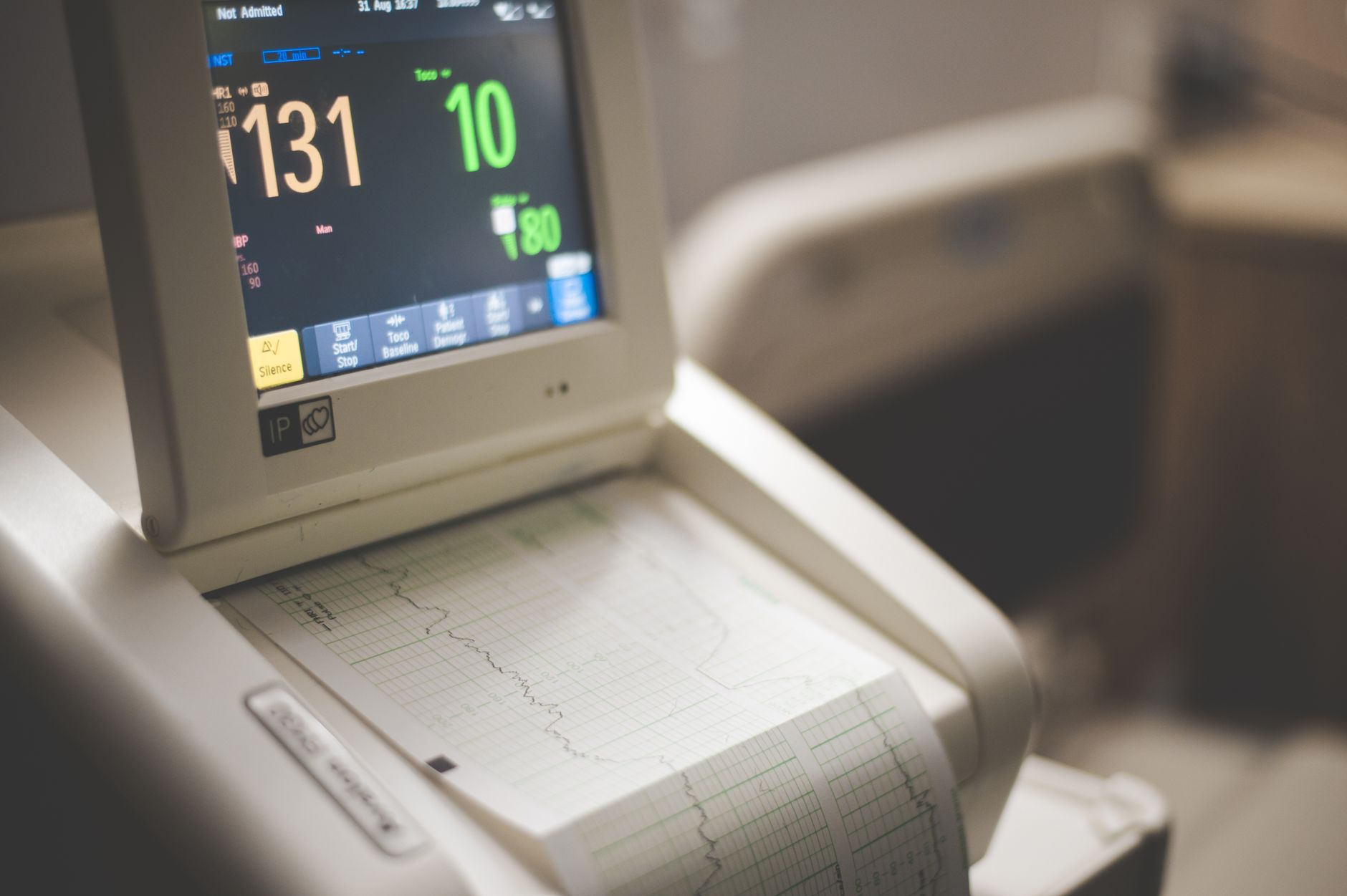
The cornerstone of Brugada syndrome diagnosis is the electrocardiogram (ECG). The condition produces a very characteristic pattern — called a "Type 1 Brugada pattern" — in the right-sided chest leads (V1–V2) of the ECG. This pattern looks like a distinctive "coved" (dome-shaped) elevation of the ST segment.
However, this pattern can come and go. It may be present one day and absent the next — which is why a single normal ECG does not rule out the condition.
2. Sodium-Channel Blocker Provocation Test
If the resting ECG does not show the pattern but suspicion remains high, a cardiologist may recommend a drug challenge test. A medication that blocks sodium channels (such as ajmaline or flecainide) is given under close medical supervision. In someone with Brugada syndrome, this can bring out the hidden ECG pattern safely in a controlled setting.
3. Genetic Testing
A blood test to look for mutations in the SCN5A gene and related genes can confirm a genetic cause. However, genetic testing is not 100% sensitive — roughly 20–30% of people with Brugada syndrome do not have an identifiable mutation with current testing. A negative result does not exclude the diagnosis.
4. Family Screening
Once one family member is diagnosed, first-degree relatives (parents, siblings, children) should be offered ECG screening and a cardiology consultation. This is a potentially life-saving step that is sometimes overlooked.
Illustrative Example
To make this real: consider a 38-year-old man who visits a cardiologist after fainting once while sleeping. His health is otherwise excellent — no blood pressure issues, no diabetes, no prior heart problems. A routine ECG shows a subtle abnormality in the right chest leads. After a provocation test and a review of family history (an uncle who died suddenly at 42), a diagnosis of Brugada syndrome is confirmed. His siblings are then screened, and one is found to carry the same pattern. Early detection in this scenario can be genuinely life-changing.
Living With Brugada Syndrome: Management Options
There is currently no tablet or medication that "treats" Brugada syndrome in the conventional sense — but the condition can be managed effectively, and many people with it live full, active lives with appropriate precautions.
Key Management Strategies
- Implantable Cardioverter-Defibrillator (ICD): For people at higher risk — particularly those who have already had a cardiac arrest or dangerous arrhythmia — an ICD is the most reliable way to prevent sudden cardiac death. This small device is implanted under the skin and can detect and correct a dangerous rhythm automatically.
- Fever management: Treating fever promptly with paracetamol (as advised by a doctor) is very important, as fever is a key trigger.
- Medication review: Patients must inform every doctor and dentist about their condition, as some common drugs are known to worsen Brugada syndrome. A list of drugs to avoid is maintained at brugadadrugs.org and should be reviewed with a specialist.
- Lifestyle awareness: Avoiding excessive alcohol, staying well hydrated, and not ignoring new symptoms are all practical steps.
- Quinidine: In some patients, this medication may reduce the frequency of arrhythmias and is sometimes used alongside an ICD.

What About Sports and Exercise?
Many patients ask whether they can exercise. For most low-to-moderate risk individuals with Brugada syndrome, light-to-moderate physical activity is generally acceptable — but intense competitive sports should be discussed carefully with a cardiologist who knows the full picture of your case.
The Importance of Family History in Rajkot and Across Gujarat
In closely knit communities across Gujarat and Saurashtra, family medical histories are often well known — a real advantage when it comes to conditions like Brugada syndrome. If your family has a history of unexplained sudden deaths, young relatives who "died in their sleep," or anyone diagnosed with an unexplained heart rhythm problem, please bring this up at your next cardiology visit. A single ECG and a conversation could make a profound difference.
Key Takeaways
- Brugada syndrome is a rare inherited heart electrical disorder that can cause sudden cardiac arrest in people who appear perfectly healthy.
- It most commonly affects men between 30–50 years, and is more prevalent in people of South and Southeast Asian heritage.
- The hallmark of Brugada syndrome symptoms and diagnosis is a distinctive ECG pattern — but it can be intermittent and may need a specialist provocation test to reveal.
- Fever, certain medications, and alcohol are important triggers that can be managed with awareness.
- An ICD (implantable defibrillator) is the primary protective treatment for high-risk individuals.
- Family screening is essential — diagnosis in one person can save the lives of relatives.
- Many people with Brugada syndrome live full, healthy lives with proper monitoring and precautions.
If you have a personal or family history of unexplained fainting, palpitations, or sudden cardiac events, please do not wait. Reach out to a qualified interventional cardiologist to discuss your concerns and arrange an appropriate evaluation — early awareness is always your strongest ally.
Frequently asked questions
- Can Brugada syndrome be completely cured?
- There is currently no medication that eliminates Brugada syndrome, as it is a genetic condition. However, it can be very effectively managed. High-risk individuals can be protected with an implantable cardioverter-defibrillator (ICD), and all patients benefit from trigger avoidance — such as prompt fever management and avoiding certain medications. Many people with Brugada syndrome live full, active lives with the right specialist care.
- My ECG was normal — does that rule out Brugada syndrome?
- Not necessarily. One of the challenges of Brugada syndrome is that its characteristic ECG pattern can be intermittent — present one day and absent the next. If your doctor has a strong suspicion based on your symptoms or family history, they may recommend a sodium-channel blocker provocation test to bring out the hidden pattern safely under supervised conditions.
- Who in my family should be tested if I am diagnosed with Brugada syndrome?
- First-degree relatives — meaning your parents, brothers, sisters, and children — should all be offered ECG screening and a cardiology evaluation. Since the condition follows an autosomal dominant inheritance pattern, each first-degree relative has approximately a 50% chance of carrying the same genetic variant. Early detection in relatives can be genuinely life-saving.
- Are there any everyday precautions someone with Brugada syndrome should take?
- Yes. Key precautions include treating any fever promptly with paracetamol (as directed by your doctor), avoiding excessive alcohol, staying well hydrated, and always informing every healthcare provider — including dentists and anaesthetists — about your diagnosis. A regularly updated list of medications known to worsen Brugada syndrome is available at brugadadrugs.org and should be reviewed with your cardiologist.