
Going to the dentist can feel routine for most people — but if you have a heart condition, you might find yourself wondering: Is this safe for me? Should I mention my heart medications? What if the anaesthesia affects my heart?
These are very valid questions. The reassuring answer is that dental treatment is generally safe for heart patients, provided your dentist and cardiologist are both informed and work together. A little preparation and open communication can make your dental visit smooth and worry-free.
This article explains what heart patients need to know before sitting in the dentist's chair — including what to share, what medications matter, and when to be extra cautious.
Why Heart Patients Need to Be Extra Careful at the Dentist
Your heart and your mouth are more connected than you might think. Certain dental procedures — particularly those involving the gums or teeth roots — can briefly allow bacteria from the mouth to enter the bloodstream. In healthy people, this is rarely a problem. But in patients with specific heart conditions, these bacteria can sometimes settle on damaged or artificial heart valves, leading to a serious infection called infective endocarditis.
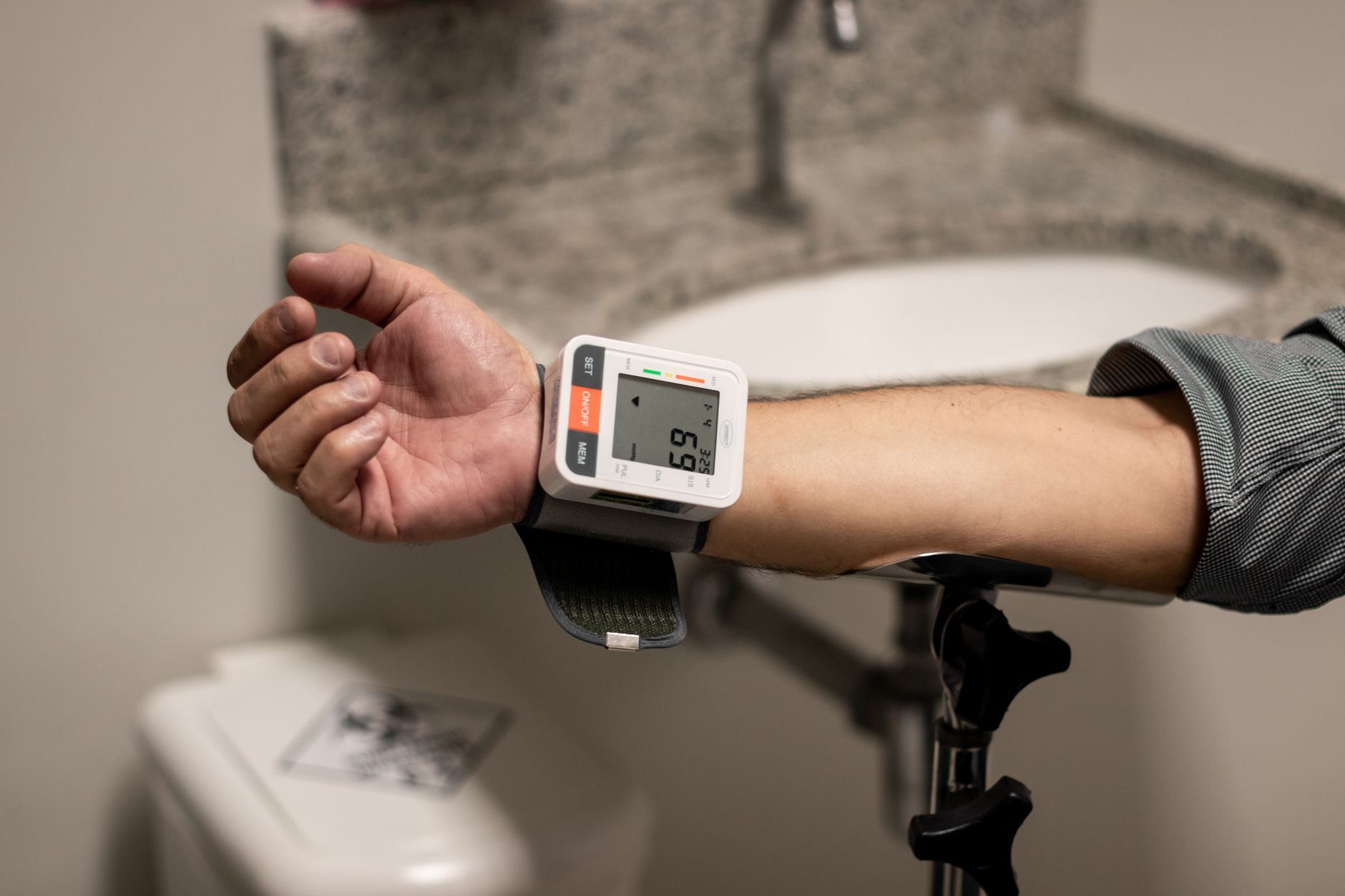
Additionally, the stress of a dental procedure (even mild anxiety) can temporarily raise blood pressure and heart rate. And some local anaesthetics used by dentists contain a substance called epinephrine (adrenaline), which helps the numbing agent work longer — but can also affect the heart in certain patients.
None of this means you should avoid the dentist. In fact, poor oral health is itself a risk factor for heart disease. The goal is simply to be prepared.

The Most Important Step: Tell Your Dentist Everything
Before any dental procedure, have an honest conversation with your dentist. Do not assume they have access to your medical records. In India, dental clinics and cardiology practices rarely share electronic records, so you are the bridge between your two doctors.
Share Your Complete Heart History
Let your dentist know if you have or have had any of the following:
- Coronary artery disease (CAD) or a history of heart attack
- Heart failure or a weakened heart muscle
- Valvular heart disease (narrowed or leaking valves)
- Congenital heart disease (heart problems present since birth)
- An artificial (prosthetic) heart valve
- A pacemaker or implantable defibrillator (ICD)
- A history of infective endocarditis
- Arrhythmias (irregular heartbeat conditions like atrial fibrillation)
- A recent stent placement or bypass surgery (within the last 6–12 months)
Each of these conditions may require specific precautions — and your dentist simply cannot take those precautions if they don't know.
Tell Your Dentist About Every Medication You Take
This is equally important. Many heart medications interact with dental anaesthetics or affect bleeding during procedures. Carry a written list of all your medicines to every dental appointment.
Key Medications to Mention
-
Blood thinners (anticoagulants): Medicines like warfarin, rivaroxaban, apixaban, or dabigatran reduce your blood's ability to clot. Even simple tooth extractions can cause prolonged bleeding in patients on these medicines. Your dentist may need to coordinate with your cardiologist about whether to adjust the dose — never stop a blood thinner on your own without medical advice.
-
Antiplatelets: Aspirin and clopidogrel (Ecosprin, Clopivas) are commonly prescribed after stenting or bypass surgery. Similar bleeding precautions apply.
-
Beta-blockers: Medicines like metoprolol or atenolol slow your heart rate. Combined with certain dental anaesthetics containing epinephrine, they can occasionally cause a brief spike in blood pressure.
-
Calcium channel blockers: Drugs like amlodipine can sometimes cause gum overgrowth (a condition called gingival hyperplasia), which your dentist should be aware of.
-
Diuretics: These can cause dry mouth, which increases the risk of dental decay over time.
Understanding Dental Anaesthesia: Is It Safe for Your Heart?
Local anaesthesia is what dentists use to numb a specific area. The most common agent is lidocaine, which is generally very well tolerated by heart patients.
The part that sometimes raises concern is epinephrine, which is often added to the anaesthetic to make the numbness last longer and reduce bleeding at the site. In the small doses used in dental procedures, epinephrine is considered safe for most heart patients. However, your dentist should be cautious if you have:
- Uncontrolled high blood pressure
- A very recent heart attack (within 3–6 months)
- Severe or unstable arrhythmias
- Uncontrolled heart failure
In these situations, your dentist may choose an anaesthetic without epinephrine, or may prefer to wait until your heart condition is better controlled before proceeding with elective (non-urgent) dental work.
For patients with a pacemaker or ICD, electrosurgical devices (used for gum treatments) and ultrasonic scalers may sometimes interfere with device function — though modern devices are generally well-shielded. Always inform the dentist and follow guidance from your cardiologist.
A Note on Antibiotic Prophylaxis
In the past, many heart patients were given antibiotics before dental procedures to prevent infective endocarditis. Current international cardiology guidelines (including those from the European Society of Cardiology) have narrowed this recommendation. Today, antibiotic prophylaxis is recommended only for high-risk patients, such as those with:
- A prosthetic (artificial) heart valve
- A history of previous infective endocarditis
- Certain types of congenital heart disease
- A heart transplant with valve problems
If you fall into one of these groups, your cardiologist will advise you and may prescribe a single dose of antibiotic (usually amoxicillin) to be taken before the procedure. Do not self-medicate — and do not assume you need antibiotics just because you have a heart condition.
Practical Tips for a Safe Dental Visit
Here is a simple checklist to follow before your next dental appointment:
Key takeaways:
- ✅ Inform your dentist about your full cardiac history — don't leave anything out
- ✅ Bring a written list of all your medications, including doses
- ✅ Ask your cardiologist if any of your medicines need adjustment before a dental procedure
- ✅ Schedule dental appointments for morning hours, when stress hormones tend to be lower
- ✅ Make sure your blood pressure and heart condition are stable before elective procedures
- ✅ Let the dental team know if you feel chest discomfort, palpitations, or dizziness during the procedure — they can pause and check on you
- ✅ Do not skip your heart medications on the day of the dental visit unless specifically instructed by your cardiologist
- ✅ Routine dental check-ups (every 6 months) are recommended — good oral hygiene actively protects your heart

When to Postpone a Dental Procedure
Elective dental work (fillings, cleaning, cosmetic procedures) should ideally be postponed if:
- You have had a heart attack or stent placement in the last 3–6 months
- Your heart failure or arrhythmia is not yet under control
- Your blood pressure is very high on the day of the appointment
- You are in the middle of a change in cardiac medications
Emergency dental procedures (severe infection, uncontrolled pain) are a different matter — a dental infection left untreated can itself stress the heart. In such cases, your dentist and cardiologist should communicate and manage the situation together. In Rajkot and across Gujarat, patients increasingly benefit from this kind of coordinated care between dental clinics and cardiology specialists.
A Word of Reassurance
Living with a heart condition does not mean giving up on your dental health. Millions of cardiac patients across India — including many in Rajkot — undergo routine and even complex dental procedures safely every year. The key is preparation, communication, and having a team of healthcare providers who know your full picture.
Your teeth and your heart both deserve good care. With the right precautions in place, you don't have to choose between them.
If you have a heart condition and are unsure whether a dental procedure is safe for you right now, consider speaking with a qualified cardiologist before your appointment. You are welcome to book a consultation to review your cardiac status and receive personalised guidance.
Frequently asked questions
- Is dental anaesthesia safe for heart patients in India?
- Yes, for most heart patients, local dental anaesthesia (commonly lidocaine) is safe. The epinephrine sometimes added to anaesthetics is used in very small amounts and is generally well tolerated. However, patients with uncontrolled blood pressure, a very recent heart attack, or severe arrhythmias should inform their dentist, who may choose an anaesthetic without epinephrine or delay elective procedures until the heart condition is stable.
- Should heart patients stop blood thinners before going to the dentist?
- No — never stop blood thinners (like warfarin, apixaban, or rivaroxaban) or antiplatelets (like aspirin or clopidogrel) without consulting your cardiologist first. Stopping these medicines abruptly can increase the risk of clots or a heart attack. Your cardiologist and dentist can work together to manage any bleeding risk safely.
- Do all heart patients need antibiotics before dental treatment?
- No. Current cardiology guidelines recommend antibiotic prophylaxis only for high-risk patients — specifically those with prosthetic heart valves, a previous history of infective endocarditis, or certain congenital heart conditions. Your cardiologist will advise whether you need a prophylactic antibiotic dose before a dental procedure.
- Can a pacemaker be affected by dental equipment?
- Modern pacemakers and implantable defibrillators are well-shielded and rarely affected by standard dental equipment. However, certain devices like electrosurgical units used in gum treatments may occasionally interfere. Always inform your dentist that you have a pacemaker or ICD so they can take appropriate precautions and, if needed, consult your cardiologist before the procedure.