What Is the Glycaemic Index — and Why Should Your Heart Care?
Most of us know that eating too much sugar is "not good." But here is something many people do not realise: it is not just how much sugar you eat — it is also how fast it enters your bloodstream that matters for your heart.
That is exactly what the Glycaemic Index (GI) measures.
The Glycaemic Index is a number from 0 to 100 that tells you how quickly a carbohydrate-containing food raises your blood glucose (blood sugar) after you eat it. Pure glucose is given a score of 100 — the fastest possible rise. Foods are then ranked relative to that:
- Low GI (55 or below): slow, steady rise in blood sugar
- Medium GI (56–69): moderate rise
- High GI (70 and above): fast, sharp spike in blood sugar
Think of it like this: a low-GI food is like a slow, gentle tide coming in — your body handles it calmly. A high-GI food is like a sudden wave — your body has to work hard and fast to manage it. Over time, repeated waves take a toll on your heart and blood vessels.
The Blood Sugar–Heart Connection: Why Spikes Are Dangerous
When you eat a high-GI food — say, white bread, polished white rice, or a sugary drink — your blood sugar shoots up rapidly. In response, your pancreas releases a large burst of insulin to bring that sugar down. This cycle, repeated many times a day and over many years, quietly damages the heart and blood vessels in several ways:
1. Inflammation in Blood Vessel Walls
Repeated high blood sugar spikes trigger low-grade inflammation inside the arteries. This inflammation damages the inner lining of blood vessels (called the endothelium), making it easier for cholesterol to build up and form plaques — the very plaques that cause heart attacks and strokes.
2. Rise in Triglycerides
When excess sugar floods the bloodstream, the liver converts much of it into triglycerides — a type of fat in the blood. High triglycerides, especially alongside low HDL ("good") cholesterol, significantly raise cardiac risk.
3. Insulin Resistance Over Time
When the pancreas keeps releasing large bursts of insulin, the body's cells can gradually stop responding to it — a condition called insulin resistance. This is the first step toward Type 2 diabetes, which itself doubles the risk of heart disease.
4. High Blood Pressure
Chronically elevated insulin levels cause the kidneys to retain more sodium and the arteries to stiffen — both of which push blood pressure up. High blood pressure is one of the most common and serious risk factors for heart attacks.

The Indian Diet: A Special Conversation
In Gujarat and across India, carbohydrates form a large part of the daily diet. Foods like white rice, maida-based rotis, white bread, poha, and sugary chai are everyday staples. Many of these are high-GI foods — and when eaten in large portions and frequently, they can contribute to the blood sugar roller-coaster described above.
This does not mean you need to give up your favourite foods entirely. It means being aware of choices and portions, and making smart swaps where possible.
Here are some common foods and their approximate GI values to help you understand:
| Food | Approximate GI |
|---|---|
| White rice (polished) | 72–80 |
| Whole wheat roti | 54–62 |
| White bread | 70–75 |
| Brown rice | 50–55 |
| Moong dal | 38 |
| Rajma (kidney beans) | 29 |
| Banana (ripe) | 51 |
| Watermelon | 72 |
| Oats (rolled, plain) | 55 |
| Sugary soft drink | 59–65 |
Notice how dals and legumes — already a beloved part of Gujarati cooking — are naturally low-GI. That is great news.
Low-GI Eating for a Healthier Heart: Practical Tips
Shifting towards a lower-GI diet does not require a dramatic overhaul of your kitchen. Small, consistent changes make a real difference. Here are some evidence-aligned steps:
Choose Whole Grains Over Refined Grains
Switch white rice to brown rice or broken wheat (dalia). Use whole wheat flour instead of refined maida. These options have more fibre, which slows sugar absorption and keeps blood sugar steadier.
Add Protein and Healthy Fat to Every Meal
Combining carbohydrates with protein (curd, dal, eggs, paneer) or healthy fats (a small amount of ghee, a handful of nuts) significantly lowers the overall GI of the meal. Eating plain rice alone raises blood sugar faster than eating rice with dal and sabzi together.
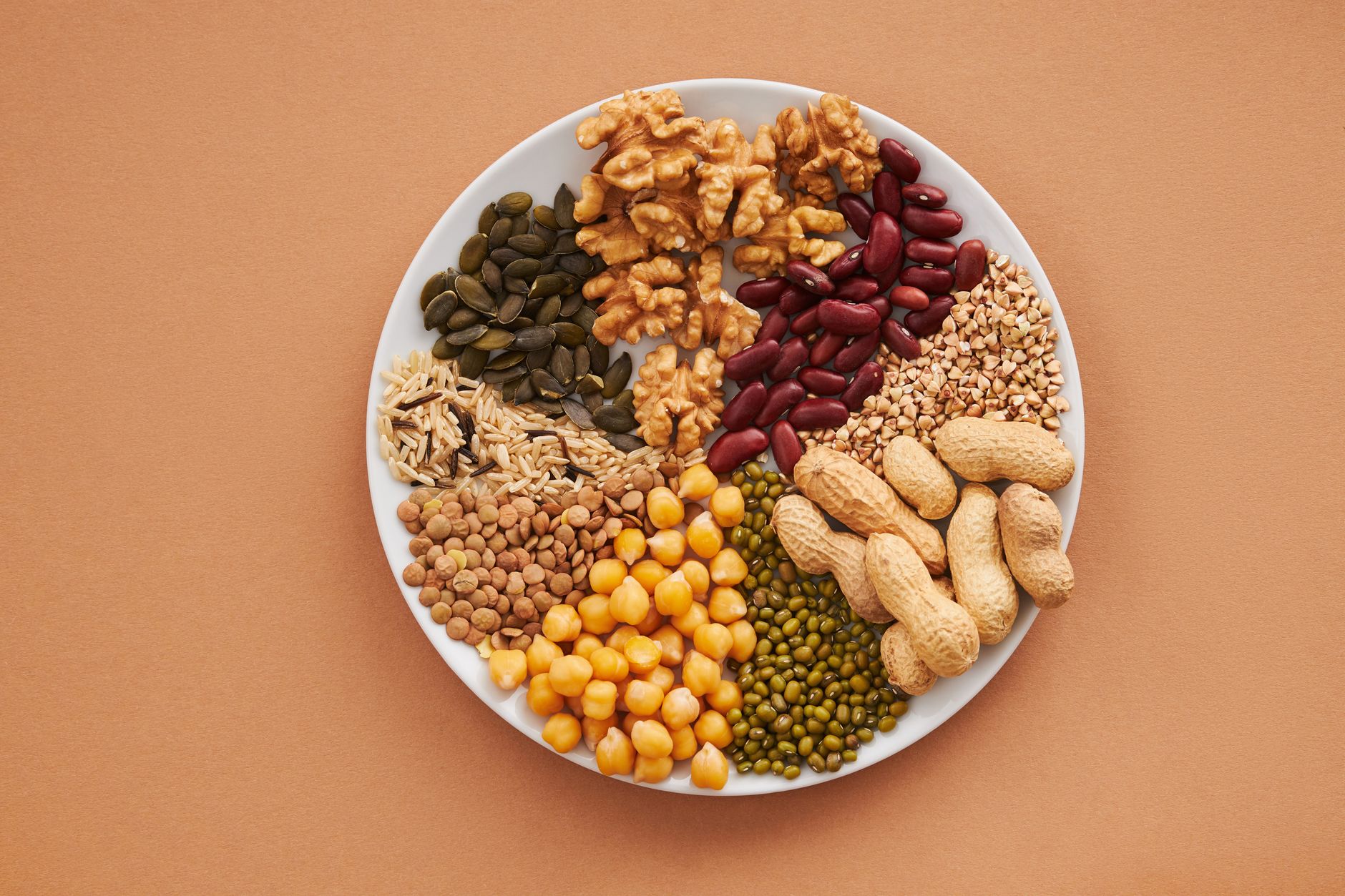
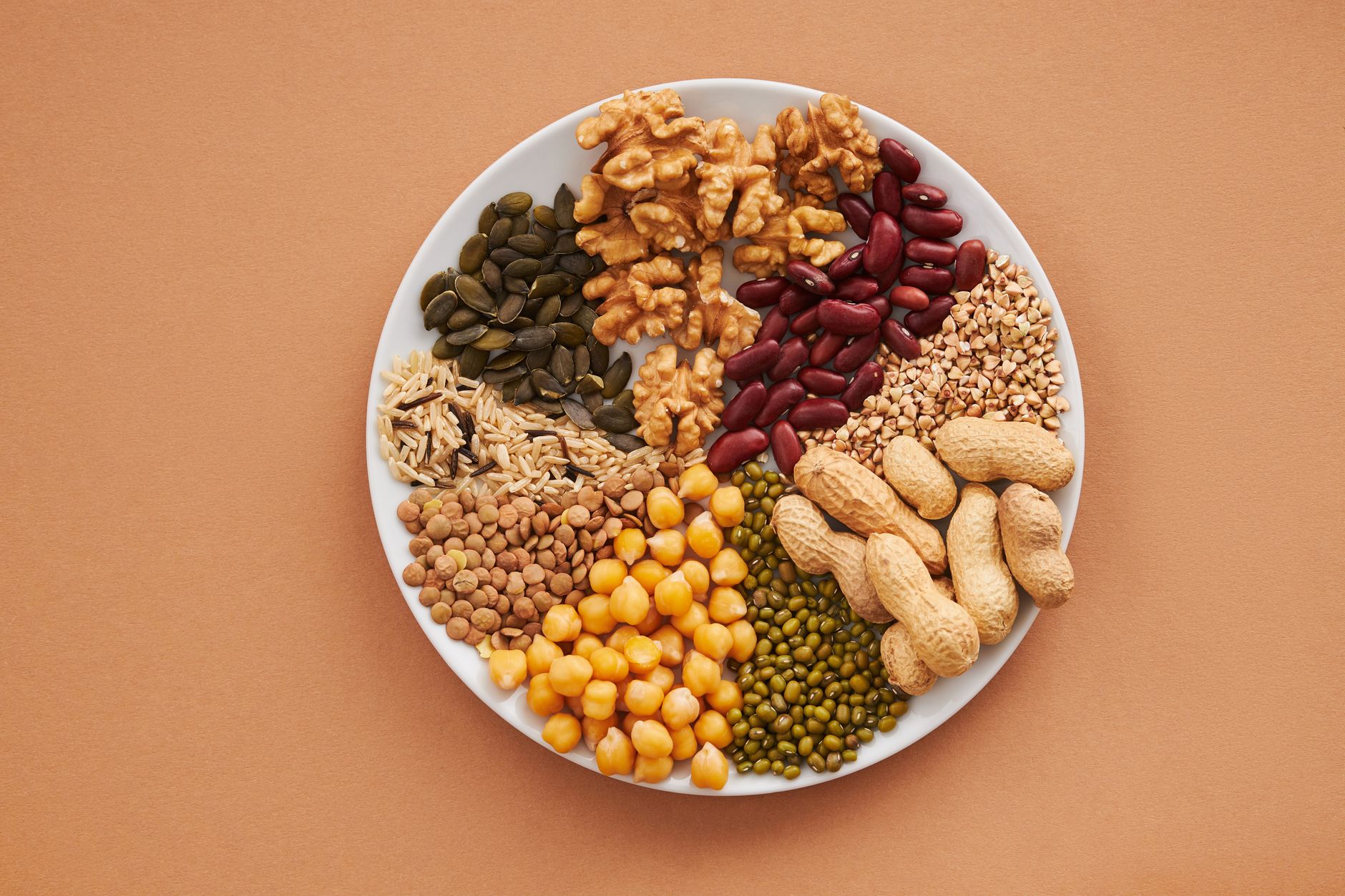
Make Friends with Legumes
Chana, rajma, moong, masoor, urad — all are low-GI and rich in fibre and protein. Including them in at least one meal a day is a heart-friendly habit.
Do Not Skip Vegetables
Non-starchy vegetables — lauki, tinda, bhindi, palak, methi, cauliflower — have very low GI values and are packed with nutrients that support heart health. Aim to fill half your plate with vegetables at lunch and dinner.
Watch Portions of Even "Healthy" Carbs
The Glycaemic Load (GL) — which considers both GI and portion size — matters just as much as GI alone. Eating a large amount of even a medium-GI food can still cause a significant blood sugar rise. Keep portion sizes of rice, roti, and bread moderate.
Limit Sugary Drinks and Ultra-Processed Snacks
Packaged biscuits, namkeen with refined flour, cold drinks, and sweetened juices cause rapid blood sugar spikes and provide little nutritional benefit. Water, buttermilk (chaas), or plain coconut water are far better choices.
Who Needs to Pay Closest Attention?
While a lower-GI diet benefits almost everyone, it is especially important if you:
- Have been diagnosed with Type 2 diabetes or pre-diabetes
- Have a family history of diabetes or heart disease
- Have high triglycerides or low HDL cholesterol
- Have been told you have metabolic syndrome
- Are overweight, especially around the abdomen
- Already have a history of a heart attack, angioplasty, or bypass surgery
For patients seen at cardiac clinics in Rajkot and across Gujarat, the combination of a carbohydrate-heavy traditional diet, sedentary work, and rising diabetes rates makes this conversation more relevant than ever.
Beyond Diet: The Bigger Picture
Diet is a powerful tool, but heart health is built from multiple habits working together:
- Regular physical activity: Even a 30-minute brisk walk most days improves insulin sensitivity and lowers cardiac risk significantly.
- Quality sleep: Poor sleep raises blood sugar and stress hormones — both harmful to the heart.
- Stress management: Chronic stress raises cortisol, which raises blood sugar. Practices like yoga, pranayama, and even regular social connection help.
- Regular health checks: Monitoring fasting blood sugar, HbA1c (3-month blood sugar average), lipid profile, and blood pressure gives you and your doctor an accurate picture.

Key Takeaways
- The Glycaemic Index (GI) measures how quickly a food raises blood sugar. High-GI foods cause sharp spikes; low-GI foods cause slow, steady rises.
- Repeated blood sugar spikes damage arteries, raise triglycerides, promote insulin resistance, and increase blood pressure — all major cardiac risk factors.
- Common Indian staples like white rice and maida-based foods are high-GI; dals, whole grains, and vegetables are much lower-GI and heart-friendlier.
- You don't need to abandon your food culture — smart swaps, balanced meals, and sensible portions can make a meaningful difference.
- Diet works best alongside regular exercise, good sleep, stress management, and regular health monitoring.
- People with diabetes, pre-diabetes, or existing heart disease should pay particular attention to their GI and glycaemic load intake.
Understanding how your food affects your blood sugar is one of the most empowering steps you can take for your heart health. If you have concerns about your blood sugar, cardiac risk, or diet, consider speaking with a qualified cardiologist or diabetologist — an individual assessment will always give you the most relevant guidance for your specific situation. To discuss your heart health with Dr. Nikhila Pachani's team in Rajkot, you are welcome to book a consultation.
Frequently asked questions
- What is the glycaemic index and how does it affect heart disease?
- The Glycaemic Index (GI) is a scale from 0–100 that ranks how quickly a food raises blood sugar. High-GI foods cause rapid blood sugar spikes, which over time trigger inflammation in arteries, raise triglycerides, promote insulin resistance, and increase blood pressure — all of which raise the risk of heart disease.
- Which common Indian foods are low on the glycaemic index?
- Many traditional Indian staples are naturally low-GI and heart-friendly. These include moong dal, rajma, chana, masoor dal, whole wheat roti, brown rice, oats, and most non-starchy vegetables like lauki, bhindi, and palak. Pairing carbohydrates with dal, curd, or vegetables also lowers the overall GI of a meal.
- Can switching to a low-GI diet reduce my risk of a heart attack?
- Eating a lower-GI diet consistently can help stabilise blood sugar, reduce triglycerides, improve insulin sensitivity, and support healthy blood pressure — all of which contribute to a lower cardiac risk over time. It works best as part of an overall heart-healthy lifestyle that includes regular physical activity and routine health check-ups. Always consult your cardiologist for personalised advice.
- I have diabetes — should I be extra careful about the glycaemic index?
- Yes. If you have Type 2 diabetes or pre-diabetes, managing your GI and portion sizes (glycaemic load) is especially important because your body already has difficulty regulating blood sugar. Since diabetes doubles the risk of heart disease, controlling blood sugar through diet, exercise, and medication (if prescribed) is a key part of protecting your heart. Speak to your cardiologist or diabetologist for a tailored plan.