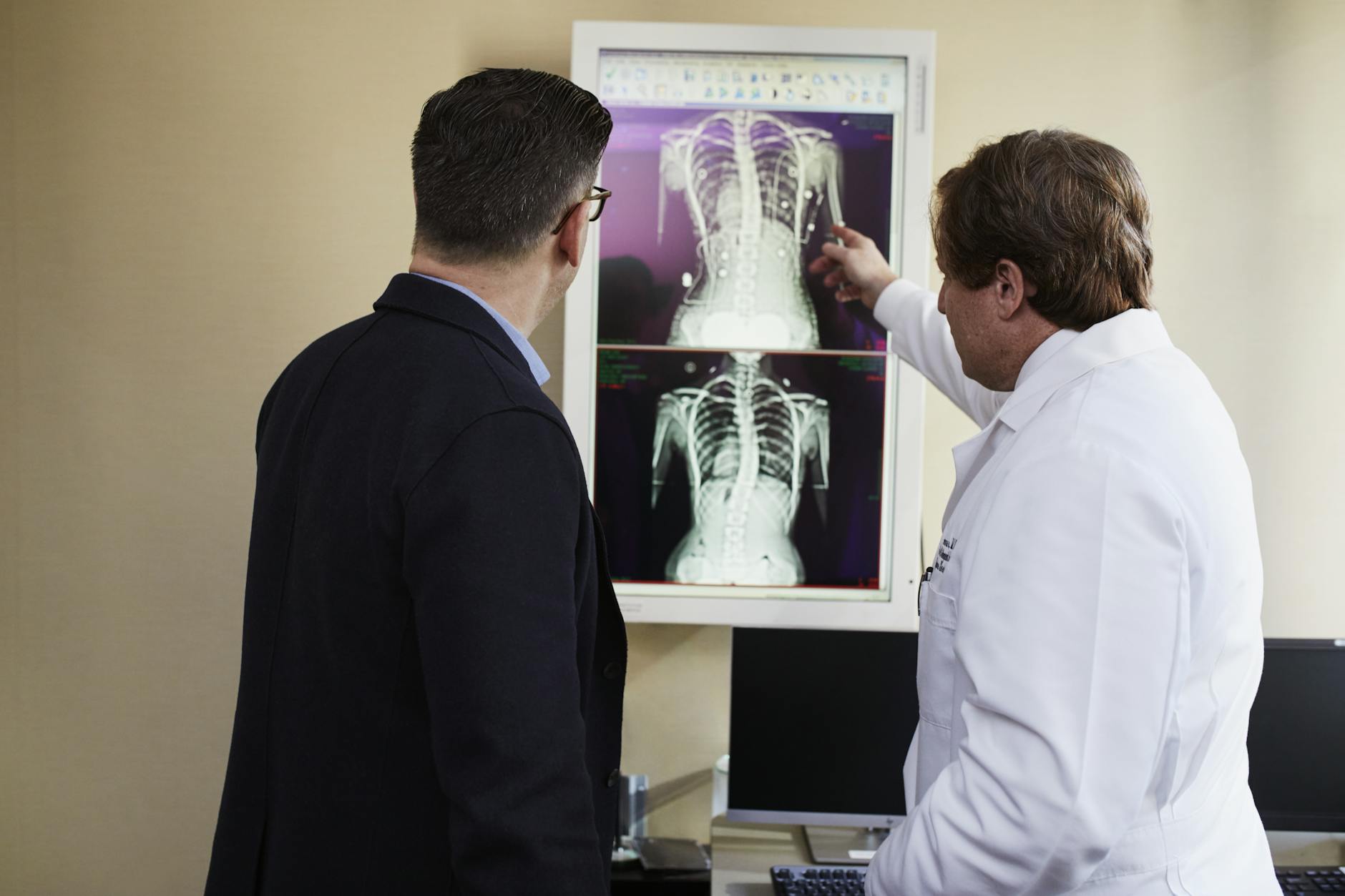
If you or a loved one has been told there is a blockage in the heart's arteries, the next question is almost always: "Do I need a bypass or an angioplasty?" It is a very reasonable question — and the answer depends on several personal factors that your cardiologist will carefully evaluate with you.
This article explains both procedures in plain language, walks through how doctors decide between them, and helps you feel confident going into that important conversation.
What Is Coronary Artery Disease (CAD)?
The heart muscle needs a steady supply of oxygen-rich blood. It gets that blood through the coronary arteries — a network of vessels that wrap around the outside of the heart. Over time, fatty deposits called plaque can build up inside these arteries, making them narrow. This narrowing is called a blockage or stenosis.
When a blockage reduces blood flow significantly, it can cause:
- Chest pain or pressure (angina), especially during activity
- Shortness of breath
- Fatigue
- In severe cases, a heart attack
The goal of both angioplasty and bypass surgery is the same: restore good blood flow to the heart muscle. They just achieve that goal in different ways.

Angioplasty (PCI): Opening the Artery from the Inside
Percutaneous Coronary Intervention (PCI), commonly called angioplasty, is a non-surgical, catheter-based procedure. Here is how it works:
- A thin, flexible tube called a catheter is inserted — usually through the wrist (radial artery) or the groin — and guided to the blocked coronary artery.
- A tiny balloon at the tip of the catheter is inflated to push the plaque against the artery wall and widen the passage.
- In most cases, a small mesh tube called a stent is placed to keep the artery open. Modern stents are often drug-eluting — they release a medication that helps prevent re-narrowing.
What the experience is like
Most patients are awake during PCI, under local anaesthesia and mild sedation. The procedure typically takes 30–90 minutes. Recovery is usually quick — many people go home the next day and return to light activities within a week.
A 55-year-old with a single significant blockage in one coronary artery, for example, might be an excellent candidate for angioplasty, with a good outcome and a short hospital stay.
Bypass Surgery (CABG): Building a New Route
Coronary Artery Bypass Grafting (CABG) — pronounced "cabbage" — is an open-heart surgical procedure. Rather than opening the blocked artery, surgeons create a detour around it using a healthy blood vessel (called a graft) taken from elsewhere in the body, such as the leg (saphenous vein) or the chest wall (internal mammary artery).
Here is the step-by-step idea:
- The surgeon harvests a suitable graft vessel.
- One end is connected above the blockage, the other end below it.
- Blood can now flow through this new "bypass" route, nourishing the heart muscle effectively.
A single procedure can create multiple bypasses simultaneously — this is why you may hear terms like "double bypass" or "triple bypass."
What the experience is like
CABG is performed under general anaesthesia and requires a stay in hospital, typically 5–7 days. Full recovery may take 6–12 weeks. It is a more involved procedure, but for the right patients it offers durable, long-lasting results.

Bypass vs Angioplasty: How Is the Choice Made?
This is the heart of the matter — and it is genuinely a nuanced decision. Your cardiologist and, in many cases, a heart team (cardiologist + cardiac surgeon) will review your specific anatomy and health profile together.
Here are the key factors that guide the decision:
1. Number and Location of Blockages
- Single-vessel or two-vessel disease with suitable anatomy → angioplasty is often a strong option.
- Three-vessel disease (blockages in all three major coronary arteries) or left main artery disease (the most critical artery) → bypass surgery is often preferred, as it can address all blockages in one operation and tends to provide more complete, sustained revascularisation.
2. The SYNTAX Score
Interventional cardiologists use a scoring system called the SYNTAX score to quantify how complex the coronary blockages are. A lower SYNTAX score generally favours angioplasty; a higher score tends to favour bypass surgery. This scoring is routinely used in centres like those in Rajkot and across India.
3. Diabetes
Patients with diabetes and multi-vessel coronary artery disease often derive greater long-term benefit from bypass surgery, according to landmark clinical trials. This is an important factor in a region like Gujarat, where diabetes prevalence is significant.
4. Heart Function
If the heart's pumping strength (measured as ejection fraction) is reduced, bypass surgery may offer better recovery of heart muscle function in some scenarios.
5. Overall Health and Surgical Risk
Some patients have other health conditions — lung disease, kidney disease, or previous surgeries — that make open-heart surgery higher risk. In those situations, angioplasty may be the safer path even if bypass might otherwise be preferred anatomically.
6. Patient Preference
After being fully informed, a patient's own preference matters. Some people strongly prefer a shorter recovery; others are willing to undergo a larger surgery for potentially longer-lasting results. An open conversation with your cardiologist is essential.
A Quick Side-by-Side Comparison
| Feature | Angioplasty (PCI) | Bypass Surgery (CABG) |
|---|---|---|
| Anaesthesia | Local + sedation | General |
| Incision | Small puncture (wrist/groin) | Chest incision |
| Hospital stay | 1–2 days | 5–7 days |
| Recovery time | Days to ~1 week | 6–12 weeks |
| Best suited for | 1–2 vessel disease, suitable anatomy | 3-vessel / left main disease, diabetes |
| Repeat procedures | Possible if re-narrowing occurs | Less common long-term |
This table is a general guide only. Your individual situation may differ.

What About Medications Alone?
It is worth knowing that for stable coronary artery disease, well-optimised medical therapy (aspirin, statins, blood pressure medication, lifestyle changes) can be highly effective and is sometimes the right first step. Not every blockage requires an immediate procedure. Your cardiologist will discuss whether you need a procedure now, or whether medications and lifestyle changes should be tried first.
Lifestyle: The Foundation for Both Procedures
Whether you have had angioplasty, bypass surgery, or are managing CAD with medications, lifestyle remains the cornerstone of long-term heart health:
- Quit smoking — the single most impactful change for heart health
- Heart-healthy eating — less saturated fat, more vegetables, fruits, and whole grains
- Regular moderate exercise — walking is a wonderful starting point
- Blood sugar and blood pressure control — especially important in Gujarat's population profile
- Stress management — chronic stress genuinely affects the heart
Key Takeaways
- Both angioplasty and bypass surgery restore blood flow to the heart — they simply take different approaches.
- Angioplasty (PCI) is non-surgical, uses a catheter and stent, and has a faster recovery.
- Bypass surgery (CABG) reroutes blood around blockages using a graft vessel, and suits more complex disease.
- The choice depends on the number and location of blockages, diabetes status, heart function, overall health, and patient preference.
- A heart team discussion — involving both an interventional cardiologist and a cardiac surgeon — ensures you receive the most balanced recommendation.
- Medications and lifestyle changes are essential regardless of which procedure is chosen.
If you have been advised that you may need one of these procedures, speaking with a qualified interventional cardiologist is the most important next step. Dr. Nikhila Pachani's clinic in Rajkot offers comprehensive consultations to help you understand your options and make an informed decision that is right for you. Book a consultation today.
Frequently asked questions
- What is the main difference between bypass surgery and angioplasty?
- Angioplasty (PCI) opens a blocked artery from the inside using a balloon and stent, without open-heart surgery. Bypass surgery (CABG) creates a new route around the blockage using a graft vessel taken from elsewhere in the body. Both restore blood flow to the heart, but they suit different types and complexities of coronary artery disease.
- How do doctors decide whether to recommend bypass or angioplasty?
- The decision depends on several factors: the number and location of blockages, a complexity score called the SYNTAX score, whether the patient has diabetes, the heart's pumping strength (ejection fraction), the patient's overall health and surgical risk, and the patient's own informed preference. A heart team — cardiologist and cardiac surgeon together — typically reviews these factors.
- Is angioplasty safer than bypass surgery?
- Angioplasty involves a smaller procedure with faster recovery, but 'safer' depends on the individual. For complex, multi-vessel disease, bypass surgery may actually provide better long-term outcomes despite being a larger operation. Your cardiologist will weigh the risks and benefits specific to your health profile.
- Do I still need medication after angioplasty or bypass surgery?
- Yes. Medications such as antiplatelet drugs, statins, and blood pressure tablets remain essential after both procedures to protect the arteries long term. Lifestyle changes — healthy diet, regular exercise, not smoking, and controlling blood sugar — are equally important for lasting heart health.