When Your Heart Skips a Beat — and Not in a Good Way
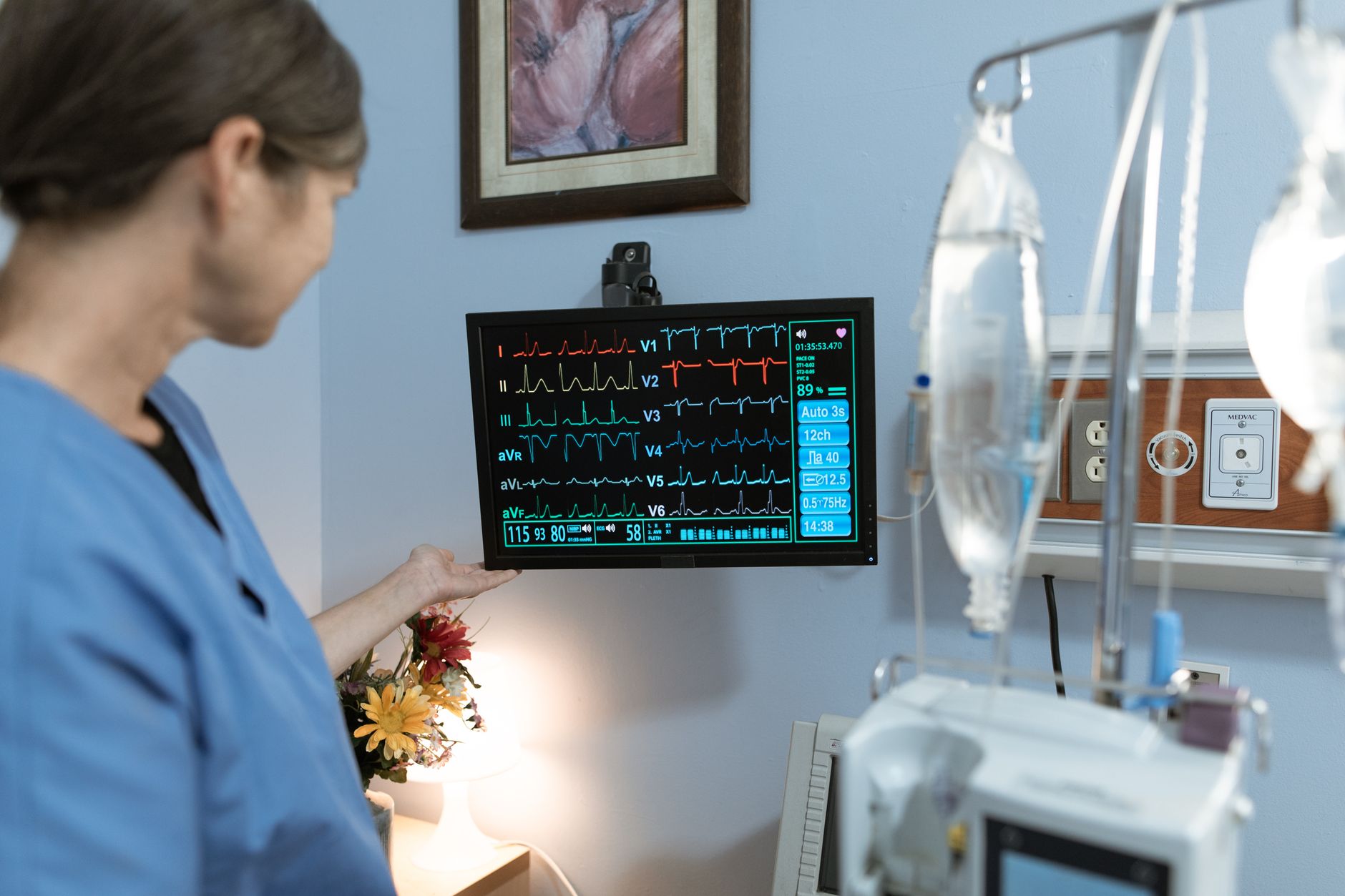
Most of us have felt our heart flutter briefly after too much chai or a stressful moment. But for some people, an irregular heartbeat — called an arrhythmia — is a daily reality that affects energy levels, quality of life, and in some cases, long-term heart health.
The good news is that modern cardiology offers highly effective ways to address arrhythmias. One of the most important is the cardiac ablation procedure for irregular heartbeat. If your doctor has mentioned ablation, or if you are simply curious about what it involves, this article will walk you through everything in plain language.
What Is an Arrhythmia?
The heart beats because of electrical signals that travel through it in an organised, rhythmic pattern. When those signals go off-course — firing too fast, too slow, or in the wrong sequence — the result is an arrhythmia.
Common types include:
- Atrial fibrillation (AF or AFib): Rapid, chaotic electrical activity in the upper chambers of the heart. This is one of the most frequently treated arrhythmias worldwide.
- Supraventricular tachycardia (SVT): Sudden episodes of very fast heartbeat originating above the lower chambers.
- Ventricular tachycardia (VT): A fast rhythm in the lower chambers that can sometimes be serious.
- Atrial flutter: Similar to AF but with a more regular, fast rhythm.
Symptoms can include palpitations, dizziness, shortness of breath, chest discomfort, or unusual tiredness. Some people in Rajkot and across Gujarat live with mild symptoms for years before seeking evaluation — but early assessment by a cardiologist is always worthwhile.
What Is Cardiac Ablation?
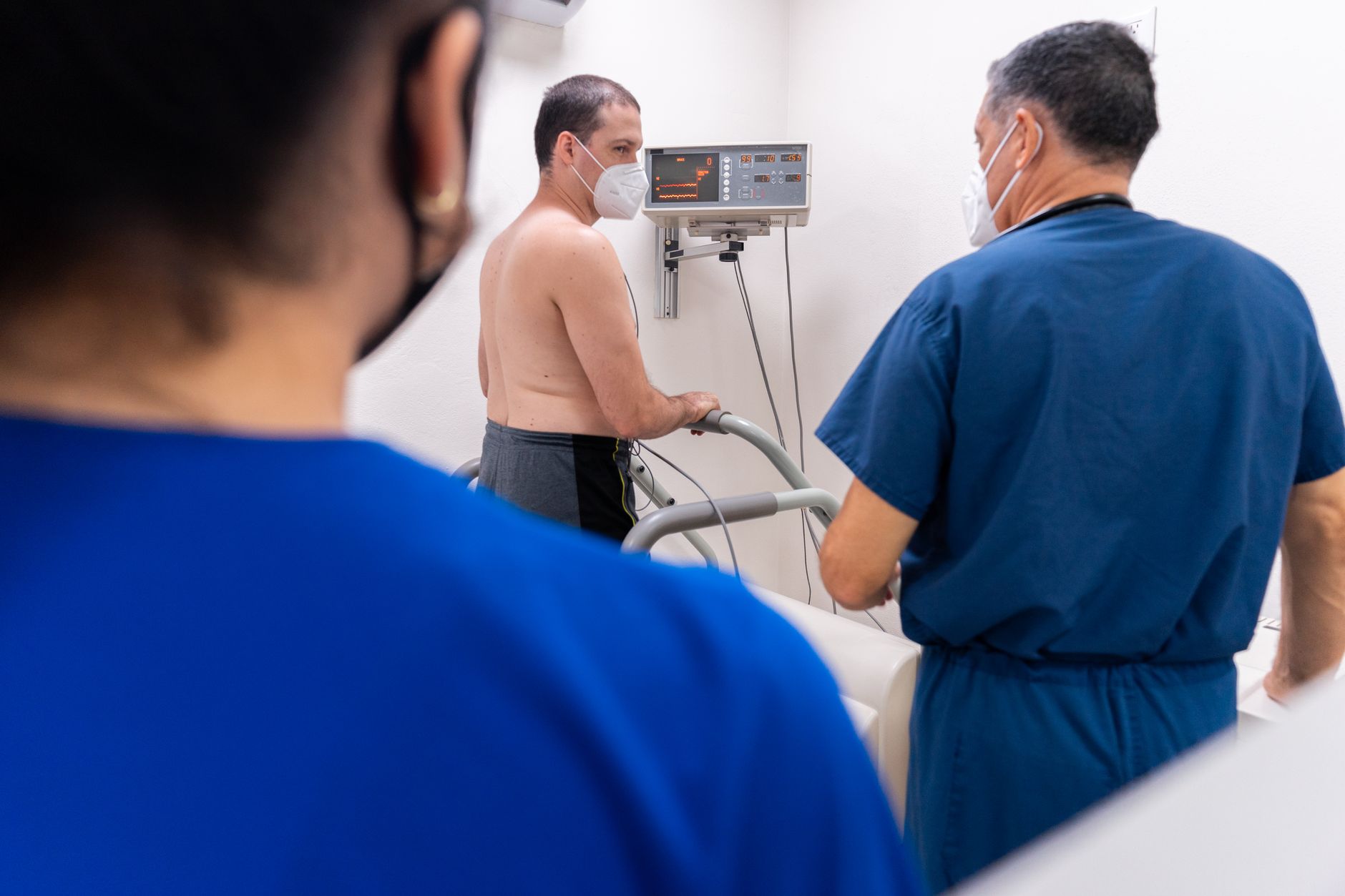
Cardiac ablation is a minimally invasive procedure that targets and eliminates the small areas of heart tissue responsible for producing abnormal electrical signals. By doing so, it disrupts the faulty "short circuit" and restores a normal, healthy rhythm.
The term ablation simply means destroying or removing tissue in a very controlled way. In cardiology, this is done using one of two main energy sources:
- Radiofrequency (RF) ablation: Uses heat energy delivered through a catheter tip to create tiny scars in the problem tissue, blocking the abnormal signals.
- Cryoablation: Uses extreme cold instead of heat to achieve the same effect — freezing and neutralising the tissue.
Both approaches are safe and well-established. Your cardiologist will choose the most appropriate method based on the type and location of your arrhythmia.
How Does the Cardiac Ablation Procedure Work?
Understanding the steps can help ease any anxiety you may feel. Here is a straightforward walkthrough.
Step 1 – Preparation
Before the procedure, you will have a thorough evaluation including an ECG, echocardiogram, blood tests, and sometimes a specialised heart-mapping study. You may be asked to stop or adjust certain medications — particularly blood thinners or antiarrhythmic drugs — for a short period beforehand. You will also need to fast for several hours.
Step 2 – Accessing the Heart
In the procedure room (electrophysiology lab), you will be made comfortable with sedation or, in some cases, general anaesthesia. The cardiologist makes a small puncture — usually in the groin area — and inserts thin, flexible tubes called catheters into a blood vessel. These catheters are guided carefully up to the heart using real-time X-ray imaging called fluoroscopy.
No large cuts or open surgery are involved.
Step 3 – Mapping the Heart's Electrical System
Once the catheters are in position inside the heart, the cardiologist uses them to "map" the electrical activity — essentially creating a detailed picture of where the abnormal signals are coming from. Advanced 3D mapping systems help make this process highly accurate.
Think of it like a GPS for the heart's electrical pathways.
Step 4 – Delivering the Ablation
Once the problem area is precisely identified, energy (heat or cold) is delivered through the catheter tip to that specific spot. The tissue in that tiny area forms a small scar, which no longer conducts abnormal electrical impulses. Surrounding healthy tissue remains unaffected.
Depending on the type and complexity of arrhythmia, the procedure may take anywhere from one to four hours.
Step 5 – Recovery and Monitoring
After the procedure, you are moved to a recovery area where your heart rhythm, blood pressure, and the catheter insertion site are monitored closely — typically for several hours. Most patients stay in hospital overnight and go home the next day.
Who Is a Candidate for Cardiac Ablation?
Ablation is generally considered when:
- Medications have not adequately controlled the arrhythmia, or side effects are troublesome
- The arrhythmia significantly affects daily life, work, or exercise tolerance
- Certain types of arrhythmia (such as SVT or typical atrial flutter) respond very well to ablation and are often considered an early treatment option
- The patient and cardiologist agree that ablation offers a better long-term benefit than lifelong medication
For example, a 55-year-old might experience recurrent episodes of SVT that leave them unable to climb stairs or exercise — in such a case, cardiac ablation could offer meaningful, lasting relief.
That said, ablation is not for everyone. Factors such as overall health, other medical conditions, and the specific type of arrhythmia all influence whether ablation is the right choice. A detailed discussion with your interventional cardiologist is essential.

What Are the Benefits?
The cardiac ablation procedure for irregular heartbeat offers several important advantages:
- Long-term rhythm control: Many patients experience significantly fewer or no further arrhythmia episodes after a successful ablation.
- Reduced dependence on medication: Some patients are able to reduce or stop antiarrhythmic drugs after ablation, under their doctor's guidance.
- Improved quality of life: Energy, exercise capacity, and day-to-day comfort often improve notably.
- Minimally invasive approach: No open-heart surgery, shorter hospital stay, and quicker return to normal activities.
Are There Any Risks?
Like all medical procedures, cardiac ablation carries some risks. However, in experienced hands, these are generally uncommon. Possible risks include:
- Bruising or minor bleeding at the catheter site
- Temporary irregular rhythm during or just after the procedure
- Rare risk of damage to surrounding structures
- In a small number of cases, the arrhythmia may recur, and a second procedure may be considered
Your cardiologist will explain all relevant risks based on your specific situation, so you can make an informed decision.
What to Expect After the Procedure
Recovery is usually smooth. Most people:
- Are discharged within 24–48 hours
- Resume light activities within a few days
- Return to full activity within one to two weeks
- Attend a follow-up appointment to check heart rhythm and overall recovery
It is normal to feel some fatigue or mild chest discomfort in the first few days. Occasional palpitations in the early weeks do not necessarily mean the procedure has not worked — the heart needs a little time to settle. Your doctor will guide you on what to watch for and when to call.
Medications such as blood thinners may be continued for a period after the procedure, particularly for AFib patients.
Key Takeaways
- An arrhythmia is an abnormal heart rhythm caused by faulty electrical signals in the heart.
- Cardiac ablation is a minimally invasive procedure that targets and eliminates the source of those abnormal signals.
- It uses heat (radiofrequency) or cold (cryo) energy delivered via thin catheters — no open surgery needed.
- Recovery is typically quick, and many patients experience significant, lasting improvement in their heart rhythm and quality of life.
- Ablation is especially effective for conditions like SVT, atrial flutter, and certain cases of atrial fibrillation.
- The right candidate is determined through a thorough evaluation by an interventional cardiologist.
A Note About Care in Rajkot
Interventional cardiology in India has advanced considerably, and patients across Rajkot and the wider Saurashtra region now have access to sophisticated electrophysiology services close to home. If you or a loved one has been experiencing symptoms of an irregular heartbeat, there is no need to delay evaluation.
This article is for general educational purposes and is not a substitute for personal medical advice. If you are experiencing symptoms of an irregular heartbeat, we encourage you to book a consultation with a qualified cardiologist who can evaluate your individual situation and recommend the most appropriate care for you.
Frequently asked questions
- Is the cardiac ablation procedure for irregular heartbeat painful?
- The procedure is performed under sedation or anaesthesia, so most patients feel little to no discomfort during it. You may experience mild soreness at the catheter insertion site and some fatigue in the days following, but serious discomfort is uncommon.
- How long does a cardiac ablation procedure take?
- The duration varies depending on the type and complexity of the arrhythmia. Most procedures take between one and four hours. Your cardiologist will give you a more specific estimate based on your individual case.
- Will I need to take heart medications after cardiac ablation?
- This depends on your specific arrhythmia and how the procedure goes. Some patients are able to reduce or stop certain medications over time, while others — particularly those treated for atrial fibrillation — may continue blood thinners for a period. Your cardiologist will provide a personalised plan.
- Can an irregular heartbeat come back after ablation?
- Ablation has a good success rate for many types of arrhythmia, but there is a chance that symptoms can recur in some patients. In those cases, a second procedure may be considered. Regular follow-up appointments help your doctor monitor your heart rhythm and adjust your care plan as needed.