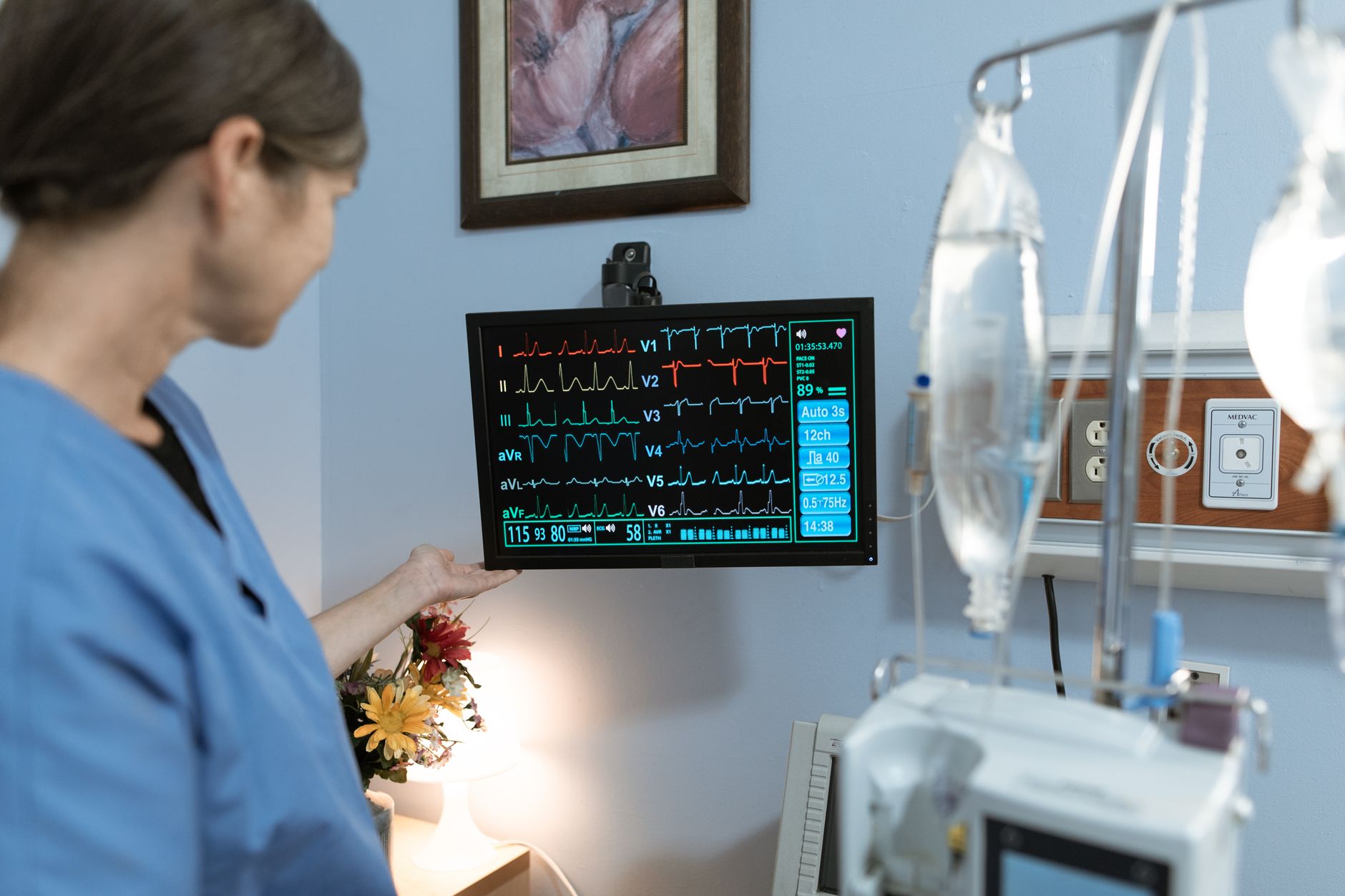
If your cardiologist has recommended a cardiac catheterisation procedure, it is completely natural to feel a little anxious and have many questions. What exactly happens in that room? Will it hurt? How long does it take? When can I go home?
This article walks you through every stage — before, during, and after — so that you arrive at the cath lab feeling informed, prepared, and as relaxed as possible. Knowledge truly is one of the most calming things we can offer a patient.
What Is Cardiac Catheterisation?
Cardiac catheterisation (also called a "heart cath" or coronary angiogram when used for diagnosis) is a minimally invasive procedure that allows your cardiologist to look directly at your heart's blood vessels, check how well your heart is pumping, and measure pressures inside the heart chambers.
A thin, flexible tube called a catheter is guided through a blood vessel — usually in your wrist (radial artery) or groin (femoral artery) — all the way to your heart. A special dye (contrast agent) is then injected so that X-ray images can show any blockages or narrowings in your coronary arteries with great clarity.
Depending on what is found, the same procedure may move on to a treatment step such as angioplasty (balloon opening of a blockage) or stenting (placing a small mesh tube to keep the artery open). Your cardiologist will discuss this possibility with you in advance.
Why Is It Done?
Doctors recommend cardiac catheterisation for several reasons:
- To confirm or rule out coronary artery disease (CAD)
- To evaluate chest pain that has not been explained by non-invasive tests
- To check heart valve problems or heart muscle function
- To plan treatment before or after a heart attack
- To assess the result of a previous bypass surgery or stent
Before the Procedure: How to Prepare
Good preparation makes the whole experience smoother. Here is what you can generally expect in the days leading up to your appointment. Always follow the specific instructions given by your own medical team.
Medications and Fasting
- You will usually be asked not to eat or drink for 4–6 hours before the procedure.
- Inform your cardiologist about all medications you take, including blood thinners, diabetes medicines, and any herbal or Ayurvedic supplements.
- Some medications may need to be paused or adjusted — for example, metformin is often stopped before contrast dye is used.
- If you have a known allergy to contrast dye or shellfish, mention this in advance.
Practical Tips
- Wear comfortable, loose clothing on the day.
- Remove jewellery, nail polish, and contact lenses before arriving.
- Arrange for a trusted family member or friend to accompany you and drive you home — you will not be able to drive yourself after the procedure.
- In Rajkot's warm climate, staying well-hydrated in the days before (not the fasting window) helps keep your veins healthy and accessible.
Inside the Cath Lab: Step by Step
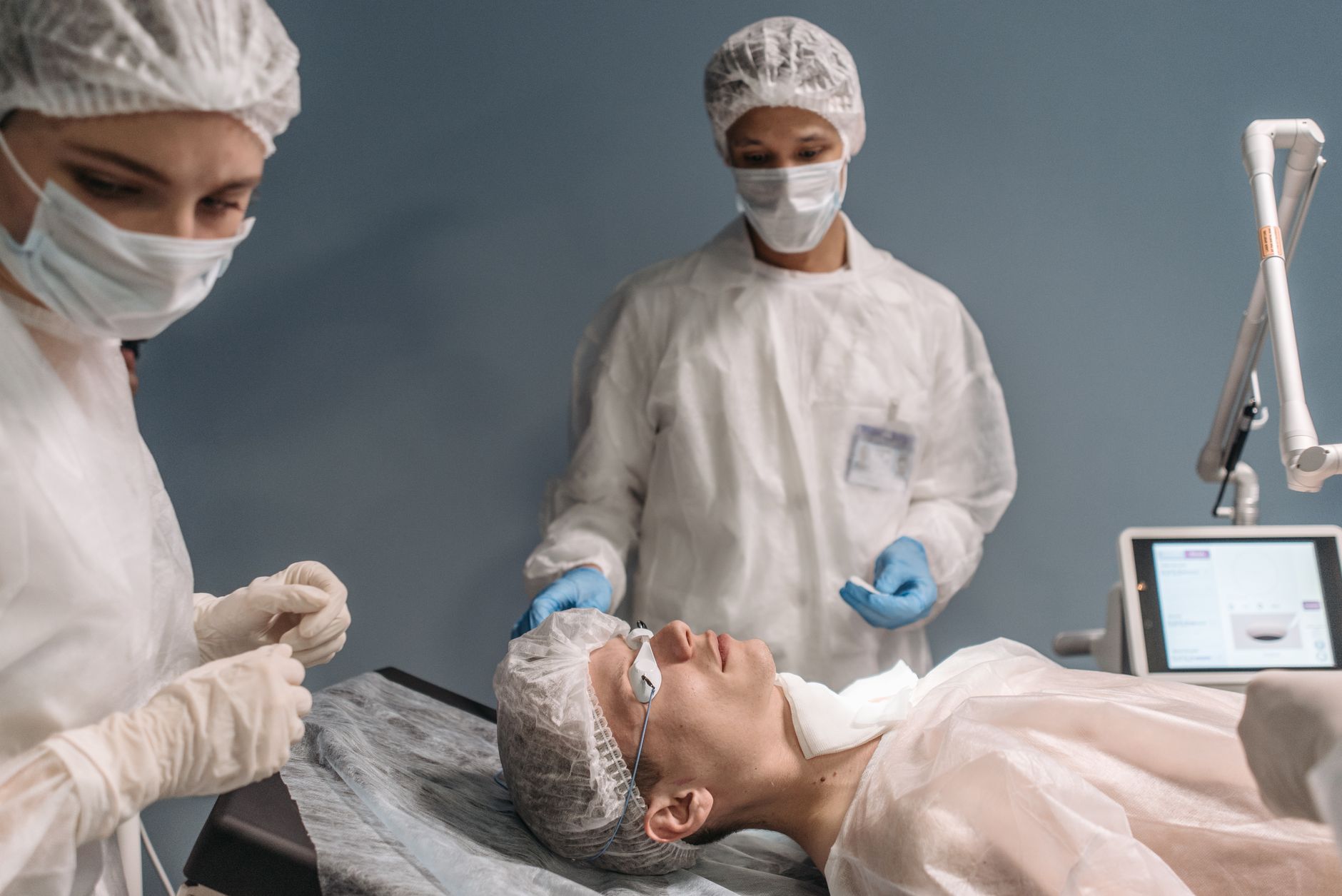
The cardiac catheterisation laboratory — the "cath lab" — may look slightly intimidating at first glance, with its large imaging equipment and monitors. But the team working there performs these procedures routinely and their focus is entirely on your safety and comfort.
Step 1: Arrival and Preparation (15–30 minutes)
Once you are brought into the cath lab, you will:
- Change into a hospital gown
- Have an intravenous (IV) line placed in your arm for fluids and medications
- Have your chest, wrist, or groin area cleaned and covered with a sterile drape
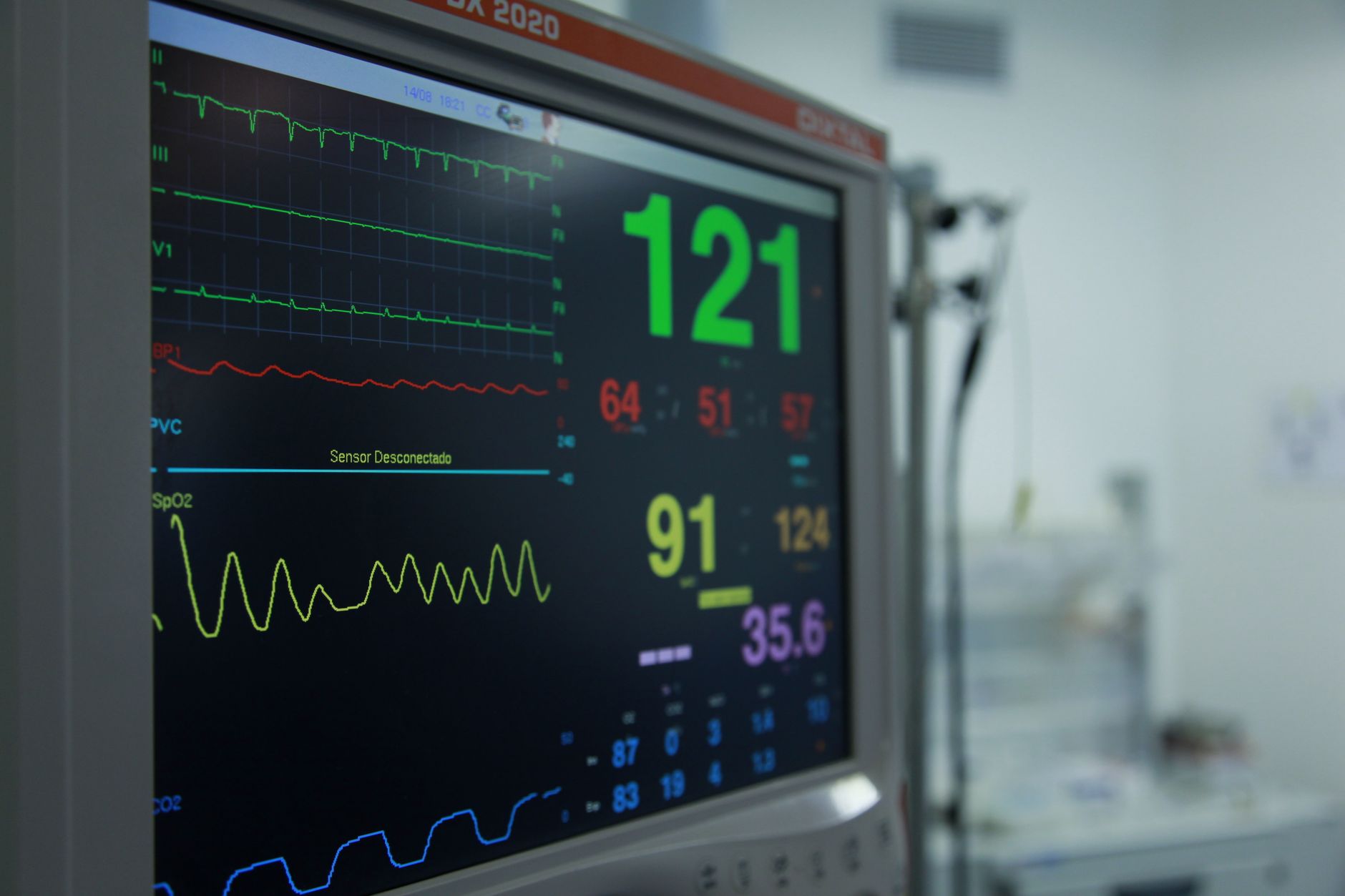
- Be connected to an ECG monitor so the team can watch your heart rhythm throughout
You will be awake during the procedure. A mild sedative is often given through the IV to help you feel relaxed, though you remain conscious and able to respond to the team.
Step 2: Local Anaesthesia and Catheter Insertion
A small injection of local anaesthetic numbs the skin where the catheter will be inserted — most commonly the wrist (radial approach). You may feel a brief sting from the anaesthetic, but after that the area should feel numb.
The cardiologist then makes a tiny puncture and introduces a thin sheath (a short plastic tube), through which the catheter is gently advanced. You will not feel the catheter moving inside your blood vessel — there are no nerve endings inside arteries that sense this kind of movement.
Step 3: Dye Injection and Imaging
Once the catheter reaches the coronary arteries, a small amount of contrast dye is injected. At this moment, many patients describe a warm or flushing sensation that spreads through the chest and body — this is completely normal and fades within seconds.
X-ray images (called angiograms) are captured rapidly, showing the dye flowing through your arteries. Your cardiologist studies these images in real time to identify any blockages.
Step 4: Treatment (If Needed)
If a significant blockage is found, your cardiologist may recommend proceeding with angioplasty and stenting during the same session. A tiny balloon is inflated to open the blockage, and a stent is placed to keep the artery open. This decision will have been discussed with you beforehand, and the team will keep you informed at every step.
For example, a 55-year-old patient experiencing chest pain on exertion might have a diagnostic angiogram that reveals a single-vessel blockage — and the cardiologist may be able to treat it with a stent in the same sitting, saving the patient a second procedure.
Step 5: Catheter Removal and Closure
Once the procedure is complete, the catheter and sheath are removed. If the wrist approach was used, a small compression band is applied. If the groin was used, gentle pressure is applied for several minutes. No stitches are needed in most cases.
The total time inside the cath lab is typically 30–60 minutes for a diagnostic procedure, though it may be longer if treatment is performed.
After the Procedure: Recovery and Going Home

In the Hospital
After the procedure you will be moved to a recovery area and monitored for a few hours. The nursing team will check your pulse, blood pressure, and the catheter entry site regularly. You will be encouraged to drink fluids to help flush the contrast dye from your kidneys.
- Wrist approach: You may sit up fairly quickly and will have a compression band on your wrist for a few hours.
- Groin approach: You will need to lie flat for a longer period to prevent bleeding from the puncture site.
Going Home
Many patients who had a diagnostic catheterisation go home the same day. If a stent was placed, an overnight stay is more common. Your cardiologist will advise you specifically.
What to Expect in the First Few Days
- The puncture site may be slightly sore or bruised — this is normal and settles within a few days.
- Avoid heavy lifting, strenuous activity, and driving for at least 24–48 hours, or as advised.
- Keep the entry site clean and dry.
- Watch for signs that need prompt attention: increasing swelling, bleeding, chest pain, shortness of breath, fever, or numbness in the limb.
- Take all prescribed medications — especially antiplatelet medicines like aspirin or clopidogrel if a stent was placed — exactly as directed. Never stop these without consulting your cardiologist.
Key Takeaways
- Cardiac catheterisation is a well-established, minimally invasive procedure that gives your cardiologist direct, detailed information about your heart.
- You will be awake but relaxed — local anaesthesia numbs the entry site, and a mild sedative helps you stay comfortable throughout.
- A warm flushing sensation when the dye is injected is perfectly normal and temporary.
- Most diagnostic procedures take 30–60 minutes, and many patients go home the same day.
- If a blockage is found, angioplasty and stenting can often be done in the same session.
- Follow all post-procedure instructions carefully, especially around medications and activity levels.
- Bring a companion with you — you will need someone to take you home.
Frequently Asked Questions
Is cardiac catheterisation safe?
Cardiac catheterisation is a routinely performed procedure with a strong safety record. Like any medical procedure, it carries a small risk of complications, which your cardiologist will discuss with you fully before you give consent. The benefits of accurate diagnosis almost always outweigh the risks for patients who genuinely need it.
Will I feel pain during the procedure?
Most patients describe the experience as much more comfortable than they expected. The local anaesthetic removes sensation at the entry site. You may feel pressure or the brief warmth of the dye, but significant pain is uncommon. Tell the team immediately if you feel anything uncomfortable — they can adjust your sedation or address the issue promptly.
How soon can I return to normal activities?
For a straightforward diagnostic procedure, light activities can usually resume within 24–48 hours. If a stent was placed or if you had a groin approach, your cardiologist may advise a longer rest period. Individual timelines vary, so always follow your doctor's specific guidance.
Can I eat normally after the procedure?
Yes — once you are back in the recovery area and feeling well, you will usually be offered fluids and a light snack. A normal diet can typically resume by the evening. Drinking extra water in the first day helps clear the contrast dye.
If you have been advised to undergo a cardiac catheterisation, or if you have concerns about your heart health, we encourage you to speak with a qualified cardiologist who can assess your individual situation. You are welcome to book a consultation with Dr. Nikhila Pachani at her Rajkot clinic — where your questions, concerns, and comfort always come first.
Frequently asked questions
- Is cardiac catheterisation safe?
- Cardiac catheterisation is a routinely performed procedure with a strong safety record. Like any medical procedure, it carries a small risk of complications, which your cardiologist will discuss with you fully before you give consent. The benefits of accurate diagnosis almost always outweigh the risks for patients who genuinely need it.
- Will I feel pain during cardiac catheterisation?
- Most patients describe the experience as much more comfortable than they expected. The local anaesthetic removes sensation at the entry site. You may feel pressure or the brief warmth of the contrast dye, but significant discomfort is uncommon. You can always tell the team if you feel anything unusual so they can help.
- How soon can I return to normal activities after the procedure?
- For a straightforward diagnostic procedure, light activities can usually resume within 24–48 hours. If a stent was placed or if the groin approach was used, your cardiologist may advise a longer rest period. Always follow your doctor's specific guidance.
- Can I eat and drink normally after cardiac catheterisation?
- Yes. Once you are in the recovery area and feeling well, you will usually be offered fluids and a light snack. A normal diet can typically resume by the evening of the procedure. Drinking extra water in the first day helps flush the contrast dye from your kidneys.