
What Is Cardiac Sarcoidosis?
Sarcoidosis is an inflammatory disease in which the immune system becomes overactive and forms tiny clusters of inflamed cells called granulomas. These granulomas can develop in almost any organ — the lungs are most commonly affected — but when they form inside the heart muscle, the condition is known as cardiac sarcoidosis.
What makes cardiac sarcoidosis particularly challenging is how quietly it can progress. Many people have no obvious symptoms for months or even years. Meanwhile, granulomas can slowly disrupt the heart's electrical system or weaken the heart muscle itself. Understanding this condition early is one of the most important steps toward managing it well.
How Common Is It?
Sarcoidosis as a whole affects people worldwide, including in India. Studies suggest that cardiac involvement occurs in roughly 20–30% of people who have sarcoidosis elsewhere in the body — though many cases go unrecognised because the symptoms are not always obvious. In some individuals, the heart is the only organ affected (isolated cardiac sarcoidosis), making diagnosis even more difficult.
Why Does Sarcoidosis Target the Heart?
The exact trigger that causes the immune system to form granulomas is still being researched. Leading theories point to a combination of:
- Genetic factors — certain gene variants make some people more susceptible.
- Environmental or infectious triggers — exposure to specific bacteria, dust, or other particles may set off an abnormal immune response in predisposed individuals.
When granulomas take root in the heart, they can affect three key areas:
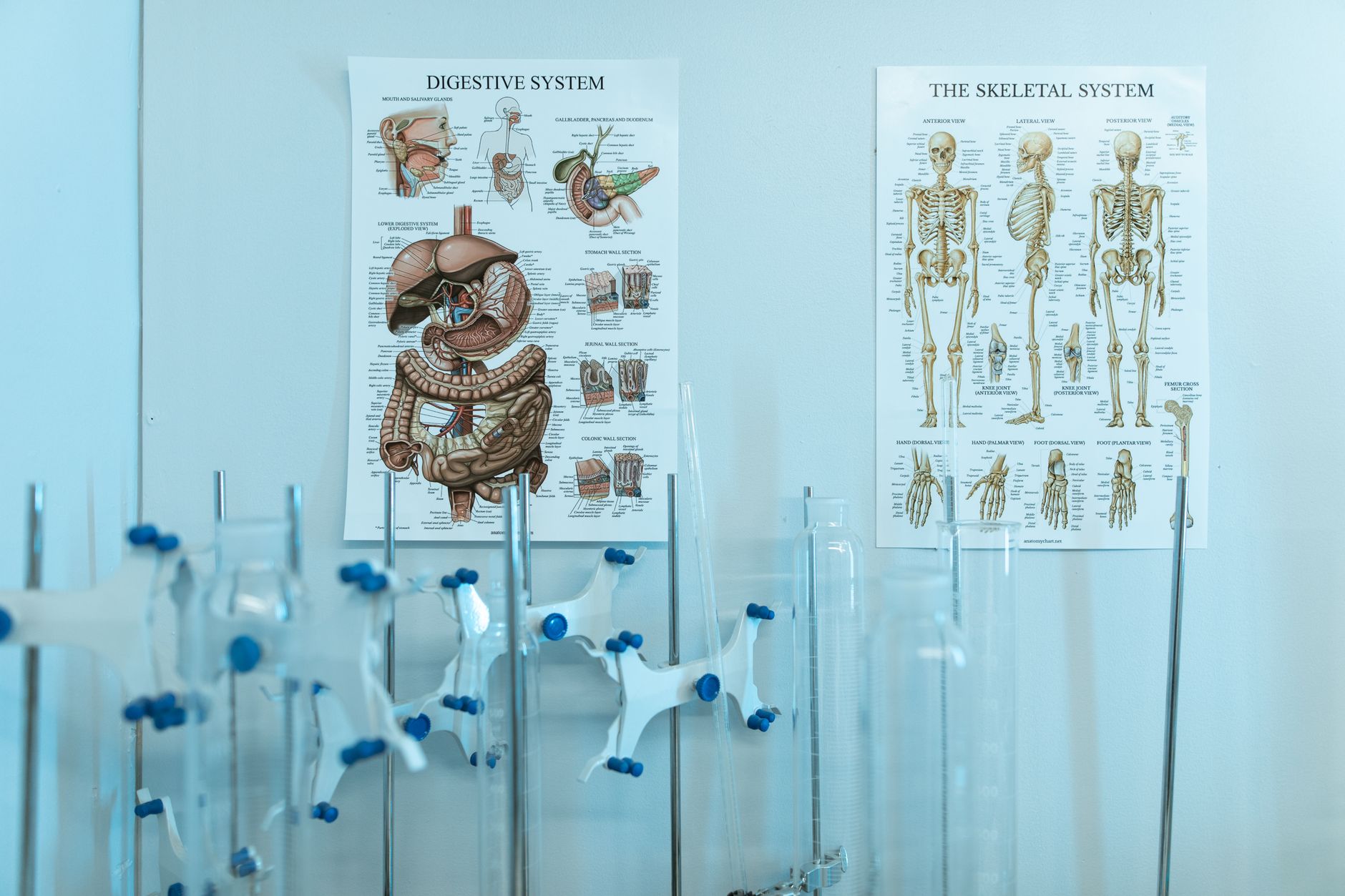
- The myocardium (heart muscle) — leading to weakened pumping function.
- The electrical conduction system — causing irregular heartbeats or dangerous heart blocks.
- The pericardium (the sac around the heart) — though this is less common.
Recognising Cardiac Sarcoidosis Symptoms
Because the granulomas can affect different parts of the heart, symptoms vary widely from person to person. Some people experience clear warning signs; others feel completely normal until a routine check-up or an unexpected event brings the condition to light.
Common Symptoms to Watch For
- Palpitations — a fluttering, racing, or "skipping" sensation in the chest, caused by irregular heart rhythms (arrhythmias).
- Dizziness or lightheadedness — often linked to abnormal heart rhythms or a slow heart rate due to heart block.
- Fainting (syncope) — a sudden, brief loss of consciousness that can result from a dangerous arrhythmia or complete heart block.
- Breathlessness — particularly with exertion, if the heart muscle has weakened and cannot pump blood efficiently.
- Chest discomfort or tightness — less common, but possible when the heart is under stress.
- Swelling in the legs or ankles — a sign that the heart may not be managing fluid balance properly (a feature of heart failure).
When Symptoms Are Absent
It is important to stress: a significant number of people with cardiac sarcoidosis have no symptoms at all. This is why the condition is sometimes discovered only during investigations for another complaint, or after a serious cardiac event. If you have been diagnosed with sarcoidosis in your lungs or skin, a cardiology review is always worthwhile even if your heart "feels fine."
How Is Cardiac Sarcoidosis Diagnosed?
Diagnosis requires a combination of tests because no single test gives a definitive answer on its own. A cardiologist will typically build a picture from several sources.
Key Diagnostic Tests
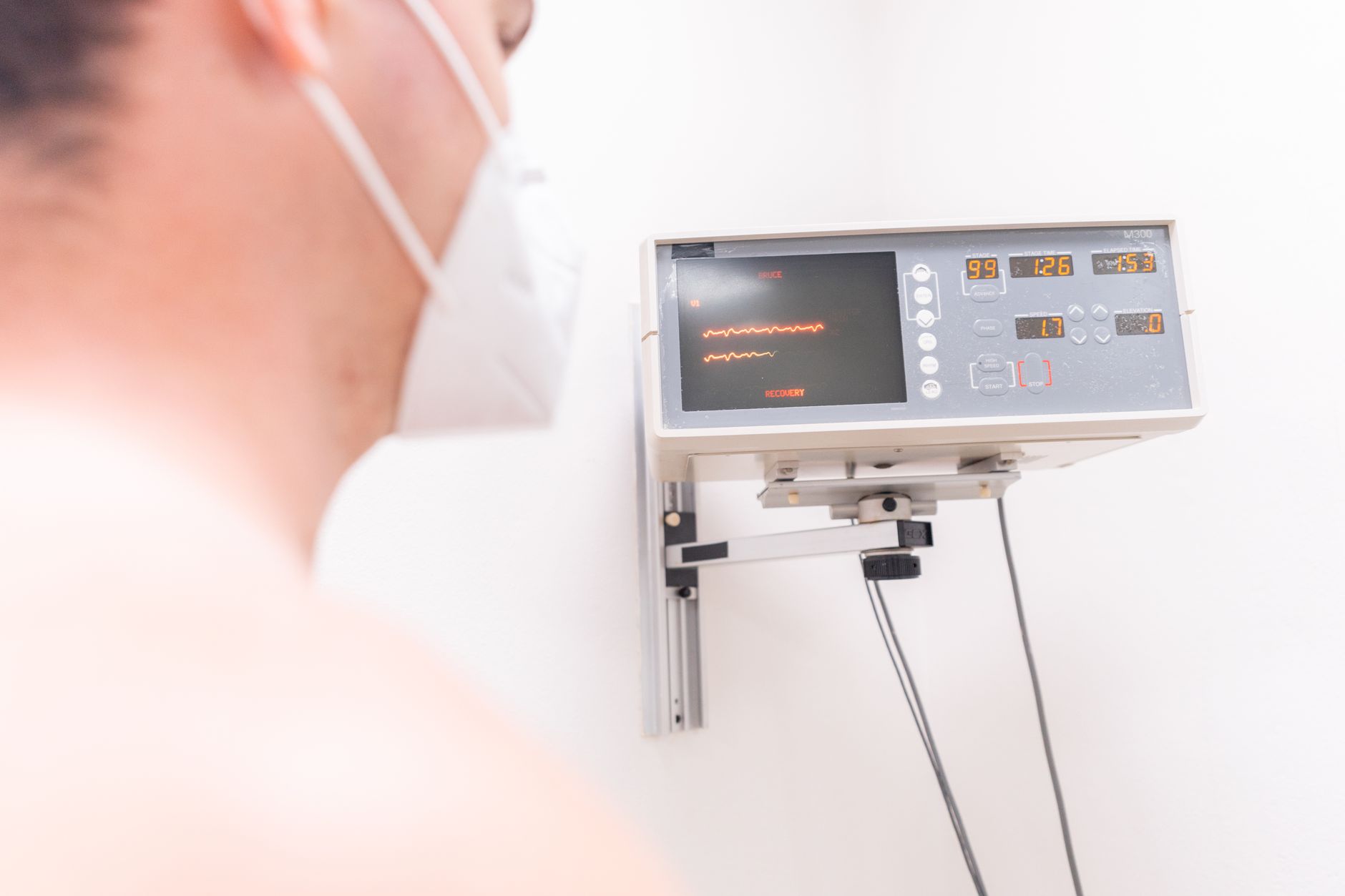
- Electrocardiogram (ECG) — a quick, non-invasive test that records the heart's electrical activity. Heart block, bundle branch blocks, or arrhythmias detected on an ECG can raise suspicion.
- Echocardiogram (Echo) — an ultrasound scan of the heart that reveals abnormalities in heart muscle movement or thickness.
- Cardiac MRI — one of the most sensitive tools available. It can detect areas of inflammation and scarring (fibrosis) in the heart muscle with remarkable detail, even in early-stage disease.
- PET scan (FDG-PET) — detects active inflammation by measuring how cells use glucose. It is particularly useful for assessing disease activity and guiding treatment.
- Holter monitor / ambulatory ECG — a wearable device worn for 24–48 hours to capture intermittent arrhythmias that a standard ECG might miss.
- Biopsy — confirmation of granulomas through tissue biopsy is the gold standard, but cardiac biopsy has limitations; in practice, extracardiac biopsy (e.g., from lymph nodes or skin) combined with imaging findings is often used to establish diagnosis.
Diagnostic Criteria
International guidelines (including those from the Heart Rhythm Society) recognise both histological diagnosis (granulomas found in heart tissue) and clinical diagnosis (strong imaging and ECG evidence plus confirmed sarcoidosis elsewhere in the body). Your cardiologist will weigh all findings together.
Cardiac Sarcoidosis Treatment Options
The good news is that cardiac sarcoidosis can be managed effectively, especially when detected early. Treatment is tailored to each individual based on the severity and pattern of their disease.
1. Corticosteroids (Anti-inflammatory Therapy)
Prednisone or other corticosteroids are the cornerstone of treatment. They work by suppressing the overactive immune response and reducing granuloma formation. Many patients see meaningful improvement in heart function and a reduction in arrhythmias with steroid therapy. Treatment is usually long-term and monitored carefully by a specialist.
For those who cannot tolerate steroids or need additional help, steroid-sparing immunosuppressants such as methotrexate or azathioprine may be added.
2. Managing Heart Rhythm Problems
Arrhythmias are a major concern in cardiac sarcoidosis and may need targeted treatment:
- Anti-arrhythmic medications — to help regulate the heart rhythm.
- Permanent pacemaker — recommended when the heart's electrical conduction system is significantly impaired, causing slow or blocked rhythms.
- Implantable Cardioverter-Defibrillator (ICD) — a small device placed under the skin that continuously monitors heart rhythm and delivers a life-saving shock if a dangerous arrhythmia (such as ventricular tachycardia or ventricular fibrillation) is detected. For patients at high risk of sudden cardiac arrest, an ICD can be critically important.
- Catheter ablation — in some cases, an electrophysiologist may use this procedure to target and eliminate specific abnormal electrical pathways causing persistent arrhythmias.
3. Treating Heart Failure
If cardiac sarcoidosis has weakened the heart's pumping function, standard heart failure medications are used alongside anti-inflammatory therapy:
- ACE inhibitors or ARBs — to reduce the workload on the heart.
- Beta-blockers — to slow the heart rate and improve efficiency.
- Diuretics — to reduce fluid retention and ease breathlessness.
4. Cardiac Rehabilitation and Lifestyle Support
Gentle, supervised exercise, a heart-healthy diet (rich in vegetables, fruits, whole grains, and low in excess salt and saturated fats), adequate rest, and regular follow-up appointments all play a meaningful supporting role. Patients in Rajkot and across Gujarat are encouraged to discuss personalised activity plans with their cardiologist, as what is safe and helpful will vary from person to person.
5. Advanced Therapies
In a small number of patients where the heart muscle is severely damaged and does not respond to other treatments, cardiac transplantation may be considered. This remains a last resort and is carefully evaluated by a specialist team.
Living With Cardiac Sarcoidosis
A diagnosis of cardiac sarcoidosis can feel overwhelming at first, but many people live full and active lives with the right medical support. Key points to remember:
Key Takeaways:
- Cardiac sarcoidosis is an inflammatory condition where immune cell clusters (granulomas) form inside the heart, potentially disrupting its rhythm and pumping function.
- Symptoms can include palpitations, fainting, breathlessness, and swelling — but many people have no symptoms at all.
- Early diagnosis using ECG, cardiac MRI, PET scan, and biopsy allows for timely treatment.
- Corticosteroids are the mainstay of treatment; pacemakers or ICDs are used when the electrical system is affected.
- Regular follow-up with a cardiologist is essential — disease activity and treatment response need ongoing monitoring.
- If you have sarcoidosis elsewhere in your body, always ask your doctor whether your heart has been evaluated.
When to Seek Medical Advice
Do not ignore recurring palpitations, episodes of dizziness, unexplained fainting, or worsening shortness of breath. These symptoms deserve prompt evaluation. If you or a family member has already been diagnosed with sarcoidosis, a proactive cardiology review — even without symptoms — is a wise step.
This article is intended for general patient education and does not replace personalised medical advice. If you have concerns about your heart health, we warmly encourage you to consult a qualified cardiologist. To book a consultation with Dr. Nikhila Pachani, Consultant Interventional Cardiologist in Rajkot, please reach out to our clinic — taking that first step is the most important one.
Frequently asked questions
- Can cardiac sarcoidosis be completely cured?
- Cardiac sarcoidosis cannot always be fully eliminated, but it can be managed effectively with the right treatment. Many patients see significant improvement in heart function and symptom control with corticosteroids and other therapies. Long-term follow-up with a cardiologist is essential to monitor the disease and adjust treatment as needed.
- Is cardiac sarcoidosis life-threatening?
- It can be serious, particularly when it affects the heart's electrical system and causes dangerous arrhythmias or sudden cardiac arrest. However, when identified early and treated appropriately — including with devices like an ICD where needed — the risks can be substantially reduced. Early diagnosis and regular monitoring make a real difference.
- How is cardiac sarcoidosis different from regular sarcoidosis?
- Sarcoidosis most commonly affects the lungs and lymph nodes. When it specifically involves the heart muscle or electrical conduction system, it is called cardiac sarcoidosis. This form can be more immediately dangerous because it can cause life-threatening heart rhythms or heart failure, even in people who appear otherwise well.
- Should I have my heart checked if I have been diagnosed with sarcoidosis elsewhere in my body?
- Yes, absolutely. Because cardiac involvement may be silent (without obvious symptoms), guidelines recommend that all patients with confirmed sarcoidosis undergo a cardiac evaluation — including at minimum an ECG and echocardiogram. Your doctor may recommend further tests such as a cardiac MRI or PET scan depending on the initial findings.