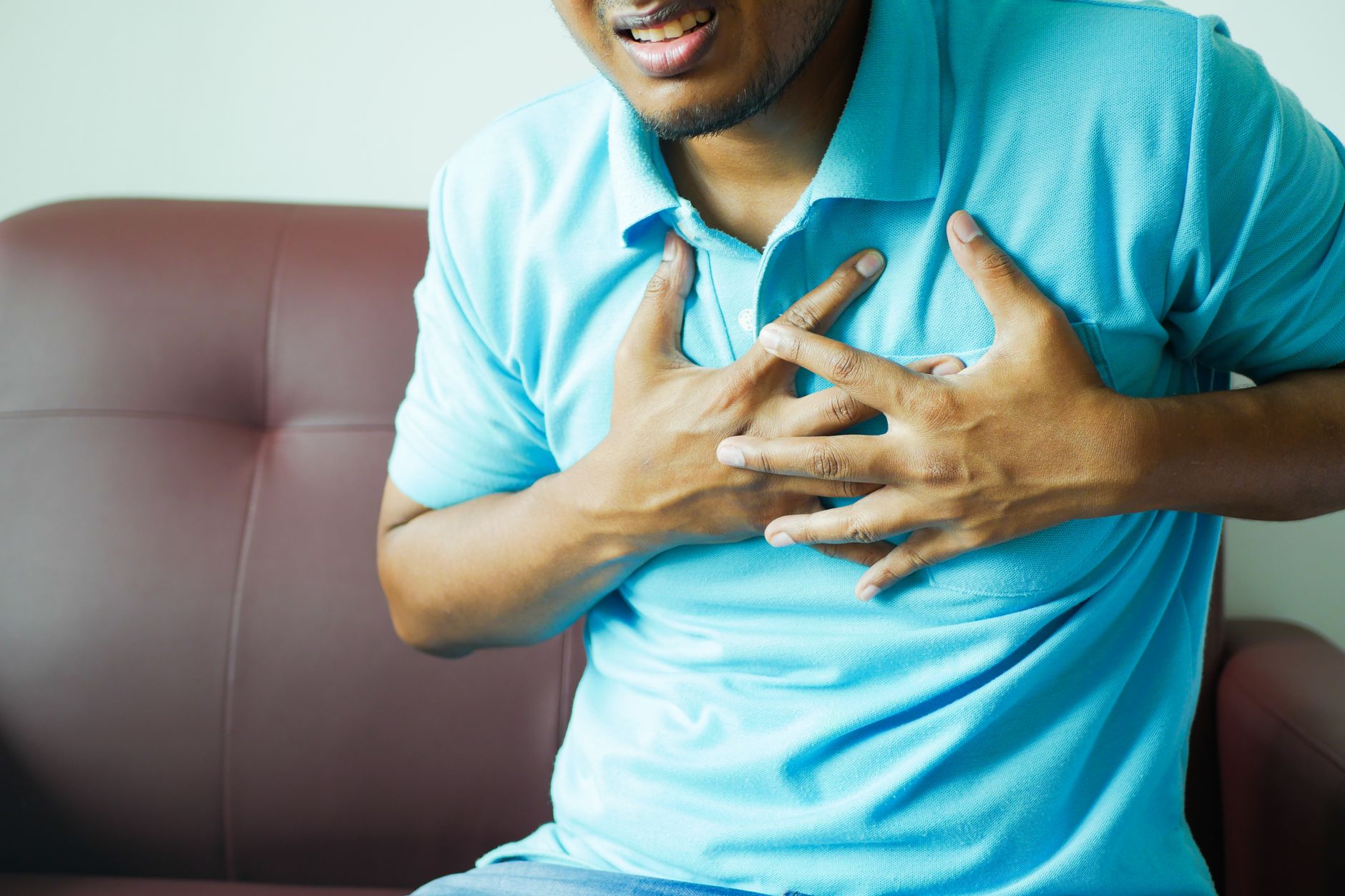
Chest pain is one of the most common reasons people rush to an emergency room — and rightly so. It can be frightening, confusing, and hard to interpret on your own. The truth is, chest pain has many possible causes. Some are life-threatening and need immediate attention. Others are uncomfortable but not dangerous. Knowing the difference can save your life — or ease unnecessary worry.
This article explains what chest pain warning signs should never be ignored, which symptoms are less urgent, and what steps to take in each situation. Whether you are in Rajkot or anywhere in Gujarat, this guide will help you act quickly and wisely.
Why Chest Pain Is Taken Seriously
The heart sits inside the chest, which means chest pain is always taken seriously by doctors until proven otherwise. Every year, thousands of people in India delay seeking care during a heart attack because they were not sure the pain was "bad enough." This delay can cause permanent damage to the heart muscle — or worse.
At the same time, many people arrive at emergency rooms with chest pain that turns out to be caused by gas, muscle strain, or anxiety. That is perfectly fine. It is always better to get checked than to wait and hope the pain goes away.
The key is knowing which signs point to a cardiac emergency so you can act fast when it truly matters.
Signs That Chest Pain Is a Cardiac Emergency
The following symptoms strongly suggest a heart attack or another serious cardiac event. Do not drive yourself. Call an ambulance or ask someone to rush you to the nearest hospital immediately.
1. Pressure, Squeezing, or Crushing Sensation
A heart attack often feels less like a sharp stab and more like a heavy weight pressing down on the chest. People sometimes describe it as an elephant sitting on their chest. This sensation may come on suddenly or build up gradually.
2. Pain That Spreads (Radiates)
Cardiac chest pain often travels — to the left arm, right arm, both shoulders, the jaw, the neck, or the upper back. If your chest pain moves to any of these areas, treat it as an emergency.
3. Pain Lasting More Than a Few Minutes
Any chest discomfort that does not go away within 5 minutes, or goes away and comes back, should be evaluated as an emergency.
4. Shortness of Breath
If chest pain is accompanied by difficulty breathing — even mild breathlessness — it raises the concern for a cardiac or pulmonary (lung) cause significantly.
5. Cold Sweats, Nausea, or Vomiting
These are classic "accompanying symptoms" of a heart attack, especially in combination with chest pain. Do not dismiss them.
6. Feeling Faint or Losing Consciousness
Light-headedness or fainting along with chest pain can signal a dangerous drop in heart function or a serious arrhythmia (irregular heartbeat).
7. Symptoms in High-Risk Individuals
A 55-year-old with diabetes, high blood pressure, or a family history of heart disease who experiences even mild chest discomfort should seek emergency care promptly, as these patients can have atypical (less obvious) symptoms.
Emergency Action: Call 112 (India's national emergency number) or go directly to the nearest hospital with a cardiac care unit. Do not wait to see if the pain improves.
Chest Pain That Is Usually Less Urgent — But Still Worth Checking
Not every chest pain is a heart attack. Here are some common non-cardiac causes:
Acidity or GERD (Gastroesophageal Reflux)
A burning sensation that rises from the stomach into the chest, often after a heavy meal or spicy food, is usually acid reflux. It can be quite intense and feel alarming. It typically improves with antacids or changing position.
Musculoskeletal Pain
If the pain sharpens when you press a specific spot on your chest wall, or worsens with certain body movements or deep breathing, it is likely muscular or related to the rib joints (costochondritis). This is common after physical strain or injury.
Anxiety or Panic Attack
Stress and anxiety can cause very real chest tightness, palpitations, and breathlessness. These symptoms often come with feelings of fear, a racing mind, or tingling in the hands. They can closely mimic cardiac symptoms.
Pleurisy (Lung Lining Inflammation)
A sharp, stabbing pain that worsens with every breath may be pleurisy — inflammation of the lining around the lungs. This needs a doctor's attention but is usually not an immediate cardiac emergency.
Important Caveat
Even if you suspect one of these less serious causes, if you are not certain, always get evaluated. No article — including this one — can replace a proper examination, ECG, and blood tests by a trained cardiologist.

The "FAST + C" Rule for Chest Pain Emergencies
A simple way to remember when to act immediately:
- F – Feels like pressure, squeezing, or heaviness
- A – Arms, jaw, neck, or back pain alongside chest pain
- S – Sweating, nausea, or shortness of breath
- T – Time matters — symptoms lasting more than 5 minutes
- C – Call for help immediately — do not drive yourself
If even one of these applies, treat it as an emergency.
Special Note for Women and Diabetic Patients
Heart attack symptoms in women, elderly individuals, and those with diabetes can be subtler and easier to dismiss. Instead of classic crushing chest pain, they may experience:
- Unusual fatigue or weakness
- Mild discomfort or pressure (not severe pain)
- Nausea or indigestion-like feelings
- Breathlessness without much chest pain at all
These "atypical" presentations are a major reason why heart attacks are sometimes missed in these groups. If something feels off and you are in a high-risk category, trust your instincts and seek care promptly.
What Happens at the Hospital
When a patient arrives at a cardiac centre with chest pain, the medical team acts quickly. Here is what a typical assessment looks like:
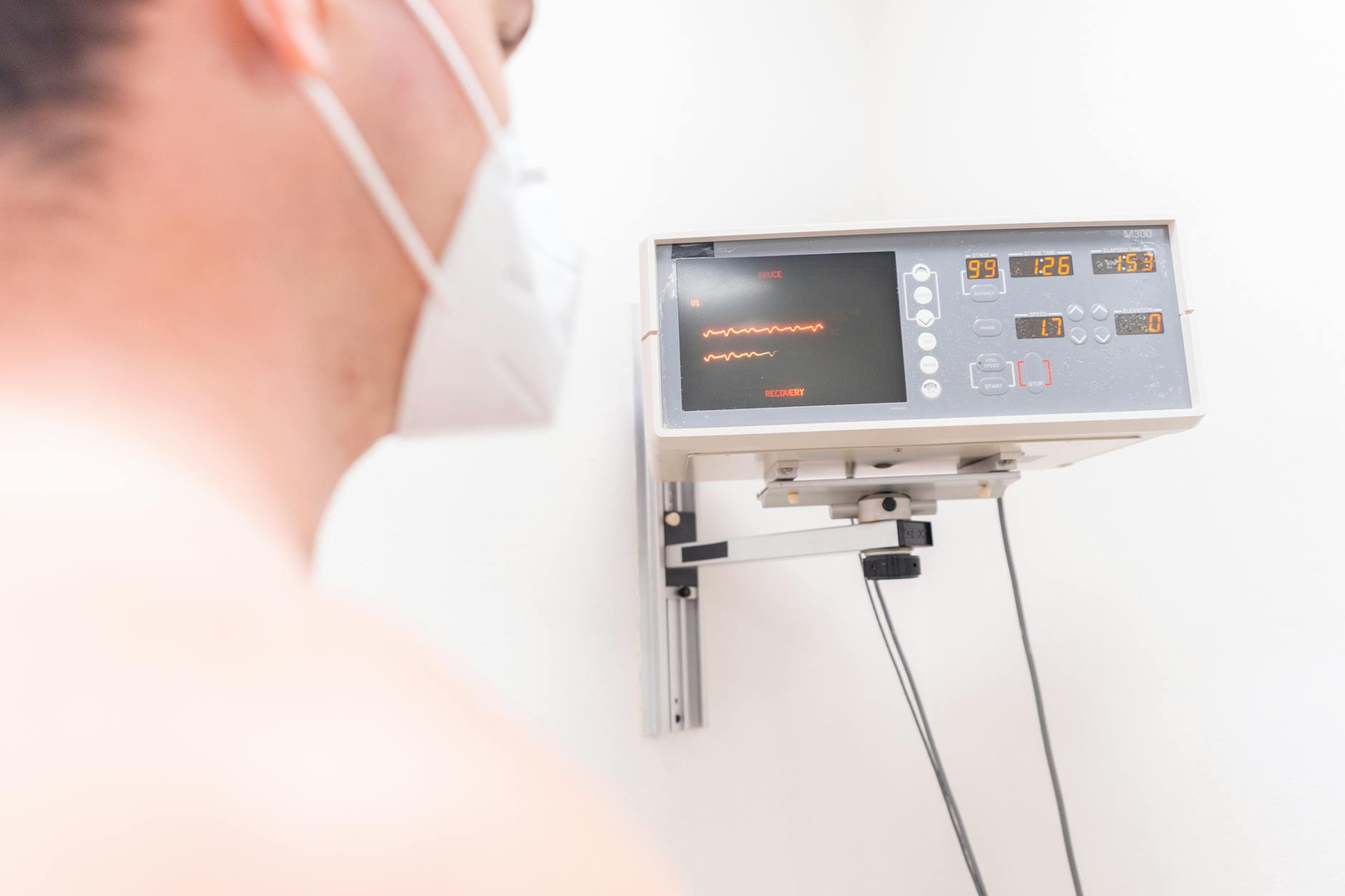
- ECG (Electrocardiogram): Done within minutes of arrival. This records the heart's electrical activity and can identify a heart attack in progress.
- Blood Tests (Cardiac Biomarkers): Troponin and other enzymes released when the heart muscle is damaged are tested. Results help confirm or rule out a heart attack.
- Chest X-ray: Helps evaluate the heart size, lungs, and major blood vessels.
- Further Tests if Needed: Echocardiogram, stress test, or coronary angiography may follow depending on findings.
In Rajkot and across Gujarat, cardiac care facilities are more accessible than ever. Time remains the most critical factor — the sooner a blocked artery is opened during a heart attack, the more heart muscle is saved.
Key Takeaways
- Chest pain is never "just nothing" — always take it seriously until evaluated.
- Pressure, squeezing, radiation to the arm or jaw, sweating, and breathlessness are hallmark signs of a cardiac emergency.
- Call 112 or go to an emergency room immediately if these signs are present — do not wait.
- Women, diabetics, and elderly patients may have milder or atypical symptoms — stay alert.
- Non-cardiac causes like acidity, muscle pain, and anxiety are common, but only a doctor can confirm this safely.
- Time is heart muscle — faster treatment leads to better outcomes in a heart attack.
- Even if the cause turns out to be non-cardiac, you made the right choice by getting checked.
Chest pain can feel overwhelming in the moment, but now you know what to look for and how to respond. If you or a loved one experiences recurring chest discomfort, unexplained breathlessness, or simply want to understand your heart health better, consider scheduling a consultation with a qualified cardiologist. Early evaluation, honest conversation, and the right tests can give you both answers and peace of mind.
Frequently asked questions
- How do I know if my chest pain is a heart attack or just gas?
- Heart attack chest pain typically feels like pressure, squeezing, or heaviness, and may spread to the arm, jaw, or back. It is often accompanied by sweating, nausea, or breathlessness. Gas or acidity-related pain usually has a burning quality, is linked to meals, and improves with antacids or burping. However, the only reliable way to be sure is an ECG and blood test done by a doctor. When in doubt, seek emergency care immediately.
- Should I drive myself to the hospital if I have chest pain?
- No. If you suspect a cardiac emergency, do not drive yourself. Call 112 (India's emergency number) or ask someone to take you to the nearest hospital with a cardiac unit. Driving while experiencing a potential heart attack puts both you and others at risk.
- Can women have different heart attack symptoms than men?
- Yes. Women, as well as diabetic and elderly patients, often experience atypical heart attack symptoms such as unusual fatigue, mild chest pressure, nausea, or breathlessness without dramatic chest pain. These subtler signs are just as serious and should not be dismissed.
- What tests will the doctor do for chest pain in an emergency?
- A cardiologist will typically start with an ECG (electrocardiogram) done within minutes, followed by blood tests to check cardiac enzymes like troponin, and a chest X-ray. Depending on the results, further tests such as an echocardiogram or coronary angiography may be recommended to get a complete picture of your heart health.