
Morning walks are one of the most popular and heart-friendly habits across India. In cities like Rajkot, you will find hundreds of people out before sunrise — in gardens, along roads, and around community parks — getting their daily steps in. But what happens when that refreshing walk is interrupted by an uncomfortable tightness in your chest? Should you push through it, or stop and take notice?
This article explains the possible reasons behind chest tightness during walking, how to tell whether it could be angina or something less serious, and what steps you should take next.
What Does Chest Tightness During a Walk Feel Like?
Chest tightness is one of those symptoms that people describe in many different ways. Some say it feels like a heavy weight pressing on their chest. Others describe it as a squeezing, gripping, or burning sensation. A few people say it feels like someone is tightening a belt around their ribcage.
It may last for a few seconds or several minutes. It might ease when you slow down or stop. Or it might linger well after you have rested.
The key question your doctor will always ask is: does it come on with exertion and go away with rest? That pattern is one of the hallmark features of a heart-related cause — specifically, angina.
What Is Angina, and Why Does It Happen During Exercise?
Angina (medically called angina pectoris) is chest discomfort that occurs when the heart muscle does not get enough oxygen-rich blood. It is not a disease itself, but a symptom of an underlying problem — most commonly coronary artery disease (CAD), where the arteries that supply the heart become narrowed due to a build-up of fatty deposits (plaque).
During a morning walk, your heart works harder than it does at rest. It needs more blood and oxygen. If one or more coronary arteries are narrowed, they may not be able to meet this increased demand. The result is that uncomfortable tightness or pressure in the chest.
Types of Angina to Know About
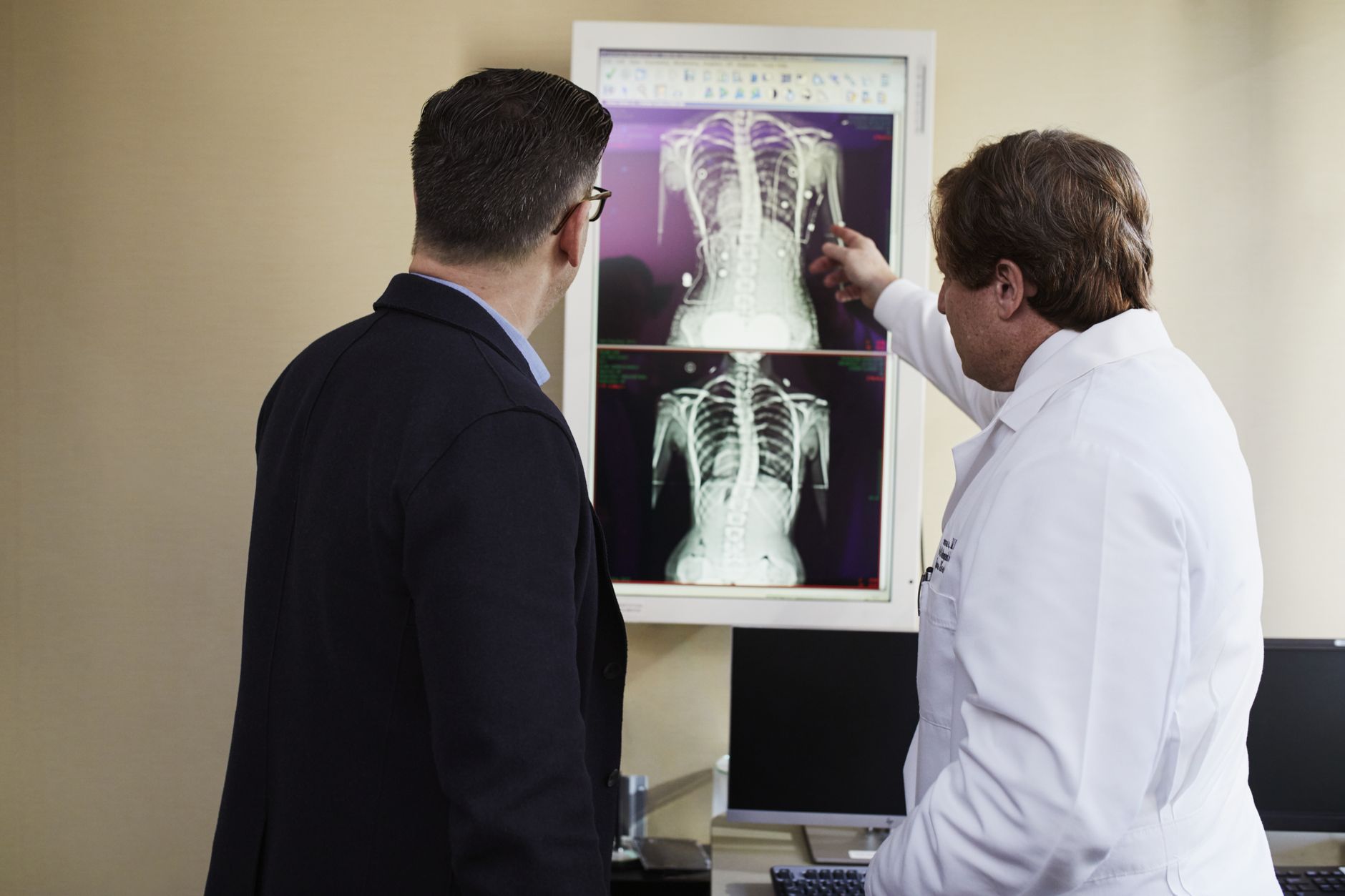
Stable angina is the most common type. It follows a predictable pattern — triggered by physical activity or emotional stress, and relieved by rest or medication (like a nitrate tablet under the tongue) within a few minutes. An illustrative example: a 58-year-old man might notice chest tightness every time he walks uphill, but it disappears once he rests for five minutes.
Unstable angina is more serious. The chest discomfort comes on unexpectedly — even at rest — lasts longer, and does not fully go away with rest. This is a medical emergency and requires immediate attention.
Vasospastic (variant) angina occurs due to a temporary spasm in the coronary arteries. Interestingly, this type can happen in the early morning hours — which is one reason some people feel symptoms specifically during their dawn walk.
Could It Be Something Other Than Angina?
Not all chest tightness during walking is heart-related. Several other conditions can cause similar sensations:
- Acid reflux (GERD): The burning sensation from stomach acid can travel up to the chest and feel very similar to cardiac discomfort. It is often worse after eating.
- Musculoskeletal pain: Strain in the chest wall muscles or the cartilage connecting ribs to the breastbone (costochondritis) can cause sharp or aching chest pain that worsens with movement or pressure.
- Asthma or exercise-induced bronchospasm: Tightness in the chest along with wheezing or breathlessness may point to the airways rather than the heart.
- Anxiety and panic: Psychological stress can produce very real physical sensations, including chest tightness, palpitations, and breathlessness.
- Anaemia: Low haemoglobin levels mean less oxygen delivery throughout the body. This can cause the heart to work harder during exercise, producing symptoms that mimic angina.
- Hypertension: Uncontrolled high blood pressure can occasionally cause chest heaviness during exertion.
How Do Doctors Tell the Difference?
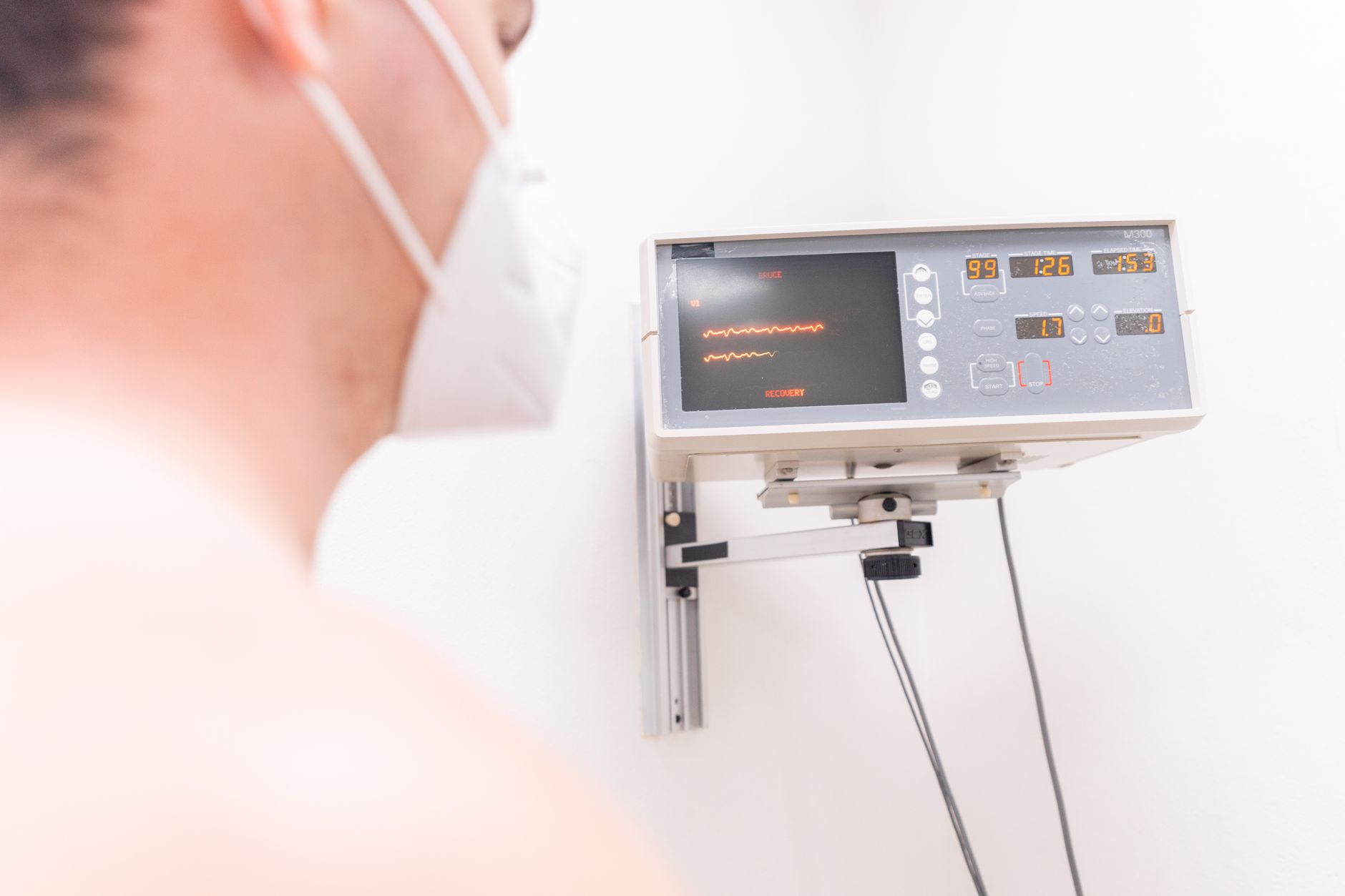
The honest answer is: clinical history alone is not always enough. A qualified cardiologist will consider:
- The character of the discomfort — pressure/tightening vs. sharp/stabbing
- What brings it on and what relieves it
- Associated symptoms — breathlessness, sweating, dizziness, pain radiating to the arm or jaw
- Your risk profile — age, diabetes, blood pressure, cholesterol, smoking history, family history
This evaluation is then supported by investigations such as:
- Resting ECG (electrocardiogram)
- Stress test (treadmill or exercise ECG)
- Echocardiogram to assess heart function
- Blood tests (lipid profile, blood sugar, haemoglobin, cardiac enzymes if needed)
- CT coronary angiography or conventional coronary angiography in selected cases
Warning Signs That Need Immediate Medical Attention
Please do not ignore chest tightness and hope it will resolve on its own. Seek emergency care right away if you experience:
- Chest tightness or pain at rest, not just during walking
- Discomfort that spreads to your left arm, jaw, neck, or back
- Sweating, nausea, or vomiting along with chest symptoms
- Sudden breathlessness or feeling faint
- Symptoms that last more than 15–20 minutes without relief
- A rapid or irregular heartbeat accompanying chest discomfort
These could signal a heart attack (myocardial infarction) or unstable angina — both of which require urgent intervention.
Why Morning Walks Specifically? A Word on Timing
Many people wonder why they only notice chest tightness in the morning and not at other times. There are a few reasons this pattern is common:
- Cool air temperature: Cold air can cause coronary arteries to constrict slightly, increasing the effort the heart needs to pump blood.
- Morning surge in blood pressure: Blood pressure naturally rises in the early morning hours as the body prepares to become active, placing extra demand on the heart.
- Arterial spasm tendency: Vasospastic angina has a known preference for early morning hours due to natural changes in blood vessel tone.
- Dehydration: Many people start their walk without adequate hydration, which can affect circulation.
If your symptoms occur specifically during morning walks and not during similar physical activity later in the day, mention this pattern clearly to your cardiologist — it is a valuable clue.
What You Can Do Right Now
Here is a simple, practical checklist while you arrange a medical review:
- Do not ignore recurring chest tightness — even if it is mild and goes away quickly.
- Stop and rest whenever symptoms occur. Do not push through chest discomfort during exercise.
- Note the pattern — when it starts, how long it lasts, what makes it better, and any other symptoms.
- Avoid walking alone until you have a clear diagnosis, especially in the early morning.
- Keep a nitrate tablet (like sorbitol/GTN) handy only if already prescribed by your doctor.
- Reduce known risk factors — manage blood sugar, blood pressure, and cholesterol with your doctor's guidance.
- Stay hydrated before stepping out for your walk.
Key Takeaways
- Chest tightness during walking that improves with rest is a classic symptom of stable angina and should be evaluated promptly.
- Not all chest tightness is cardiac — GERD, muscle strain, anxiety, and asthma are common non-cardiac causes.
- Morning-specific symptoms may relate to cool air, blood pressure changes, or vasospasm.
- Warning signs like pain radiating to the arm or jaw, sweating, and prolonged chest discomfort require emergency attention.
- A cardiologist can distinguish angina from other causes using your history, an ECG, a stress test, and other investigations.
- Early diagnosis and management can allow most people with stable angina to continue leading an active, fulfilling life safely.
If you or a loved one has been noticing chest tightness during morning walks, please do not wait for it to resolve on its own. A careful evaluation by a qualified cardiologist can give you a clear diagnosis and a safe path forward. Dr. Nikhila Pachani's cardiology clinic in Rajkot offers comprehensive cardiac evaluations — feel free to book a consultation and get the clarity and reassurance you deserve.
Frequently asked questions
- Is chest tightness during a morning walk always a sign of a heart problem?
- Not always. While chest tightness during walking can be a symptom of angina (reduced blood flow to the heart), it can also be caused by acid reflux, muscle strain, anxiety, asthma, or anaemia. However, any recurring chest tightness during exercise should be evaluated by a cardiologist to rule out a cardiac cause.
- How is angina chest tightness different from a heart attack?
- Angina typically causes temporary chest tightness that comes on with exertion and goes away within a few minutes of rest. A heart attack involves a more intense, prolonged discomfort (lasting more than 15–20 minutes) that does not fully go away with rest, often accompanied by sweating, nausea, or pain spreading to the arm or jaw. A heart attack is a medical emergency requiring immediate care.
- Why does chest tightness happen specifically during morning walks and not later in the day?
- Several factors make the morning a higher-risk time: cool air can cause slight narrowing of coronary arteries, blood pressure naturally rises in the early morning hours, and vasospastic angina (artery spasms) tends to occur more frequently in the morning. Mild dehydration before the walk can also contribute. If your symptoms are morning-specific, tell your cardiologist — it is an important diagnostic clue.
- What tests will a cardiologist do to diagnose the cause of chest tightness during walking?
- A cardiologist will typically start with a detailed medical history and physical examination, followed by a resting ECG, blood tests (lipid profile, blood sugar, haemoglobin), an echocardiogram, and a stress test (treadmill/exercise ECG). In some cases, a CT coronary angiography or conventional coronary angiography may be recommended to check for artery blockages.