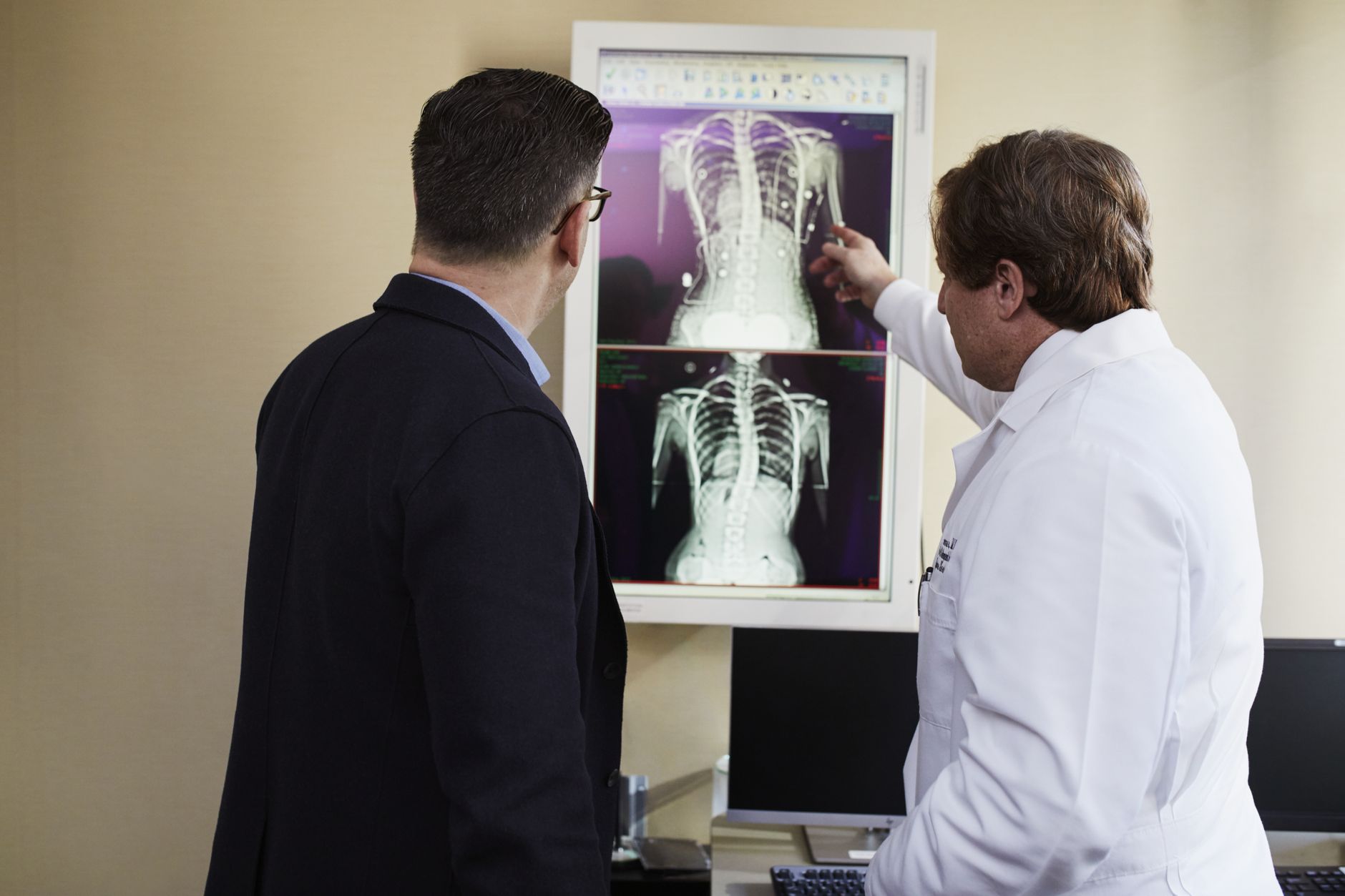
Heart disease is the leading cause of death worldwide — and yet it remains one of the most misunderstood health conditions. From drawing rooms in Rajkot to dinner tables across Gujarat, well-meaning myths about heart disease are passed around as facts. These myths can delay life-saving action, create false comfort, or cause needless worry.
In this article, we separate fact from fiction. Understanding the truth about heart disease is one of the most powerful steps you can take to protect yourself and your loved ones.
Myth 1: Heart Disease Only Affects Older Men
The truth: Heart disease can affect anyone — regardless of age or gender.
This is perhaps the most dangerous myth of all. Many people believe that heart disease is something to worry about only after the age of 60, and mostly if you are male. Both assumptions are wrong.
Women are equally at risk of heart disease. In fact, cardiovascular disease is the leading cause of death in women globally. The difference is that women often experience different, subtler symptoms — such as fatigue, nausea, jaw pain, or breathlessness — rather than the "classic" crushing chest pain. These symptoms are frequently dismissed or mistaken for something less serious, leading to delayed care.
As for age, doctors across India — including in cities like Rajkot — are seeing heart attacks in people in their 30s and 40s. Stressful lifestyles, poor diet, smoking, uncontrolled diabetes, and a family history of heart disease can all push the risk much earlier than most people expect.
Key point: Your heart does not check your age or gender before it runs into trouble. Awareness is your first defence.
Myth 2: If I Feel Fine, My Heart Must Be Fine
The truth: Many serious heart conditions develop silently, with no obvious symptoms.
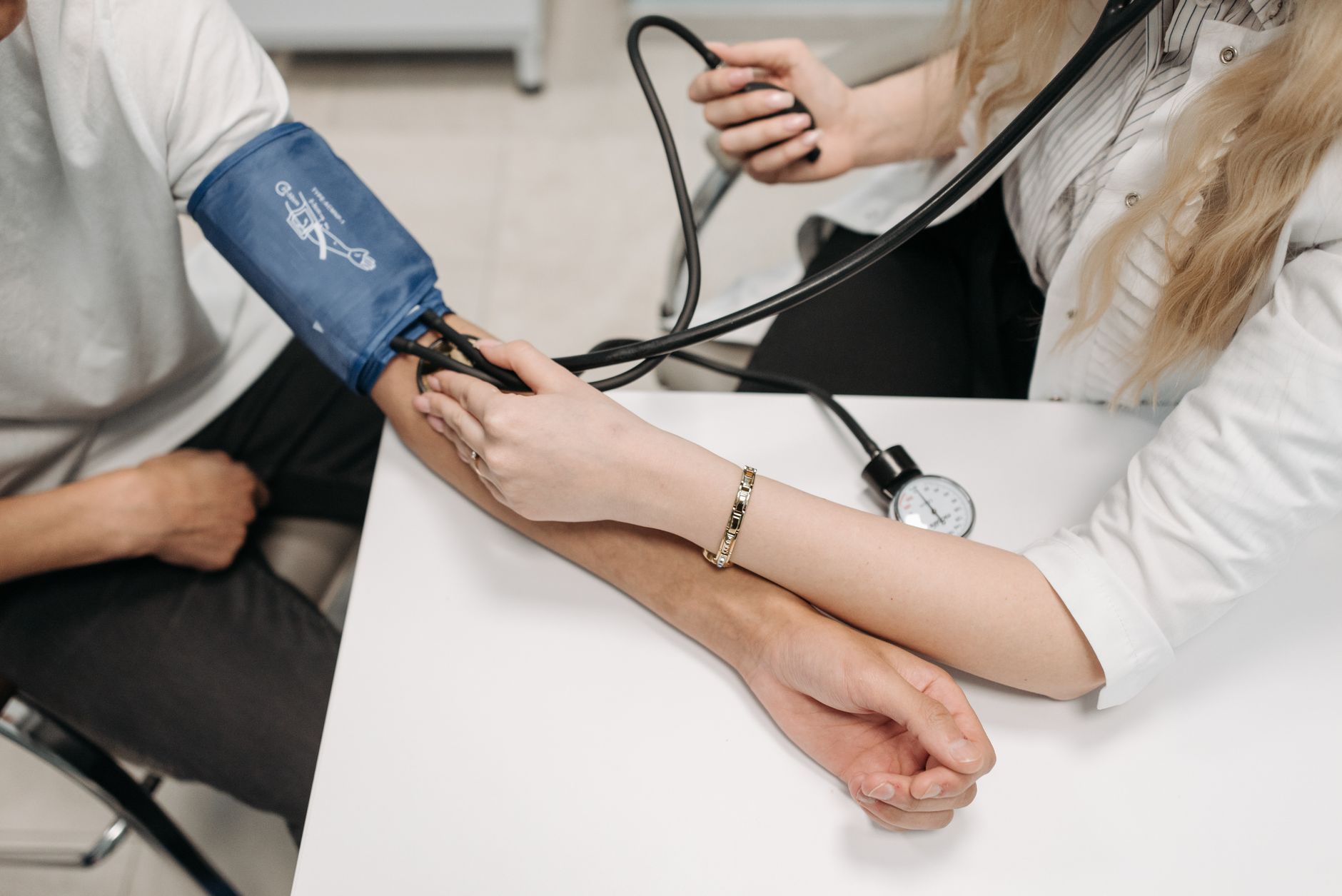
High blood pressure is often called the "silent killer" for exactly this reason. It causes no pain, no obvious warning, and yet steadily damages your arteries, heart, and kidneys over years. Similarly, high cholesterol builds up inside blood vessels without any feeling of discomfort — until a blockage triggers a heart attack.
A 55-year-old person might feel energetic, go about daily life normally, and still have significantly narrowed coronary arteries. This is why regular health check-ups and screenings are so important, even when you feel perfectly well.
Do not wait for symptoms to tell you something is wrong. Routine checks — blood pressure, fasting blood sugar, lipid profile — are simple, non-invasive, and can catch problems long before they become emergencies.

Myth 3: Heart Disease Runs in My Family, So There Is Nothing I Can Do
The truth: A family history raises your risk, but it does not write your destiny.
Genetics do play a role in heart disease. If your parents or siblings had heart attacks at a young age, you are at a higher risk. However, research consistently shows that lifestyle changes can significantly reduce that inherited risk.
Think of your genes as a loaded gun — but lifestyle factors are what pull the trigger. Quitting smoking, eating a balanced diet, staying physically active, managing stress, and keeping conditions like diabetes and blood pressure under control can all tip the scales in your favour — even if heart disease runs in your family.
Knowing your family history is valuable because it motivates earlier screening and proactive care. Rather than feeling helpless, use that knowledge as motivation to act sooner.
Myth 4: Heart Attacks Always Look Like They Do in the Movies
The truth: Heart attacks often present with subtle, easy-to-dismiss symptoms.
In films, a heart attack is dramatic — a sudden, intense clutching of the chest, followed by collapse. While that does happen, many real heart attacks are far quieter. Symptoms can include:
- Mild chest discomfort, pressure, or tightness (not always severe pain)
- Pain or discomfort spreading to the arm, jaw, neck, or back
- Shortness of breath, even at rest
- Unexplained sweating, nausea, or lightheadedness
- An unusual sense of fatigue or "something feels wrong"
Women, people with diabetes, and older adults are especially likely to experience these atypical symptoms. Dismissing them as indigestion, anxiety, or tiredness can cost precious time. If something feels off — especially in combination — seek medical attention promptly.

Myth 5: Young and Fit People Don't Get Heart Problems
The truth: Physical fitness reduces risk but does not eliminate it entirely.
We all know someone who was athletic and appeared healthy but still had a cardiac event. Being physically active is genuinely protective — it strengthens the heart, improves cholesterol levels, and reduces blood pressure. But it is not a complete shield.
Conditions like hypertrophic cardiomyopathy (a thickening of the heart muscle), undetected arrhythmias (irregular heartbeats), or congenital heart defects can affect young, fit individuals. High levels of emotional stress, substance use (including tobacco and alcohol), energy drinks, and stimulants can also strain even a young, active heart.
This is why young adults who experience unexplained palpitations, fainting, or breathlessness during exercise should speak to a cardiologist — even if they feel they are "too young" to have heart problems.
Myth 6: Chest Pain Always Means a Heart Attack
The truth: Chest pain has many causes — but it always deserves attention.
Not every chest pain is a heart attack. Acid reflux (acidity), muscle strain, anxiety, lung conditions like pleuritis, and even costochondritis (inflammation of cartilage in the chest wall) can all cause chest pain. Many patients in Rajkot and across Gujarat rush to the doctor fearing a heart attack and are reassured that the cause is much simpler.
However — and this is important — chest pain should never be self-diagnosed and dismissed at home. The consequences of ignoring a true cardiac event are far too serious. When in doubt, always get checked. A simple ECG and clinical assessment can quickly point your doctor in the right direction.
Myth 7: Taking a Heart Tablet Every Day Is Dangerous
The truth: Prescribed cardiac medications are safe and often essential for long-term heart health.
Some patients stop their blood pressure tablets, cholesterol medication (statins), or blood thinners because they feel better, fear side effects, or have heard that "too many medicines are bad for the kidneys." Stopping prescribed heart medications without medical advice can be genuinely dangerous.
Medications like statins, ACE inhibitors, and beta-blockers have decades of clinical evidence supporting their safety and effectiveness. Yes, all medications can have side effects — but your cardiologist prescribes them because the proven benefits outweigh the risks for your specific situation.
If you are concerned about a medication, discuss it openly with your doctor. Never stop or adjust doses on your own.
Myth 8: A Heart Attack Means My Active Life Is Over
The truth: Most people can return to a full, active life after a heart attack with the right care.
A heart attack is a serious event, but it is not the end of the road. With modern interventional treatments — such as angioplasty and stenting — many patients are back on their feet within days. Cardiac rehabilitation programmes, which include supervised exercise, dietary guidance, and emotional support, help patients regain strength and confidence.
Many people who have had heart attacks go on to live healthy, active lives for decades. The key is following medical advice, making meaningful lifestyle changes, attending follow-up appointments, and taking medications as prescribed.
Key Takeaways
- Heart disease affects all ages and genders — do not assume you are too young or the wrong gender to be at risk.
- Many serious conditions like high blood pressure and high cholesterol have no symptoms — regular screening is essential.
- A family history of heart disease raises your risk but does not make it inevitable — lifestyle changes make a real difference.
- Heart attacks can present with subtle symptoms, not just dramatic chest pain — know the warning signs.
- Never stop prescribed cardiac medications without speaking to your doctor first.
- A heart attack does not mean the end of an active life — with good care and lifestyle changes, recovery is very much possible.
If you have concerns about your heart health, or if any of these myths made you think of your own situation, we encourage you to speak with a qualified cardiologist. Early, personalised guidance is always more valuable than guesswork. You are welcome to book a consultation with Dr. Nikhila Pachani, Consultant Interventional Cardiologist in Rajkot, to discuss your heart health in a supportive and professional environment.
Frequently asked questions
- Can young people in their 30s really get heart disease?
- Yes. While the risk increases with age, heart disease can and does affect people in their 30s and 40s. Risk factors like smoking, diabetes, high blood pressure, obesity, stress, and a strong family history can accelerate the development of heart problems at a younger age. If you have these risk factors, speak to a cardiologist early.
- Is heart disease less serious in women than in men?
- No — this is a common and dangerous misconception. Heart disease is the leading cause of death in women worldwide. Women may experience different or subtler symptoms than men (such as fatigue, nausea, or jaw pain), which can lead to delayed diagnosis. Women should be equally proactive about heart health screening and awareness.
- If I feel healthy and have no symptoms, do I still need a heart check-up?
- Yes, regular check-ups are important even when you feel well. Conditions like high blood pressure and high cholesterol often have no noticeable symptoms but can silently damage your heart and blood vessels over time. Simple, non-invasive tests such as a blood pressure measurement, lipid profile, and ECG can detect these problems early.
- Can lifestyle changes really make a difference if heart disease runs in my family?
- Absolutely. A family history of heart disease does raise your risk, but it does not mean heart disease is inevitable. Research shows that maintaining a healthy diet, exercising regularly, avoiding tobacco, managing stress, and controlling conditions like diabetes and high blood pressure can significantly reduce your risk — even if you have a genetic predisposition.