A Perfectly Healthy Heart — Stopped by a Single Strike
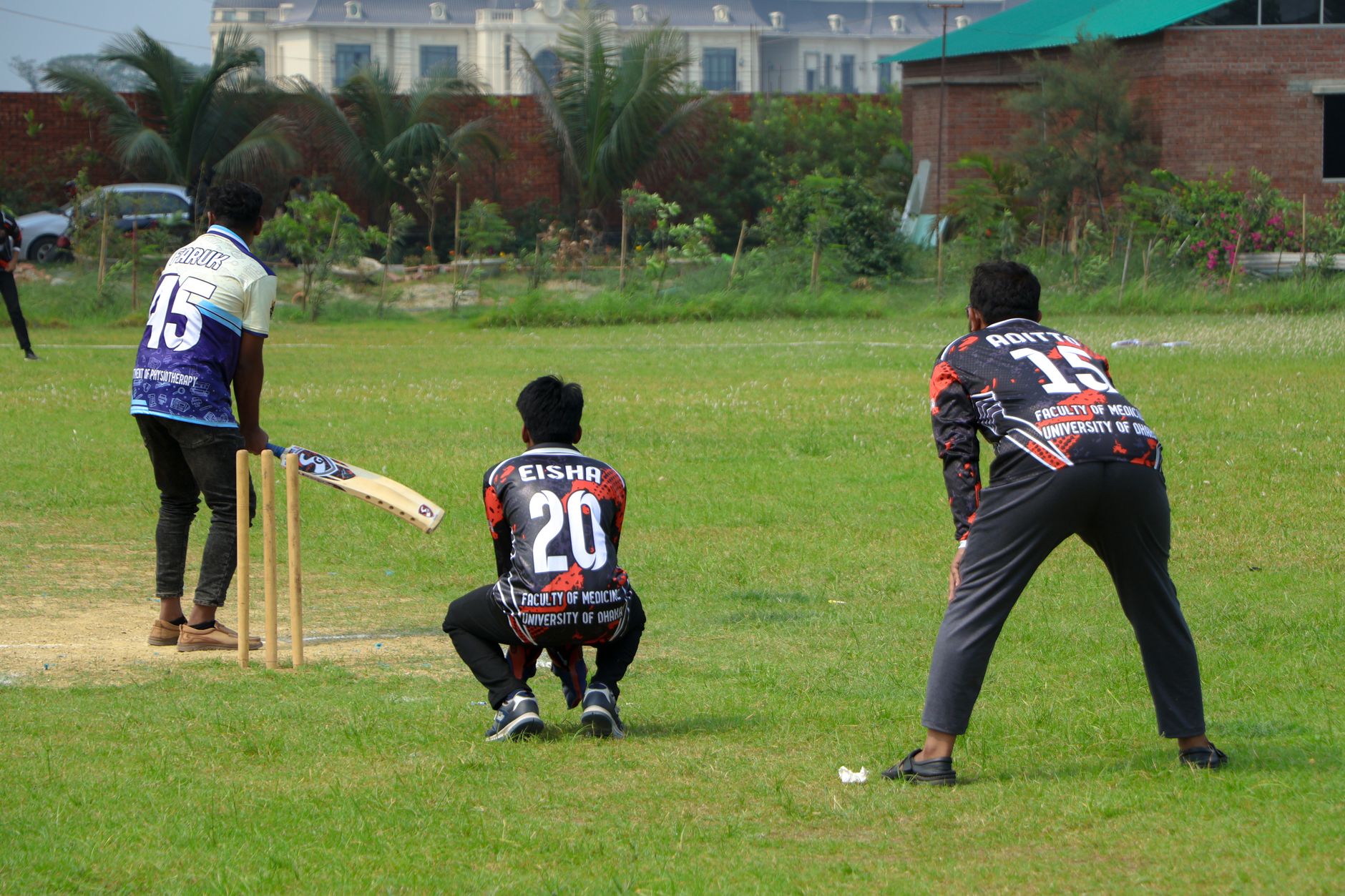
Imagine a 16-year-old cricketer facing a fast delivery. The ball strikes his chest just at the wrong moment. Within seconds, he collapses. There is no visible injury. His heart has simply stopped.
This is commotio cordis — a Latin phrase meaning "agitation of the heart." It is one of the most striking, and least understood, cardiac emergencies in young people. It does not require a pre-existing heart condition. It does not need a high-speed impact. All it takes is a blow arriving at exactly the wrong millisecond of the heartbeat.
Understanding this condition can literally mean the difference between life and death for a young player on a cricket ground, football pitch, or kabaddi court right here in Rajkot or anywhere across India.
What Exactly Is Commotio Cordis?
Commotio cordis is sudden cardiac arrest triggered by a blunt, non-penetrating blow to the chest — one that is otherwise not strong enough to cause any structural damage to the ribs, sternum, or the heart muscle itself.
The heart is an electrical organ as much as a mechanical pump. Every heartbeat follows a precise electrical sequence. There is one tiny window in that cycle — called the T-wave — that lasts only about 10–30 milliseconds. If a blow lands during this window, the electrical system can be thrown into chaos, triggering a dangerous rhythm called ventricular fibrillation (VF). In VF, the heart quivers uselessly instead of pumping blood. Blood flow to the brain stops within seconds.
Why Young People?
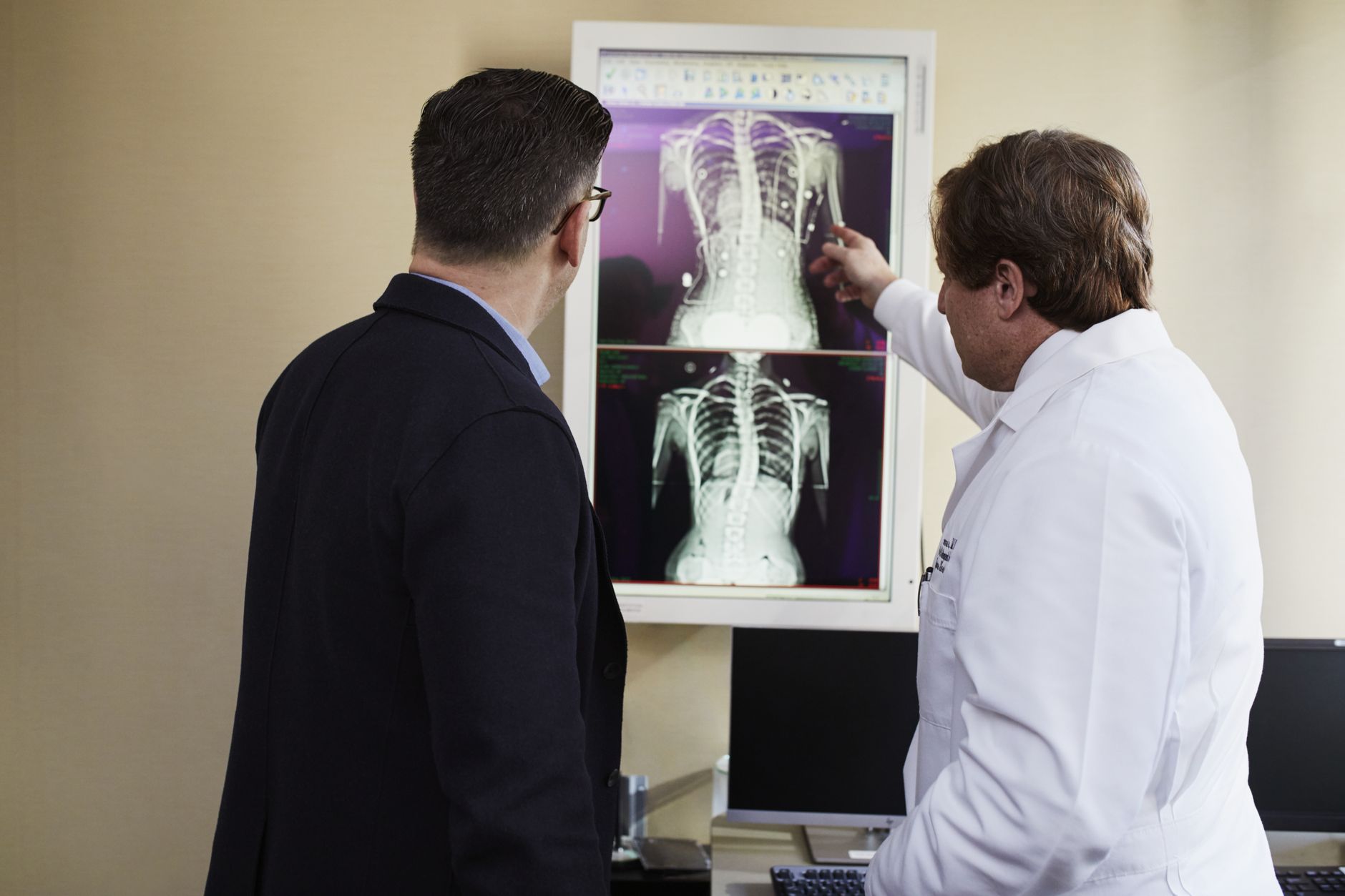
Commotio cordis affects young people — typically under 20 years of age — far more often than adults. The reasons are:
- A more flexible, compliant chest wall. In children and teenagers, the ribcage is softer. It transmits the force of a blow directly to the heart more efficiently than the stiffer chest of an adult.
- Active participation in sports. Young people play more — and play hard. Cricket balls, footballs, hockey pucks, and even a well-aimed punch during martial arts training can be culprits.
- No underlying disease needed. This is not about a "weak heart." The young person can be completely fit and healthy. That is what makes commotio cordis so shocking for families and coaches.
Which Sports Carry a Risk?
Commotio cordis has been documented in many sporting activities. In the Indian context, sports to be aware of include:
- Cricket — fast-moving ball to the chest of a fielder, wicket-keeper, or batter
- Football / Futsal — ball struck hard into the chest
- Hockey — ball or stick impact to the chest
- Volleyball and basketball — less common, but reported
- Martial arts — a kick or punch to the sternum area
- Baseball and softball — historically the most documented setting in global literature
It is important to note that this is rare. Millions of young people play sports every day without incident. However, rarity does not mean it should be ignored — because when it does happen, every second counts.
Recognising the Emergency: Act in Seconds
Speed of recognition is everything. The survival window is very short.
Signs to watch for:
- A young player is struck in the chest area
- They collapse immediately or within a few seconds
- They are unresponsive — cannot be roused by calling their name or shaking
- They are not breathing normally (may gasp or show no breath at all)
- There may be no visible injury — no bruise, no swelling
Key point: Do NOT assume the player has just had the "wind knocked out" of them. If they do not get up and respond within a few seconds, treat it as a cardiac emergency.
Key Takeaways
- Commotio cordis is sudden cardiac arrest caused by a well-timed blow to the chest — not by structural heart damage.
- It predominantly affects children, teenagers, and young adults with otherwise healthy hearts.
- The underlying cause is ventricular fibrillation — a chaotic heart rhythm that stops effective blood flow.
- Survival depends on CPR starting within 1–2 minutes and defibrillation within 3–5 minutes.
- AEDs (Automated External Defibrillators) at sports venues can be life-saving.
- Any young player who collapses after a chest blow must be treated as a cardiac emergency — no exceptions.
- Protective chest gear reduces risk but cannot eliminate it entirely.
The Chain of Survival: What to Do Right Now
If you witness a young person collapse after a chest blow, follow these steps without hesitation:
Step 1 — Call for Help Immediately
Shout for someone to call 112 (India's national emergency number) right away. Do not wait to see if the person recovers on their own.
Step 2 — Check for Response and Breathing
Tap their shoulder firmly and call their name. Look for chest rise. If there is no response and no normal breathing, begin CPR immediately.
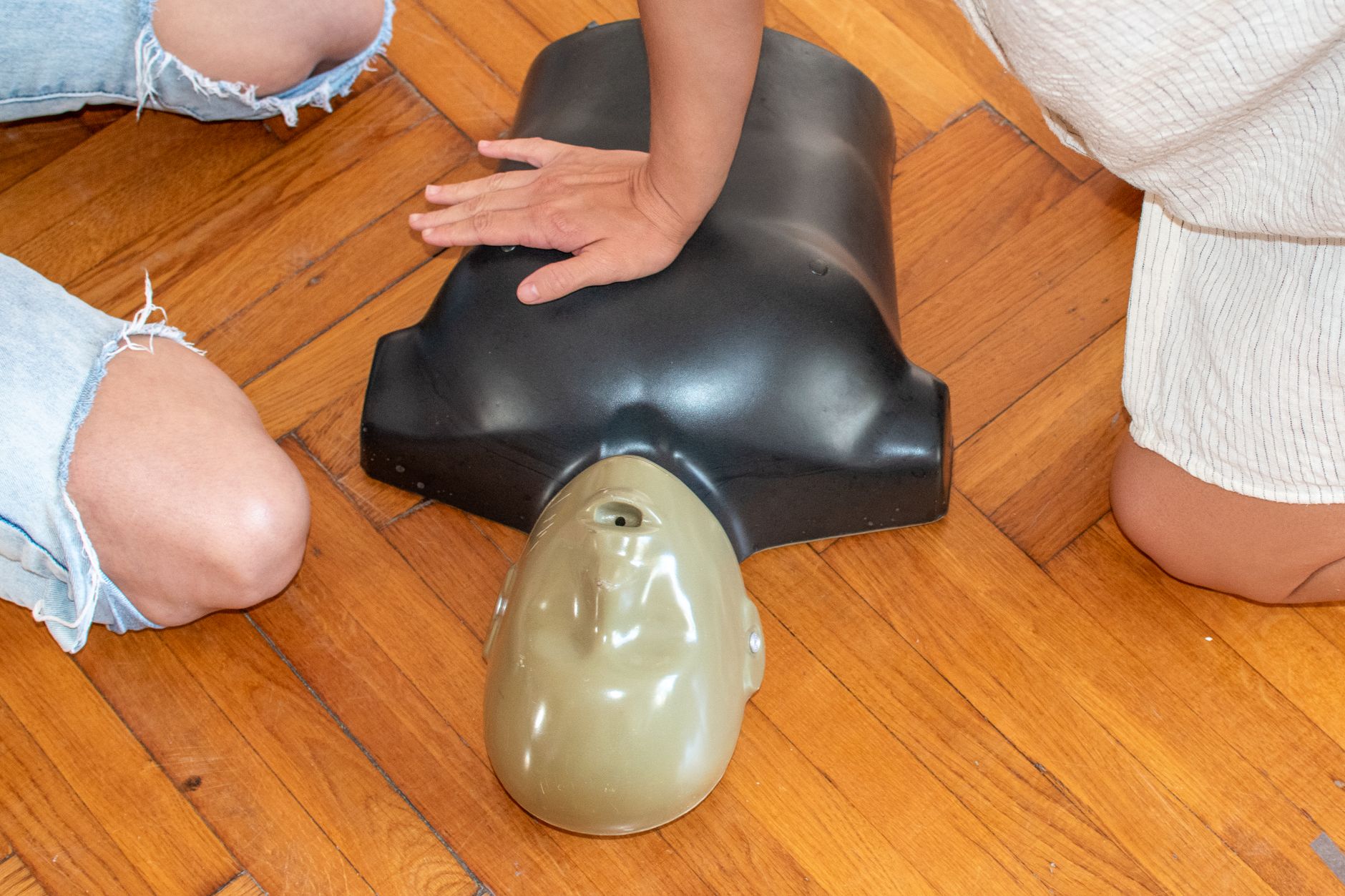
Step 3 — Start CPR (Cardiopulmonary Resuscitation)
- Place the heel of your hand on the centre of the chest (lower half of the breastbone).
- Push down hard and fast — at least 5 cm deep, at a rate of 100–120 pushes per minute.
- If you are trained in rescue breaths, give 2 breaths after every 30 compressions. If not, continuous chest compressions alone are still extremely valuable.
- Do not stop until an AED arrives or emergency services take over.
Step 4 — Use an AED as Soon as One Is Available
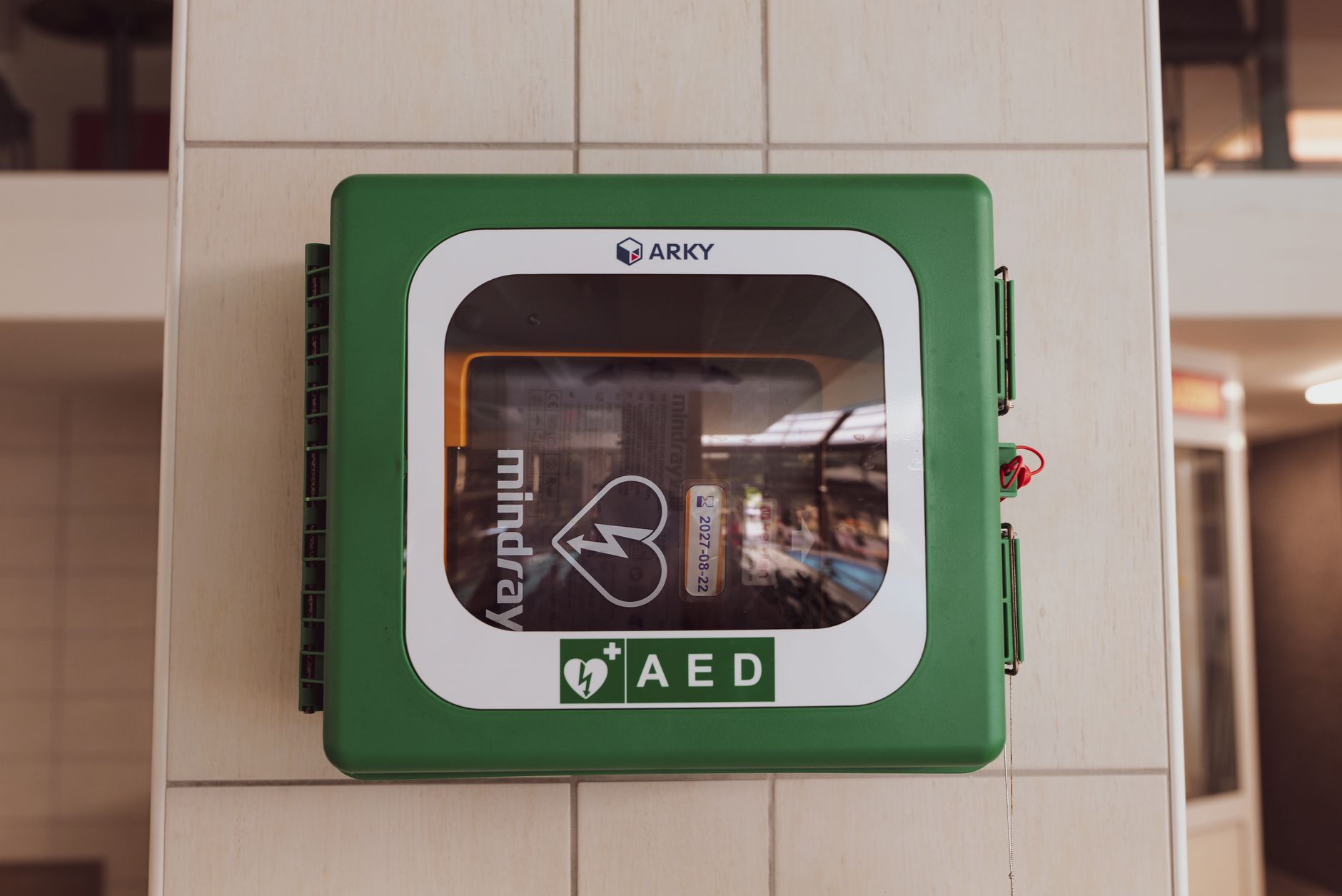
An Automated External Defibrillator (AED) is a device that analyses the heart's rhythm and delivers an electric shock to restore a normal rhythm. It gives you clear, spoken instructions — anyone can use one even without prior training.
- Switch it on and follow the voice prompts
- Attach the pads to bare skin as shown in the diagram on the pads
- Stand clear and let the device analyse and shock if advised
- Resume CPR immediately after each shock
Why the AED Matters So Much
CPR keeps blood moving, but only defibrillation can correct ventricular fibrillation. Research consistently shows that for every minute without defibrillation, the chance of survival drops significantly. With CPR started in 1–2 minutes and defibrillation within 3–5 minutes, survival rates improve dramatically. Without it, the outcome is almost always fatal.
This is why sports facilities — schools, stadiums, gymnasiums, community grounds — should have AEDs on the premises and staff trained in their use.
Can Commotio Cordis Be Prevented?
There is no guaranteed way to prevent every case, but there are sensible precautions:
Protective Equipment
- Age-appropriate chest protectors for cricket (wicket-keepers, close-in fielders, batters at junior level), baseball catchers, and hockey goalkeepers can reduce force transmission.
- Properly fitted gear matters — a protector that does not sit correctly offers less protection.
- Studies suggest that softer, safety-designed balls for young children in cricket and baseball may lower risk.
Coaching Awareness
Coaches, physical education teachers, and sports officials in Rajkot and across Gujarat should be familiar with commotio cordis. Early recognition and immediate action by a bystander on the field — not a doctor arriving minutes later — is what saves lives.
CPR and AED Training
Schools, sports clubs, and parents can enrol in basic life support (BLS) or CPR-AED courses. Training bodies such as the Indian Resuscitation Council offer structured programmes. A 2-hour hands-on workshop is all it takes to be prepared.
A Word About Post-Recovery Care
For those fortunate enough to survive commotio cordis — thanks to fast CPR and defibrillation — the recovery journey involves:
- Comprehensive cardiac evaluation including ECG, echocardiogram, and sometimes advanced electrophysiology studies
- Assessment to rule out any underlying cardiac condition that may have increased vulnerability
- A structured, medically supervised decision on return to sport
It is reassuring to note that in many survivors, no underlying heart disease is found — the heart itself is structurally normal. However, each case must be evaluated individually by a qualified cardiologist before a young person returns to competitive sport.
You Can Be the Difference
A cardiac emergency on a sports field is terrifying. But knowing what to look for — and knowing the three steps of calling for help, starting CPR, and using an AED — transforms a bystander into a lifesaver.
In a city like Rajkot, where cricket is a way of life and children play on grounds in every neighbourhood, awareness of commotio cordis is not just medical knowledge. It is community safety.
If you have concerns about your child's heart health, a family history of cardiac conditions, or would like advice on cardiac screening before your young athlete returns to sport, consider booking a consultation with a qualified cardiologist. Early evaluation brings peace of mind — and sometimes, it saves a life.
Frequently asked questions
- What is commotio cordis and who is most at risk?
- Commotio cordis is sudden cardiac arrest caused by a blunt, non-penetrating blow to the chest that arrives during a specific vulnerable moment in the heart's electrical cycle. It most commonly affects children, teenagers, and young adults — typically under 20 years of age — who have otherwise completely healthy hearts. Young people are at higher risk because their chest walls are more flexible, transmitting impact force directly to the heart.
- What should I do if a young player collapses after a chest blow?
- Treat it as a cardiac emergency immediately. Call 112 for help, check if the person is unresponsive and not breathing normally, start CPR (hard, fast chest compressions at 100–120 per minute), and use an Automated External Defibrillator (AED) as soon as one is available. Do not wait to see if they recover on their own — every second matters.
- Can wearing chest protection prevent commotio cordis?
- Proper chest protectors — such as those worn by cricket wicket-keepers or fielders at close range — can help reduce the force of an impact and lower the risk of commotio cordis. Specially designed softer balls for younger age groups may also help. However, no protective equipment can eliminate the risk entirely, which is why CPR and AED awareness remain essential.
- Can a young person return to sport after surviving commotio cordis?
- Potentially yes, but only after a thorough cardiac evaluation by a qualified cardiologist. This typically includes an ECG, echocardiogram, and sometimes further tests to rule out any underlying electrical or structural heart condition. The decision to return to competitive sport must be made on an individual basis with medical guidance — it should never be rushed.