A Parent's Guide to Congenital Heart Defects in Children
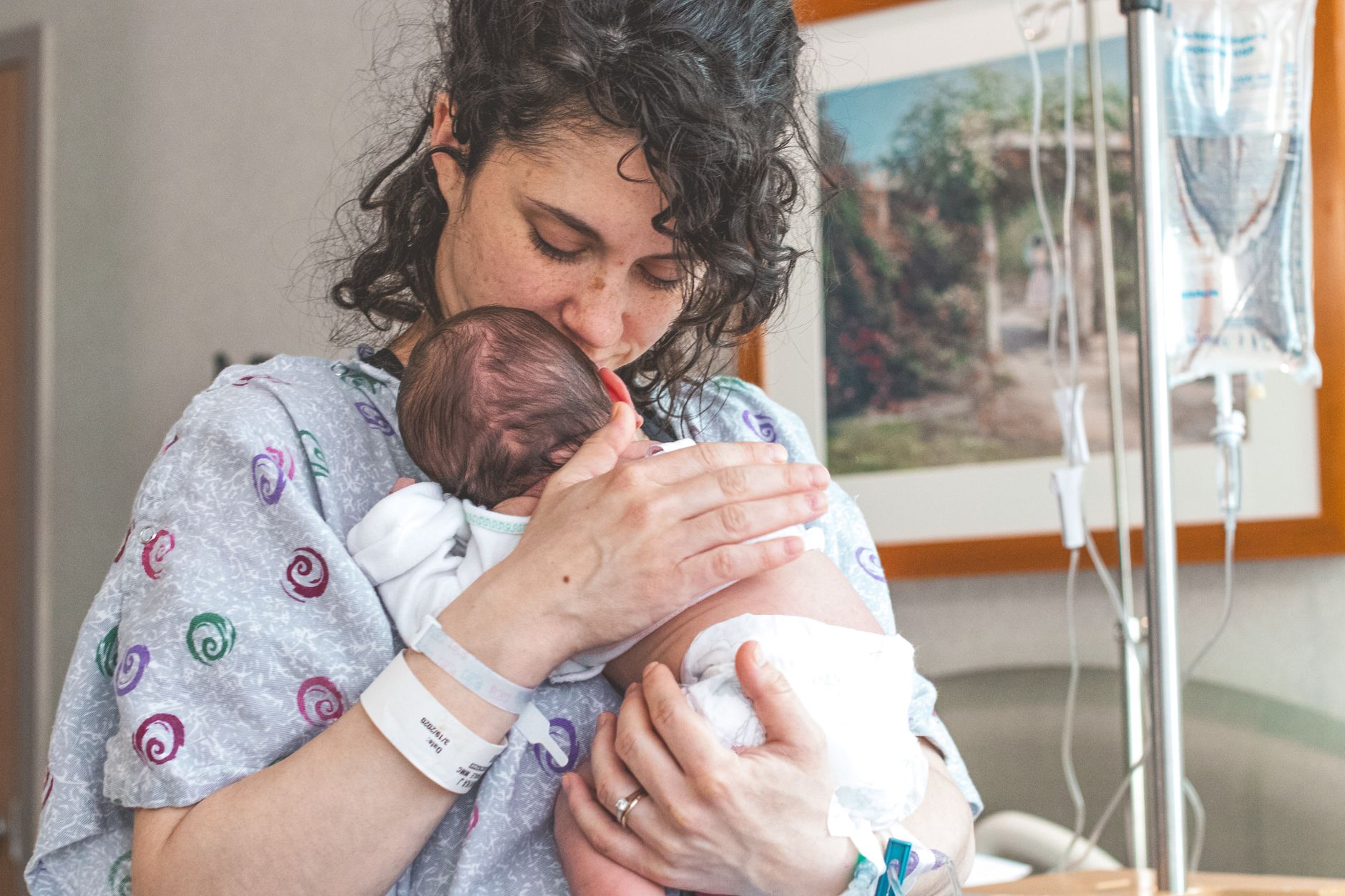
Hearing the words "your child has a heart defect" can feel overwhelming. Your mind races, your heart sinks, and you may not know what questions to ask first. Take a deep breath. You are not alone — and understanding what a congenital heart defect (CHD) actually means is the most empowering first step you can take as a parent.
This guide walks you through what CHDs are, how they are detected, what treatment can look like, and — most importantly — how children with heart defects grow up to lead full, active lives.
What Is a Congenital Heart Defect?
The word congenital simply means "present at birth." A congenital heart defect is a structural problem with the heart that develops while a baby is growing in the womb. It may involve the walls between the heart's chambers, the valves that control blood flow, or the large blood vessels that carry blood to and from the heart.
CHDs are among the most common birth defects worldwide. In India, it is estimated that roughly 8–9 out of every 1,000 babies are born with some form of congenital heart defect. Many of these are mild and may never require treatment. Others need monitoring or intervention — but even complex CHDs are increasingly manageable with modern cardiology.
Are All Congenital Heart Defects the Same?
Not at all. They range widely in type and severity:
- Septal defects — often called a "hole in the heart." These include Ventricular Septal Defect (VSD) and Atrial Septal Defect (ASD), where there is an abnormal opening between the heart's chambers.
- Valve defects — where a heart valve is narrowed (stenosis), leaky, or malformed.
- Patent Ductus Arteriosus (PDA) — a blood vessel that normally closes after birth fails to do so.
- Tetralogy of Fallot — a combination of four structural problems, one of the more complex CHDs.
- Coarctation of the aorta — a narrowing of the body's main artery.
Some children have a single, simple defect; others may have a combination. Each child's heart is unique, and so is their care plan.
How Are Congenital Heart Defects Detected?
Many CHDs are discovered before birth, during a routine foetal echocardiogram (an ultrasound of the baby's heart). Others are picked up shortly after birth or during a child's early years.
Signs That May Appear in Newborns and Infants
- Bluish tint to the lips, fingernails, or skin (called cyanosis)
- Rapid or laboured breathing
- Poor feeding or tiring quickly during feeds
- Slow weight gain
- Sweating during feeding
Signs That May Appear in Older Children
- Getting unusually tired during play or physical activity
- Frequent respiratory infections
- A heart murmur detected by a doctor during a routine check-up
- Swelling in the legs, abdomen, or around the eyes
It is important to remember that a heart murmur does not always mean a serious problem. Many children have "innocent" murmurs — normal sounds of blood flowing — that require no treatment at all. A paediatric cardiologist can tell the difference.
Diagnostic Tests Used
If a CHD is suspected, a cardiologist will typically use one or more of the following:
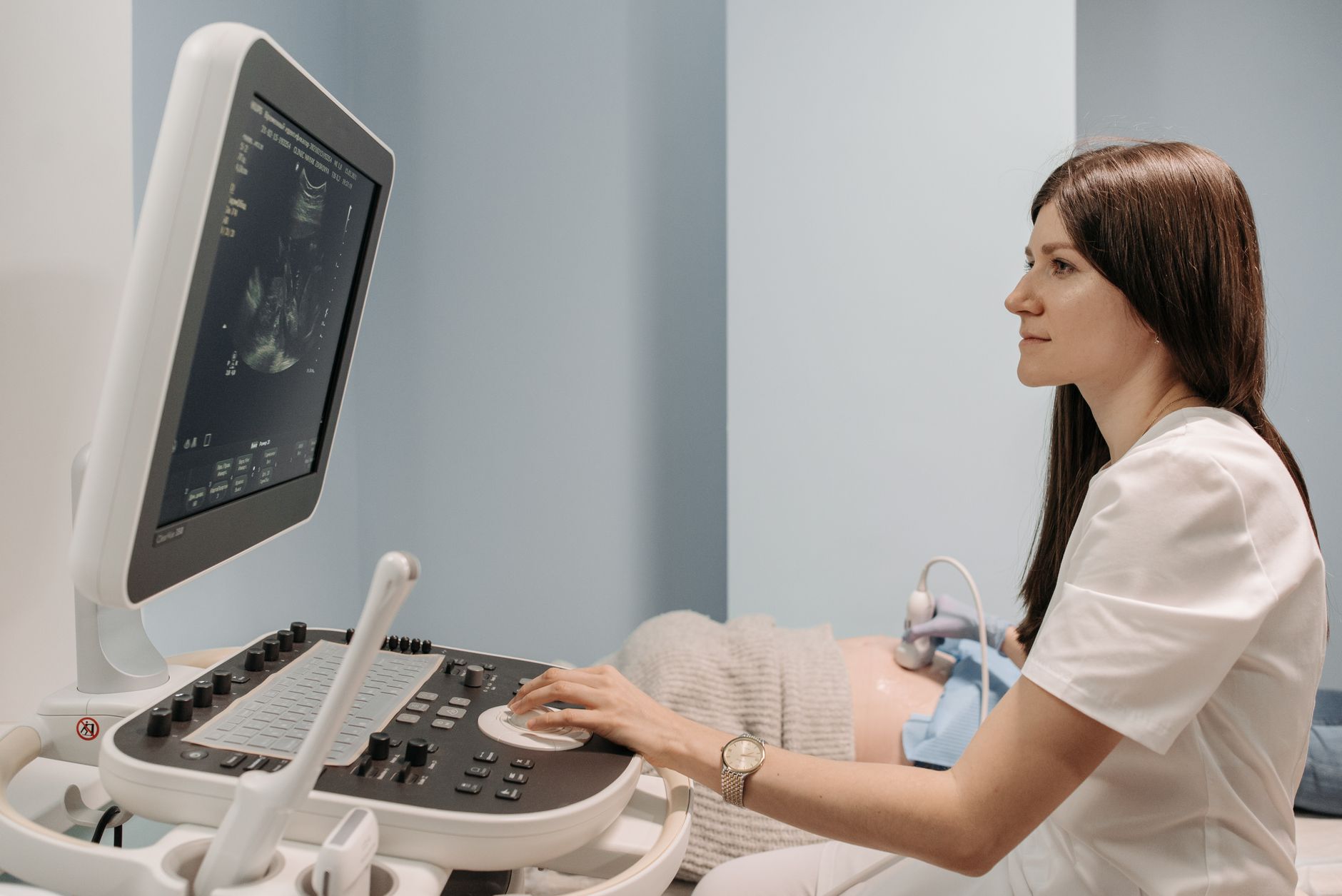
- Echocardiogram (Echo) — an ultrasound scan of the heart. It is non-invasive and comfortable for children, and it gives detailed images of the heart's structure and function.
- Electrocardiogram (ECG/EKG) — records the heart's electrical activity.
- Chest X-ray — shows the size and shape of the heart.
- Pulse oximetry — a simple clip on the finger that measures blood oxygen levels.
- Cardiac MRI or CT scan — used for more complex cases.
Treatment Options: What to Expect
The good news is that treatment for congenital heart defects has advanced enormously over the past few decades. Many defects that once required open-heart surgery can now be treated with catheter-based (interventional) procedures — a special area of expertise in modern interventional cardiology.
Watchful Waiting
For mild defects — such as a small VSD or innocent murmur — a cardiologist may simply monitor the child regularly. Many small holes in the heart close on their own as the child grows.
Medications
Some children are given medicines to help the heart work more efficiently, manage fluid, or control blood pressure while the heart develops or before a procedure.
Catheter-Based Procedures (Interventional Cardiology)
This is a minimally invasive approach. A thin, flexible tube (catheter) is guided through a blood vessel — usually in the groin — up to the heart. Through this catheter, a cardiologist can:
- Close a hole in the heart using a small device (for ASD, VSD, or PDA closure)
- Widen a narrowed valve or vessel using a tiny balloon (balloon valvuloplasty)
- Place a stent to keep a vessel open
These procedures typically involve a short hospital stay, no large incisions, and a quicker recovery compared to surgery. For many families in Rajkot and across Gujarat, this means their child can return home and to normal life much sooner.
Cardiac Surgery
More complex defects may require open-heart surgery. While this sounds daunting, paediatric cardiac surgery has a strong track record, and a skilled surgical team will explain every step to you clearly before proceeding.
A Note on Illustrative Examples
To help make this real: a 6-month-old might be found to have a moderate-sized ASD during a routine check-up after the family noticed she tired easily during feeding. After monitoring for a few months, her cardiologist might recommend a catheter-based ASD closure — a short procedure — after which she feeds normally, gains weight steadily, and meets all developmental milestones. Stories like this are very common.
Living Well With a Congenital Heart Defect
A CHD diagnosis is not a life sentence of restriction. With the right care:
- Most children can go to school, play, and participate in activities — sometimes with simple precautions.
- Follow-up care matters. Even after a successful procedure, regular cardiology check-ups ensure the heart continues to function well as the child grows.
- Vaccinations and dental hygiene are especially important for children with CHDs, as infections can affect the heart.
- Open communication with teachers and school staff helps create a supportive environment.
- Mental and emotional support for both child and family is a real and valid part of care. Connecting with other CHD families — through support groups or online communities — can be incredibly comforting.

Frequently Asked Questions by Parents
Did I cause my child's heart defect? Almost certainly not. Most CHDs have no single identifiable cause. Some are linked to genetic factors, some to viral infections in early pregnancy (such as rubella), and some to certain medicines. The vast majority occur by chance. Please do not carry unnecessary guilt.
Will my next child also have a CHD? The risk is slightly higher in siblings than in the general population, but it remains low for most types of CHD. A genetic counsellor or cardiologist can give you personalised guidance.
Can my child exercise and play sports? For many children with corrected or mild CHDs, physical activity is not only allowed but encouraged. Your cardiologist will advise on any specific limits based on your child's individual heart condition.
Key Takeaways
- Congenital heart defects are structural heart problems present at birth and are more common than many people realise.
- They range from simple to complex — many mild defects close on their own.
- Early detection through screening and echocardiography greatly improves outcomes.
- Modern interventional (catheter-based) procedures allow many defects to be corrected with minimal invasion and faster recovery.
- Children with CHDs can and do live full, active, joyful lives with appropriate follow-up care.
- You did not cause your child's heart defect — and you are not alone on this journey.
If you have noticed any concerning symptoms in your child, or if you have been told your child has a heart murmur or suspected heart defect, do not hesitate to seek a specialist opinion. Dr. Nikhila Pachani, Consultant Interventional Cardiologist in Rajkot, Gujarat, is available to guide you and your family with clarity and compassion — book a consultation today to take the next step towards your child's heart health.
Frequently asked questions
- What is a congenital heart defect in children?
- A congenital heart defect (CHD) is a structural problem with the heart that is present at birth. It can affect the heart's walls, valves, or blood vessels, and ranges from mild conditions that need only monitoring to more complex ones that require treatment.
- How are congenital heart defects diagnosed in children?
- CHDs can be detected before birth via a foetal echocardiogram, or after birth through signs like bluish skin (cyanosis), rapid breathing, poor feeding, or a heart murmur found during a routine check-up. Tests such as an echocardiogram, ECG, or chest X-ray are used to confirm the diagnosis.
- Can a congenital heart defect be treated without open-heart surgery?
- Yes, many CHDs — such as holes in the heart (ASD, VSD) and narrowed valves — can now be corrected using minimally invasive catheter-based procedures. A thin tube is guided to the heart through a blood vessel to close holes or widen narrow areas, usually with a short hospital stay and quick recovery.
- Can children with congenital heart defects live a normal life?
- Absolutely. With timely diagnosis, appropriate treatment, and regular follow-up with a cardiologist, most children with CHDs attend school, play sports (with guidance), and grow into healthy adults. Ongoing check-ups are important to monitor the heart as the child grows.