
Why Something as Common as Constipation Deserves Serious Attention
When we talk about heart health, we usually focus on blood pressure, cholesterol, or stress. Very few people — even after a heart attack or heart surgery — think about their bowel habits as a heart concern. Yet constipation risk for heart patients is very real, and straining during a bowel movement can put unexpected stress on the heart and blood vessels.
If you or a loved one is recovering from a cardiac event, or if you have a known heart condition, this article will help you understand why managing constipation matters, what happens inside your body when you strain, and — most importantly — how to keep things comfortable and safe.
What Happens in Your Body When You Strain?
Most of us have experienced the urge to strain hard when constipated. It feels like a small, harmless effort. But inside your body, something significant is happening.
When you hold your breath and bear down — a reflex doctors call the Valsalva maneuver — a chain of events is triggered:
- Pressure inside your chest rises sharply. This compresses the large veins that carry blood back to your heart.
- Blood flow to the heart drops briefly, causing your heart to pump harder to compensate.
- Your blood pressure spikes suddenly and then can dip just as quickly when you release the strain.
- Your heart rate changes rapidly — first slowing, then jumping up.
For a young, healthy person, this brief rollercoaster is handled easily. But for someone with a weakened heart muscle, narrowed arteries, a recent stent placement, or heart rhythm problems, these sudden swings can be dangerous. They can trigger arrhythmias (irregular heartbeats), a sudden drop in blood pressure, or in rare but serious cases, put enough strain on a vulnerable blood vessel to contribute to a cardiac event.
Who Is Most at Risk?
Not every heart patient faces the same level of concern. However, constipation risk for heart patients is highest in the following groups:
- Patients recovering from a heart attack (myocardial infarction) — The heart muscle is healing and is more sensitive to sudden stress.
- Patients after open-heart surgery or bypass surgery (CABG) — Straining can strain the healing chest wall and also stress the heart.
- Patients after a coronary stent procedure — Blood pressure swings can affect blood flow through the newly opened artery.
- Patients with heart failure — The heart is already working harder than usual; any extra demand can worsen symptoms.
- Elderly patients on multiple medications — Many cardiac drugs, including certain pain relievers, diuretics, and iron supplements, can cause or worsen constipation.
- Patients on bed rest or reduced activity — Slowed movement naturally slows the digestive system.
In our cardiology practice in Rajkot, this is a conversation we regularly have with patients during their recovery counselling — and it is one that families often say no one warned them about.
The Medication Connection
If you are a heart patient, take a moment to look at your prescription. Several very common cardiac medications are known to cause or worsen constipation:
- Iron supplements (prescribed for anaemia alongside heart conditions)
- Opioid-based pain relievers (sometimes used after surgery)
- Certain calcium channel blockers (used for blood pressure and angina)
- Diuretics (water pills can dehydrate you, making stools harder)
- Antacids containing aluminium or calcium (commonly self-prescribed)
This does not mean you should stop any medication on your own — never do that. But it does mean that discussing constipation with your cardiologist or care team is entirely appropriate and important. There are safe solutions available.
Simple, Evidence-Aligned Ways to Prevent Constipation
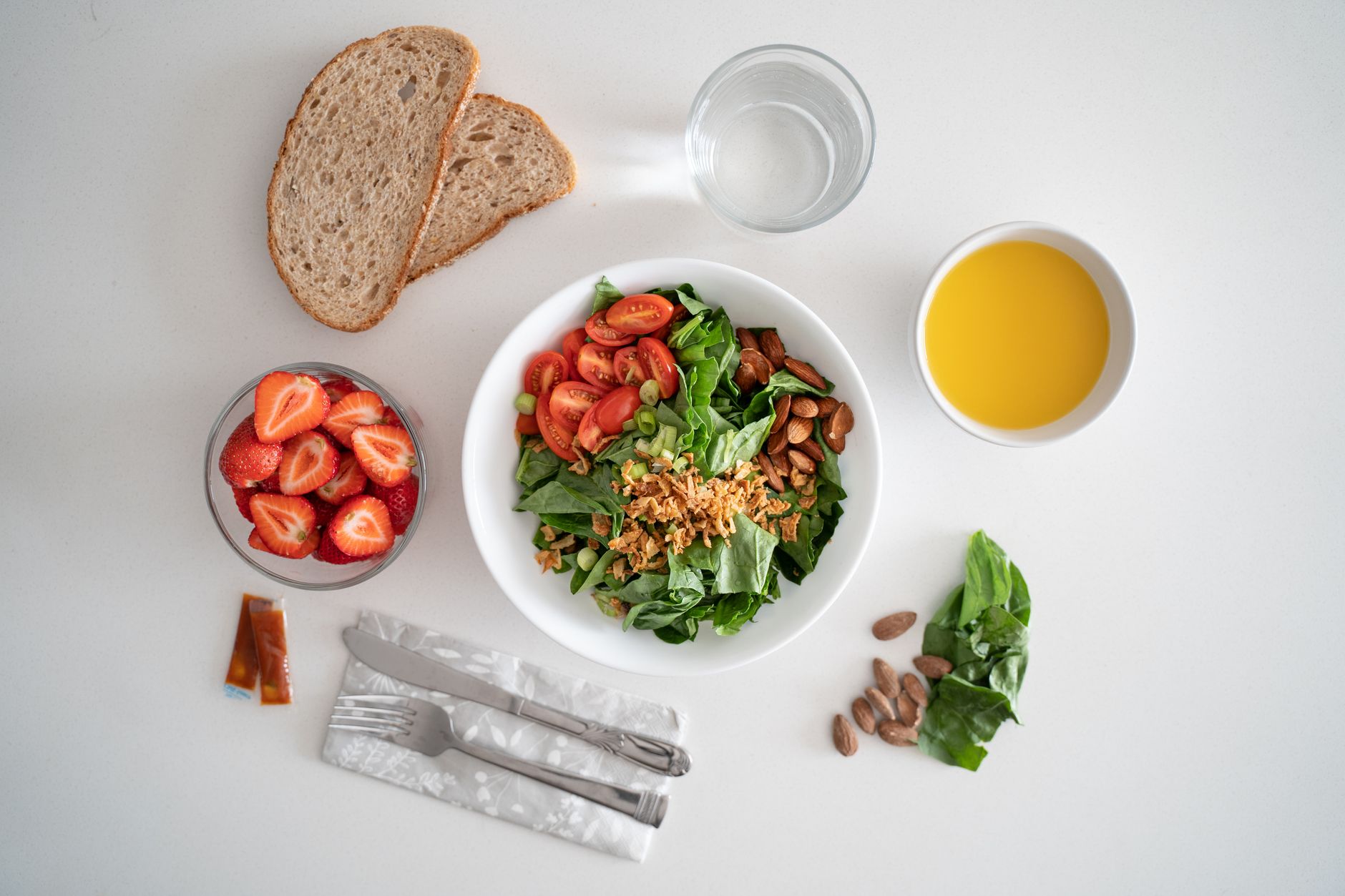
The good news is that most constipation in heart patients can be gently managed with lifestyle adjustments and, where needed, medications your doctor can prescribe. Here is what generally helps:
1. Eat More Fibre — Gradually
Fibre adds bulk to stools and helps them move through the intestine more comfortably. Good sources include:
- Fruits: Papaya, guava, pears, figs, and prunes (alubukhara) are especially helpful.
- Vegetables: Leafy greens, carrots, beans, and bottle gourd (lauki).
- Whole grains: Whole wheat chapati, oats, and bajra (commonly eaten across Gujarat) are excellent choices.
Increase fibre slowly — a sudden large increase can cause bloating, which is uncomfortable. Aim to add one new fibre-rich food every few days.

2. Stay Well Hydrated
Dehydration is one of the leading causes of hard, difficult-to-pass stools. Most heart patients are advised to monitor their fluid intake (especially if they have heart failure), so ask your doctor what your daily fluid goal should be. For many patients without fluid restriction, 6–8 glasses of water a day is a helpful target.
Warm water first thing in the morning is a simple habit that many people find naturally encourages a bowel movement.
3. Move Gently — As Permitted
Physical activity, even a short, slow walk, helps stimulate the digestive system. In Rajkot's pleasant early mornings, a gentle 10–15 minute walk in a nearby garden or even around the home corridor can make a meaningful difference for a recovering heart patient. Always follow your cardiologist's specific guidance on how much activity is safe at each stage of your recovery.

4. Respond to the Urge — Do Not Delay
Ignoring the natural urge to have a bowel movement causes stools to sit longer in the colon, where more water is absorbed from them, making them harder and more difficult to pass. When the urge comes, respond to it calmly and promptly.
5. Never Strain Hard — Ask for Help Instead
This is the most important point. If you find yourself needing to strain forcefully, stop. This is a signal that something needs to change — your diet, your hydration, your medications, or all three. Speak to your doctor before the problem becomes an emergency. A short course of a gentle stool softener or osmotic laxative, as prescribed by your cardiologist or treating physician, is far safer than the strain itself.
6. Use a Comfortable Toilet Position
Placing a small footstool under your feet while sitting on the toilet brings your knees above your hips, which is a natural squatting position. This position relaxes the puborectalis muscle and allows for easier, less effortful passing of stools — no straining required.
A Word for Caregivers and Family Members
In many households in Gujarat and across India, family members play a central role in a patient's recovery. If you are caring for a parent, spouse, or relative after a heart procedure:
- Ask the care team about bowel habits as part of the discharge checklist.
- Watch for signs of constipation: no bowel movement for 2–3 days, hard stools, abdominal discomfort, or the patient expressing difficulty.
- Do not offer home remedies without checking — some traditional solutions (like excessive castor oil or certain herbal preparations) may interact with cardiac medications.
- Encourage and reassure — many patients feel embarrassed to mention this issue. Let them know it is an important and normal part of recovery.
Key Takeaways
- Straining during constipation triggers the Valsalva maneuver, which causes rapid swings in blood pressure, heart rate, and blood flow — all of which can be risky for heart patients.
- Heart attack recovery, post-surgery patients, heart failure patients, and the elderly are at highest risk.
- Many common cardiac medications contribute to constipation — discuss this openly with your doctor.
- High-fibre foods, adequate hydration, gentle movement, and not ignoring the urge are the first-line, safe solutions.
- Never strain forcefully. If constipation is persistent, ask your cardiologist about a safe stool softener or laxative.
- Family awareness is key — loved ones can help identify and address the issue early.
If you or someone in your family is recovering from a heart condition and experiencing constipation or any discomfort during recovery, please do not ignore it. A brief conversation with a qualified cardiologist can make your recovery safer and more comfortable. You are welcome to book a consultation with Dr. Nikhila Pachani at her clinic in Rajkot to discuss your recovery plan in detail.
Frequently asked questions
- Can straining during a bowel movement really cause a heart attack?
- Straining hard triggers the Valsalva maneuver, which causes sudden spikes and drops in blood pressure and rapid changes in heart rate. While a single episode of straining is unlikely to cause a heart attack in a generally healthy person, for patients with existing heart disease, weakened heart muscle, or recent cardiac procedures, these sudden changes can be enough to trigger a serious event such as an arrhythmia or, in vulnerable cases, a cardiac emergency. This is why managing constipation is an important part of cardiac recovery.
- How soon after a heart attack should I be concerned about constipation?
- From the very first days of recovery. In the acute phase after a heart attack, the heart muscle is healing and is most sensitive to extra stress. Many hospitals and cardiologists prescribe a stool softener as a routine part of post-heart-attack care for this reason. If you have been discharged without one and are experiencing constipation, contact your cardiologist promptly rather than straining.
- Which foods help prevent constipation safely for heart patients?
- High-fibre foods that are also heart-friendly include papaya, guava, pears, prunes, leafy green vegetables, bottle gourd (lauki), oats, whole wheat chapati, and bajra. These foods help soften stools and support regular bowel movements. Increase fibre gradually and ensure you are drinking adequate water, as fibre works best when you are well-hydrated. Always discuss significant dietary changes with your cardiologist or dietitian.
- Can I take a laxative if I am on heart medications?
- Some laxatives are safe for heart patients and are commonly recommended — particularly gentle stool softeners (like docusate) and osmotic laxatives. However, stimulant laxatives and certain herbal remedies may not be appropriate for everyone, especially those on blood thinners or with heart failure. Always consult your cardiologist or treating physician before starting any laxative, even an over-the-counter one, to ensure it is safe with your specific medications and condition.