
What Is Coronary Angiography?
If your doctor has recommended a coronary angiography, your first reaction might be a mix of concern and confusion. What exactly is this test? Is it safe? Why do I need it? These are very natural questions, and this article is here to answer them clearly and calmly.
Coronary angiography is a diagnostic procedure that allows cardiologists to look inside the arteries that supply blood to your heart — the coronary arteries. Think of your coronary arteries as narrow pipes carrying oxygen-rich blood to the heart muscle. Over time, fatty deposits (called plaque) can build up inside these pipes, narrowing or even blocking them. This is what we call coronary artery disease (CAD).
Coronary angiography uses a special dye (contrast material) and X-ray imaging to create a clear "map" of these arteries — showing exactly where a narrowing or blockage exists, how severe it is, and which artery is affected. This information is invaluable for planning the right treatment for you.
How Does the Procedure Work?
Coronary angiography falls under a broader category called cardiac catheterization. Here is a simple step-by-step overview of what happens:
-
Preparation: You will be asked to fast for a few hours before the procedure. A small area on your wrist (radial artery) or groin (femoral artery) is numbed with a local anaesthetic.
-
Catheter insertion: A thin, flexible tube called a catheter is gently guided through the blood vessel and carefully advanced toward the coronary arteries. This is done under live X-ray guidance, so the cardiologist can see exactly where the catheter is at all times.
-
Dye injection: A small amount of contrast dye is injected through the catheter into the coronary arteries. This dye shows up clearly on X-ray images.
-
Imaging: A series of X-ray images (called angiograms) are captured from multiple angles, giving a detailed picture of the arteries — including any narrowings or blockages.
-
Completion: The catheter is removed, the entry point is closed with gentle pressure or a small closure device, and you are monitored for a short period before being allowed to rest.
Most patients are comfortable throughout the procedure and are awake the entire time. The procedure itself typically takes between 30 to 60 minutes, though you may spend a few hours at the hospital for preparation and observation.
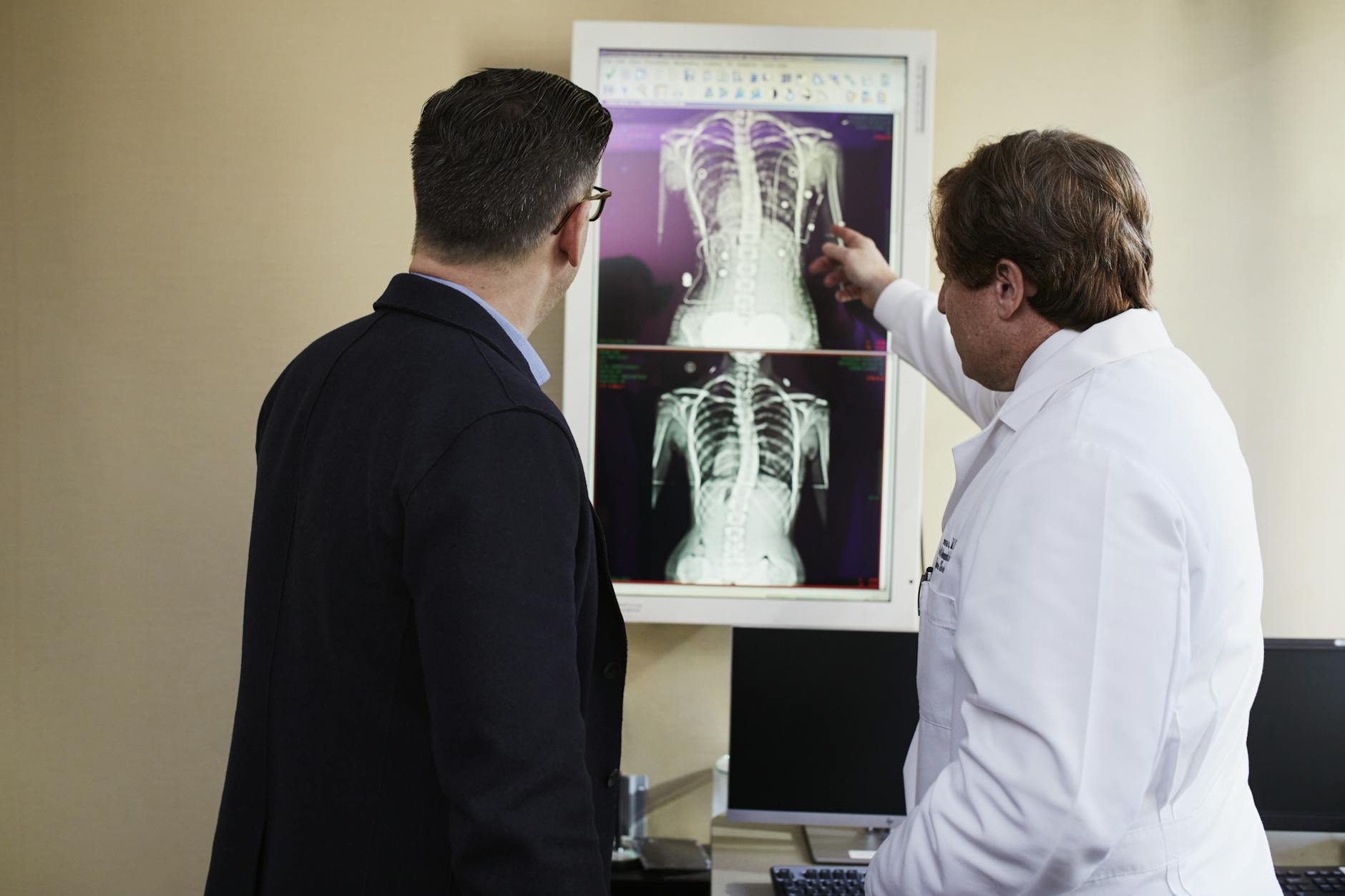
Why Is Coronary Angiography Recommended?
A cardiologist does not recommend angiography lightly. It is suggested when there is a genuine clinical need to understand the condition of your coronary arteries. Here are the most common reasons:
1. Chest Pain or Discomfort (Angina)
If you experience tightness, pressure, or heaviness in the chest — especially during physical activity or stress — it may indicate that your heart is not receiving enough blood. Angiography helps confirm whether a blocked or narrowed artery is the cause.
2. Abnormal Non-Invasive Test Results
Sometimes a stress test (treadmill test / TMT), echocardiogram, or nuclear scan shows changes that suggest reduced blood flow to the heart. Angiography provides a definitive answer by directly visualising the arteries.
3. Heart Attack (Myocardial Infarction)
In the event of a heart attack, coronary angiography is performed urgently to identify the blocked artery so that it can be opened as quickly as possible — often with a procedure called angioplasty (PCI).
4. Unexplained Breathlessness or Fatigue
In some patients, reduced heart function or silent artery disease can cause unexplained tiredness or shortness of breath. Angiography helps rule in or rule out coronary artery disease as the cause.
5. Before Cardiac Surgery
If a patient is being evaluated for valve surgery or bypass surgery (CABG), angiography is routinely performed beforehand so the surgical team has a complete picture of the coronary circulation.
6. High-Risk Patients with Strong Risk Factors
In patients with diabetes, hypertension, high cholesterol, a strong family history of heart disease, or those who have already had a prior heart event, angiography may be recommended as part of a thorough cardiac evaluation.
What Can Angiography Tell Your Doctor?
The results of a coronary angiography give your cardiologist a wealth of actionable information:
- Location of blockages: Which specific artery is affected (e.g., left anterior descending artery, right coronary artery).
- Severity of narrowing: Whether a blockage is mild (less than 50%), moderate, or severe (more than 70%), which guides treatment decisions.
- Number of vessels involved: Single-vessel vs. multi-vessel disease — this matters greatly for choosing between medication, angioplasty, or bypass surgery.
- Presence of blood clots: Especially important during a heart attack.
For example, a 55-year-old with diabetes and chest pain might undergo angiography and be found to have a significant narrowing in one artery. Based on this finding, the cardiologist can immediately proceed with an angioplasty to open the artery during the same sitting — saving time and improving outcomes.
Is Coronary Angiography Safe?
Coronary angiography is one of the most commonly performed cardiac procedures worldwide, and it is considered very safe when performed by a trained interventional cardiologist in a well-equipped cardiac catheterisation laboratory (cath lab).
As with any procedure, there are small, well-understood risks such as minor bruising at the catheter site, a temporary allergic reaction to the contrast dye, or very rarely, more significant complications. Your cardiologist will always discuss the individual risks and benefits with you beforehand, taking into account your full medical history.
The modern radial approach (through the wrist) has made the procedure even more comfortable and has significantly reduced complications compared to older techniques. Many patients are able to return home the same day or the following morning.
What Happens After Angiography?
After the procedure, you will rest for a few hours. If the radial (wrist) approach was used, a small pressure band will be applied at your wrist for a few hours. You will be advised to:
- Keep the puncture site clean and dry for 24–48 hours.
- Drink plenty of fluids to help flush the contrast dye from your body.
- Avoid heavy lifting or strenuous activity for a day or two.
- Inform your doctor if you notice unusual swelling, bleeding, or chest discomfort after going home.
Your cardiologist will discuss the angiography results with you and explain the next steps — whether that is medical management, angioplasty, or referral for surgery.

Key Takeaways
- Coronary angiography is a diagnostic procedure that creates a detailed X-ray map of the arteries supplying blood to your heart.
- It is recommended when a cardiologist needs to confirm, locate, and assess the severity of artery blockages.
- The procedure uses a thin catheter, contrast dye, and live X-ray imaging — no open surgery is involved.
- Common reasons for recommendation include chest pain, abnormal stress tests, heart attacks, breathlessness, and pre-surgical evaluation.
- The procedure is performed in a specialised cath lab and is considered safe, with most patients going home within 24 hours.
- Results directly guide treatment decisions — from medication to angioplasty or bypass surgery.
- The modern wrist-based (radial) approach makes recovery more comfortable with fewer complications.
If you or a loved one has been advised to undergo coronary angiography, or if you have concerns about your heart health, we encourage you to speak with a qualified cardiologist who can evaluate your individual situation. Feel free to book a consultation with Dr. Nikhila Pachani, Consultant Interventional Cardiologist in Rajkot, for a thorough and personalised cardiac assessment.
Frequently asked questions
- What is coronary angiography used for?
- Coronary angiography is a diagnostic procedure used to visualise the coronary arteries — the blood vessels supplying the heart. It helps cardiologists detect blockages or narrowings, assess their severity, and plan appropriate treatment such as medication, angioplasty, or bypass surgery.
- Is coronary angiography a painful procedure?
- Coronary angiography is performed under local anaesthesia at the catheter insertion site (usually the wrist or groin), so patients typically do not feel pain during the procedure. Most patients remain awake and comfortable throughout. Some may feel a brief warm sensation when the contrast dye is injected, which is normal and short-lived.
- How long does a coronary angiography procedure take?
- The angiography itself usually takes between 30 to 60 minutes. However, with preparation and post-procedure monitoring, patients should expect to spend around 4 to 6 hours at the hospital. Many patients are discharged the same day or the following morning.
- What should I do to prepare for a coronary angiography?
- Your cardiologist will give you specific instructions, but generally you will be asked to fast for 4–6 hours before the procedure, inform your doctor of any medications you are taking (especially blood thinners or diabetes medications), and arrange for someone to accompany you home. Always follow your doctor's personalised guidance.