Your Chest Hurts — But the Angiogram Looks "Normal"?
Imagine waking up at 3 a.m. with a tight, squeezing pain in your chest. Your family rushes you to the emergency room. The doctors run tests. Then comes a puzzling result: your coronary arteries do not show any significant blockage. You feel relieved — but also confused. Then why did it hurt so much?
For a surprising number of people across India, the answer is coronary artery spasm. It is a real, well-recognised heart condition that can cause serious chest pain — and even dangerous heart rhythm changes — without the "classic" fatty plaque blockage that most people associate with heart disease.
This article explains what coronary artery spasm is, what its symptoms look like, who is at risk, and how it is managed. Understanding this condition can help you or a loved one get the right diagnosis faster.
What Exactly Is a Coronary Artery Spasm?
Your heart muscle needs a constant supply of oxygen-rich blood, delivered through the coronary arteries. Normally these arteries stay open and relaxed. In coronary artery spasm (also called vasospastic angina or Prinzmetal's angina), the muscular wall of one of these arteries suddenly tightens — squeezing inward and dramatically reducing or even briefly cutting off blood flow.
Think of it like a garden hose that someone suddenly kinks. Water (blood) cannot flow properly until the kink is released.
The spasm usually lasts only a few minutes, but during those minutes the heart muscle is starved of oxygen. That is what causes the intense chest pain. Once the spasm relaxes on its own (or with medication), blood flow returns and pain often disappears completely — sometimes before the person even reaches hospital.
This "come and go" pattern is one of the reasons coronary artery spasm is frequently underdiagnosed or mistaken for anxiety, acidity, or musculoskeletal pain.
Coronary Artery Spasm Symptoms in India: What to Watch For
Coronary artery spasm symptoms in India are broadly similar to what is seen worldwide, though certain triggers — stress, tobacco use, and exposure to cold early-morning air — may be particularly relevant in the Indian context.
Common symptoms include:
- Chest pain or tightness that often comes on at rest, especially between midnight and early morning
- Pain that may radiate to the left arm, jaw, neck, or back
- Episodes that typically last 5 to 30 minutes, then ease on their own
- Shortness of breath during an episode
- Palpitations or a fluttering feeling in the chest
- Occasionally, dizziness or fainting if the spasm triggers a dangerous heart rhythm
What makes coronary artery spasm different from a "regular" heart attack?
| Feature | Typical Heart Attack (Plaque Blockage) | Coronary Artery Spasm |
|---|---|---|
| Cause | Plaque rupture + clot | Muscle tightening in artery wall |
| Timing | Often during exertion | Often at rest or early morning |
| Angiogram | Shows blockage | Usually looks normal or near-normal |
| Duration | Prolonged without treatment | Often self-limiting (minutes) |
| Response to nitrates | Yes | Yes — often very quickly |
Important: A coronary artery spasm can still cause a heart attack if blood flow is cut off long enough. Never ignore chest pain, even if previous tests were normal.
Who Is at Risk? Causes and Triggers
Doctors in India — including those practising in cities like Rajkot — are seeing this condition more often as diagnostic awareness improves. Several factors raise the risk:
Risk factors
- Smoking and tobacco use (including gutka and bidi, which remain common in Gujarat and across India) — this is one of the strongest triggers
- Chronic stress and poor sleep — the nervous system imbalance from stress can cause the coronary arteries to over-react
- Recreational drug use, particularly cocaine and amphetamines
- Magnesium deficiency — linked in several studies to increased artery reactivity
- Hyperventilation and prolonged holding of breath
- Exposure to cold, especially early-morning cold air
- Certain medications, including some used to treat migraine
- Female sex — vasospastic angina appears to affect women, especially those in their 40s and 50s, more frequently than classic obstructive disease
A family history of coronary spasm or of early heart disease also increases risk. Unlike atherosclerosis (plaque build-up), coronary artery spasm can occur in people with no traditional cardiovascular risk factors at all — which is why it catches both patients and doctors off-guard.
How Is Coronary Artery Spasm Diagnosed?
Getting to the right diagnosis is the key challenge. A person with repeated episodes of chest pain — especially rest-related or nocturnal pain with a normal stress test — should be evaluated carefully.
Diagnostic tools your cardiologist may use:
- Resting ECG: May show characteristic changes during an episode (ST-segment elevation), but is often normal between episodes
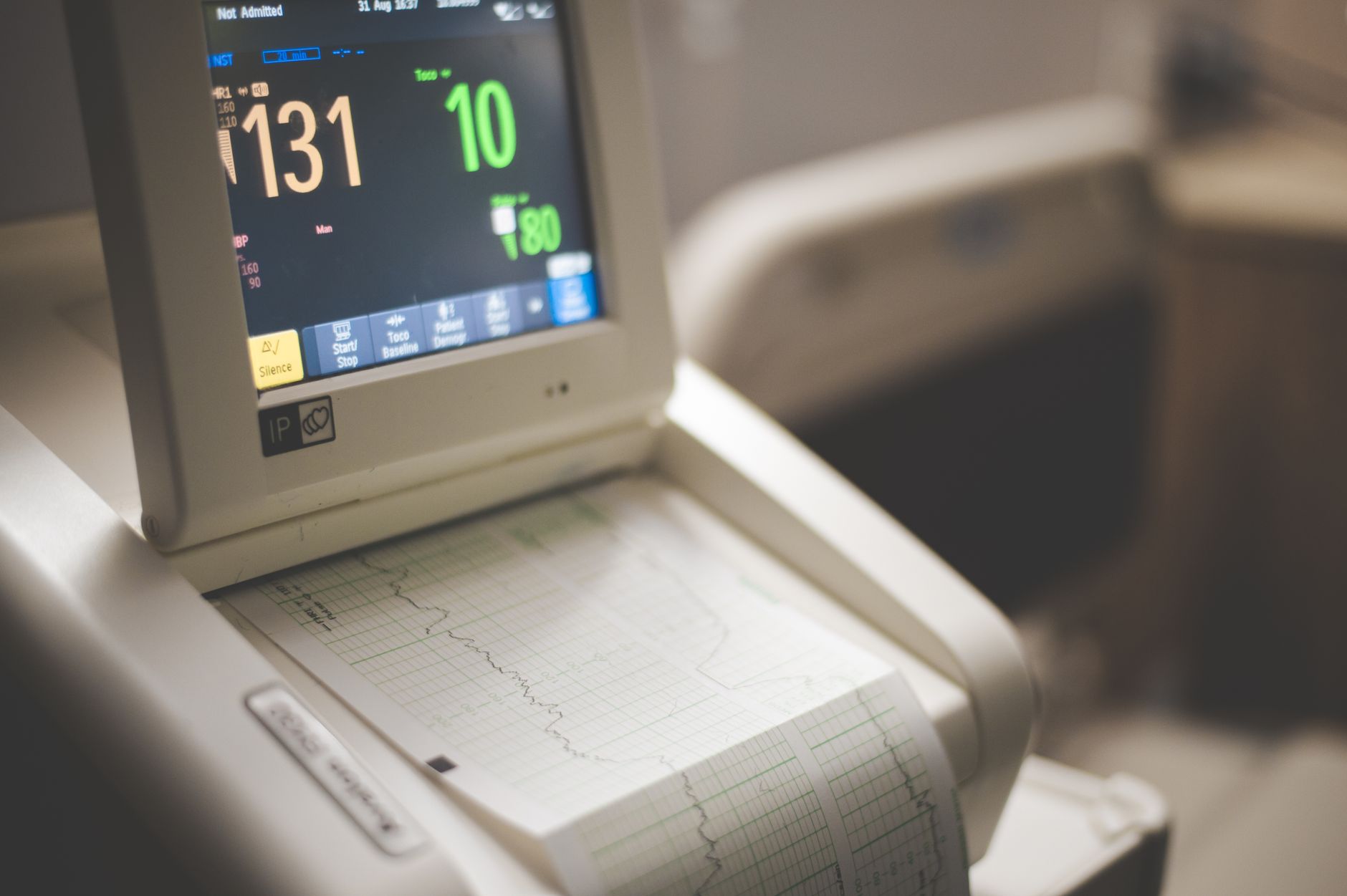
- Holter monitor (24–48 hour ECG): Records the heart's electrical activity continuously; very useful for catching changes that happen at 3 a.m. when you are at home
- Echocardiogram: To assess heart muscle function
- Coronary angiography: Rules out significant fixed blockages; in specialised centres, a provocation test (using acetylcholine or ergonovine) can be done to deliberately trigger a controlled spasm and confirm the diagnosis
- Blood tests: To rule out other causes of chest pain including troponin levels, thyroid function, and magnesium levels
An interventional cardiologist can guide you through which tests are appropriate based on your history.

Treatment and Management: Living Well with Coronary Artery Spasm
The reassuring news is that coronary artery spasm responds well to treatment in most people. Management combines medications, lifestyle changes, and careful trigger avoidance.
Medications
- Calcium channel blockers (e.g., amlodipine, diltiazem): The cornerstone of treatment; they relax the artery walls and prevent spasm
- Long-acting nitrates: Help keep the arteries dilated and are also used for quick relief during an episode (short-acting nitrate spray or tablet)
- Statins: Even without significant plaque, some evidence suggests they help reduce artery inflammation
- Avoidance of beta-blockers in some cases: Certain beta-blockers can paradoxically worsen spasm — another reason why self-medication is not advisable
Lifestyle changes that genuinely make a difference
- Quit all forms of tobacco — this is the single most impactful change a patient can make
- Manage stress through regular yoga, meditation, or gentle walks — activities that suit the pace of daily life in Rajkot and across Gujarat
- Prioritise 7–8 hours of quality sleep
- Keep a symptom diary noting the time, duration, and any likely trigger of each episode — this information is invaluable for your cardiologist
- Ensure adequate magnesium intake through a balanced diet rich in dark leafy vegetables, nuts, and whole grains
- Avoid extreme cold exposure where possible; if you must go out in cold air, warm up gradually
Key takeaways
- Coronary artery spasm causes real chest pain even when your arteries have no major blockage
- Episodes typically occur at rest or in the early hours of the morning
- Tobacco use — including bidi, gutka, and cigarettes — is a leading trigger in India
- An ECG during an episode and a Holter monitor are crucial diagnostic steps
- Calcium channel blockers and nitrates are effective and well-tolerated treatments
- Lifestyle changes, especially quitting tobacco and reducing stress, greatly reduce episode frequency
- Always report chest pain to a qualified cardiologist — do not assume it is "just acidity"
When Should You See a Cardiologist Immediately?
If you or someone nearby experiences chest pain lasting more than 15–20 minutes, fainting, severe breathlessness, or chest pain with a very rapid or irregular heartbeat, call for emergency help right away. These can indicate that a spasm has triggered a heart attack or a dangerous rhythm.
Even if episodes are short and seem to resolve on their own, recurring chest pain at rest should never be dismissed. Early evaluation by an interventional cardiologist helps rule out serious conditions and ensures you receive the right treatment plan — not a one-size-fits-all approach.
A Final Word
Coronary artery spasm is one of those conditions that reminds us the heart is more than just pipes and plaque. It is a dynamic, living organ whose blood vessels can react to stress, tobacco, and other triggers in powerful ways. The good news is that with accurate diagnosis and the right management plan, most people with vasospastic angina lead full, active lives.
If you have been experiencing unexplained chest pain — especially at rest or in the early morning — and have been told your arteries "look fine," it may be worth asking whether coronary artery spasm could be a factor.
If you are concerned about chest pain or any heart symptoms, consider booking a consultation with a qualified cardiologist for a thorough, personalised evaluation.
Frequently asked questions
- Can coronary artery spasm happen even if I have no blockages in my heart?
- Yes. Coronary artery spasm occurs when the muscular wall of a coronary artery tightens suddenly, reducing blood flow — even in arteries that are free of significant plaque or blockage. This is why some people experience genuine chest pain despite a seemingly normal angiogram.
- What are the most common triggers of coronary artery spasm in India?
- Tobacco use in all forms (cigarettes, bidi, gutka), chronic stress, poor or disrupted sleep, cold air exposure — especially in the early morning hours — and certain medications are among the most commonly reported triggers. Magnesium deficiency and recreational drug use also play a role in some individuals.
- Is coronary artery spasm dangerous, or does it go away on its own?
- Most episodes resolve within minutes on their own or with a nitrate tablet or spray. However, a prolonged spasm can cause a heart attack or trigger a dangerous heart rhythm. This is why recurring chest pain at rest should always be properly evaluated by a cardiologist, even if previous tests appeared normal.
- What treatment is available for coronary artery spasm?
- The main treatments are calcium channel blockers (which relax the artery walls) and nitrates (for both prevention and quick relief during an episode). Equally important are lifestyle changes — particularly quitting tobacco, managing stress, and improving sleep — which can significantly reduce the frequency and severity of episodes.