What Is a Coronary Calcium Score Test?
Your arteries can quietly accumulate a chalky substance called calcium long before you ever feel chest pain or breathlessness. A coronary calcium score test — also known as a cardiac CT calcium score or CAC score — is a simple, non-invasive imaging scan that measures exactly how much of this calcium has built up inside the walls of your heart's arteries.
Think of it as an early-warning system. By the time most people experience symptoms of coronary artery disease, the underlying process has often been going on silently for years — sometimes decades. This test gives your doctor a window into that hidden process, often catching problems while there is still plenty of time to act.
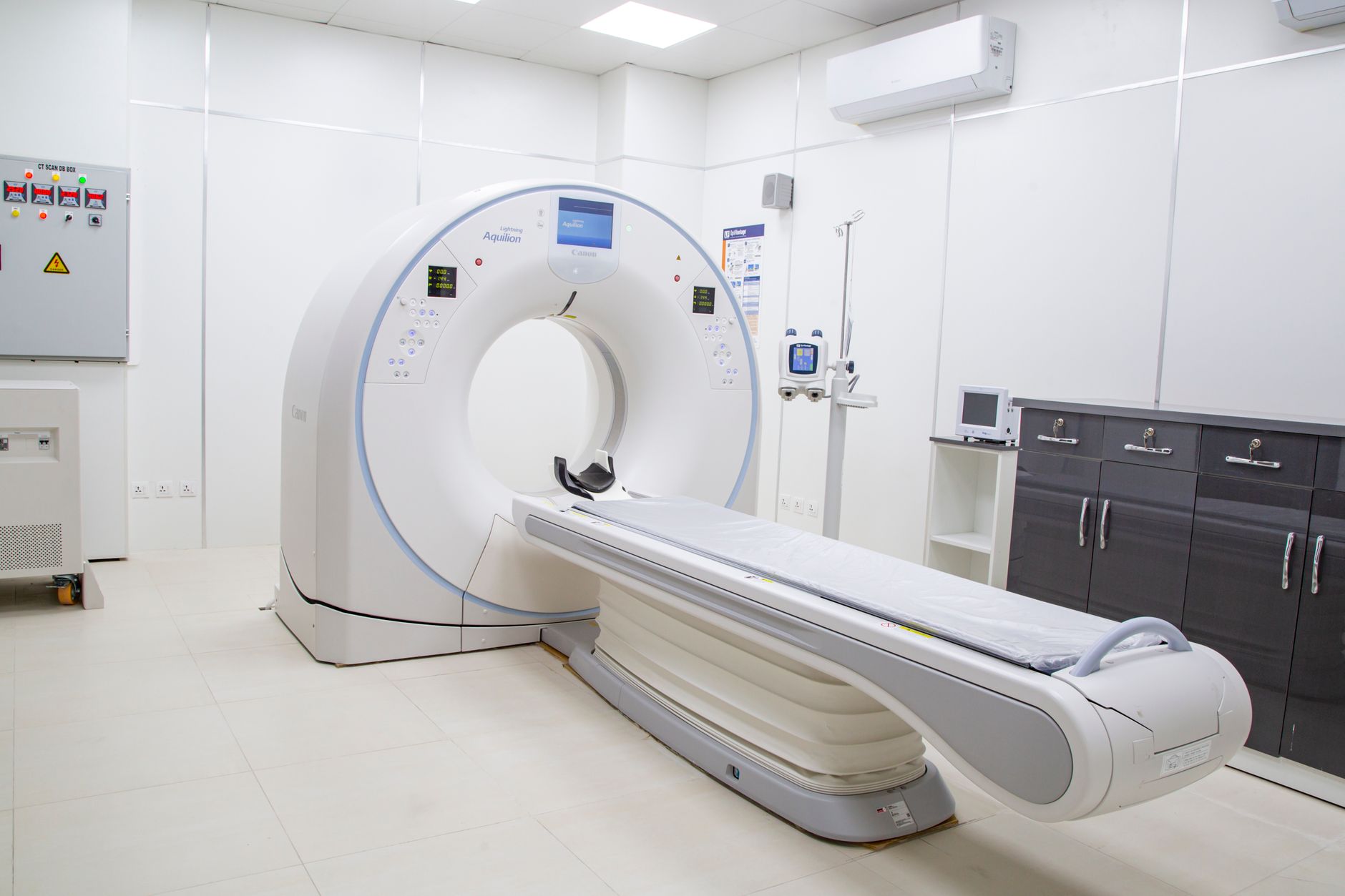
The scan itself uses a CT (computed tomography) machine — the same type of large, doughnut-shaped scanner used for many routine hospital investigations. No injections, no dye, no needles. You simply lie still on a table for a few minutes while the machine takes detailed images of your heart.
Why Does Calcium Build Up in Arteries?
To understand the test, it helps to understand what calcium is doing in your arteries in the first place.
Over time, a fatty substance called plaque can accumulate inside artery walls — a process called atherosclerosis. As plaque ages and hardens, calcium crystals are deposited within it. This calcified plaque is a reliable marker that atherosclerosis is present.
Common risk factors that accelerate this process include:
- High blood pressure (hypertension)
- Elevated cholesterol or triglycerides
- Diabetes or pre-diabetes
- Cigarette smoking
- A family history of early heart disease
- A sedentary lifestyle or obesity
The more calcium detected on the scan, the more established the underlying plaque burden — and, in general, the higher the cardiovascular risk.

Who Should Consider a Calcium Scoring Scan?
This test is not for everyone, but it is particularly useful for people in a "grey zone" of cardiovascular risk — those who are not clearly low-risk or high-risk based on standard checks alone.
Your cardiologist might suggest a coronary calcium score test if you are:
- Between 40 and 75 years old with one or more risk factors (e.g., high blood pressure, diabetes, high cholesterol, smoking history)
- Someone with a strong family history of heart attacks at a young age
- A person whose 10-year cardiovascular risk score is borderline (roughly 7.5–20%)
- Uncertain whether to start or continue cholesterol-lowering medication (statins)
- Concerned about your heart health but have had a normal stress test or ECG
In a busy city like Rajkot, where lifestyle-related risk factors such as diabetes and hypertension are increasingly common in relatively young adults, this test can be a valuable tool to personalise prevention strategies — even before symptoms appear.
Important: The test is generally not recommended for people already diagnosed with coronary artery disease, as it does not change management in that group, or for individuals with a very low baseline risk.
How Is the Test Done?
The coronary calcium score test is straightforward and typically takes less than 15 minutes from start to finish.
Here's what to expect:
- Preparation: You may be asked to avoid caffeine for a few hours beforehand. No fasting is usually required.
- Arrival: A technician will place small electrode stickers on your chest to monitor your heartbeat (ECG) during the scan.
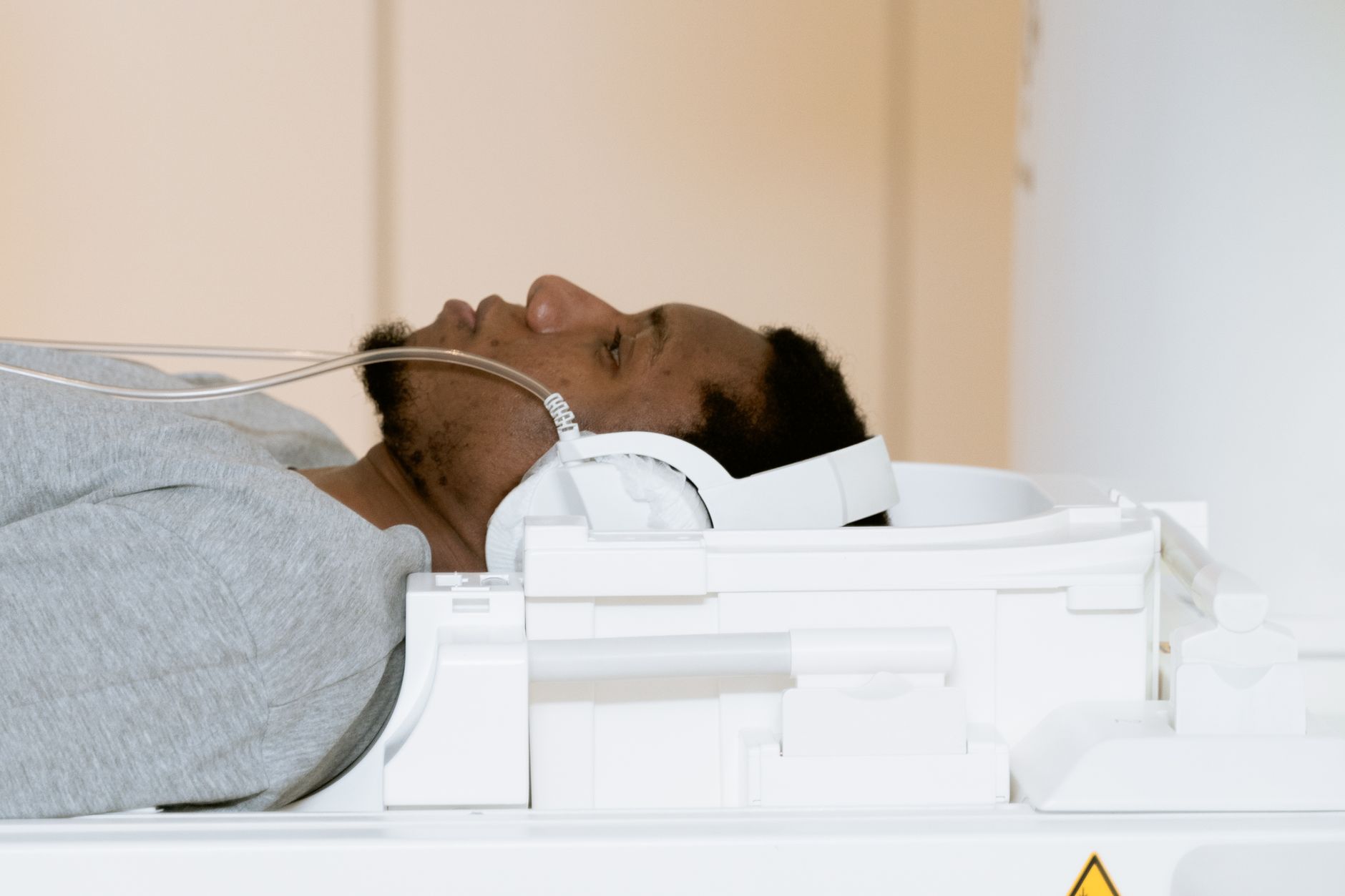
- The scan: You lie on a padded table that slides gently into the CT scanner. You will be asked to hold your breath for about 10–15 seconds while images are captured. The machine is quiet and comfortable.
- Radiation: The dose of radiation is low — roughly equivalent to a few months of background radiation we naturally receive from our environment.
- Results: The images are analysed and a calcium score (Agatston score) is calculated. Results are typically reviewed with you by your cardiologist.
There is no recovery time. Most people go straight back to their normal day afterwards.
Understanding Your Score: What Do the Numbers Mean?
The result is given as an Agatston score — a number derived from the amount and density of calcium detected. Here is a general guide:
| CAC Score | What It Suggests |
|---|---|
| 0 | No detectable calcium. Very low short-term risk. |
| 1–99 | Mild calcification. Some plaque present; moderate risk. |
| 100–299 | Moderate calcification. Risk is meaningfully elevated. |
| 300 or above | Extensive calcification. High cardiovascular risk. |
A score of zero is genuinely reassuring — studies show that people with a CAC score of zero have a very low chance of a heart attack in the next 10 years, even if they have some other risk factors. Some cardiologists describe this as a "negative warranty period" for heart events.
On the other hand, a high score does not mean a heart attack is inevitable. It means your risk is elevated and that active, targeted steps — lifestyle changes, medications, closer monitoring — can make a meaningful difference.
For illustrative purposes: a 58-year-old with borderline cholesterol and no symptoms might receive a CAC score of 180. This result could prompt their cardiologist to recommend starting statin therapy and making dietary changes — steps that might have been debated without this extra information.
How Does a Calcium Score Change Your Treatment Plan?
This is where the test earns its value. A coronary calcium score test is not just a number — it is a decision-support tool.
A low or zero score may:
- Reassure you and your doctor that aggressive medication is not yet needed
- Motivate you to maintain healthy habits knowing your arteries are currently clear
- Allow a shared decision to delay or avoid statin therapy in borderline cases
A high score may:
- Lead to starting or intensifying cholesterol-lowering therapy
- Prompt more aggressive blood pressure management
- Motivate meaningful lifestyle changes (diet, exercise, quitting smoking)
- Trigger further investigations such as a stress test or CT coronary angiogram
Research published in major cardiology journals has shown that incorporating the CAC score into risk discussions improves medication adherence — people are more likely to take their tablets and change their habits when they can see objective evidence of what is happening in their own arteries.

Limitations to Keep in Mind
Like every medical test, the calcium score scan has limitations:
- It detects only calcified plaque. Soft, non-calcified plaque — which can also be dangerous — is not measured.
- A score of zero does not guarantee complete freedom from coronary artery disease.
- It does not show whether an artery is actually narrowed or blocked — that requires different imaging.
- It is not a substitute for a thorough clinical assessment by your cardiologist.
The test is most powerful when interpreted alongside your full medical history, lifestyle, blood tests, blood pressure readings, and family history.
Key Takeaways
- A coronary calcium score test is a quick, non-invasive CT scan that detects calcified plaque in your heart's arteries — often long before symptoms appear.
- It is most useful for people in the intermediate risk category to help personalise prevention and treatment decisions.
- Scores range from zero (very reassuring) to 400+ (high risk requiring active management).
- A zero score is very encouraging, but the test has limits — it does not detect all types of plaque.
- Results should always be interpreted together with your overall clinical picture by a qualified cardiologist.
- The test empowers both patient and doctor to make informed, personalised decisions about lifestyle changes and medications.
If you have risk factors for heart disease and are wondering whether a coronary calcium score test is right for you, speaking with a qualified cardiologist is the ideal next step. Dr. Nikhila Pachani offers consultations in Rajkot, Gujarat — reach out to book an appointment and take a proactive step towards understanding and protecting your heart health.
Frequently asked questions
- Is the coronary calcium score test the same as a coronary angiogram?
- No, they are different tests. A coronary calcium score test is a non-invasive CT scan that measures calcified plaque in artery walls. A coronary angiogram (conventional or CT) directly visualises the inside of the arteries to check for blockages. Your cardiologist will recommend the right test based on your symptoms and risk profile.
- Does a calcium score of zero mean my heart is completely healthy?
- A score of zero is very reassuring and indicates a low short-term risk of a heart attack. However, it does not rule out the presence of soft (non-calcified) plaque or other forms of heart disease. It is always best to interpret your result alongside a full assessment by your cardiologist.
- How often should I repeat the calcium scoring scan?
- There is no universal recommendation. In general, if your first score is zero or very low, a repeat scan in 5 years may be considered if your risk factors change. If your score is higher, your cardiologist will guide you on follow-up based on your overall risk and treatment response. Repeating the scan too frequently is generally not advised due to cumulative radiation exposure.
- Is the test covered by health insurance in India?
- Coverage varies by insurer and policy type. It is advisable to check with your insurance provider before booking. Even where insurance coverage is limited, the test is typically available at an accessible cost at cardiac imaging centres in cities like Rajkot.