
Have you ever been told your chest feels tight and wondered whether your heart arteries are okay? Or maybe a routine check-up flagged a concern, and your doctor suggested looking deeper? If so, you may have heard the phrase CT coronary angiography test — and perhaps felt unsure about what it really involves.
The good news: this is one of the most informative, non-invasive tests available today for studying the arteries that supply blood to your heart. No surgery, no hospital admission, and for most people, no more uncomfortable than a standard CT scan. Let's walk through everything you need to know — in plain, simple language.
What Is a CT Coronary Angiography Test?
A CT coronary angiography (also called CTCA or cardiac CT angiography) is an imaging test that creates detailed, three-dimensional pictures of the coronary arteries — the blood vessels that wrap around your heart and keep it supplied with oxygen-rich blood.
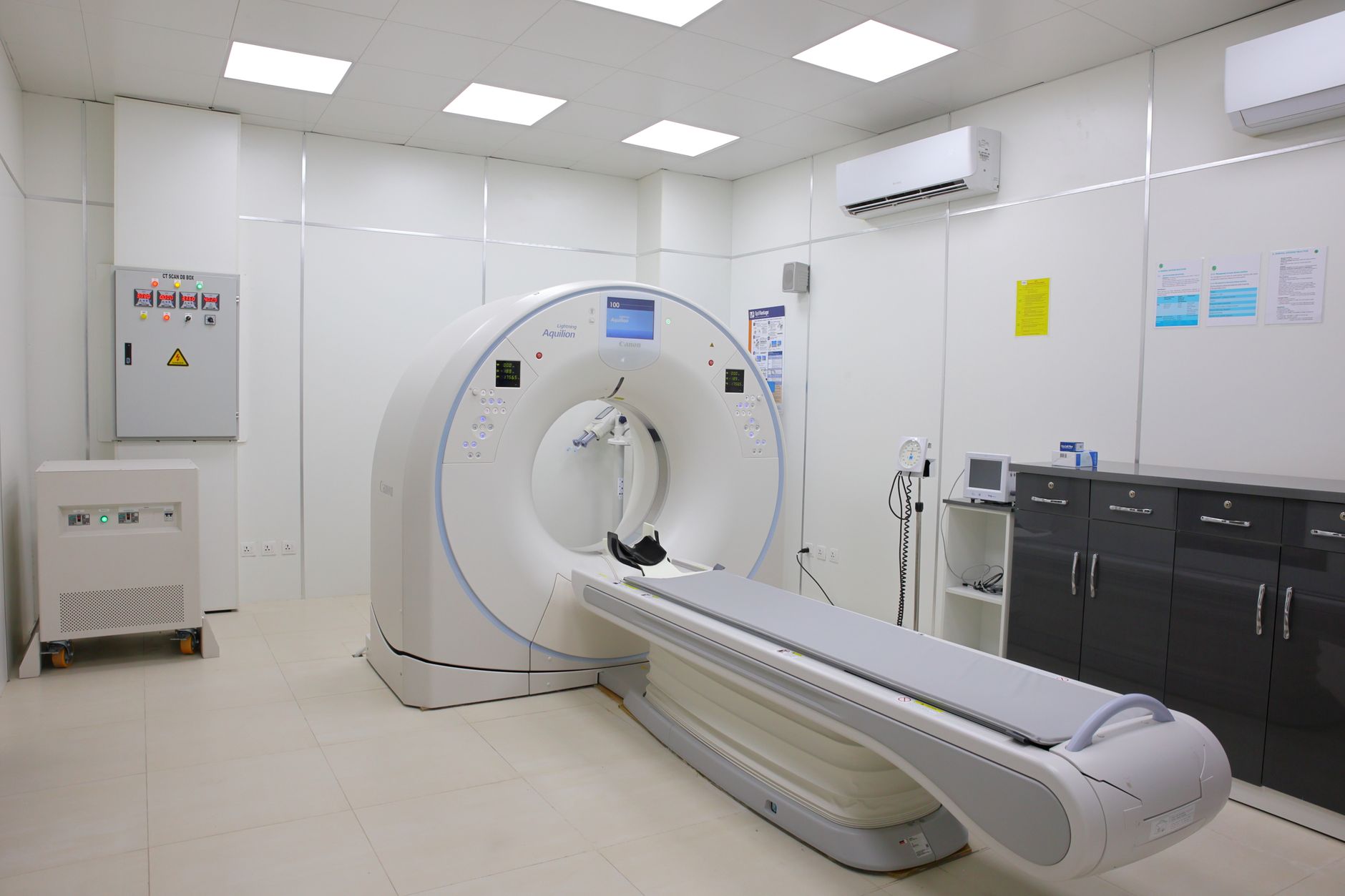
It uses a CT (computed tomography) scanner, which takes multiple X-ray images from different angles and combines them into a single, sharp picture. A special dye called a contrast agent is injected into a vein in your arm. This dye flows into the coronary arteries and makes them clearly visible on the scanner.
The result? Your cardiologist can see whether any of these arteries have:
- Narrowing (stenosis) caused by fatty plaque build-up
- Calcified (hardened) deposits on the artery walls
- Blockages that could reduce blood flow to the heart muscle
- Unusual anatomy or structural concerns
Unlike a traditional (invasive) angiogram, which requires a thin tube (catheter) to be passed through your groin or wrist and into your heart, a CT coronary angiography test is done entirely from outside the body. This makes it significantly more comfortable and carries far fewer risks for most patients.
Why Would a Doctor Recommend This Test?
A cardiologist may suggest a CT coronary angiography test in a number of situations. It is not a test for everyone, but it can be genuinely valuable when:
You Have Symptoms That Could Point to the Heart
Symptoms like chest discomfort, shortness of breath on mild exertion, unexplained fatigue, or palpitations can sometimes originate from the coronary arteries. If other basic tests — such as an ECG or a treadmill stress test — are inconclusive, a CTCA can provide much clearer information.
You Have Risk Factors for Coronary Artery Disease
If you have diabetes, high blood pressure, high cholesterol, a family history of heart disease, or if you smoke, your risk of developing coronary artery disease (CAD) is higher than average. In Rajkot and across Gujarat, we see a significant number of patients with these risk factors presenting at a relatively young age. A CTCA can help identify early plaque build-up — even before symptoms appear — so that steps can be taken in time.
Your Doctor Wants to Avoid an Unnecessary Invasive Procedure
Sometimes a patient's symptoms and test results sit in a "grey zone" — not clearly normal, not clearly abnormal. A CT coronary angiography test can help rule out significant blockages with a high degree of confidence, potentially sparing you from needing an invasive catheter angiogram.
Follow-Up After a Procedure
In some cases, a CTCA may be used to check how bypass grafts or certain stents are functioning after a procedure.
What Happens During the Test? Step by Step
Understanding exactly what will happen can make the whole experience far less daunting. Here is a typical sequence:
Before the Test
- You will usually be asked to avoid caffeine (tea, coffee, energy drinks) for 12–24 hours before the scan, as caffeine raises heart rate and can affect image quality.
- You may be asked to fast for 4–6 hours beforehand.
- If your heart rate is above a certain level (usually 65 beats per minute), your doctor may give you a mild tablet called a beta-blocker to slow it down temporarily. A slower, steadier heartbeat produces sharper images.
- You will be asked about allergies (especially to iodine or contrast dyes) and about kidney function, since the contrast agent is cleared by the kidneys.
During the Scan
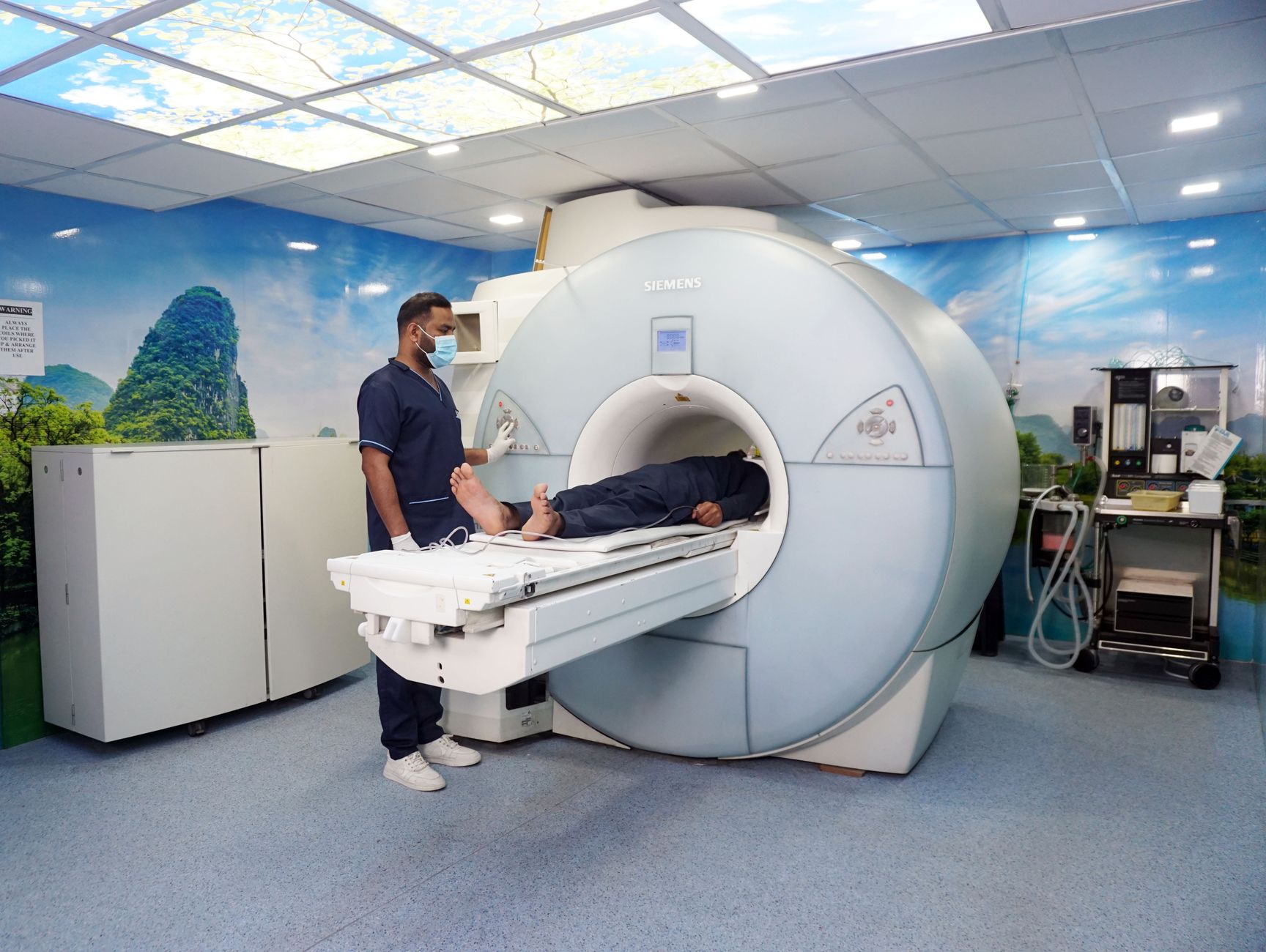
- You will lie on a flat, padded table that slides gently into the CT scanner — a large, doughnut-shaped machine.
- A small cannula (thin plastic tube) will be placed in a vein in your arm.
- ECG (heart monitor) stickers will be placed on your chest so the scanner can synchronise the images with your heartbeat.
- The contrast dye is injected through the cannula. You may feel a warm, flushing sensation for 20–30 seconds — this is completely normal and passes quickly.
- You will be asked to hold your breath for about 10–15 seconds while the scanner takes images. This is the most the test asks of you.
- The actual scanning time is typically less than 10 minutes, though the full appointment may take 30–60 minutes including preparation.
After the Test
- You can eat and drink normally right after.
- It is a good idea to drink extra water for the rest of the day to help flush the contrast dye through your kidneys.
- Most people return to their normal activities the same day.
- A radiologist will analyse the images and send a detailed report to your cardiologist, who will then discuss the findings with you.
What Do the Results Mean?
The CTCA report will typically describe:
- The degree of any stenosis — usually expressed as a percentage (e.g., 30% narrowing, 70% narrowing). Blockages below 50% are often managed with lifestyle changes and medications; blockages above 70% may require further evaluation or intervention.
- Calcium score — a measure of calcified plaque, which is an indicator of long-term cardiovascular risk.
- Plaque characteristics — whether plaque is stable (calcified) or soft (non-calcified), which matters for risk assessment.
An illustrative example: a 55-year-old with mild chest discomfort and borderline cholesterol levels might undergo a CTCA and be found to have only minor, non-obstructive plaque. This reassuring result, combined with dietary and lifestyle changes, could help that person avoid unnecessary procedures while staying proactive about their heart health.
Is the Test Safe?
For the right patient, a CT coronary angiography test is considered safe and well-tolerated. However, like any medical procedure, it is important to be aware of the following:
- Radiation exposure: The test does involve a small dose of X-ray radiation. Modern CT scanners are designed to use the lowest dose necessary to produce clear images. Your cardiologist will only recommend it when the benefit clearly outweighs this minor risk.
- Contrast dye reactions: Mild reactions (slight itching or a rash) are rare; severe allergic reactions are very uncommon. The medical team is always prepared to manage these.
- Kidney considerations: Patients with reduced kidney function need special precautions. Always inform your doctor about any known kidney issues.
- Not suitable during pregnancy: As with all X-ray-based imaging, CTCA is generally avoided during pregnancy.

CTCA vs. Traditional (Invasive) Angiogram: What's the Difference?
| Feature | CT Coronary Angiography | Invasive (Catheter) Angiogram |
|---|---|---|
| How it's done | External scanner + dye in arm vein | Catheter inserted through wrist/groin |
| Admission needed | Usually outpatient | Often a day procedure |
| Recovery time | Same day | A few hours to a day |
| Level of comfort | Generally comfortable | Requires local anaesthesia, more involved |
| Can treat blockages? | No — diagnostic only | Yes — stenting can be done in the same session |
| Best suited for | Diagnosis & risk assessment | Confirmed significant blockage needing treatment |
The two tests serve different purposes and are often complementary. If a CTCA reveals a significant blockage that needs intervention, your cardiologist may then recommend an invasive angiogram so that a stent can be placed in the same session.
Key Takeaways
- A CT coronary angiography test creates detailed images of the heart arteries without surgery or hospital admission.
- It is particularly useful for people with chest symptoms, multiple cardiac risk factors, or inconclusive results from other tests.
- The test typically takes less than 10 minutes of scanning time and most people go home the same day.
- You may feel a brief warm flush when the contrast dye is injected — this is normal and harmless.
- Results help your cardiologist decide whether lifestyle changes, medications, or further procedures are needed.
- It is a diagnostic test only — if a blockage needs treatment, a separate procedure will be planned.
- Modern scanners use low radiation doses, and the test is considered safe for the appropriate patient.
If you have been advised to consider a CT coronary angiography test, or if you have concerns about your heart health, speaking with a qualified cardiologist is the right first step. Dr. Nikhila Pachani, Consultant Interventional Cardiologist in Rajkot, is happy to guide you through the right investigations for your individual situation — feel free to book a consultation.
Frequently asked questions
- Is a CT coronary angiography test the same as a regular CT scan?
- Not exactly. While both use the same type of CT (computed tomography) scanner, a CT coronary angiography test is specifically focused on the coronary arteries of the heart. It involves injecting a contrast dye to make the arteries clearly visible, and the scanner is synchronised with your heartbeat using an ECG to capture sharp, detailed images. A regular CT scan does not require this level of cardiac coordination.
- How long does the CT coronary angiography test take?
- The actual scanning time is usually less than 10 minutes. However, including preparation — such as placing an IV line, attaching ECG monitors, and possibly giving medication to slow your heart rate — the full appointment typically takes between 30 and 60 minutes. Most patients return home the same day.
- Will I feel anything during the test?
- The test is generally comfortable. When the contrast dye is injected through a vein in your arm, you may feel a warm, flushing sensation throughout your body for about 20–30 seconds — this is completely normal and passes quickly. You will also be asked to hold your breath for roughly 10–15 seconds during the scan itself. Apart from this, most people find the experience straightforward.
- Can a CT coronary angiography test replace an invasive angiogram?
- A CT coronary angiography test is a powerful diagnostic tool, but it cannot replace an invasive (catheter) angiogram in all situations. If the CTCA reveals a significant blockage that needs treatment — such as placing a stent — your cardiologist will recommend an invasive angiogram, because treatment can be carried out in the same session. The two tests are often complementary rather than interchangeable.