
Why Diabetes and Heart Disease Are So Closely Linked
If you or someone in your family has been diagnosed with diabetes, you have probably heard the usual advice — watch your diet, check your blood sugar, take your medicines. But there is one risk that often does not get enough attention: the serious impact that diabetes can have on your heart.
The connection between diabetes and heart disease is not a coincidence. It is well established by decades of medical research. People living with type 2 diabetes are two to four times more likely to develop heart disease compared to people without diabetes. Understanding why this happens — and what you can do about it — can be genuinely life-changing.
What Happens Inside Your Blood Vessels
To understand the link, it helps to think about what high blood sugar actually does to your body over time.
When blood glucose levels stay elevated for months or years, they slowly damage the walls of your blood vessels. Think of your arteries like smooth, flexible pipes. Persistent high sugar makes those walls stiff, inflamed, and more prone to collecting fatty deposits — a process called atherosclerosis (hardening and narrowing of the arteries).
When the arteries that supply blood to the heart — the coronary arteries — become narrow, the heart muscle does not get enough oxygen-rich blood. This is what leads to coronary artery disease, the most common form of heart disease in people with diabetes.
The "Silent" Danger
Here is what makes this particularly important to know: many people with diabetes do not feel chest pain even when their heart arteries are significantly blocked. This is because high blood sugar can also damage the nerves that carry pain signals — a condition called cardiac autonomic neuropathy. A heart attack in a person with diabetes can sometimes present as nothing more than mild fatigue, nausea, or breathlessness — or occasionally with no obvious symptoms at all.
This is why, in a cardiology practice like Dr. Nikhila Pachani's in Rajkot, screening for heart disease in people with diabetes is taken very seriously, even when a patient feels perfectly fine.

Other Ways Diabetes Harms the Heart
Atherosclerosis is the most well-known pathway, but it is not the only one. Diabetes affects the heart in several other ways too.
- High blood pressure (hypertension): Most people with type 2 diabetes also develop high blood pressure. Together, these two conditions multiply cardiovascular risk significantly.
- Abnormal cholesterol levels: Diabetes often raises triglycerides (a type of fat in the blood) and lowers HDL ("good") cholesterol, making artery blockages more likely.
- Heart failure: Over time, high blood sugar can weaken the heart muscle itself, reducing its ability to pump blood efficiently — even without significant artery blockages. This is called diabetic cardiomyopathy.
- Irregular heart rhythms: People with diabetes have a higher chance of developing atrial fibrillation (AF), an irregular heartbeat that can increase stroke risk.
- Blood clotting: High blood sugar makes the blood "stickier" and more prone to clotting, raising the risk of heart attack and stroke.
Key Takeaways
- Diabetes and heart disease are deeply connected — diabetes significantly raises cardiovascular risk.
- High blood sugar damages blood vessel walls, leading to narrowing and blockages in the coronary arteries.
- Heart symptoms in people with diabetes can be mild or even absent — do not wait for chest pain.
- High blood pressure and abnormal cholesterol, common in diabetes, multiply heart risk.
- Managing blood sugar, blood pressure, cholesterol, and lifestyle together is the foundation of heart protection.
- Regular cardiac screening is important for everyone living with diabetes, even without symptoms.
Warning Signs That Need Immediate Attention
Even though symptoms can be subtle, there are signs that should never be ignored. Seek urgent medical attention if you experience:
- Chest discomfort, pressure, tightness, or pain that lasts more than a few minutes
- Unexplained breathlessness, especially when doing light activity or lying flat
- Sudden dizziness, fainting, or an unusually fast or irregular heartbeat
- Unexplained sweating, nausea, or extreme tiredness
- Swelling in your legs or feet (which can be a sign of heart failure)
If you are a person with diabetes and notice any of these symptoms, please do not dismiss them as something minor.

How to Protect Your Heart When You Have Diabetes
The good news is that you have a great deal of power to reduce your risk. Managing diabetes heart disease risk is not about doing one single thing — it is about a combined approach that covers blood sugar, blood pressure, cholesterol, lifestyle, and regular check-ups.
1. Keep Your Blood Sugar in the Target Range
Work with your doctor to understand your HbA1c target (a three-month average of blood sugar levels). Keeping it in a healthy range significantly slows the damage to your blood vessels. Some newer diabetes medications — such as SGLT2 inhibitors and GLP-1 receptor agonists — have been shown in large clinical trials to directly reduce heart disease risk in people with diabetes, in addition to lowering blood sugar.
2. Control Your Blood Pressure
A target blood pressure of below 130/80 mmHg is generally recommended for most people with diabetes. Simple lifestyle measures and, if needed, medications can help achieve this.
3. Manage Your Cholesterol
Statins (cholesterol-lowering medicines) are commonly recommended for people with diabetes and cardiovascular risk. Ask your doctor whether this applies to you.
4. Eat a Heart-Healthy Diet
A diet rich in vegetables, fruits, whole grains, legumes, and lean proteins — and low in refined sugars, processed foods, and excess salt — supports both blood sugar control and heart health. In Gujarat, traditional foods like dal, bajra roti, and sabzi with less oil can form a strong foundation for a heart-healthy plate.
5. Move Your Body Regularly
Even 30 minutes of brisk walking most days of the week can improve insulin sensitivity, lower blood pressure, and strengthen your heart. If you have not exercised in a while, start gently and build up gradually. Local parks in Rajkot — like the ones along Race Course Road — are a wonderful place to begin.
6. Quit Smoking
Smoking dramatically accelerates artery damage and multiplies the cardiovascular risk already present with diabetes. Quitting is one of the most powerful steps you can take for your heart.
7. Get Regular Cardiac Screening
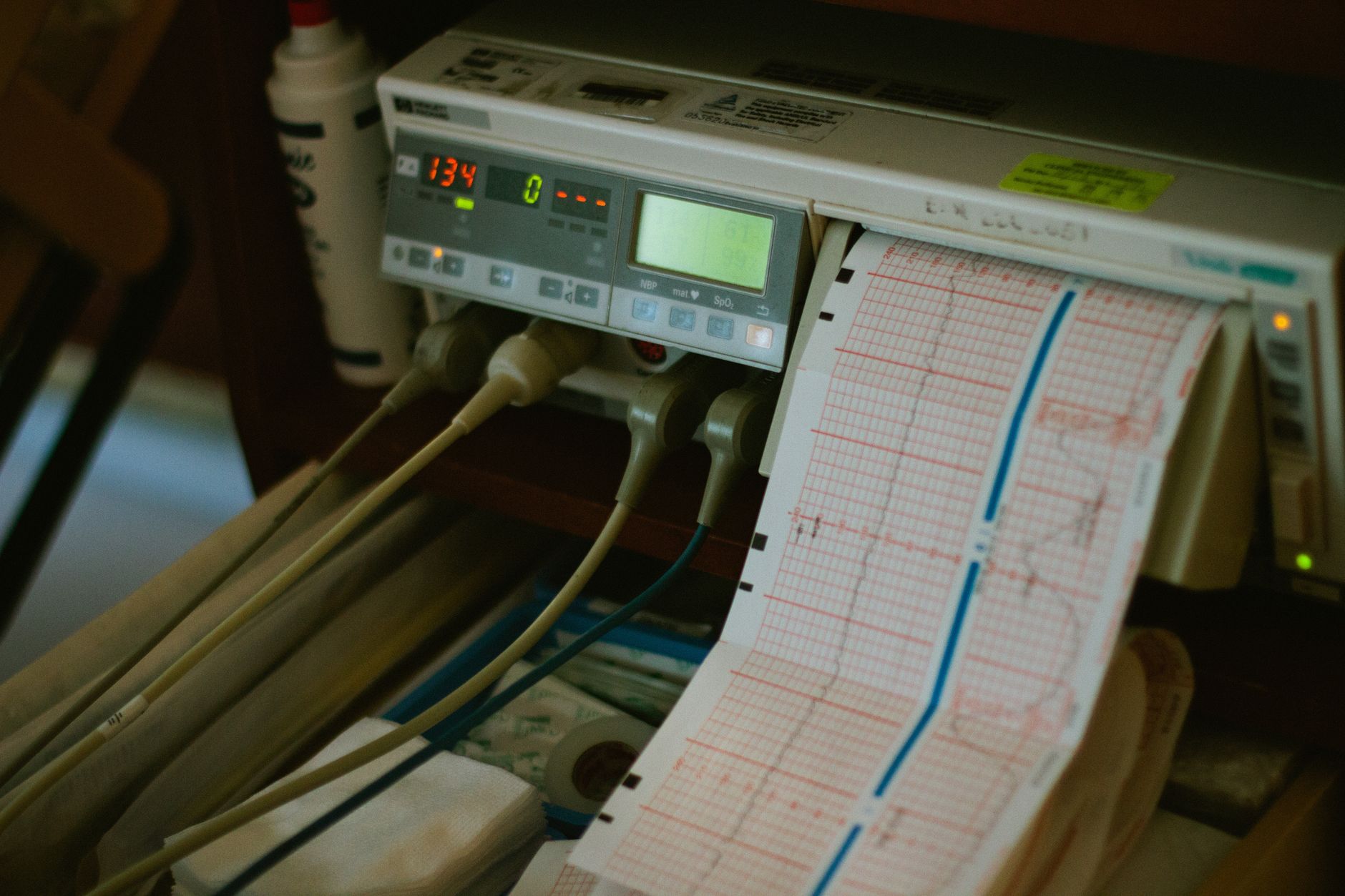
An electrocardiogram (ECG), echocardiogram (echo), or a stress test may be recommended depending on your age, duration of diabetes, and other risk factors. These non-invasive tests help detect problems early — when they are far easier to manage.
A Note on Illustrative Cases
To put things in perspective: imagine a 58-year-old person who has had type 2 diabetes for ten years and feels generally well. During a routine cardiac check-up, a stress test reveals reduced blood flow to part of the heart. With no dramatic symptoms, this finding might easily have been missed for years. Early detection in a case like this allows for timely treatment — lifestyle changes, medication, or a procedure if needed — before a heart attack occurs. This kind of proactive care is exactly why regular screening matters.
The Bottom Line
The relationship between diabetes and heart disease is one of medicine's most important connections — and one of the most preventable when managed well. Living with diabetes does not mean you will develop heart disease. It means you need to be a little more proactive, a little more informed, and a little more consistent with your heart health.
You do not have to navigate this alone. A qualified cardiologist can help you understand your personal risk, interpret screening tests, and create a practical plan tailored to your life.
If you have diabetes and have concerns about your heart health, we warmly encourage you to book a consultation with Dr. Nikhila Pachani, Consultant Interventional Cardiologist in Rajkot — because a conversation today could make all the difference tomorrow.
Frequently asked questions
- Can diabetes cause a heart attack even without chest pain?
- Yes. Diabetes can damage the nerves that carry pain signals from the heart, so a heart attack may present with only mild symptoms like unusual fatigue, nausea, or shortness of breath — or sometimes with very few noticeable symptoms at all. This is why regular cardiac screening is important for people with diabetes, even when they feel well.
- How does high blood sugar damage the heart?
- Persistently high blood sugar inflames and stiffens the walls of blood vessels over time. This leads to the build-up of fatty deposits inside the arteries (atherosclerosis), narrowing the coronary arteries that supply the heart with blood. Diabetes also raises blood pressure, worsens cholesterol levels, and makes the blood more prone to clotting — all of which increase heart disease risk.
- Which tests are used to check the heart in a person with diabetes?
- Common non-invasive cardiac tests include an ECG (electrocardiogram), an echocardiogram (ultrasound of the heart), and a stress test (treadmill test or stress echo). Your cardiologist will recommend which tests are appropriate based on your age, symptoms, duration of diabetes, and other risk factors.
- Can heart disease risk be reduced in people with diabetes?
- Absolutely. A combination of good blood sugar control, blood pressure management, healthy cholesterol levels, a heart-friendly diet, regular physical activity, quitting smoking, and appropriate medications can significantly lower the risk of heart disease in people with diabetes. Some newer diabetes medicines have also been shown to directly protect the heart. Consult a cardiologist to build a personalised plan.