
If you or someone in your family has been told they have diabetes, you have probably also heard that it affects the heart. This is true — but it is not something to fear. With the right knowledge and a practical plan, people with diabetes can take excellent care of their hearts and live full, active lives.
This article explains why diabetes and heart disease are closely linked, what warning signs to watch for, and how a sensible daily routine can make a real difference.
Why Does Diabetes Affect the Heart?
Diabetes means your blood has too much sugar (glucose) in it over a long period of time. That extra sugar slowly damages the walls of blood vessels and nerves — including the vessels and nerves that supply your heart.
Here is what happens over time:
- Atherosclerosis (hardening of arteries): High blood sugar encourages fatty deposits to build up inside artery walls. This narrows the arteries that carry blood to the heart muscle.
- High blood pressure: People with Type 2 diabetes often develop high blood pressure, which puts extra strain on the heart.
- Abnormal cholesterol: Diabetes tends to lower "good" HDL cholesterol and raise triglycerides, a combination that speeds up artery damage.
- Diabetic cardiomyopathy: Even without blocked arteries, long-standing diabetes can weaken the heart muscle itself, making it stiff or less efficient at pumping.
- Silent heart attacks: Because diabetes can damage heart nerves, some people feel little or no chest pain during a heart attack. This makes regular check-ups especially important.
Together, these changes mean that a person with diabetes has roughly two to four times the cardiovascular risk of someone without diabetes — but this risk can be brought down significantly with good management.
Key Takeaways
- Diabetic heart care means managing blood sugar, blood pressure, and cholesterol together — not just one at a time.
- Heart attacks in people with diabetes can be "silent" — no dramatic chest pain — so regular screenings are vital.
- Lifestyle changes (diet, exercise, no smoking) reduce heart risk even when started later in life.
- Know your five numbers: HbA1c, blood pressure, LDL cholesterol, BMI, and kidney function.
- A cardiologist and a diabetologist working together give you the strongest protection.

Eating for Your Heart and Your Blood Sugar
Food is one of the most powerful tools you have. The good news is that a heart-healthy diet and a diabetes-friendly diet are almost the same thing.
What to eat more of
- Vegetables and leafy greens — sabzi, methi, palak, karela (bitter gourd, which is popular in Gujarat and has a traditional reputation for blood sugar support).
- Whole grains — bajra roti, brown rice, oats, jowar; these release glucose slowly.
- Legumes — dal, rajma, chana; high in fibre and protein, low in unhealthy fat.
- Healthy fats — a small amount of nuts, seeds, and mustard oil or olive oil.
- Fish — two servings a week of fish rich in omega-3 fatty acids support heart rhythm.
What to eat less of
- Refined carbohydrates — maida, white rice in large portions, sugary drinks, mithai.
- Trans fats and vanaspati — found in many fried snacks and commercial baked goods.
- Excess salt — keep total salt under 5 g per day to help control blood pressure.
- Alcohol — raises triglycerides and blood pressure; best minimised.
A simple tip: fill half your plate with vegetables, one quarter with a whole grain, and one quarter with a protein source. This one habit controls both blood sugar spikes and calorie intake.
Moving More: Exercise as Medicine
Physical activity lowers blood sugar directly, reduces blood pressure, improves cholesterol, and strengthens the heart muscle — all at once. For people managing diabetes, it truly acts like medicine.

How much exercise is enough?
The general guidance for adults with diabetes is:
- 150 minutes of moderate activity per week — that is just 30 minutes on five days.
- "Moderate" means you can still hold a conversation but feel slightly breathless — a brisk walk, cycling, or a swim.
- Add two sessions of light resistance training (bodyweight exercises, resistance bands) to help muscles use glucose more efficiently.
Starting safely
If you have not exercised in a while, begin with 10-minute walks after meals and build up gradually. For illustrative purposes: a 60-year-old with diabetes who begins a regular 30-minute morning walk in a local park — like the many beautiful green spaces around Rajkot — may notice improved fasting glucose readings within a few weeks.
Always check your blood sugar before and after exercise until you understand how your body responds, and carry a small snack in case of hypoglycaemia (low blood sugar).
The Five Numbers Every Diabetic Patient Should Know
Think of these as your personal heart scorecard. Ask your doctor about each one at every visit:
| Number | Target (general guidance) |
|---|---|
| HbA1c (3-month blood sugar average) | Below 7% for most adults |
| Blood Pressure | Below 130/80 mmHg |
| LDL ("bad") Cholesterol | Below 70 mg/dL if heart disease is already present; below 100 mg/dL otherwise |
| BMI / Waist circumference | BMI 18.5–24.9; waist under 90 cm (men) / 80 cm (women) |
| eGFR / Urine albumin (kidney function) | eGFR above 60; no significant protein in urine |
These targets are general guidelines. Your cardiologist or physician will personalise them for you based on your full health picture.
Warning Signs You Should Never Ignore
Because heart attacks in diabetic patients can be "silent," any of the following symptoms deserve prompt medical attention:
- Unusual fatigue or breathlessness during activities you normally manage easily
- Discomfort, pressure, or heaviness in the chest, even if mild
- Pain or numbness spreading to the jaw, left arm, or upper back
- Sudden cold sweat, nausea, or feeling faint
- Swelling in the ankles or feet (a sign the heart may not be pumping efficiently)
- Irregular heartbeat or palpitations
Do not wait to see if these pass on their own. Seek medical care promptly.
Medical Checks and Medications: Your Safety Net
Lifestyle is powerful, but most people with diabetes also benefit from certain medicines to protect the heart. These may include:
- Medications to control blood sugar — some newer diabetes medicines (such as SGLT-2 inhibitors and GLP-1 receptor agonists) have been shown in large clinical trials to directly reduce heart attack and heart failure risk, not just lower sugar. Ask your doctor if these are appropriate for you.
- Statins — cholesterol-lowering tablets that reduce the build-up of fatty plaques in arteries.
- Blood pressure tablets — often an ACE inhibitor or ARB, which also protect the kidneys.
- Low-dose aspirin — sometimes recommended for those who have already had a cardiovascular event.
Screening tests your cardiologist may recommend
- ECG (electrocardiogram) — checks heart rhythm and can reveal a previous silent heart attack.
- Echocardiogram — an ultrasound scan of the heart to assess pumping function and valve health.
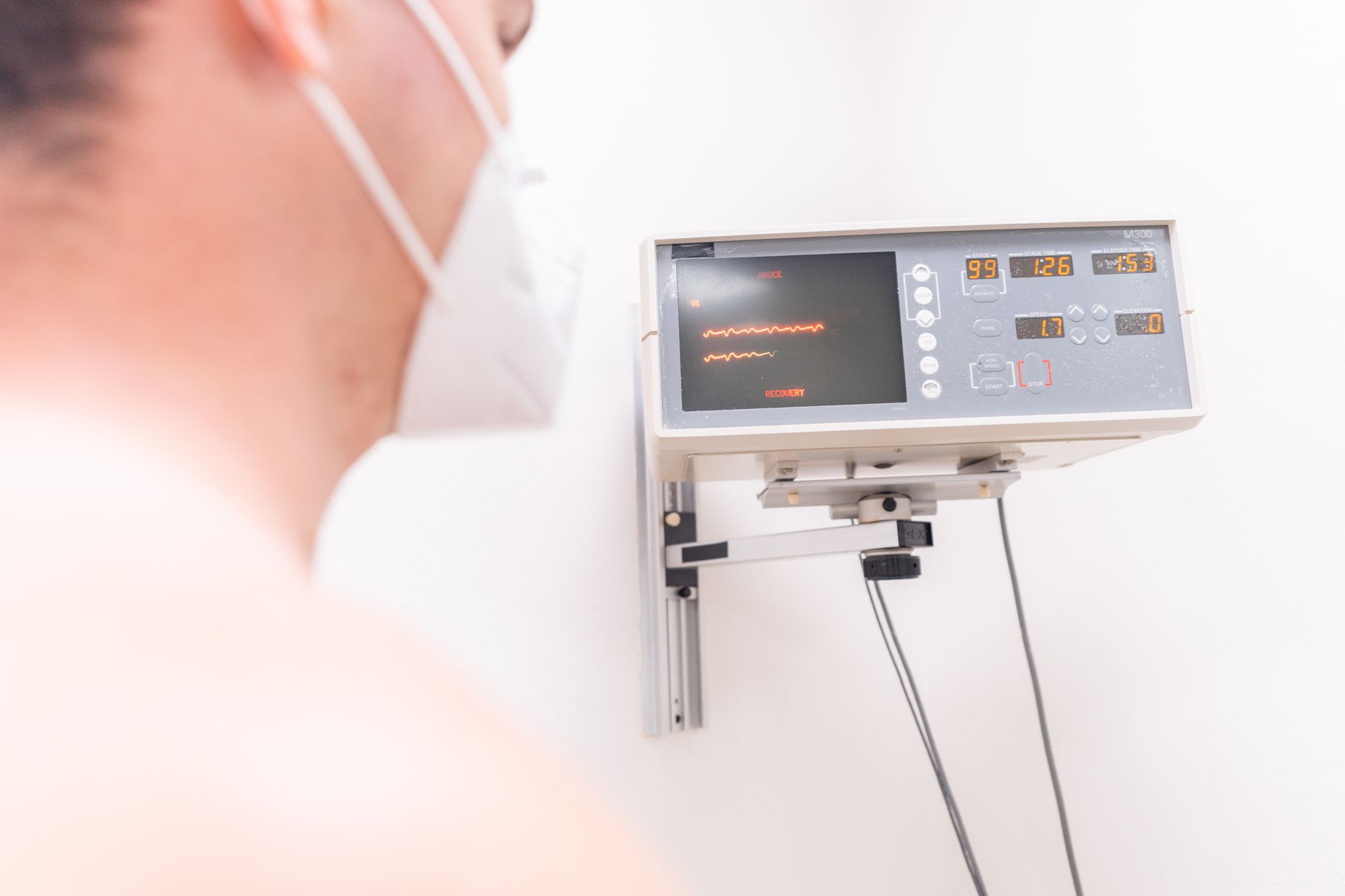
- Treadmill test (TMT) — checks how the heart responds to physical stress.
- Lipid profile and HbA1c blood tests — at least every three to six months.
In Rajkot, these investigations are readily available, and catching problems early means far more options for treatment.
Small Daily Habits That Add Up
Beyond diet, exercise, and medicines, several everyday habits protect your heart:
- Quit smoking. Smoking doubles cardiovascular risk in diabetic patients. Every day without a cigarette is a win.
- Sleep 7–8 hours. Poor sleep raises blood sugar and blood pressure.
- Manage stress. Chronic stress raises cortisol, which in turn raises blood sugar. Pranayama, gentle yoga, or even a short walk can help.
- Check your feet daily. Diabetic nerve damage can hide foot wounds; infections that go unnoticed can affect overall health.
- Take medicines consistently. Skipping doses — even for a day or two — can cause blood pressure or blood sugar to spike.
Bringing It All Together
Diabetic heart care is not about a single big change. It is the result of many small, consistent choices — a slightly better meal, a 30-minute walk, a regular check-up, a medicine taken on time. None of these is dramatic on its own, but together they create a powerful shield around your heart.
The most important step is to have a clear conversation with your cardiologist and your diabetes doctor. When both specialists communicate and coordinate your care, the results are far stronger than managing each condition in isolation.
If you have diabetes and would like a thorough heart assessment, consider booking a consultation with a qualified interventional cardiologist who can review your individual risk and put together a personalised plan for you.
Frequently asked questions
- Can diabetes directly cause heart failure even without a heart attack?
- Yes. A condition called diabetic cardiomyopathy can develop over time, where high blood sugar gradually weakens or stiffens the heart muscle. This can lead to heart failure symptoms such as breathlessness and swollen ankles even in the absence of blocked arteries. Regular echocardiograms help detect this early.
- How often should a person with diabetes see a cardiologist?
- If you have diabetes but no known heart disease, a cardiac evaluation — including an ECG and basic heart function check — is generally recommended at least once a year. If you already have cardiovascular disease or multiple risk factors, your cardiologist may want to see you every three to six months. Your doctor will advise the schedule that suits your situation.
- Are there diabetes medicines that also protect the heart?
- Yes. A group of newer blood-sugar-lowering medicines called SGLT-2 inhibitors (such as empagliflozin or dapagliflozin) and GLP-1 receptor agonists have been shown in large clinical trials to reduce the risk of heart attack, heart failure, and cardiovascular death in people with Type 2 diabetes. Ask your diabetologist or cardiologist whether these medications are appropriate for you.
- What is a 'silent' heart attack and why is it more common in diabetics?
- A silent heart attack is one that causes little or no chest pain. Diabetes can damage the nerves that carry pain signals from the heart, so the usual warning pain may be absent or very mild. Instead, a person might notice only unusual tiredness, mild indigestion, or breathlessness. This is why regular ECG check-ups are especially important for people with diabetes.