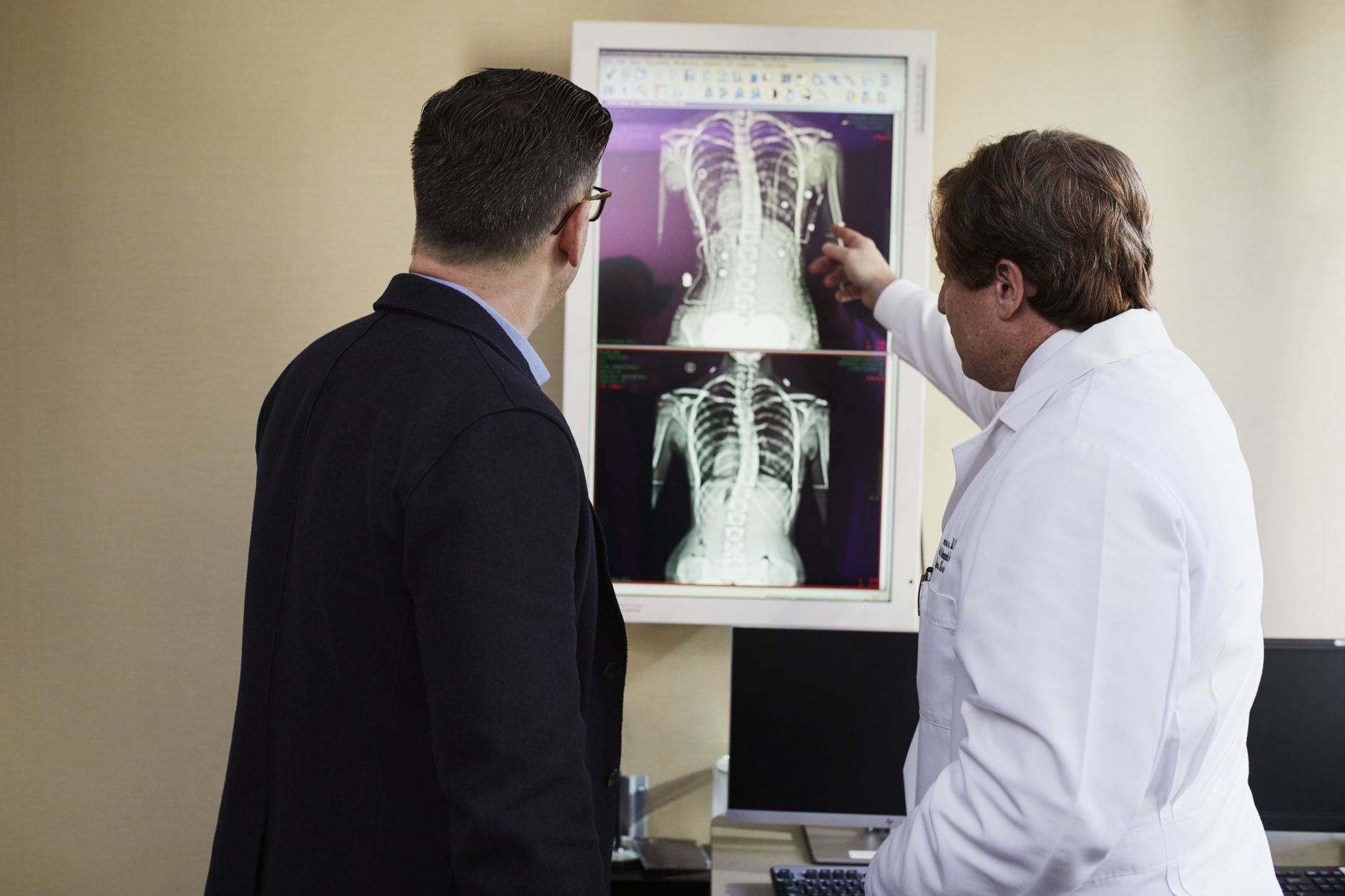
Chest Pain: Two Very Different Stories
Chest pain is one of the most common reasons people visit a cardiologist. Yet not all chest pain is the same. For many patients who come to our clinic in Rajkot, the first and most important question is: "Doctor, is this angina or a heart attack?" It is a deeply understandable worry — and one that deserves a clear, honest answer.
Understanding the difference between angina and heart attack can help you make faster, smarter decisions when it matters most. Both involve the heart. Both can cause chest discomfort. But they are very different in what is happening inside the body, how serious they are, and what you should do next.
Let us walk through both conditions, step by step.
What Is Angina?
Angina (pronounced an-JY-nuh or AN-jih-nuh) is not a disease in itself — it is a symptom. It is the chest discomfort you feel when the heart muscle is not getting quite enough oxygen-rich blood, usually because one or more coronary arteries are narrowed by a build-up of fatty deposits (plaque).
Think of it like a garden hose that is partially pinched. Water still flows, but not as freely. The heart copes at rest, but when it needs to work harder — during exercise, stress, or even a heavy meal — the reduced blood flow causes discomfort.
Types of Angina
Stable angina is the most common form. It follows a predictable pattern:
- Triggered by physical exertion or emotional stress
- Lasts 2 to 10 minutes
- Relieved by rest or a nitrate tablet/spray (if prescribed)
- The pattern stays roughly the same over weeks or months
Unstable angina is more serious and unpredictable:
- Occurs at rest, or with minimal activity
- May last longer than 10 minutes
- Is not fully relieved by rest or nitrates
- The pattern is new, worsening, or different from before
Unstable angina is a medical emergency — it signals that a blockage is becoming critical and a heart attack may be imminent.
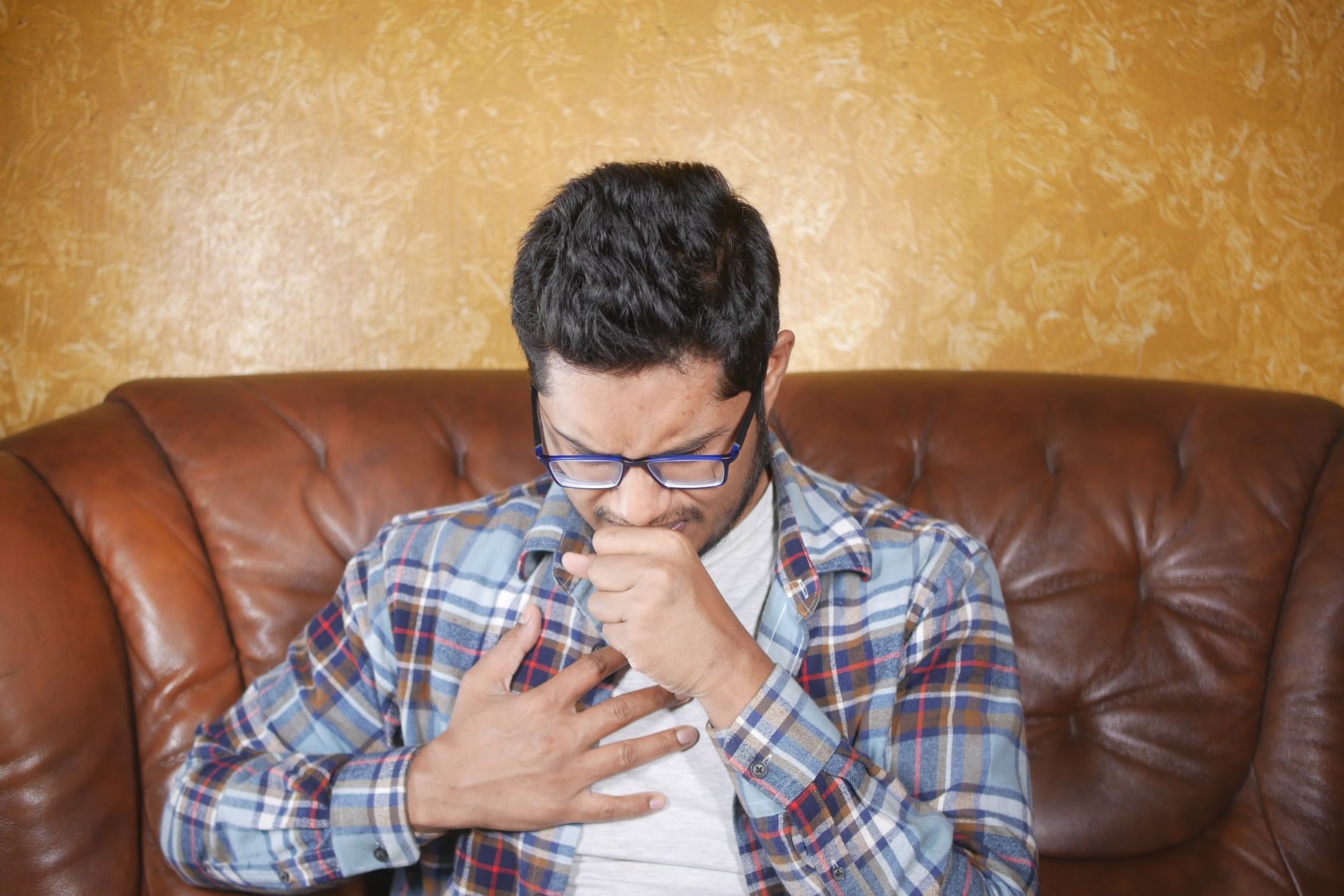
What Angina Feels Like
People describe angina in many ways:
- A pressure, heaviness, or tightness in the centre of the chest
- A squeezing or aching sensation
- Discomfort that may spread to the left arm, jaw, neck, or upper back
- Shortness of breath alongside the chest feeling
- Sometimes mistaken for indigestion or acidity
In our experience in Rajkot, many patients — especially women and older adults — describe angina as a vague "unease" rather than dramatic chest pain. Never ignore mild but recurring chest discomfort.
What Is a Heart Attack?
A heart attack (medically called a myocardial infarction, or MI) happens when blood supply to a part of the heart is completely blocked, usually because a plaque inside an artery ruptures and a blood clot forms suddenly at that site. Unlike angina, where blood flow is reduced but not cut off, in a heart attack the heart muscle is actually starved of oxygen and begins to die.
This is why time is so critical. Every minute of a heart attack without treatment means more heart muscle is lost. The phrase used in cardiology is: "Time is muscle."
What a Heart Attack Feels Like
Heart attack symptoms often overlap with angina, which is what makes them confusing. Key differences include:
- The discomfort is usually more severe and prolonged — typically lasting more than 20–30 minutes
- It is not relieved by rest or nitrate medication
- It often comes without an obvious trigger — it may begin while resting or even sleeping
- It is frequently accompanied by:
- Cold sweats or clammy skin
- Nausea or vomiting
- Lightheadedness or fainting
- A sense of impending doom or extreme anxiety
- Breathlessness even at rest
Silent Heart Attacks
Some heart attacks — particularly in people with diabetes — cause little or no chest pain at all. They may only show up later on an ECG or blood test. This is why regular cardiac check-ups are so important if you have risk factors.
Side-by-Side: Angina vs Heart Attack
Here is a simple comparison to help you remember the key differences:
| Feature | Stable Angina | Heart Attack |
|---|---|---|
| Duration | 2–10 minutes | More than 20–30 minutes |
| Trigger | Exertion, stress | Often no trigger |
| Relief | Rest or nitrates help | Rest/nitrates do NOT relieve |
| Severity | Moderate, familiar | Severe, often new or worse |
| Heart damage | No permanent damage | Heart muscle is being damaged |
| Action needed | See a cardiologist soon | Call emergency services NOW |
Important: Unstable angina sits in between — treat it like a heart attack and seek emergency care immediately.
Key Takeaways
- Angina is chest discomfort from reduced blood flow to the heart; it usually passes with rest or medication and does not permanently damage the heart.
- A heart attack means blood flow is completely blocked; heart muscle is being damaged and it is a life-threatening emergency.
- Duration matters: Discomfort lasting more than 20 minutes that is not relieved by rest is a red flag.
- Unstable angina — new, worsening, or resting chest pain — must be treated as an emergency, just like a heart attack.
- Women, elderly people, and those with diabetes may have atypical or milder symptoms; do not dismiss subtle discomfort.
- Never drive yourself to the hospital during a suspected heart attack — call emergency services or have someone take you immediately.
- Both conditions point to underlying coronary artery disease that can be managed effectively with the right care.
When Should You Call for Emergency Help?
Call emergency services (or have someone rush you to the nearest hospital) immediately if you experience:
- Chest discomfort lasting more than 15–20 minutes
- Chest pain at rest that is new or significantly worse than before
- Chest pain with sweating, nausea, breathlessness, or dizziness
- Any sudden and severe chest pain, even if you are not sure of the cause
Do not wait. Do not take a "wait and watch" approach with chest pain that feels different or more severe than usual. In cardiology, acting fast saves lives and preserves heart function.
If you are already diagnosed with stable angina and your symptoms follow their usual pattern, note the episode and contact your cardiologist promptly. But if anything feels different — more intense, longer-lasting, or present at rest — treat it as an emergency.

Managing Angina: Life After Diagnosis
Being diagnosed with angina is not the end of an active life — far from it. With the right combination of lifestyle changes, medication, and follow-up care, many people with stable angina in Rajkot and across Gujarat live full, comfortable lives.
Effective management often includes:
- Medications such as beta-blockers, nitrates, or calcium channel blockers to reduce the heart's workload and improve blood flow
- Lifestyle changes: a heart-healthy diet rich in vegetables, legumes, and whole grains; regular moderate exercise as advised by your doctor; quitting tobacco; and managing stress
- Treating underlying risk factors: controlling blood pressure, blood sugar, and cholesterol levels
- Interventional procedures: in some cases, an angioplasty (stenting) or bypass surgery may be recommended to open significantly narrowed arteries
The most important step is regular follow-up with a qualified cardiologist who can monitor your condition, adjust your treatment, and catch any changes early.
A Note on Risk Factors
Both angina and heart attacks share the same root causes. If you have any of the following, take your heart health seriously and get a cardiac evaluation:
- High blood pressure (hypertension)
- Diabetes
- High cholesterol
- Smoking or tobacco use (including gutka and pan masala)
- A family history of heart disease
- Obesity or a sedentary lifestyle
- Chronic stress
In Rajkot and the broader Saurashtra region, dietary habits and lifestyle patterns mean that many people carry multiple risk factors without knowing it. A proactive check-up — even without symptoms — can make a significant difference.
If you are experiencing recurring chest discomfort, or if you are unsure whether what you felt was angina or something more serious, please do not hesitate to consult a qualified cardiologist. Early evaluation is always the right step — book a consultation with Dr. Nikhila Pachani's clinic in Rajkot and take charge of your heart health today.
Frequently asked questions
- What is the main difference between angina and a heart attack?
- Angina is chest discomfort caused by reduced blood flow to the heart; it usually lasts 2–10 minutes and goes away with rest or medication, causing no permanent heart damage. A heart attack occurs when blood flow is completely blocked, causing the heart muscle to be starved of oxygen and begin to die. A heart attack lasts longer (more than 20–30 minutes), is not relieved by rest or nitrates, and is a medical emergency requiring immediate care.
- How do I know if my chest pain is an emergency?
- Seek emergency help immediately if your chest discomfort lasts more than 15–20 minutes, is not relieved by rest or your prescribed nitrate, occurs at rest without any trigger, or is accompanied by cold sweats, nausea, breathlessness, or dizziness. When in doubt, always err on the side of caution and call for emergency medical help.
- Can a person have a heart attack without chest pain?
- Yes. Some heart attacks — especially in people with diabetes, women, and older adults — may cause little or no typical chest pain. Instead, they may cause jaw or arm discomfort, unexplained breathlessness, nausea, fatigue, or dizziness. These 'silent' heart attacks are often discovered later on an ECG or blood test, which is why regular cardiac check-ups are important for people with risk factors.
- Is angina dangerous, and can it lead to a heart attack?
- Stable angina, when well-managed, does not directly damage the heart, but it does signal underlying coronary artery disease that requires attention. Unstable angina — chest pain that is new, worsening, or occurs at rest — is a serious warning sign and can precede a heart attack. This is why any change in your usual angina pattern must be evaluated as an emergency. With the right treatment and lifestyle changes, the risk of a future heart attack can be significantly reduced.