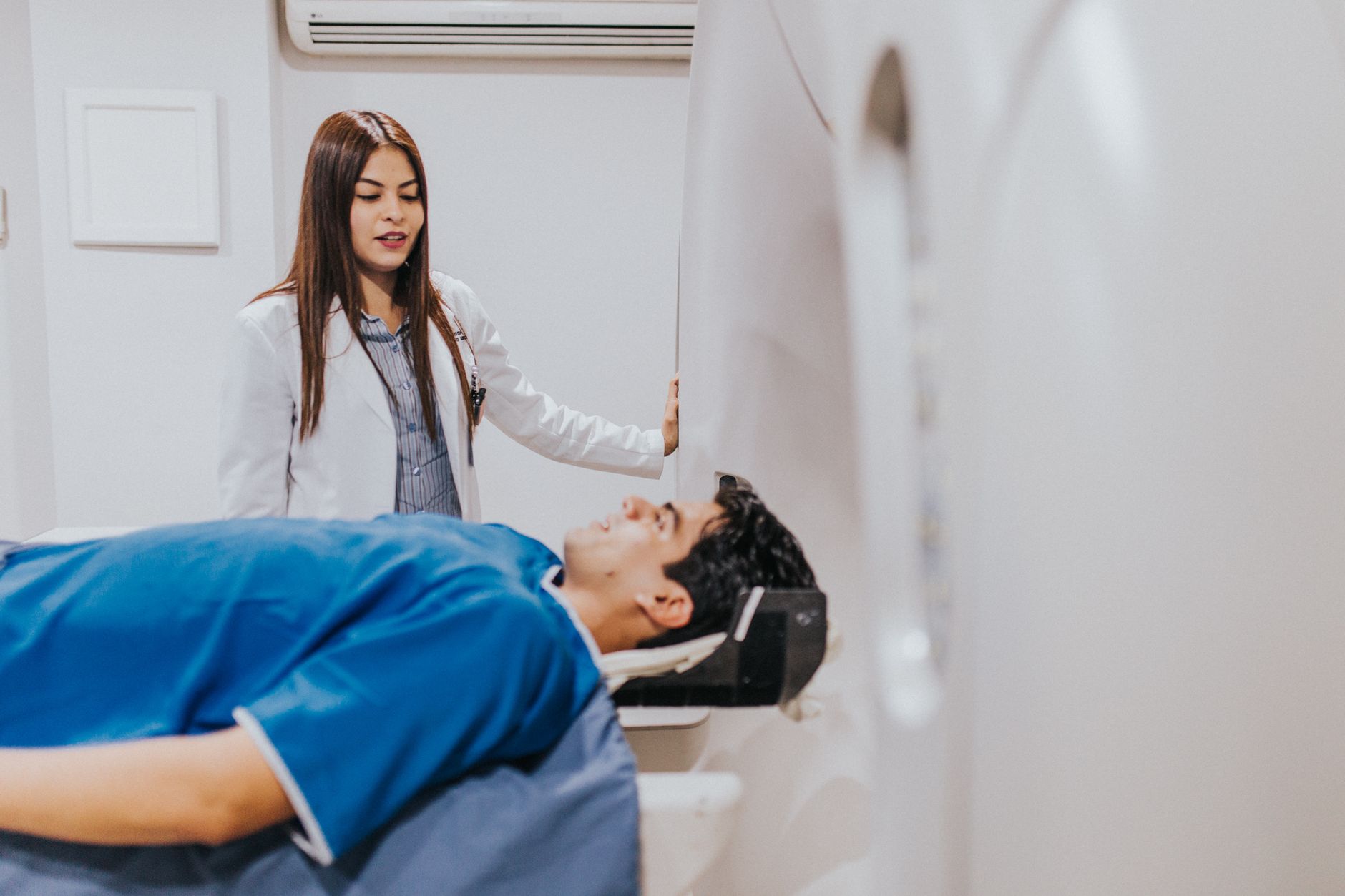
What Is Dilated Cardiomyopathy?
Your heart is a pump — roughly the size of your fist — that beats about 100,000 times every day. When it is healthy, it contracts firmly with each beat, pushing oxygen-rich blood to every corner of your body. In dilated cardiomyopathy (DCM), the walls of the heart's main pumping chamber (the left ventricle) become thin and stretched. The chamber grows larger, but it loses the muscle strength needed to pump effectively. Think of a balloon that has been over-inflated: it looks bigger, but the rubber has become too thin and floppy to spring back with force.
DCM is one of the most common reasons people develop heart failure in India, and it is something cardiologists across the country — including here in Rajkot — diagnose and manage every day. The encouraging news is that, caught early and treated well, many people with DCM live active, fulfilling lives.
Understanding Dilated Cardiomyopathy Causes and Treatment Together
One of the most important things to understand about DCM is that knowing the cause directly guides the treatment. That is why a cardiologist will always investigate why the heart has weakened, not just that it has weakened.
Common Causes of DCM
- Genetic (Familial) DCM – Roughly 25–35% of cases run in families. A mutation in genes that build the heart-muscle proteins can cause the heart to gradually enlarge over years, sometimes without obvious symptoms until the damage is significant.
- Viral infections – Certain viruses (such as enteroviruses, including some forms of Coxsackievirus) can trigger inflammation of the heart muscle (myocarditis), which may later evolve into DCM.
- Long-term high blood pressure – Uncontrolled hypertension forces the heart to work harder for years, eventually exhausting and enlarging the muscle.
- Coronary artery disease – Blocked or narrowed arteries reduce blood supply to the heart muscle. Repeated small "silent" events or one larger heart attack can weaken the muscle over time.
- Alcohol and substance misuse – Heavy, prolonged alcohol consumption is a well-recognised cause of DCM in India and worldwide. The good news here is that stopping alcohol early can sometimes allow the heart to partially recover.
- Certain medications – Some chemotherapy drugs used in cancer treatment can affect heart-muscle function. This is why oncology patients often have their hearts monitored during treatment.
- Thyroid disorders and nutritional deficiencies – An underactive thyroid or severe lack of certain B vitamins (like thiamine) can weaken the heart muscle.
- Pregnancy-related (Peripartum) DCM – A less common but important form that can develop in the last month of pregnancy or within a few months after delivery.
- Idiopathic DCM – In some cases, even after thorough investigation, no clear cause is found. This is called idiopathic DCM.

Recognising the Symptoms
DCM often develops slowly and quietly. People sometimes dismiss early signs as tiredness from a busy life. Being aware of these symptoms — especially if heart disease runs in your family — can make a real difference.
Symptoms to Watch For
- Breathlessness — especially with activity, or when lying flat at night
- Persistent fatigue — feeling unusually tired even after rest
- Swelling (oedema) — puffiness in the ankles, feet, or abdomen
- Palpitations — a fluttering, racing, or irregular heartbeat
- Dizziness or light-headedness
- Reduced ability to exercise — activities that once felt easy now feel exhausting
A 55-year-old might, for example, notice that climbing one flight of stairs leaves them breathless in a way it never did a year ago. That single change — worth mentioning to a doctor.
How Is DCM Diagnosed?
If a cardiologist suspects DCM, several safe and non-invasive tests help confirm the diagnosis and understand its severity.
- Echocardiogram (Echo) – An ultrasound of the heart. This is the most important test for DCM. It shows the size of the heart chambers and, crucially, the ejection fraction (EF) — the percentage of blood the heart pumps out with each beat. A normal EF is 55–65%. In DCM it is often below 40%.
- Electrocardiogram (ECG) – Records the heart's electrical activity and can show irregular rhythms or signs of strain.
- Blood tests – Checking BNP (a heart-stress marker), thyroid function, iron levels, and viral markers helps identify treatable causes.
- Chest X-ray – Shows if the heart shadow is enlarged and whether there is fluid in the lungs.
- Cardiac MRI – Provides a detailed image of the heart muscle, helping distinguish DCM from other conditions and guiding treatment decisions.
- Coronary angiography – If blocked arteries are suspected as the cause, this test maps the coronary arteries precisely.
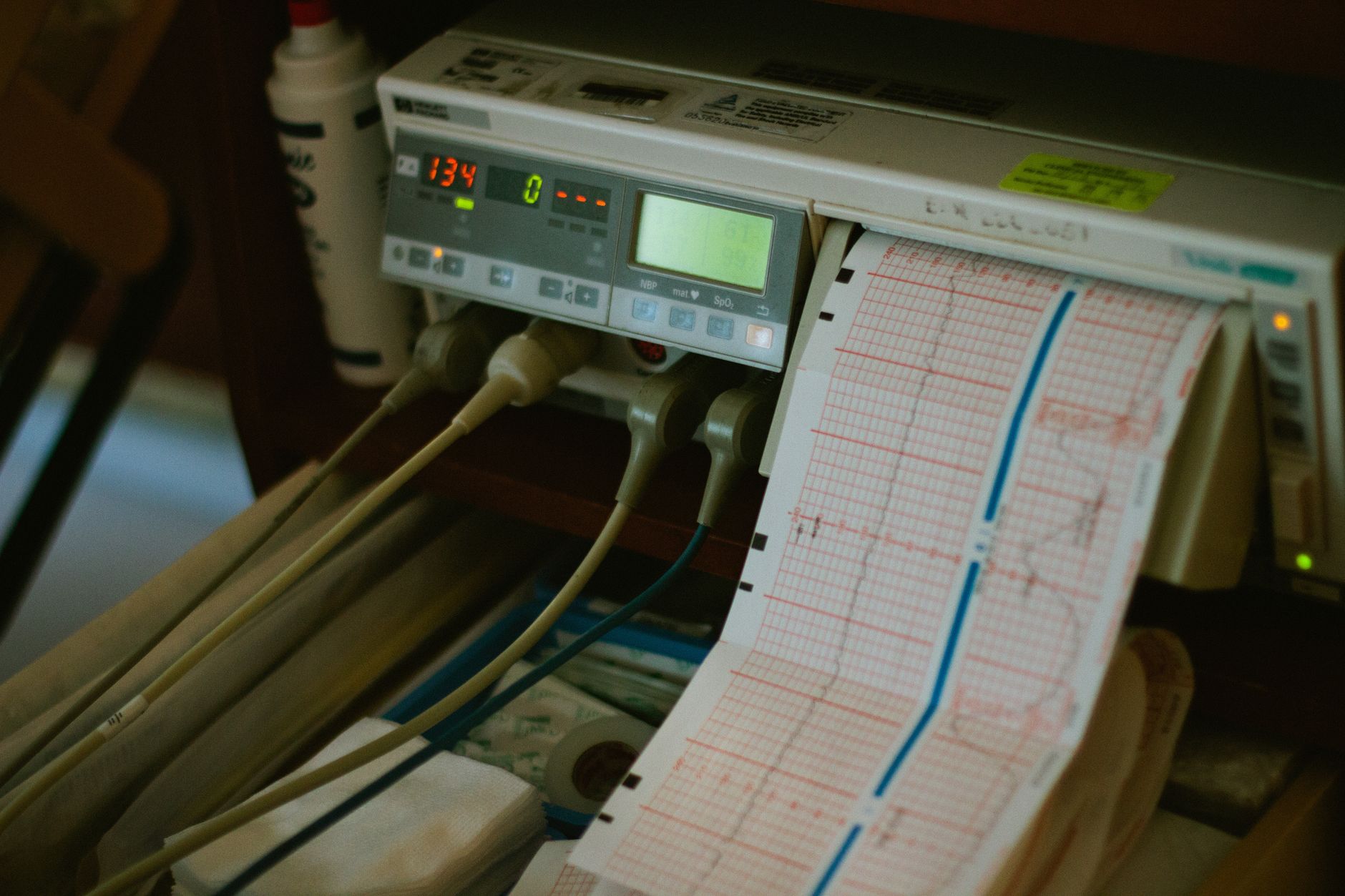
Dilated Cardiomyopathy Treatment: A Layered Approach
Treatment for DCM is highly personalised. The goals are to relieve symptoms, slow or stop further weakening of the heart, reduce the risk of complications (like dangerous heart rhythms or blood clots), and — where possible — allow the heart to recover.
1. Medicines (The Foundation of Care)
Several classes of medication have strong evidence for improving outcomes in DCM:
- ACE inhibitors or ARBs – Reduce the workload on the heart and help prevent further enlargement.
- Beta-blockers – Slow the heart rate, reduce strain, and lower the risk of sudden arrhythmias.
- SGLT2 inhibitors – Originally developed for diabetes, these medicines have shown remarkable benefit for heart failure patients regardless of diabetes status.
- Mineralocorticoid receptor antagonists (MRAs) – Help reduce fluid retention and protect the heart muscle.
- Diuretics – Remove excess fluid, easing breathlessness and ankle swelling.
2. Treating the Underlying Cause
This is where identifying the cause pays off. A patient whose DCM is linked to alcohol misuse may see significant improvement simply by stopping alcohol. Someone with a thyroid problem may recover substantially once thyroid levels are corrected. Coronary artery disease causing DCM may be addressed through angioplasty or stenting.
3. Device Therapy
When medicines alone are not enough, or when there is a risk of dangerous heart rhythms, devices can be life-saving:
- ICD (Implantable Cardioverter-Defibrillator) – A small device implanted under the skin that monitors the heart rhythm and delivers a corrective shock if a life-threatening arrhythmia occurs.
- CRT (Cardiac Resynchronisation Therapy) – In some patients with DCM, the two sides of the heart beat out of sync. A special pacemaker can resynchronise them, improving the heart's efficiency significantly.
4. Lifestyle Modifications
Medicines and devices work far better alongside healthy daily habits:
- Limit salt intake (sodium raises blood pressure and causes fluid retention)
- Moderate fluid intake as advised by your doctor
- Gentle, regular physical activity — such as walking — as recommended during cardiac rehabilitation
- Avoid alcohol and smoking entirely
- Monitor weight daily (a sudden gain of 1–2 kg in a day or two can signal fluid build-up)
- Manage stress through adequate sleep, relaxation, and social support

5. Advanced Options for Severe Cases
For a small number of patients whose hearts do not respond adequately to all of the above, advanced options such as a ventricular assist device (VAD) or heart transplantation may be discussed. These decisions involve specialist teams and careful evaluation.
Living Well With DCM: What Patients in Rajkot and Across Gujarat Should Know
A diagnosis of dilated cardiomyopathy can feel overwhelming, but it is important to remember that this is a manageable condition for the vast majority of people. With the right treatment plan, regular follow-up, and commitment to lifestyle changes, many patients see their symptoms improve and their ejection fraction rise over months.
Regular monitoring — typically an echo every 6–12 months — allows your cardiologist to adjust treatment as your heart responds. Family members of someone diagnosed with genetic DCM should also consider screening, since the condition can be detected early in relatives before symptoms appear.
Key Takeaways
- Dilated cardiomyopathy means the heart's main pumping chamber has become enlarged and weakened, reducing its ability to pump blood effectively.
- Common dilated cardiomyopathy causes include genetics, viral infections, high blood pressure, coronary artery disease, heavy alcohol use, and certain medications — identifying the cause shapes the treatment plan.
- Symptoms include breathlessness, fatigue, swollen ankles, and palpitations — do not dismiss persistent tiredness or shortness of breath.
- Diagnosis relies on echocardiography, ECG, blood tests, and sometimes cardiac MRI or angiography.
- Treatment combines evidence-based medicines, lifestyle changes, and — when needed — device therapy such as an ICD or CRT device.
- Early diagnosis and consistent treatment give the heart the greatest chance of recovery or stabilisation.
- First-degree relatives of DCM patients should ask about genetic screening.
If you or a family member are experiencing any of the symptoms described above, or if heart disease runs in your family, please do not wait. Reach out to a qualified cardiologist for a thorough evaluation — early action truly makes a difference. You are welcome to book a consultation with Dr. Nikhila Pachani, Consultant Interventional Cardiologist in Rajkot, to discuss your heart health in a comfortable, supportive setting.
Frequently asked questions
- What is the difference between dilated cardiomyopathy and a heart attack?
- A heart attack occurs when blood supply to part of the heart muscle is suddenly blocked, causing that area to be damaged quickly. Dilated cardiomyopathy (DCM) is a condition where the heart muscle gradually weakens and the main pumping chamber enlarges over time. However, repeated heart attacks or long-term coronary artery disease can be one of the causes that leads to DCM.
- Can dilated cardiomyopathy be reversed?
- In some cases, yes — particularly when a clear and treatable cause is identified early. For example, DCM related to heavy alcohol use, thyroid disorders, or certain nutritional deficiencies can improve significantly once the underlying cause is corrected. Even without a specific reversible cause, many patients see their heart function improve with modern medicines and device therapy. Your cardiologist will monitor your ejection fraction regularly to track the heart's response to treatment.
- Is dilated cardiomyopathy hereditary? Should my family members get tested?
- Yes, roughly 25–35% of DCM cases have a genetic basis. If you have been diagnosed with DCM, it is recommended that your first-degree relatives (parents, siblings, and children) be screened with an echocardiogram and, where appropriate, genetic testing. Early detection in family members allows treatment to begin before symptoms develop, which leads to better outcomes.
- What lifestyle changes are most important if I have DCM?
- The most impactful changes are: completely avoiding alcohol and smoking, reducing salt intake to limit fluid retention, monitoring your weight daily (reporting a sudden gain of 1–2 kg to your doctor), taking all prescribed medicines consistently, and engaging in gentle physical activity such as walking as guided by your cardiologist. Stress management and adequate sleep also support heart recovery.