The Festival Season We Love — and the Hidden Heart Stress It Brings
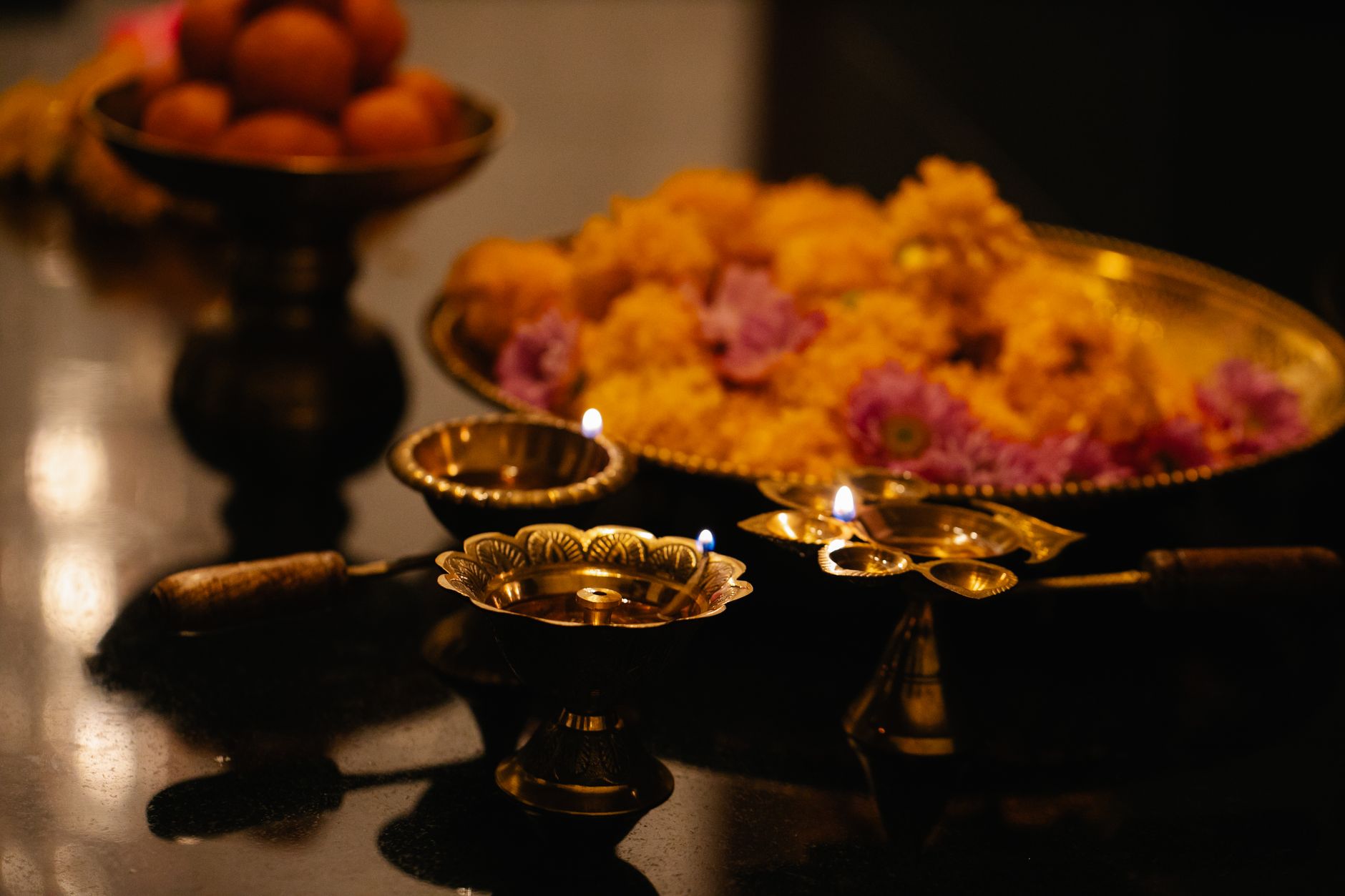
Diwali is one of the most joyful times of the year. Homes glow with diyas, the air smells of mithai and marigolds, and families across Rajkot and all of Gujarat gather to celebrate, laugh, and feast. It is also, quietly, one of the most demanding periods for your heart.
Here is why: Diwali in India almost always coincides with the arrival of cooler weather. That combination — the physical and emotional demands of the festive season layered on top of dropping temperatures — creates a double risk that cardiologists across the country observe every year. Understanding this risk is not about dampening your celebrations. It is about making sure you are healthy enough to enjoy many more Diwalis to come.
Why Winter Alone Already Stresses the Heart
Even before a single ladoo is eaten or a single firecracker lit, cold air has its own well-documented effects on the cardiovascular system.
When temperatures drop, your body works hard to keep itself warm. Blood vessels near the skin tighten (a process called vasoconstriction) to conserve heat. This narrowing raises blood pressure and forces the heart to pump harder against greater resistance. For someone with already narrowed coronary arteries — even someone who does not yet know it — this extra effort can tip the balance toward a cardiac event.
Research consistently shows that hospital admissions for heart attacks rise during colder months across India, including in Gujarat, where temperatures in November and December can dip sharply at night. A 55-year-old with borderline hypertension, for example, may manage perfectly well in October, but find that November mornings bring unexpectedly high blood pressure readings.
Other cold-weather effects on the heart include:
- Blood becomes slightly "stickier" and more prone to clotting in cooler temperatures
- Heart rate increases to generate body warmth, adding to cardiac workload
- Physical exertion outdoors (morning walks, outdoor functions) feels more strenuous
- People with breathing problems breathe more shallowly, reducing oxygen delivery
The Diwali Layer: What the Festival Adds to the Mix
Now layer the festive season on top of that already-stressed winter baseline.
1. The Mithai and Fried Food Load
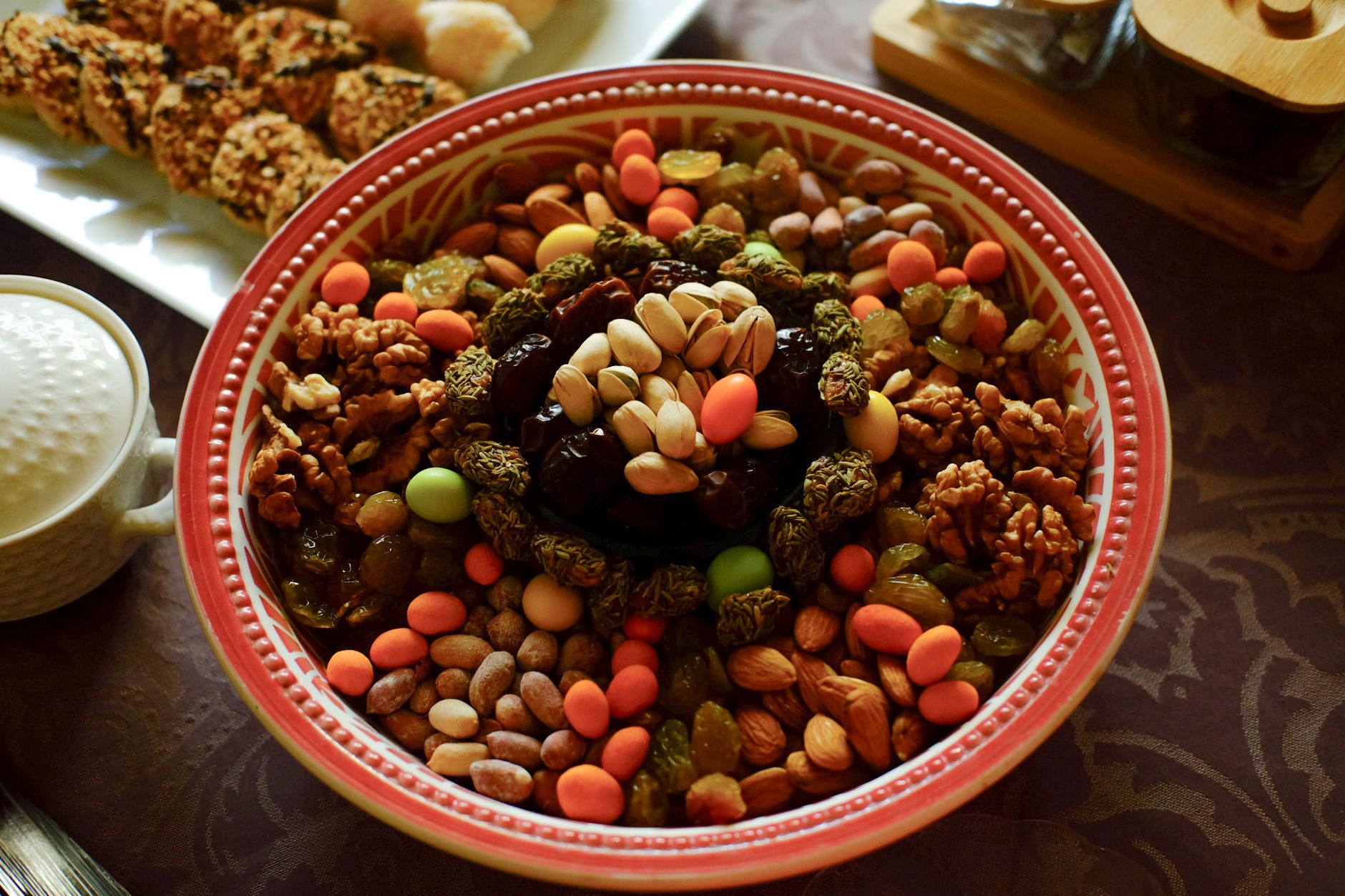
Diwali spreads are generous — ghee-laden sweets, namkeen, chakli, fried snacks, and rich dry-fruit barfis arrive at your doorstep by the boxful. Eaten in moderation over a day or two, many of these foods are fine. But consumed continuously over a week-long celebration, they deliver a heavy load of saturated fat, sugar, and salt.
A sudden high-fat, high-sugar meal can cause a temporary spike in blood triglycerides, increase inflammatory markers, and affect blood vessel flexibility for several hours after eating. For someone with existing heart disease or diabetes, this is worth taking seriously.
2. Disrupted Sleep and Late Nights
Late-night puja, card parties, family get-togethers that run past midnight — sleep disruption during Diwali is almost universal. Poor sleep raises cortisol (the stress hormone), elevates blood pressure, and reduces the heart's recovery time. Even two or three nights of short sleep can meaningfully affect cardiovascular rhythm and blood pressure regulation.
3. Firecracker Smoke and Air Quality
This is perhaps the most underappreciated risk. Firecracker pollution dramatically worsens air quality during Diwali. Fine particulate matter (PM2.5) from smoke enters the bloodstream through the lungs and triggers inflammation in blood vessel walls. Studies have linked spikes in air pollution to increases in cardiac events in the 24–72 hours that follow. People with heart failure or coronary artery disease are especially vulnerable.
4. Emotional and Social Stress
Celebrations bring joy — but also logistics, travel, family dynamics, financial pressures, and the sheer busyness of it all. Emotional stress activates the sympathetic nervous system, raising heart rate and blood pressure acutely. For some individuals, intense emotional excitement (positive or negative) can be enough to trigger an arrhythmia or, in rare cases, a cardiac event.
5. Skipping Medications and Routine
It happens every year: in the rush of Diwali preparations, people forget their blood pressure tablet, skip their evening walk, or postpone a follow-up appointment. A missed dose of a heart or blood pressure medication can have real short-term consequences, particularly when the body is already under seasonal and festive stress.
Key Takeaways: Diwali & Winter Heart Precautions
- Dress warmly for early mornings and evenings — cold air is a direct cardiac stressor
- Enjoy sweets in small portions across the day rather than eating large amounts at once
- Stay hydrated — indoor heating and festive busyness can lead to mild dehydration, which thickens blood
- Never skip heart medications, even on Diwali day itself
- Limit time near firecracker smoke — wear a mask if you are stepping out during peak Diwali nights
- Protect your sleep — aim for at least 6–7 hours even during the festive week
- Watch for warning signs (see below) and act on them immediately — do not dismiss symptoms as "acidity" or "tiredness"
- If you have been putting off a cardiac check-up, schedule one before or right after the festive season
Warning Signs You Must Never Ignore During Diwali
Festive noise and excitement can sometimes mask symptoms, or people avoid mentioning discomfort so as not to "ruin" the celebration. Please do not do this.
Seek medical attention immediately if you or anyone around you experiences:
- Chest pain, tightness, pressure, or heaviness — even if it feels mild
- Breathlessness at rest or with very light activity
- Palpitations — a racing, fluttering, or irregular heartbeat that does not settle
- Sudden dizziness, light-headedness, or fainting
- Pain or discomfort spreading to the left arm, jaw, neck, or upper back
- Unusual fatigue — particularly in women, this can be an atypical heart attack symptom
In Rajkot and across Gujarat, cardiac catheterisation labs and emergency cardiac care are available — but the most important step is not delaying when symptoms appear.

Practical Tips for a Heart-Smart Diwali
Eating Wisely at Festive Gatherings
You do not need to refuse every sweet — that would make the festival less fun and is not necessary. Instead:
- Take one small piece of mithai and savour it slowly, rather than grazing on a box
- Pair sweets with a handful of dry fruits or nuts to blunt the sugar spike
- Choose roasted or baked namkeen over deep-fried varieties when there is a choice
- Keep fresh fruits visible and accessible at home as a between-meal option
- Drink a full glass of water before sitting down to a festive meal
Managing Cold Weather Safely
- Layer your clothing in the evenings and early mornings — a warm shawl or light jacket matters
- Avoid sudden exposure to cold after a warm environment (stepping out of a heated hall into cold night air) — transition gradually
- Do not skip your morning walk, but consider shifting it to mid-morning when temperatures are milder
- Keep indoor spaces adequately warm at night, especially if you are elderly or have a known heart condition
Air Quality and Fireworks
- Stay indoors between 8 PM and midnight on peak Diwali nights if you have heart or lung conditions
- If you do step outside, wear a well-fitting mask (N95 or comparable)
- Air purifiers with HEPA filters are useful indoors during high-pollution nights
- Keep windows closed and use indoor diyas and lights to celebrate beautifully without smoke exposure
Medication and Monitoring
- Set a phone reminder for every medication, every day of the festive week
- If you have a home blood pressure monitor, use it — early mornings and late evenings in winter are the highest-risk windows
- Keep your cardiologist's contact number saved and accessible
- If you are a known heart patient and travelling to another city for Diwali, carry a summary of your medications and recent reports

A Word for Families and Caregivers
Often, it is the family that notices something is wrong before the patient admits it. If an elderly parent or relative seems unusually breathless, looks pale, is clutching their chest, or says they feel "something strange" — take it seriously. Encourage them to sit, rest, and if symptoms persist beyond a few minutes, seek emergency care. Do not wait to see if it passes on its own.
Creating a heart-safe Diwali is a family effort. Making sure older relatives are dressed warmly, have taken their tablets, and are not eating excessively is a genuine act of love — and it could make a critical difference.
Celebrate Joyfully, Celebrate Safely
Diwali is a time of light, gratitude, and togetherness. There is no reason that heart health and festive joy cannot go hand in hand. A little mindfulness — about what you eat, how you dress for the cold, what you breathe, and how well you sleep — can make the entire season safer and more enjoyable.
The goal is simple: a celebration today, and a healthy heart for every celebration that follows.
If you have concerns about your heart health this festive season, or if you are due for a cardiac check-up, consider consulting a qualified cardiologist. Dr. Nikhila Pachani, Consultant Interventional Cardiologist in Rajkot, Gujarat, is available for consultations — reach out to her clinic to book your appointment before or after the festive season.
Frequently asked questions
- Why are heart attacks more common during winter and Diwali in India?
- Cold temperatures cause blood vessels to narrow and blood pressure to rise, making the heart work harder. Diwali adds further stress through rich food, disrupted sleep, firecracker smoke pollution, and emotional excitement. Together, these factors significantly increase cardiovascular risk, particularly for people with existing heart conditions or high blood pressure.
- Can firecracker smoke really affect my heart?
- Yes. Fine particulate matter (PM2.5) released by firecrackers enters the bloodstream through the lungs and triggers inflammation in blood vessel walls. Research shows a clear link between spikes in air pollution and increased cardiac events in the days that follow. People with heart disease, heart failure, or high blood pressure should minimise exposure and wear a protective mask if going outdoors during peak Diwali nights.
- Is it safe to eat Diwali sweets if I have a heart condition?
- Enjoying sweets in small portions and spreading them through the day is generally manageable for most people, including many with controlled heart conditions. However, consuming large amounts of high-fat, high-sugar, or high-salt festive foods repeatedly over several days can raise blood pressure, triglycerides, and inflammation. It is wise to discuss your specific dietary limits with your cardiologist before the festive season.
- What warning signs of a heart attack should I watch for during Diwali celebrations?
- Never ignore chest pain, tightness, or pressure; breathlessness at rest or with light activity; pain spreading to the arm, jaw, or neck; sudden dizziness or fainting; or unusual fatigue. In women, atypical symptoms like unexplained tiredness or nausea can also signal a cardiac event. If any of these occur, seek emergency medical care immediately — do not wait or dismiss them as acidity or festival tiredness.