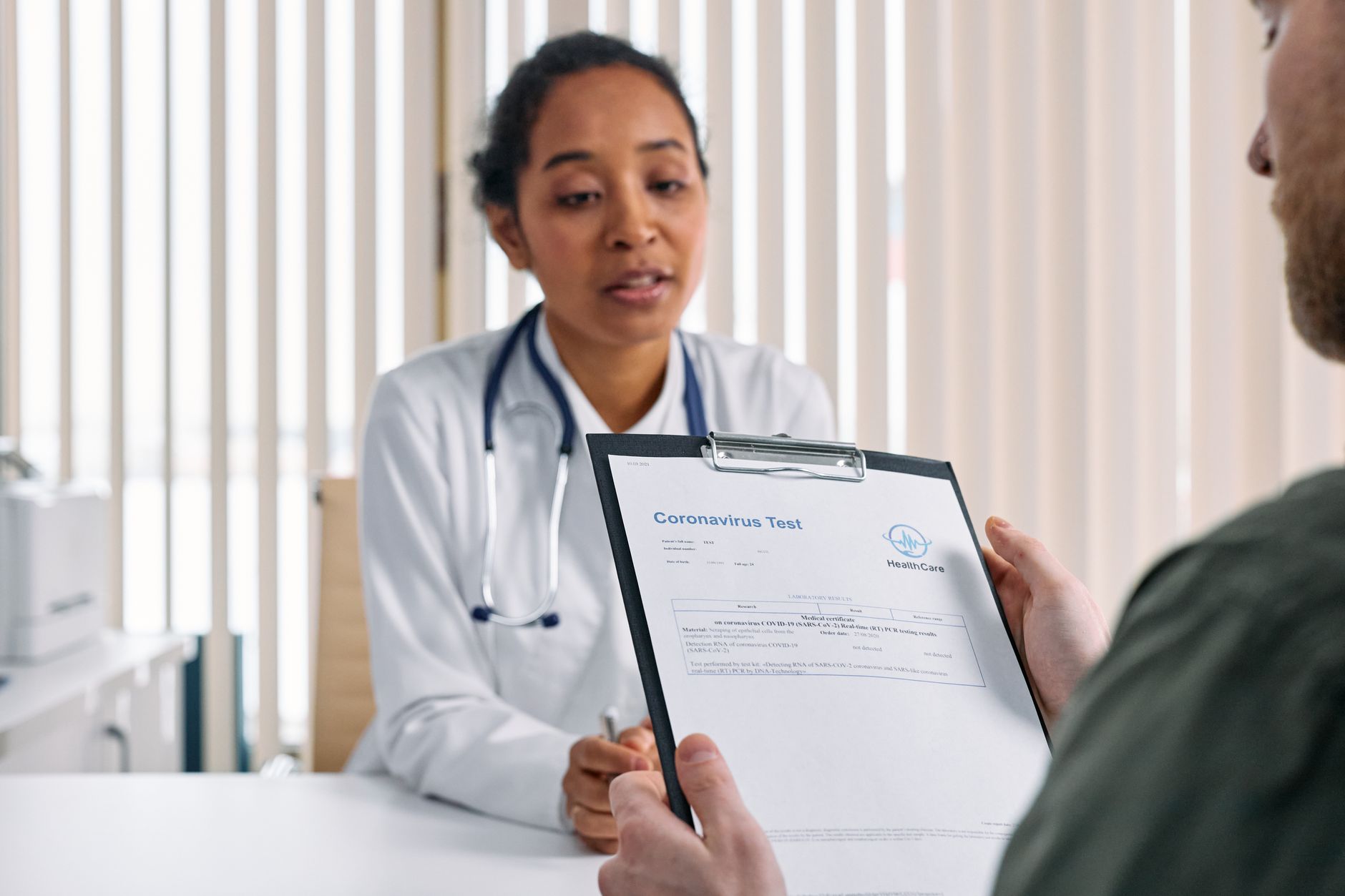
Your cardiologist has asked you to come in for a cardiac blood test — and the instruction says "come fasting." Suddenly a simple appointment feels complicated. Should you skip your morning tea? Can you take your blood pressure tablet? What if you feel dizzy?
You are not alone. These are among the most common questions patients ask at our clinic in Rajkot. This article walks you through everything you need to know, in plain language, so you can prepare confidently and get the most accurate results from your test.
Why Does Fasting Matter for a Heart Test?
When you eat or drink anything other than plain water, your body begins digesting food and releasing nutrients — including fats and sugars — into your bloodstream. This can temporarily change the levels of certain substances in your blood, making it harder for your doctor to see your true baseline numbers.
For cardiac blood tests — especially a lipid profile (which measures cholesterol and triglycerides) — even a small snack a few hours before the test can push your triglyceride reading significantly higher. This could either mask a real problem or trigger unnecessary concern.
Fasting gives your body time to clear these temporary changes, so the results reflect what is actually happening in your cardiovascular system over time — not just what you had for dinner last night.
Which Cardiac Tests Require Fasting?
Not every heart-related test needs fasting. Here is a simple breakdown:
Tests That Usually Require Fasting
- Lipid profile (cholesterol panel): This is the most common test that needs fasting — typically 9 to 12 hours of fasting beforehand.
- Fasting blood glucose / HbA1c: Diabetes and heart disease are closely linked. Fasting glucose usually requires 8–10 hours without food.
- Lipoprotein(a) and advanced lipid panels: These specialised tests often ask for fasting similar to a standard lipid profile.
Tests That Generally Do NOT Require Fasting
- ECG (electrocardiogram): This test records the electrical activity of your heart. Food has no effect on it. No fasting needed.
- Echocardiogram (heart ultrasound): Generally no fasting required (unless sedation is involved — your doctor will specify).
- Troponin / cardiac enzyme tests (for chest pain/emergency): These are done urgently and do not require fasting at all.
- C-reactive protein (CRP) and complete blood count (CBC): Usually do not need fasting, though your lab may advise it for consistency.
Tip: Always check the specific instructions given by your cardiologist or the diagnostic lab. Requirements can differ based on the test panel ordered and the lab's protocols.
How Long Should You Fast?
For a standard fasting lipid profile, the general recommendation is:
- 9 to 12 hours of fasting before the blood draw
- Water is allowed — and actually encouraged. Staying well-hydrated makes it easier to draw blood and keeps you comfortable.
- Alcohol should be avoided for at least 24 hours before a lipid test, as it can raise triglyceride levels noticeably.
A practical approach many patients in Rajkot find easy: have a light, early dinner the night before (around 8–9 pm), go to sleep normally, and come for the test first thing in the morning (around 7–9 am). This makes the fasting window feel almost effortless because most of it happens while you are asleep.
What Can You Have During the Fasting Period?
| Allowed | Avoid |
|---|---|
| Plain water (as much as you like) | Tea, coffee, milk, juices |
| Plain prescribed medicines (see below) | Soft drinks, energy drinks |
| — | Chewing gum or lozenges |
| — | Any food, even a small biscuit |
Even "sugar-free" drinks or black coffee can stimulate metabolic responses that may slightly alter your results. When in doubt, stick to plain water.
What About Your Morning Medicines?
This is one of the most important questions — and the answer depends on the medicine.
Generally SAFE to take with a small sip of water before the test:
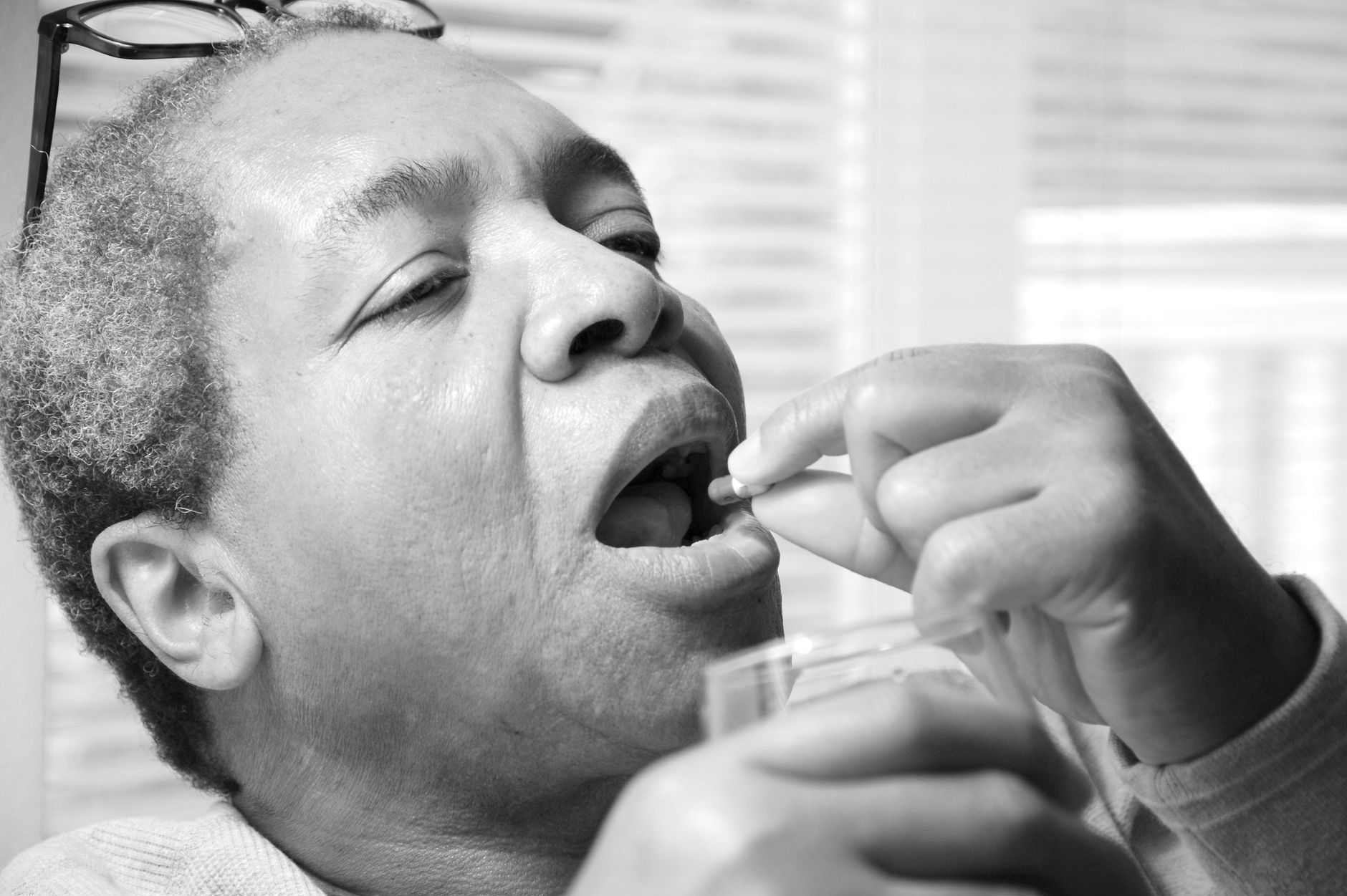
- Blood pressure medicines (antihypertensives)
- Thyroid medicines (e.g., levothyroxine)
- Most heart rate medications
Check with your cardiologist or lab first:
- Statins (cholesterol-lowering medicines): Some labs prefer you take these after the test to avoid any potential interaction with results; others say it makes no difference. Ask your doctor.
- Diabetes medicines (especially if they lower blood sugar): Taking these while fasting without eating can cause low blood sugar (hypoglycaemia). Your doctor may ask you to delay the dose until after the test and breakfast.
- Insulin: Timing is critical. Always follow specific instructions from your endocrinologist or cardiologist.
The golden rule: never stop or delay a critical medicine without checking with your doctor first. A quick phone call to the clinic the evening before can save a lot of confusion on the day.
Special Situations to Discuss With Your Doctor
If You Have Diabetes
Fasting while on blood-sugar-lowering medicines carries a real risk of hypoglycaemia (low blood sugar). Make sure your cardiologist and diabetologist are both aware of the test plan. Schedule your appointment as early in the morning as possible, and have a snack ready to eat immediately after the blood draw.
If You Are Pregnant
Fasting for long periods during pregnancy should be done with caution. Inform your doctor — they may adjust the fasting duration or the timing of the test.
If You Are Elderly or Feel Faint Easily
A 55-year-old patient, for example, might feel lightheaded after a 12-hour fast, particularly in the summer heat common across Gujarat. In such cases, your doctor may shorten the recommended fasting window or order a non-fasting lipid test, which is now considered acceptable by many international guidelines for lower-risk individuals. Do not hesitate to mention any history of dizziness or weakness.
If You Accidentally Ate Something
Do not panic — and do not try to hide it. Simply inform the lab technician or your cardiologist. They may reschedule the test or, depending on the clinical situation, proceed with a note that the sample was non-fasting. Accurate information always leads to better decisions.
On the Day of the Test: A Simple Checklist
- ✅ Stop eating 9–12 hours before (a light early dinner works well)
- ✅ Drink plain water freely — stay hydrated
- ✅ Take routine blood pressure and heart medicines with a small sip of water (unless told otherwise)
- ✅ Hold off on diabetes medicines until after the test and your first meal (confirm with your doctor)
- ✅ Avoid tea, coffee, juice, and alcohol
- ✅ Wear a loose-sleeved top for easy blood draw access
- ✅ Bring your previous reports if this is a follow-up test
- ✅ Eat a healthy breakfast immediately after your blood is drawn
After the Test: Breaking Your Fast
Once the blood draw is done, eat a proper, balanced meal. Do not skip breakfast — your body has been fasting and needs fuel. A combination of whole grains, fruit, and protein works well. Take any medicines you had held off until this point.
If you feel dizzy or unwell at any point during or after the test, inform the clinic staff immediately.
Key Takeaways
- Fasting is mainly needed for lipid profile and fasting glucose tests — not for ECGs or echocardiograms.
- Fast for 9–12 hours and drink plenty of plain water throughout.
- Do not stop your blood pressure or heart medicines without checking with your doctor first.
- If you have diabetes, discuss medicine timing carefully before the test day.
- Alcohol should be avoided for 24 hours before a cholesterol/triglyceride test.
- If you accidentally eat something, tell your doctor — do not try to hide it.
- Schedule the test early in the morning to make fasting more comfortable.
Getting a cardiac blood test is a positive step — it gives your cardiologist the clearest possible picture of your heart health. A little preparation the night before makes a real difference to the accuracy of your results.
If you have specific questions about your upcoming test or your heart health, we warmly invite you to book a consultation with Dr. Nikhila Pachani, Consultant Interventional Cardiologist, Rajkot. Personalised guidance is always a better guide than general advice.
Frequently asked questions
- How many hours should I fast before a cardiac blood test?
- For most cardiac blood tests — especially a lipid profile (cholesterol panel) — a fasting period of 9 to 12 hours is recommended. Plain water is allowed and encouraged throughout this period. Always confirm the exact duration with your cardiologist or the diagnostic lab, as requirements can vary.
- Can I drink water before a fasting cardiac blood test?
- Yes, plain water is not only allowed but recommended before a fasting cardiac blood test. Staying well-hydrated makes the blood draw easier and keeps you comfortable. However, avoid tea, coffee, juices, soft drinks, and any other beverages during the fasting period.
- Should I take my heart or blood pressure medicines before a fasting blood test?
- In most cases, yes — blood pressure medicines, heart rate medications, and thyroid medicines are generally safe to take with a small sip of water before the test. However, if you take diabetes medicines or insulin, you should check with your cardiologist first, as fasting while on blood-sugar-lowering medicines can cause low blood sugar. Never stop a critical medicine without medical advice.
- Do I need to fast before an ECG or echocardiogram?
- No, fasting is not required before a standard ECG (electrocardiogram) or a routine echocardiogram (heart ultrasound). Food does not affect the electrical readings of an ECG or the ultrasound images of an echo. Fasting is mainly needed for blood tests such as a lipid profile or fasting blood glucose.