Fasting with Faith — and a Healthy Heart
For millions of people across Gujarat and India, religious fasts are among the most meaningful parts of the year. Whether it is the month-long Ramadan fast observed by Muslim families, or the nine nights of Navratri celebrated with devotion by Hindu communities right here in Rajkot, fasting is a deeply personal act of faith and discipline.
But if you have a heart condition — or even if you simply want to take care of your heart — you may wonder: Is it safe for me to fast? What do I eat? What about my medications?
The reassuring answer is that most people, including many heart patients, can observe their religious fast safely — with the right preparation and a few sensible precautions. This article walks you through everything you need to know.
Understanding the Two Fasts
Ramadan Fasting
During Ramadan, Muslims abstain from all food and water from dawn (Sehri/Suhoor) to sunset (Iftar) — typically a 12–16 hour window. This continues for 30 days. The pattern is consistent but the long daily fast, especially in Gujarat's warm spring climate, can place real demands on the body.
Navratri Fasting
Navratri fasts vary widely. Some people eat only one meal a day (Ekadashi-style), others avoid grains and certain vegetables and eat fruits, dairy, and specific flours like singhara or rajgira throughout the day. Because Navratri fasting still allows some food and fluids during the day, it is generally gentler on the cardiovascular system — but it still deserves attention, especially for heart patients.
Why the Heart Needs Extra Attention During Fasting
Fasting changes several things in the body that directly touch heart health:
- Hydration levels drop. Dehydration thickens the blood slightly and makes the heart work harder to pump it around the body. This is especially relevant during Ramadan when even water is avoided during daylight hours.
- Meal timing shifts. Eating one large Iftar meal or a heavy Navratri thali after hours of fasting can cause a rapid rise in blood sugar and blood pressure, which stresses the heart.
- Medication schedules may be disrupted. Many heart medications — such as blood thinners, blood pressure tablets, or diuretics — are timed around meals. Fasting can change how they are absorbed and when they should be taken.
- Physical activity patterns change. Garba dancing during Navratri is wonderful exercise, but doing it on an empty stomach or after midnight can be taxing if your heart condition is not well controlled.
- Electrolyte balance shifts. Long fasts can lower potassium and sodium levels, which can affect heart rhythm, particularly in people with arrhythmia.
Who Should Be Extra Careful?
Fasting is generally not recommended without close medical supervision for people with:
- Recent heart attack (within the last 3–6 months)
- Unstable angina or chest pain that is not yet controlled
- Severe heart failure (breathlessness at rest or with minimal activity)
- Uncontrolled, very high blood pressure
- Significant arrhythmia (irregular heartbeat) on multiple medications
If you fall into any of these groups, please speak with your cardiologist before the fasting season begins. In Rajkot, our clinic sees many patients who simply need a pre-fast review and a simple medication plan — and most of them go on to observe their fast comfortably and safely.

For people with well-controlled hypertension, stable coronary artery disease, or mild heart failure, fasting is often possible with adjustments. The key is planning ahead.
Practical Heart-Safe Tips for Fasting
1. Talk to Your Cardiologist Before You Begin
This is the single most important step. Share your fasting plans — which type of fast, how many days, what you typically eat — so your doctor can review your medications, check your blood pressure and heart rate, and advise you specifically. Do not simply stop or skip medications on your own.
2. Adjust Medications Thoughtfully (With Your Doctor)
- Blood pressure medications: Some may need to be shifted from morning to evening (e.g., during Sehri or Iftar). Never stop them without advice.
- Diuretics (water tablets): These may need dose adjustment during Ramadan to avoid dehydration. Your cardiologist can guide this.
- Blood thinners (like warfarin or newer anticoagulants): Fasting can affect their levels. Regular monitoring is important.
- Statins: Usually taken at night and are generally unaffected by fasting.
3. Stay Well Hydrated
During Navratri, drink water consistently throughout the day — don't wait until you feel thirsty. During Ramadan, use the Sehri and Iftar windows to drink plenty of water. Aim for at least 8–10 glasses in the non-fasting hours. Coconut water, buttermilk (chaas), and diluted fruit juices are excellent choices. Avoid sugary fizzy drinks and excessive chai or coffee, which can be dehydrating.
4. Break Your Fast Gently
It is tempting to eat a large, rich meal at Iftar or after Navratri prayers, but a sudden heavy meal causes a spike in blood sugar and puts extra work on the heart. Instead:
- Break the fast with a few dates, a small portion of fruit, or a light soup
- Wait 20–30 minutes, then have a balanced main meal
- Include vegetables, dal, lean protein, and whole grains where your fast permits
- Limit fried snacks like farsan, namkeen, and chevdo, which are high in salt and unhealthy fats
5. Choose Heart-Friendly Fasting Foods
During Navratri, good choices include:
- Sabudana (tapioca) in moderation — but skip the fried version; opt for sabudana khichdi with minimal oil
- Rajgira (amaranth) roti — high in protein and fibre
- Makhana (fox nuts) — a light, heart-friendly snack
- Fresh fruits, especially banana, apple, and papaya
- Curd/yoghurt — provides protein and probiotics
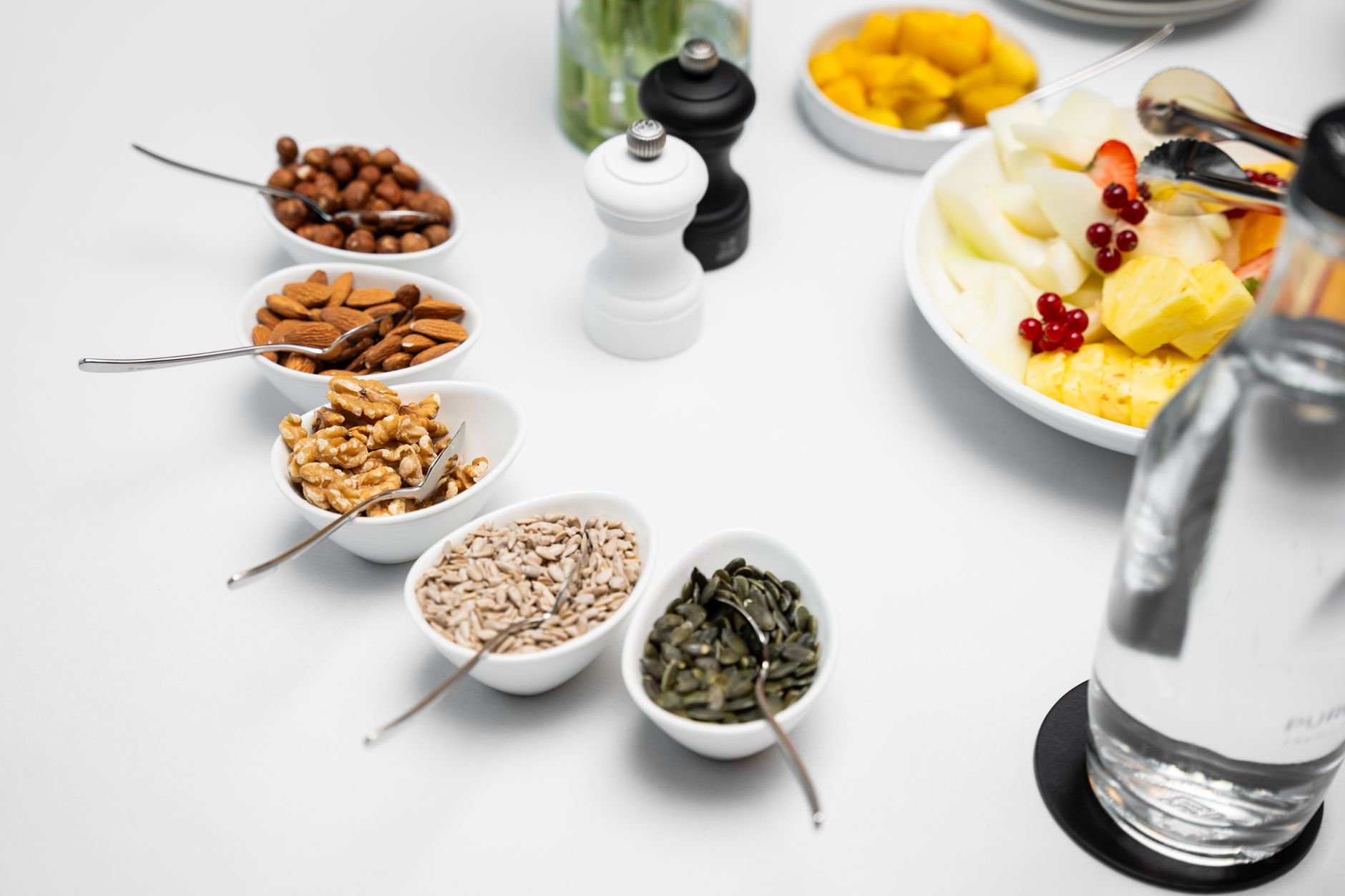
- Dry fruits like almonds and walnuts (unsalted) — healthy fats for the heart
During Ramadan (Suhoor and Iftar), good choices include:
- Oats, whole grain roti, or brown rice at Suhoor for sustained energy
- Lentil soup (dal) at Iftar — filling and gentle on the heart
- Grilled or baked chicken or fish rather than fried
- Fresh salads with olive oil and lemon
- Limit sweet sherbets, fried pakoras, and heavy biryanis

6. Navratri Garba: Moving Safely
Garba is a joyful tradition and genuinely good exercise — but dancing vigorously for several hours late at night, especially after fasting all day, can be challenging for the heart. If you are a heart patient:
- Limit Garba to 1–2 hours rather than the full night
- Take breaks every 20–30 minutes and sit down if you feel breathless, dizzy, or your chest feels heavy
- Do not dance on a completely empty stomach — have a light snack first
- Stop immediately and seek help if you feel chest pain, palpitations, or unusual breathlessness
7. Know the Warning Signs
Both during Ramadan and Navratri, watch for these symptoms and seek medical attention promptly:
- Chest pain or tightness
- Sudden breathlessness even at rest
- Rapid or irregular heartbeat (palpitations)
- Dizziness or fainting
- Severe headache with blurred vision (possible blood pressure spike)
- Unusual swelling in legs or feet
A Note on Spiritual Intent and Medical Exemptions
Islam specifically exempts those who are ill from fasting (Rukhsa), with the expectation of making up missed fasts or offering Fidya when health is restored. Similarly, many Hindu traditions recognise that true devotion lies in the spirit of the fast, not in endangering one's health. Most religious scholars across faiths agree: protecting the life God gave you is itself an act of worship.
If your cardiologist advises you not to fast, or to modify your fast, please know that this is not a failure of faith — it is wisdom.
Key Takeaways
- Most heart patients can observe religious fasts safely with proper planning and medical guidance
- Always consult your cardiologist before Ramadan or Navratri to review medications and get personalised advice
- Stay well hydrated during the non-fasting window; dehydration stresses the heart
- Break fasts gently with light foods — avoid heavy, fried, or very salty meals
- During Navratri Garba, pace yourself and take breaks; stop if you feel any cardiac symptoms
- Know the warning signs — chest pain, palpitations, dizziness — and seek help promptly
- Religious traditions across faiths support protecting your health as a sacred duty
If you are a heart patient planning to fast this Ramadan or Navratri, a brief pre-fast consultation with a qualified cardiologist can make all the difference. Dr. Nikhila Pachani's clinic in Rajkot, Gujarat, welcomes patients for just such reviews — so you can observe your fast with faith, and with confidence.
Frequently asked questions
- Can a heart patient safely fast during Ramadan or Navratri?
- Many heart patients with well-controlled conditions can fast safely with proper planning. However, those with recent heart attacks, unstable angina, severe heart failure, or uncontrolled blood pressure should consult their cardiologist before fasting. A pre-fast medical review helps ensure medications are adjusted and the fast is observed safely.
- Should heart patients change their medications during a religious fast?
- Yes, medication timing may need to be adjusted during fasting — but only under your doctor's guidance. Never stop or skip heart medications on your own. Blood pressure tablets, diuretics, and blood thinners in particular may need to be rescheduled around Sehri/Iftar during Ramadan or around meals during Navratri.
- What are the best foods for heart patients to eat while fasting during Navratri or Ramadan?
- During Navratri, heart-friendly choices include rajgira roti, makhana, fresh fruits, unsalted dry fruits, and curd. During Ramadan, opt for oats or whole grains at Suhoor and lentil soup, grilled protein, and fresh salads at Iftar. Avoid fried snacks, heavy sweets, and very salty foods, which can raise blood pressure and strain the heart.
- Is it safe for heart patients to do Garba dancing during Navratri?
- Garba can be safe in moderation for stable heart patients. Limit dancing to 1–2 hours, take regular breaks, and avoid dancing on a completely empty stomach. Stop immediately and seek medical help if you experience chest pain, breathlessness, palpitations, or dizziness during Garba.