Why Fluid Build-Up Happens in Heart Failure
When the heart is not pumping as strongly as it should, blood can back up into different parts of the body. The kidneys respond by holding onto more salt and water than usual. This extra fluid has to go somewhere — and it often settles in the legs, ankles, abdomen, and even the lungs.
This condition is called fluid retention or oedema, and it is one of the most common reasons people with heart failure feel breathless, tired, or heavy. The good news is that with the right habits at home, you can keep this fluid build-up under control and feel much better day to day.
Fluid management in heart failure at home is not complicated, but it does require consistency. Think of it like checking the fuel gauge in your car — a small daily habit that prevents a much bigger problem down the road.

The Power of Weighing Yourself Every Day
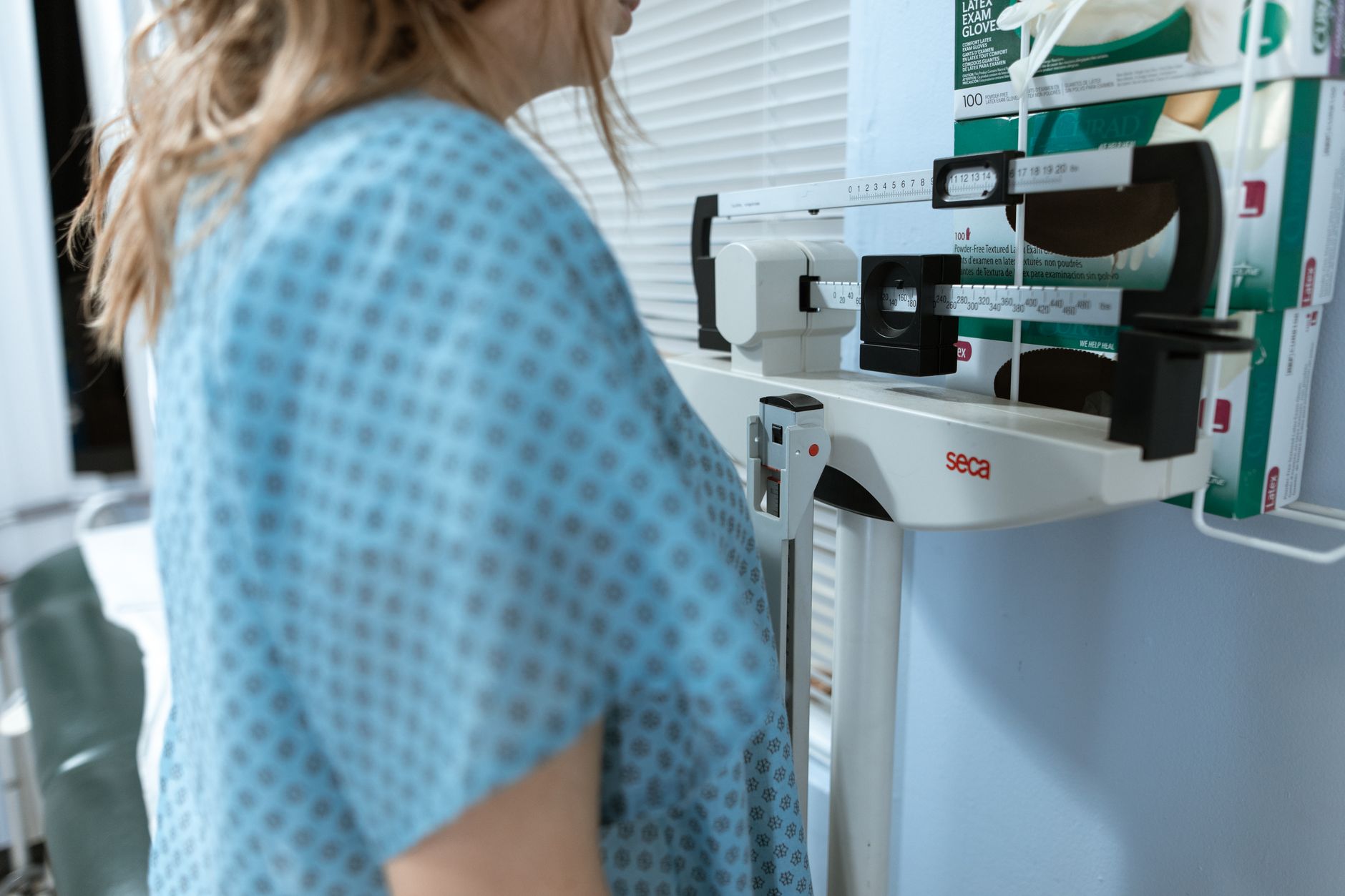
Daily weight monitoring is one of the single most important things a heart failure patient can do at home. Here is why: fluid is heavy. Even before you feel swollen or breathless, your body weight will already be creeping up because of retained fluid. Catching this early gives you — and your cardiologist — time to act before symptoms become serious.
How to Weigh Yourself the Right Way
Follow these simple steps every morning for accurate, consistent readings:
- Weigh yourself first thing in the morning, after you use the bathroom and before you eat or drink anything.
- Use the same scale every time, placed on a hard, flat floor (not carpet).
- Wear the same amount of clothing each time — ideally just light nightwear or nothing at all.
- Write down your weight every day in a small diary or a phone notes app. Many patients in Rajkot find it helpful to share this log with their doctor at every visit.
What the Numbers Mean
One day's reading alone does not tell you much. The trend over several days is what matters.
| Change in Weight | What It May Mean |
|---|---|
| Up to 1 kg overnight | Likely normal variation (food, water intake) |
| +1 to 2 kg in 2 days | Early warning — review your salt and fluid intake |
| +2 kg or more in 2 days | Contact your cardiologist promptly |
| Steady loss over a week | Usually a good sign if diet has not changed drastically |
Remember: These are general guidelines. Your cardiologist will give you a personalised threshold based on your specific condition.
Salt: The Hidden Driver of Fluid Retention
Salt (sodium) is the main reason the kidneys hold onto extra water. Reducing salt in your diet is one of the most effective steps in managing fluid retention in heart failure.
Most heart failure guidelines recommend keeping sodium intake below 2,000–2,400 mg per day (roughly half a teaspoon of table salt). For many people living in Gujarat, this can feel challenging because traditional foods — pickles (athanu), papadums, salty snacks (farsan), and processed chutneys — tend to be high in sodium.
Practical Salt-Reduction Tips for Daily Life
- Cook with less salt and avoid adding extra salt at the table.
- Read packaged food labels — look for sodium content per serving.
- Choose fresh vegetables, dal, and whole grains over packaged or fried snacks.
- Replace salt with lemon juice, cumin (jeera), coriander, or turmeric for flavour.
- Limit pickles, papad, and namkeen to very small quantities or avoid them entirely.
- When eating outside, ask for food with less salt — most restaurants in Rajkot and across Gujarat are happy to accommodate this request.

How Much Fluid Should You Drink?
This is one of the most common questions patients ask. For many people with mild or moderate heart failure, normal fluid intake (about 1.5 to 2 litres per day including all drinks and liquid foods like dal and chai) is acceptable. However, in more advanced stages of heart failure, your doctor may ask you to restrict total fluid intake more strictly.
Important: Do not restrict your fluid intake drastically on your own without medical advice. The right amount depends on your kidney function, the severity of your heart failure, and your current medications.
What Counts as Fluid?
Many patients are surprised to learn that "fluid" is not just water. It includes:
- Tea, coffee, buttermilk (chaas), juice, and cold drinks
- Soups and gravies
- Ice cream, yoghurt (dahi), and milk
- Ice cubes
Keeping a rough mental count through the day helps you stay within your recommended limit.
Recognising Warning Signs Early
Fluid management in heart failure at home is also about knowing when something is going wrong so you can reach out to your healthcare team in time. Watch for these warning signs:
- Sudden weight gain of 2 kg or more within 2 days
- Increased swelling in your feet, ankles, or legs
- Feeling more breathless than usual, especially when lying flat
- Waking up at night feeling short of breath
- Persistent cough or a feeling of tightness in the chest
- Reduced urine output despite drinking normally
- Feeling more tired than usual without a clear reason
Do not wait for your next scheduled appointment if you notice two or more of these signs together. Contact your cardiologist's clinic promptly.

Your Medications and Fluid Balance
Most heart failure patients are prescribed diuretics (water tablets) — medications like furosemide or torsemide — that help the kidneys remove excess fluid. These medications are an important part of treatment, and it is vital to:
- Take them exactly as prescribed — not more, not less.
- Never stop them suddenly without speaking to your doctor.
- Tell your cardiologist if you are urinating much less than expected after taking them.
Some patients are taught a "flexible diuretic protocol" — where the dose is slightly adjusted based on daily weight changes. This is only to be done under explicit medical guidance.
Other medications such as ACE inhibitors, ARBs, beta-blockers, and newer agents like SGLT2 inhibitors also play a role in managing fluid and improving heart function over time. Staying regular with all your prescribed medicines is key.
Building a Simple Daily Routine
Consistency is the foundation of good heart failure self-care. Here is what a practical daily routine might look like:
- Morning: Weigh yourself, note the reading, take your medications.
- Throughout the day: Stay mindful of salt and fluid intake.
- Evening: Check your feet and ankles for new or worsening swelling.
- Bedtime: Reflect on how you felt — energy levels, breathing, appetite.
If any of these check-ins show something unusual for two days in a row, it is time to call your cardiologist's clinic.
Key Takeaways
- Daily weight monitoring is an early-warning system for fluid build-up in heart failure.
- Weigh yourself every morning, same time, same scale, same clothing.
- A weight gain of 2 kg or more in 2 days is a signal to contact your cardiologist.
- Reduce salt intake — aim for under 2,000–2,400 mg of sodium per day.
- Know what counts as fluid: not just water, but chai, dal, dahi, and more.
- Take your diuretics and other medications exactly as prescribed.
- Watch for warning signs: breathlessness, worsening swelling, reduced urine, fatigue.
- Do not adjust medications on your own — always consult your cardiologist first.
Heart failure can feel overwhelming, but with the right knowledge and daily habits, many people live active and comfortable lives. If you have questions about your fluid intake, weight log, or medications, or if you notice any warning signs, we encourage you to reach out and book a consultation with a qualified cardiologist who can review your individual situation and guide you safely.
Frequently asked questions
- How much weight gain should make me call my cardiologist?
- A general guideline is to contact your cardiologist if you gain 2 kg (about 4–5 pounds) or more within two days. However, your doctor may give you a personalised threshold based on your condition, so always follow their specific instructions.
- Can I reduce my water-tablet (diuretic) dose if I feel too weak or dizzy?
- No — do not adjust your diuretic dose on your own. Weakness or dizziness can sometimes be a side effect, but reducing the dose without medical guidance can lead to dangerous fluid build-up. Call your cardiologist's clinic and describe your symptoms so they can advise you safely.
- Which everyday Indian foods are high in salt that I should avoid?
- Common high-sodium foods in Indian diets include pickles (athanu), papadums, packaged namkeen and farsan, ready-made masala powders, salty chutneys, instant noodles, and processed breads. Reducing or avoiding these and cooking with less salt at home can make a significant difference in fluid management.
- Is it safe to exercise if I have heart failure and fluid retention?
- Light physical activity, such as short walks, is often encouraged for stable heart failure patients and can support overall heart health. However, if you are currently experiencing increased breathlessness, noticeable swelling, or unexpected weight gain, rest and contact your cardiologist before exercising. Always get your doctor's go-ahead before starting or changing any exercise routine.