
You Had Gestational Diabetes — Your Pregnancy Is Over, But the Story Isn't
Bringing a new baby home is one of life's greatest joys. After months of careful monitoring, blood sugar checks, and dietary changes, many mothers feel a wave of relief when their gestational diabetes (GDM) seems to "go away" after delivery. And for most women, blood sugar levels do return to normal within a few weeks.
But here is something important that does not always get discussed at the postpartum check-up: having gestational diabetes is a significant signal from your body — one that deserves your attention for years to come, especially when it comes to your heart.
This article explains the link between gestational diabetes heart disease risk after pregnancy, what the science tells us, and — more importantly — what practical steps you can take today to protect yourself for the decades ahead.
What Is Gestational Diabetes, Briefly?
Gestational diabetes mellitus (GDM) is a type of high blood sugar that develops during pregnancy, usually in the second or third trimester. It happens because pregnancy hormones can make the body less sensitive to insulin, and in some women, the pancreas cannot keep up with the extra demand.
India actually has one of the highest rates of gestational diabetes in the world. Studies suggest that anywhere from 10% to 14% of pregnant women in India are affected — and in urban Gujarati populations, lifestyle and dietary patterns can make the risk even higher. If you or someone you love experienced GDM, you are far from alone.
The good news: most cases are managed well with diet, exercise, and sometimes medication. The baby arrives safely, blood sugars normalise, and life continues. But the underlying metabolic vulnerability that caused GDM does not simply disappear.
The Heart Connection: Why Cardiologists Pay Attention
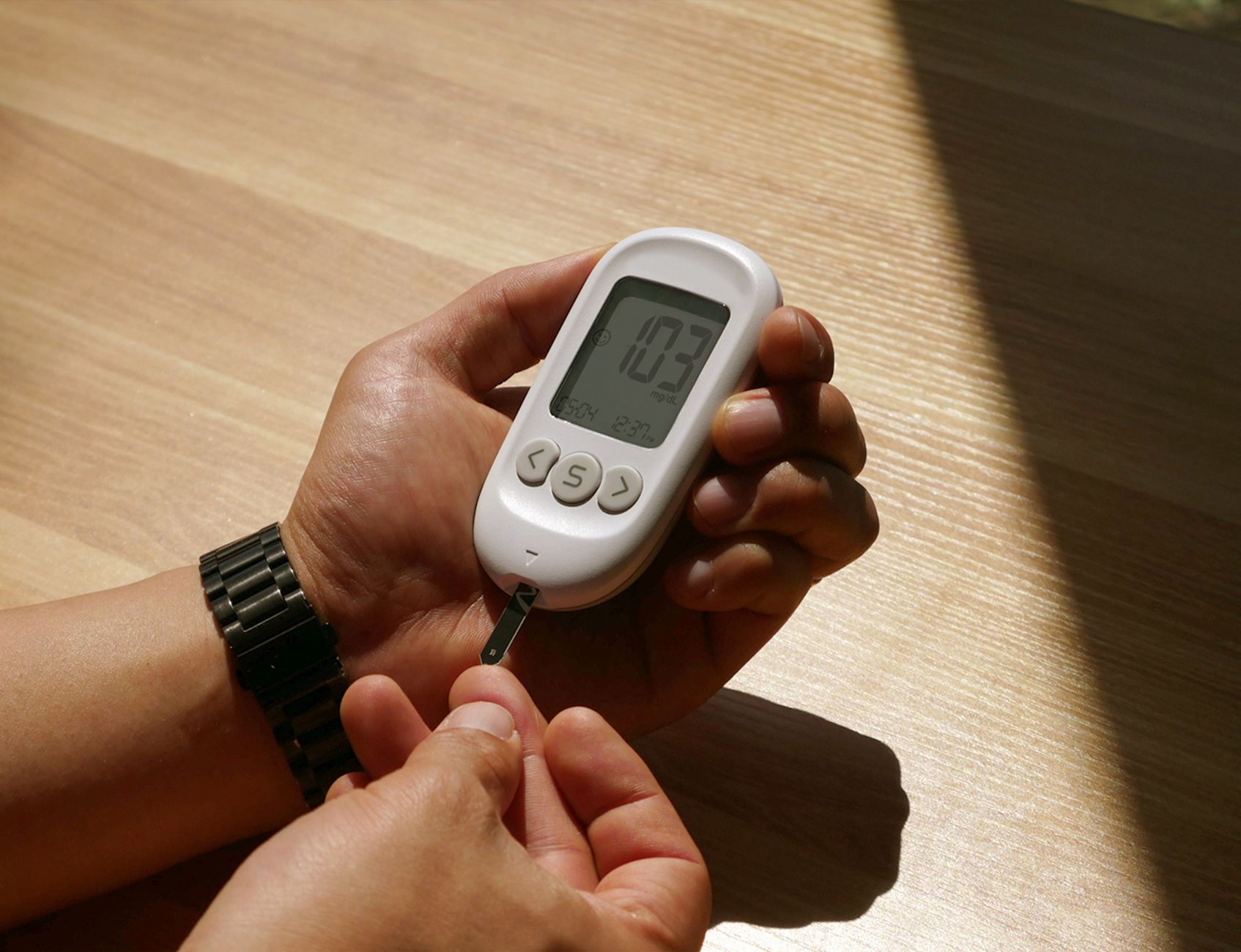
Research over the past two decades has built a clear and consistent picture. Women who have had gestational diabetes face a meaningfully higher gestational diabetes heart disease risk after pregnancy compared to women whose pregnancies were uncomplicated. Here is what the evidence shows:
Higher Risk of Type 2 Diabetes
Women with a history of GDM have roughly 7 to 10 times the lifetime risk of developing type 2 diabetes compared to those without GDM. Type 2 diabetes is itself one of the strongest risk factors for heart disease. The two conditions are deeply linked.
Earlier Cardiovascular Disease
Large studies — including research from North America, Europe, and Asia — show that women with prior GDM develop heart disease, stroke, and related conditions earlier in life than women without that history. The increased risk begins to show up within 5 to 10 years after pregnancy.
Hidden Changes in Blood Vessels
Even when blood sugar looks normal after delivery, subtle changes may already be underway in blood vessel walls. Insulin resistance — the core problem in GDM — can raise inflammation, increase LDL ("bad") cholesterol, and push blood pressure upward. All of these quietly damage arteries over time.
The Metabolic Syndrome Connection
Many women with a GDM history go on to develop metabolic syndrome — a cluster of conditions including abdominal weight gain, high triglycerides, low HDL ("good") cholesterol, elevated blood pressure, and higher fasting blood sugar. Metabolic syndrome dramatically increases cardiovascular risk.
Think of GDM as a kind of "stress test" that pregnancy placed on your metabolism. If your body struggled during that test, it is telling you something worth listening to.
Why Women in India Face a Unique Challenge
Women across Gujarat and the rest of India carry specific risk factors worth noting:
- Genetic tendency toward insulin resistance at lower body weights compared to Western populations
- Dietary patterns rich in refined carbohydrates (white rice, maida-based foods, sweetened beverages)
- Lower rates of physical activity among women after marriage and childbirth
- Later diagnosis because regular check-ups are sometimes skipped after the postpartum period ends
In a busy city like Rajkot, where family and work responsibilities pile up fast after a baby arrives, it is easy to push your own health to the back seat. That is completely understandable — but the window right after pregnancy is actually a critical time to establish habits that will protect your heart for the next 30–40 years.
What Should You Do? A Practical Roadmap

The good news is that the gestational diabetes heart disease risk after pregnancy is not fixed or inevitable. There is a great deal you can do. Think of these steps as a long-term investment in the health of both you and your family.
1. Get Your Blood Sugar Tested at 6–12 Weeks Postpartum
Most guidelines recommend a 75g oral glucose tolerance test (OGTT) at 6 to 12 weeks after delivery — not just a simple fasting glucose. This gives a full picture of how your body handles sugar. After that, testing every 1–3 years is advisable. Ask your doctor what interval is right for you.
2. Breastfeed If You Can
Breastfeeding has been shown to improve insulin sensitivity in the mother. Women who breastfeed after GDM have a lower risk of developing type 2 diabetes in later years. It benefits your baby and your heart at the same time.
3. Move Your Body — Gently at First, Then More
Aim for at least 150 minutes of moderate activity per week — brisk walking, swimming, yoga, or dancing count. Even a 20-minute evening walk through your neighbourhood is a meaningful start. Physical activity is one of the most powerful tools to reduce insulin resistance and protect the heart.
4. Rethink Your Plate
A heart-healthy Indian diet is not about giving up everything you love. It is about balance:
- More of: vegetables, lentils (dal), whole grains (jowar, bajra, whole wheat), nuts, and fresh fruit
- Less of: white rice in large portions, deep-fried snacks, packaged sweets, and sugary chai
- Smaller, regular meals help keep blood sugar steady throughout the day
5. Monitor Your Blood Pressure and Cholesterol
High blood pressure and abnormal cholesterol levels often develop quietly after GDM. Annual checks are a simple way to catch any changes early, when they are easiest to address.
6. Reach and Maintain a Healthy Weight
Even a modest weight loss of 5–7% of body weight — if you are carrying extra weight — can significantly reduce the risk of developing type 2 diabetes and heart disease. This is not about appearance; it is about giving your heart the support it needs.
7. Be Honest with Every Doctor You See
Tell your gynaecologist, family doctor, and cardiologist that you had GDM. It is relevant medical history that should guide how often you are screened and what thresholds prompt further investigation.
Key Takeaways
- Gestational diabetes is not just a "pregnancy problem" — it is a long-term cardiovascular signal.
- Women with a GDM history have a significantly higher gestational diabetes heart disease risk after pregnancy, including earlier onset of type 2 diabetes, high blood pressure, and heart disease.
- Indian women may face additional metabolic risk factors that make vigilance especially important.
- The postpartum period is a powerful opportunity to reset habits around diet, exercise, and regular health checks.
- Regular blood sugar, blood pressure, and cholesterol testing can catch problems early — when they are most manageable.
- Breastfeeding, physical activity, and a balanced diet are among the most effective protective tools available.
- Every consultation with a doctor is a chance to share your GDM history and get personalised guidance.
A Note on Your Mental Health Too

New motherhood is demanding, and it is worth acknowledging that the emotional weight of managing GDM during pregnancy — and now reading about long-term risks — can feel heavy. Stress itself raises cortisol, which can increase blood sugar and blood pressure. Prioritising sleep, social connection, and emotional wellbeing is not a luxury; it is part of heart health.
If you feel overwhelmed, speak to your doctor or a counsellor. You do not have to navigate this alone.
The Bigger Picture: Pregnancy as a Window Into Lifelong Health
Medical science increasingly views pregnancy as a natural cardiovascular stress test. Complications like gestational diabetes, pre-eclampsia, and preterm birth are now recognised as important markers of future heart risk — not just footnotes in an obstetric history.
For a 28-year-old woman who had GDM, the decisions she makes over the next 10 years — about diet, activity, follow-up testing, and stress management — could meaningfully shift her risk trajectory by the time she reaches her 40s and 50s. That is an empowering thought, not a frightening one.
Understanding your gestational diabetes heart disease risk after pregnancy is not about worry. It is about being informed, staying proactive, and giving your heart the same care and attention you so naturally give your child.
If you have a history of gestational diabetes and would like to understand your cardiovascular risk in more detail, consider scheduling a consultation with a qualified cardiologist. Dr. Nikhila Pachani, Consultant Interventional Cardiologist based in Rajkot, Gujarat, offers personalised cardiac assessments for women at all stages of life. Early conversations lead to better outcomes — your heart is worth it.
Frequently asked questions
- Does gestational diabetes go away after pregnancy?
- For most women, blood sugar levels return to normal within a few weeks of delivery. However, having gestational diabetes means your body has shown a tendency toward insulin resistance, which increases your long-term risk of developing type 2 diabetes and heart disease. It is important to continue monitoring your blood sugar and cardiovascular health even after pregnancy ends.
- How soon after delivery should I get my blood sugar tested?
- Most guidelines recommend a 75g oral glucose tolerance test (OGTT) at 6 to 12 weeks after delivery. This is more thorough than a simple fasting glucose test and gives a clearer picture of how your body is processing sugar. After that, testing every 1 to 3 years is generally advised, depending on your individual risk factors.
- Can lifestyle changes really reduce my heart disease risk after gestational diabetes?
- Yes, significantly. Research consistently shows that regular physical activity, a balanced diet lower in refined carbohydrates, maintaining a healthy weight, and breastfeeding can all reduce the risk of progressing to type 2 diabetes and cardiovascular disease. Even modest changes — like a 20-minute daily walk and reducing sugary foods — make a meaningful difference over time.
- Should I see a cardiologist if I had gestational diabetes?
- Not necessarily right away, but it is a good idea to mention your GDM history to every healthcare provider you see, including a cardiologist if you develop symptoms like chest discomfort, unusual breathlessness, or persistent high blood pressure. A cardiologist can assess your individual risk profile and recommend appropriate screening intervals to keep your heart health on track.