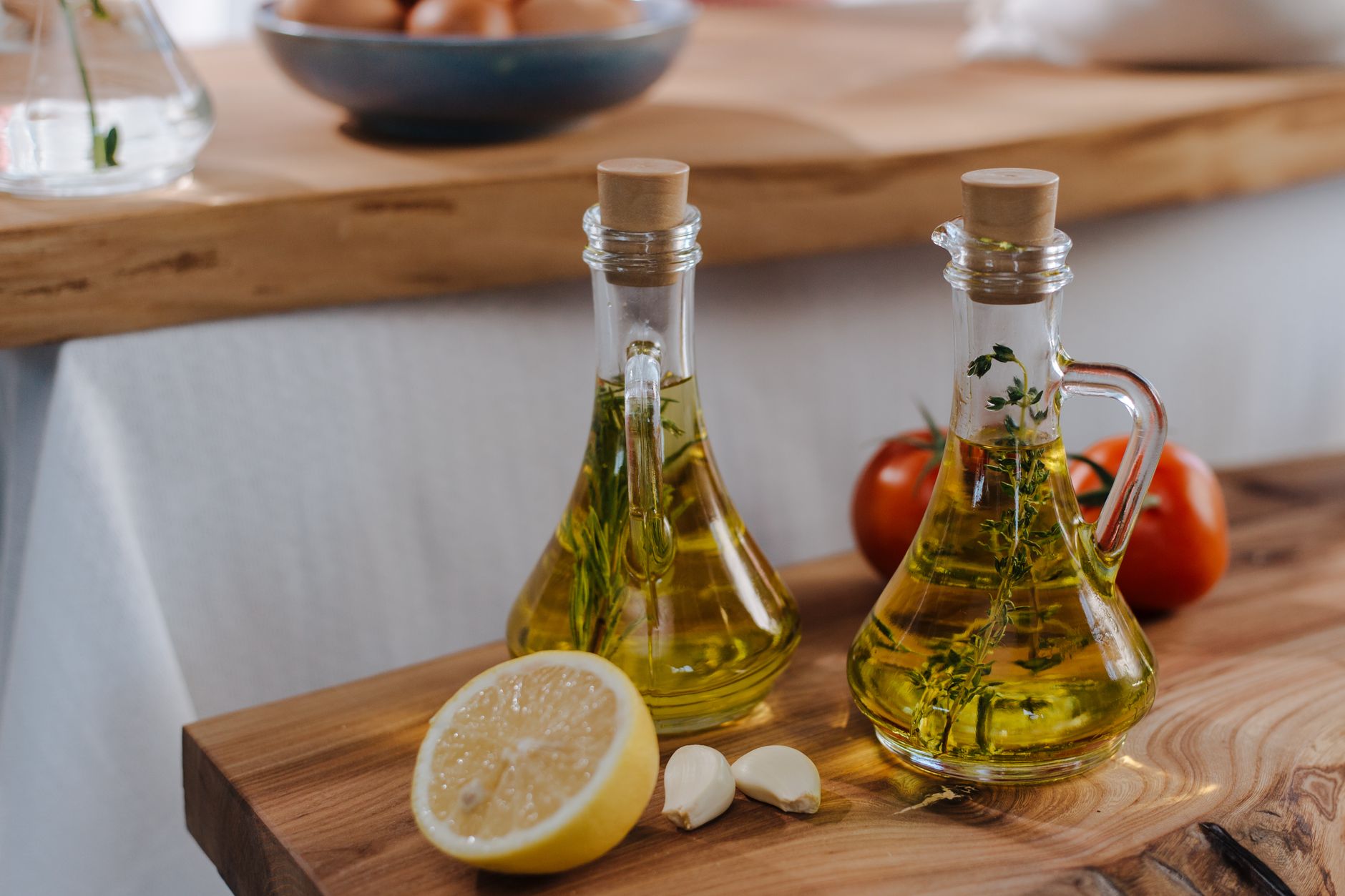
In kitchens across Rajkot and all of Gujarat, three fats show up again and again — ghee on dal-bhat, coconut oil in curries and chutneys, and butter on toast or parathas. All three are delicious. All three are deeply rooted in our food traditions. And all three raise a very common question in a cardiologist's clinic: "Doctor, which one is safe for my heart?"
The honest answer is more nuanced than a simple thumbs-up or thumbs-down. Let's walk through what the science actually says, in plain language.
Why Fats and the Heart Are Connected
Fat is not the enemy. Your body needs fat to absorb vitamins, protect organs, and produce hormones. The type and amount of fat you eat, however, does influence two key heart-health markers:
- LDL cholesterol ("bad" cholesterol) — higher levels raise the risk of plaque buildup in arteries.
- HDL cholesterol ("good" cholesterol) — higher levels are generally protective.
Ghee, coconut oil, and butter are all rich in saturated fat. Saturated fats, when eaten in large quantities over time, tend to raise LDL cholesterol in most people. This is the central concern — not fat itself, but an excess of the saturated kind.
Key takeaways:
- All three fats are high in saturated fat and should be used in moderation.
- The differences between them matter, but portion size matters even more.
- No single cooking fat is entirely "safe" in unlimited quantities.
- Replacing some saturated fat with unsaturated fat (like mustard oil or olive oil) is heart-protective.
- Your overall eating pattern counts far more than any single ingredient.
Ghee: The Ayurvedic Favourite
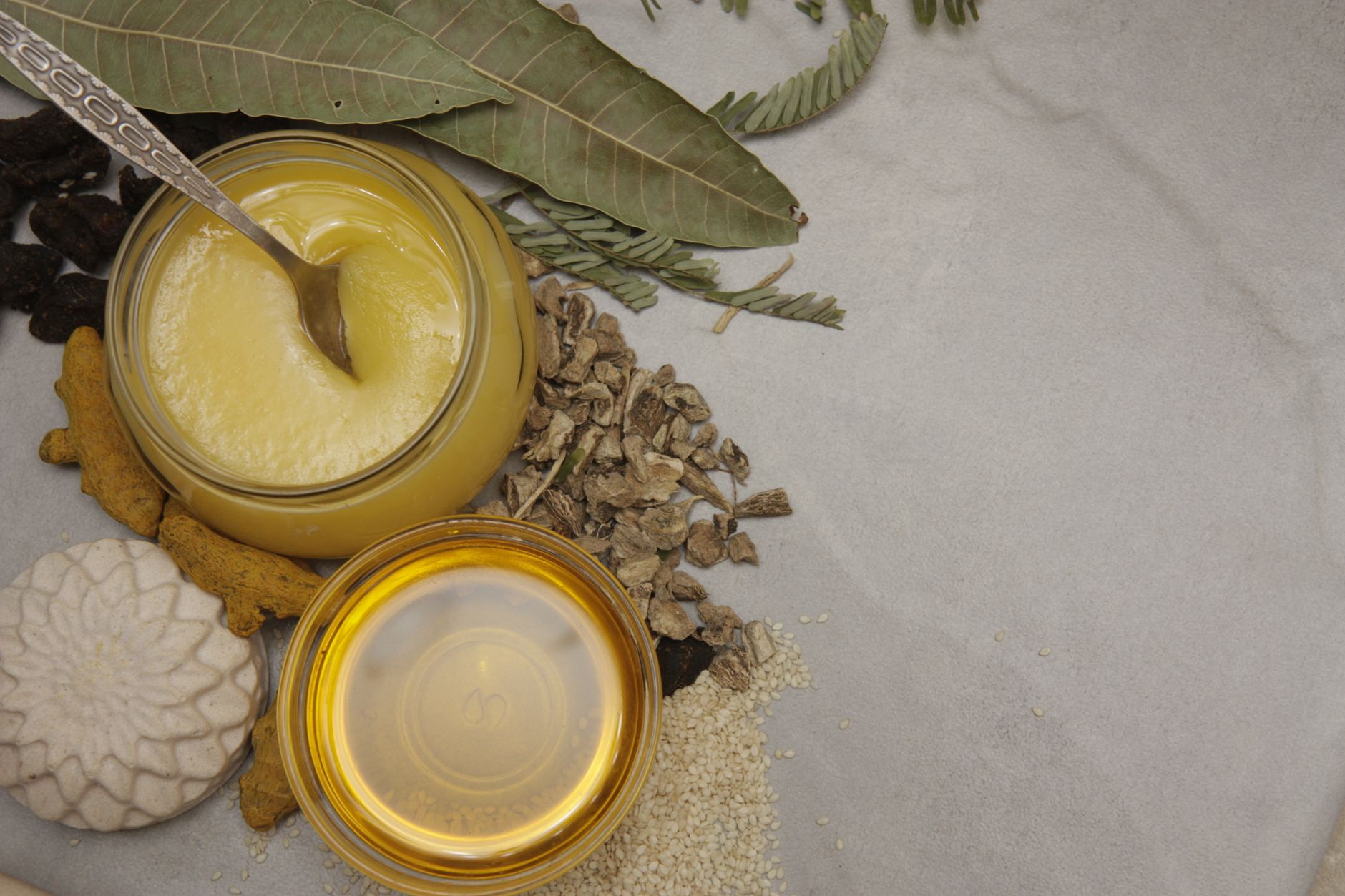
Ghee holds a special place in Indian culture and Ayurvedic medicine. It is made by simmering butter until the milk solids and water are removed, leaving behind pure clarified butterfat. In Gujarat, a meal often feels incomplete without a small spoonful of ghee.
What's inside ghee?
One teaspoon (5 g) of ghee contains roughly:
- 60–65% saturated fat
- Small amounts of monounsaturated fat
- Fat-soluble vitamins A, D, E, and K
- Conjugated linoleic acid (CLA) — a fatty acid with some studied anti-inflammatory properties
- Butyrate — a short-chain fatty acid that supports gut lining health
Is ghee good for the heart?
This is where tradition and modern cardiology have a nuanced conversation. Ghee does contain beneficial micronutrients and butyrate. Some small studies suggest that desi (traditionally made, especially from cow's milk) ghee may not raise LDL as sharply as refined butter in moderate amounts. However, the evidence is not strong enough to call ghee "heart-protective."
What we do know: consuming ghee in large quantities — multiple tablespoons a day — raises LDL cholesterol and is not advisable for people who already have heart disease, high cholesterol, or diabetes.
A sensible approach: If you enjoy ghee, 1–2 teaspoons per day as part of an otherwise balanced diet is considered acceptable for most healthy adults. People with existing cardiovascular conditions should consult their cardiologist about appropriate limits.
Coconut Oil: Popular, Controversial, Nuanced
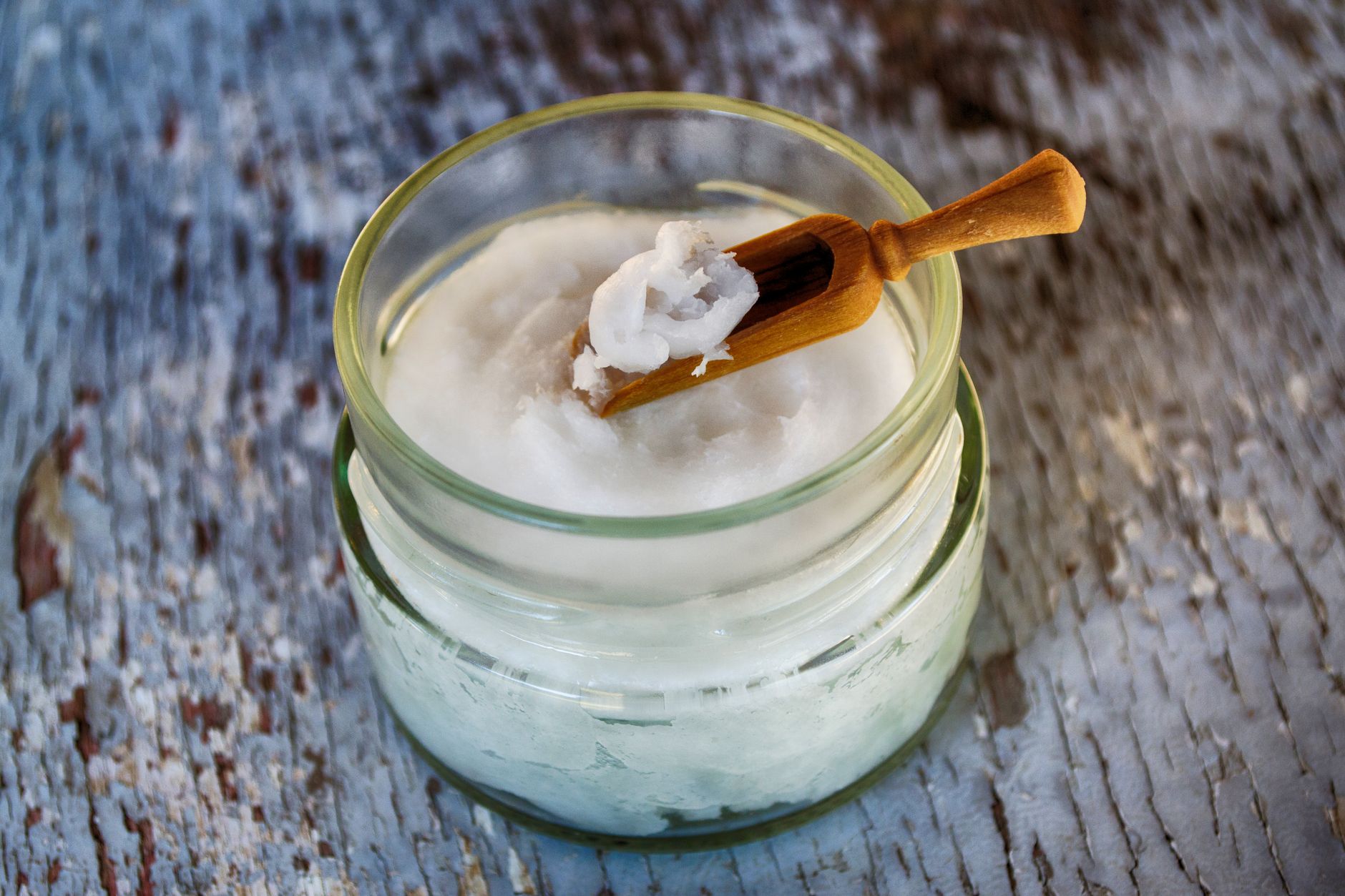
Coconut oil had a major moment in the 2010s when it was marketed enthusiastically as a superfood. Many households in coastal Gujarat and across India have always used it. But what does cardiovascular science actually say?
What's inside coconut oil?
Coconut oil is remarkably high in saturated fat — around 82–90%, making it one of the most saturated fats available. However, a large proportion of that saturated fat comes from medium-chain triglycerides (MCTs), particularly lauric acid.
MCTs are processed differently from long-chain saturated fats. They go more directly to the liver for energy rather than being stored or circulating in the bloodstream in the same way. This is why coconut oil's effect on the heart is genuinely debated among researchers.
What does the research show?
- Coconut oil tends to raise both LDL and HDL cholesterol. The net effect on cardiovascular risk is still being studied.
- A 2020 systematic review in Circulation (American Heart Association) concluded that coconut oil raises LDL cholesterol and cannot be recommended as a heart-healthy fat.
- Some researchers argue that the LDL raised by lauric acid may be a different, less harmful particle size — but this remains an area of active research, not settled science.
A sensible approach: Coconut oil is fine to use occasionally in cooking, especially in traditional recipes where it contributes authentic flavour. Treating it as a health supplement to be consumed in large daily amounts is not supported by current evidence. For people with high LDL cholesterol or a history of heart disease, limiting coconut oil is wise.
Butter: Familiar, Flavourful, and Worth Moderating
Butter is a dairy fat made from churned cream. It is widely used across India for spreading, baking, and tempering. A tablespoon of butter (14 g) contains around 7 g of saturated fat — about one-third of the recommended daily limit for most adults.
How does butter affect the heart?
Butter raises LDL cholesterol fairly consistently in studies. Unlike ghee, it retains milk proteins and lactose, which some people find harder to digest. It does contain fat-soluble vitamins and small amounts of CLA, but in modest quantities.
A large 2016 meta-analysis found that moderate butter consumption (about one tablespoon per day) was only weakly associated with cardiovascular events — suggesting it is not as harmful as once thought when eaten in small amounts within an otherwise healthy diet. That said, "not as harmful in small amounts" is not the same as "heart-healthy."
A sensible approach: Use butter sparingly — a thin spread rather than a generous dollop. For those with elevated cholesterol or established heart disease, switching to a small amount of a mono- or polyunsaturated fat option (like a light spread of avocado or a drizzle of mustard oil) may be preferable.
Comparing All Three Side by Side
| Fat | Saturated Fat (per tbsp) | Smoke Point | Notable Nutrients | Heart Verdict |
|---|---|---|---|---|
| Ghee | ~8 g | Very high (~250°C) | Vitamins A/D/E/K, butyrate | Moderate use acceptable |
| Coconut Oil | ~12 g | Medium (~175°C) | MCTs, lauric acid | Occasional use; limit for high LDL |
| Butter | ~7 g | Low (~150°C) | Vitamins A/D, CLA | Small amounts; not for high-risk individuals |
Practical Tips for Heart-Friendly Cooking
The good news is that small changes make a real difference over time. Here are some actionable swaps that work well in a typical Gujarati kitchen:
- Use ghee for flavour finishing — a half-teaspoon stirred into dal at the end — rather than as the main cooking medium.
- Choose mustard oil or rice bran oil for everyday high-heat cooking like sabzi and tadka. Both are high in monounsaturated and polyunsaturated fats, which are more heart-friendly.
- Reserve coconut oil for recipes where it genuinely matters — like certain chutneys or coastal-style curries — rather than using it as an all-purpose oil.
- Read labels carefully if buying packaged butter or ghee; some products contain added trans fats or hydrogenated oils, which are more harmful than natural saturated fats.
- Watch the total quantity across the whole day. If you had ghee on your rotli at lunch, account for that when deciding how much oil to use at dinner.

The Bigger Picture: It's Your Overall Diet That Counts
Research consistently shows that no single food — or single fat — makes or breaks heart health. What matters most is the overall dietary pattern. A diet rich in vegetables, fruits, whole grains, legumes, and moderate protein, with limited processed foods and sugar, supports cardiovascular health far more powerfully than avoiding or choosing any one cooking fat.
For example, consider an illustrative scenario: a 55-year-old man who uses a teaspoon of ghee daily but also eats plenty of vegetables, walks regularly, and avoids fried snacks is likely at lower cardiovascular risk than someone who avoids ghee entirely but eats packaged biscuits, white bread, and fried farsan every day.
The context of your whole lifestyle — physical activity, stress management, sleep, and regular health check-ups — is always part of the picture.
When to Seek Personalised Guidance
If you have been diagnosed with high LDL cholesterol, coronary artery disease, diabetes, or high blood pressure, the above general guidance may not be sufficient for your individual situation. Your cardiologist can review your lipid profile and dietary habits and give you specific, personalised recommendations.
If you have questions about your heart health or would like a personalised dietary and cardiovascular risk assessment, consider booking a consultation with a qualified interventional cardiologist. Dr. Nikhila Pachani's clinic in Rajkot welcomes patients looking for clear, evidence-based guidance on heart-healthy living.
Frequently asked questions
- Is ghee bad for the heart?
- Ghee is not inherently harmful in small amounts. One to two teaspoons per day as part of a balanced diet is generally acceptable for healthy adults. However, consuming ghee in large quantities raises LDL (bad) cholesterol over time. People with existing heart disease, high cholesterol, or diabetes should discuss appropriate ghee intake with their cardiologist.
- Is coconut oil safe for people with high cholesterol?
- Coconut oil is high in saturated fat (around 82–90%) and studies show it can raise LDL cholesterol. If you have elevated LDL or a history of heart disease, it is advisable to limit coconut oil. Using it occasionally in traditional recipes is generally fine, but it should not be consumed in large daily amounts as a health supplement.
- Which cooking oil is most heart-friendly for Indian cooking?
- Oils high in monounsaturated and polyunsaturated fats — such as mustard oil, rice bran oil, or groundnut oil — are generally more heart-friendly for everyday Indian cooking. These can be used for high-heat cooking like tadka and sabzi, while ghee can be reserved as a small flavour-finishing addition.
- How much saturated fat is safe per day for heart health?
- Most major cardiology and nutrition guidelines recommend limiting saturated fat to less than 10% of total daily calories — roughly 20–22 grams for an average adult on a 2000-calorie diet. Since one tablespoon of coconut oil alone contains about 12 grams of saturated fat, it is easy to exceed this limit if multiple high-saturated-fat foods are consumed in a day.