
Every minute matters when a heart attack strikes. Yet many people in Rajkot — and across Gujarat — wait hours before seeking help, often because they are not sure whether what they are feeling is truly serious. They hope the discomfort will pass. Sometimes it does not.
This article is here to help you recognise heart attack symptoms early, understand why some signs are easy to miss, and know exactly what to do if you or someone around you is at risk.
Please remember: This is general health information, not personal medical advice. Always consult a qualified cardiologist for your individual situation.
What Happens During a Heart Attack?
The heart is a muscle that works non-stop, day and night. Like all muscles, it needs a steady supply of oxygen-rich blood. This blood is delivered through vessels called coronary arteries.
A heart attack — medically known as a myocardial infarction — happens when one of these arteries becomes blocked, usually by a build-up of fatty deposits (plaque) that suddenly ruptures. Blood flow to part of the heart muscle is cut off. If that muscle does not receive blood quickly, it begins to die.
The sooner the blockage is cleared, the more of the heart muscle can be saved. This is why recognising heart attack symptoms early can truly be life-saving.
The Classic Heart Attack Symptoms
1. Chest Pain, Pressure, or Tightness
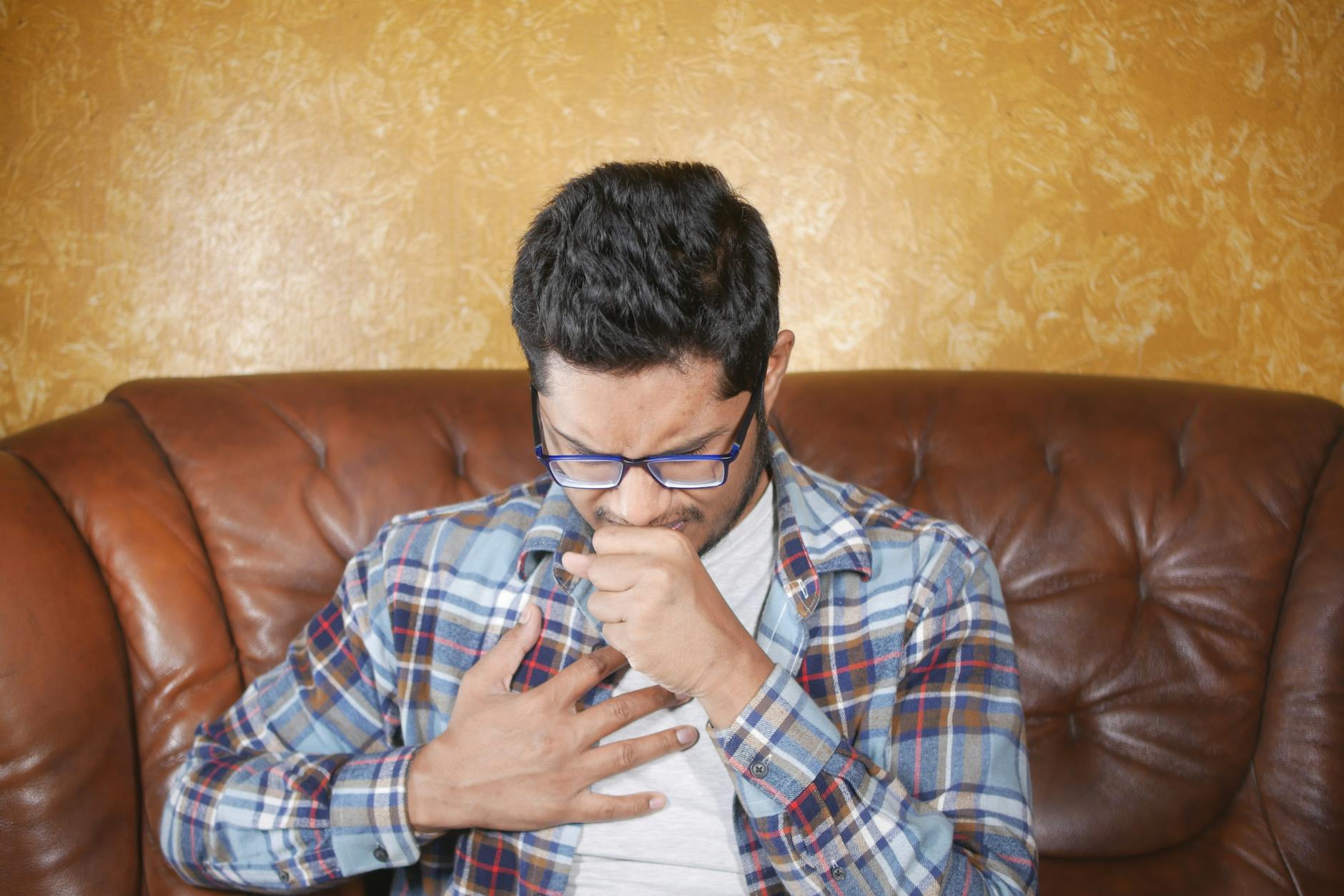
The most well-known warning sign is an uncomfortable feeling in the chest. People describe it in many ways:
- A heavy pressure, like something is sitting on the chest
- A squeezing or crushing sensation
- A burning feeling (often confused with acidity or heartburn)
- A dull ache that does not go away
This discomfort usually lasts more than a few minutes, or it may go away and come back. It is important to understand that a heart attack does not always feel like sharp, stabbing pain. A heavy, tight, or burning chest sensation deserves serious attention.
2. Pain That Spreads to Other Parts of the Body
Heart attack pain rarely stays only in the chest. It can travel — or "radiate" — to:
- The left arm (the most classic example)
- Both arms
- The jaw or teeth
- The neck or throat
- The upper back or between the shoulder blades
- The upper abdomen (stomach area)
A 55-year-old illustrative patient might, for example, feel jaw pain and dismiss it as a dental problem — only to later find out it was a cardiac event. If pain in these areas comes along with chest discomfort or other symptoms on this list, do not wait.
3. Shortness of Breath
Feeling suddenly breathless — even while resting or doing light activity — can be an early heart attack symptom. This may happen with or without chest pain. If you find yourself struggling to breathe without a clear reason like asthma or exertion, pay attention.
4. Nausea, Indigestion, or Stomach Upset
Many people mistake early heart attack symptoms for bad acidity or food poisoning. Nausea, vomiting, and upper abdominal discomfort are genuine warning signs, especially when they appear alongside other symptoms on this list.
5. Cold Sweats
Breaking into a cold, clammy sweat for no obvious reason — not from heat, exercise, or anxiety — is a signal your body may be under severe stress. This type of sweating feels different from normal perspiration.
6. Sudden Dizziness or Light-Headedness
Feeling faint, unusually dizzy, or like the room is spinning — particularly if it comes on quickly — can indicate that the heart is not pumping enough blood to the brain.
7. Extreme and Unusual Fatigue
Feeling exhausted out of proportion to what you have done — especially if it comes on suddenly — is a warning sign many people brush aside. This is particularly common in women (more on that below).
Heart Attack Symptoms in Women: Know the Difference
Women often experience heart attacks differently from men, and this is one reason their symptoms are more likely to be dismissed — even by themselves.
While chest discomfort is still common in women, they are more likely than men to experience:
- Unusual fatigue that lasts for days before the event
- Nausea and vomiting
- Shortness of breath without much chest pain
- Back or jaw pain
- A sense of anxiety or impending doom they cannot explain
Because these symptoms can seem unrelated to the heart, many women in Gujarat and across India delay seeking care. If something feels wrong and unusual, trust that feeling and seek help promptly.
Symptoms That Can Be Easily Missed
Some heart attack warning signs are so subtle that people carry on with their daily lives without realising anything serious is happening. These include:
- A "silent" heart attack — no dramatic symptoms at all; only discovered later on an ECG
- Mild, intermittent chest discomfort dismissed as "gas" or stress
- Fatigue attributed to a busy lifestyle or poor sleep
- Arm numbness blamed on sleeping in an awkward position
In a busy city like Rajkot, where people juggle demanding work and family responsibilities, it is easy to push these feelings aside. Please do not. When in doubt, get checked.
What to Do If You Suspect a Heart Attack
Time is muscle. Every moment of delay means more heart muscle is at risk. Here is what to do:
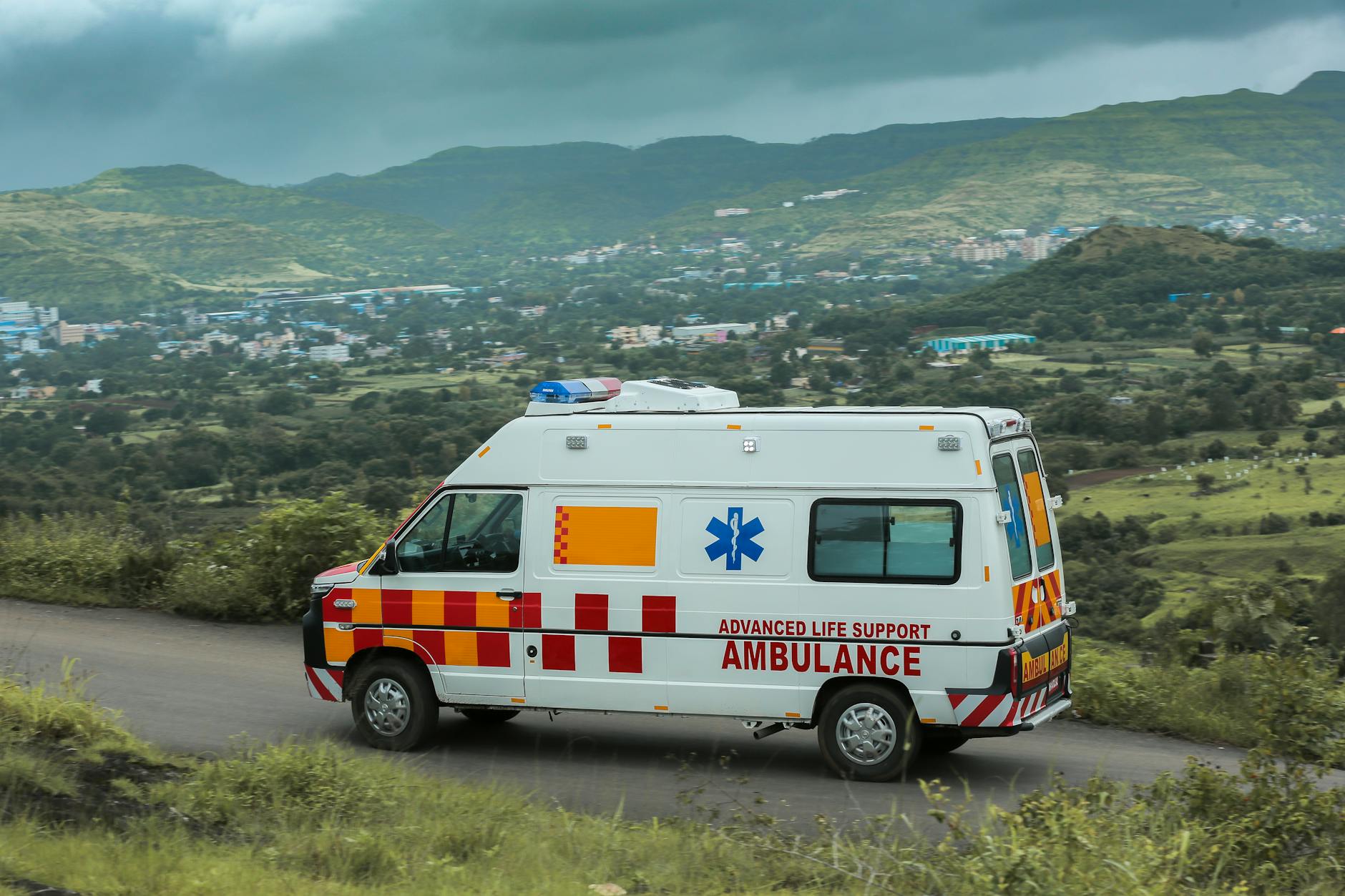
- Call for emergency help immediately. In India, dial 112 or 108 for an ambulance. Do not drive yourself to the hospital.
- Chew (not swallow whole) one adult aspirin (325 mg) if you are not allergic to it and if one is available — but only do this if emergency help has been called first.
- Sit or lie down in a comfortable position. Loosen any tight clothing.
- Stay calm and keep someone with you until help arrives.
- Do not eat or drink anything else while waiting.
- Inform the hospital that you are on your way so the cardiac team can prepare.
Risk Factors That Raise Your Chances
Knowing your risk factors helps you stay alert to symptoms. Common risk factors include:
- High blood pressure (hypertension)
- Diabetes — very prevalent in Gujarat
- High cholesterol
- Smoking or tobacco use (including smokeless tobacco)
- Obesity or excess abdominal weight
- A sedentary lifestyle
- A family history of heart disease
- Age — men above 45 and women above 55 are at higher risk
- Stress — chronic, unmanaged stress takes a real toll on the heart
If you have one or more of these risk factors, it is even more important to learn and recognise heart attack symptoms early.
Key Takeaways
- Chest discomfort — pressure, tightness, or burning — is the most common heart attack symptom, but it is not always severe or sharp
- Pain can spread to the arm, jaw, neck, back, or stomach
- Shortness of breath, cold sweats, nausea, dizziness, and unusual fatigue are all genuine warning signs
- Women often have subtler symptoms — unusual tiredness, nausea, and back or jaw pain
- Call emergency services immediately — do not wait to see if it gets better
- Every minute of delay increases the damage to the heart muscle
- People with diabetes, hypertension, or a family history of heart disease should be especially vigilant
A Final Word
A heart attack does not always arrive with dramatic fanfare. It can begin quietly, with sensations many of us would dismiss as stress or indigestion. Being familiar with these warning signs — and taking them seriously — can make all the difference for you or someone you love.
If you have any concerns about your heart health, notice unusual symptoms, or have risk factors that worry you, please do not wait. Reach out to a qualified cardiologist and get a proper evaluation. Early assessment and timely intervention can protect your heart for years to come.
To discuss your cardiac health or get a professional evaluation, consider booking a consultation with Dr. Nikhila Pachani, Consultant Interventional Cardiologist, Rajkot, Gujarat.
Frequently asked questions
- What are the most common heart attack symptoms I should watch for?
- The most common heart attack symptoms include chest pain, pressure, or tightness; pain that spreads to the arm, jaw, neck, or back; shortness of breath; cold sweats; nausea; dizziness; and sudden extreme fatigue. These symptoms may appear together or individually, and they can range from mild to severe.
- Are heart attack symptoms different in women?
- Yes. While women can experience classic chest discomfort, they are more likely than men to have subtler symptoms such as unusual fatigue lasting several days, nausea, shortness of breath without much chest pain, and back or jaw pain. These differences mean women sometimes delay seeking help, which is why awareness is especially important.
- What should I do immediately if I think I or someone nearby is having a heart attack?
- Call emergency services right away — dial 112 or 108 in India. Do not drive to the hospital yourself. Keep the person calm and comfortable, loosen tight clothing, and if the person is not allergic to aspirin, they may chew one adult aspirin (325 mg) while waiting for help. Time is critical — every minute matters.
- Can a heart attack happen without chest pain?
- Yes. Some heart attacks — called 'silent' heart attacks — produce no obvious chest pain at all. Others may present mainly with fatigue, shortness of breath, nausea, or jaw and back pain. This is more common in women and people with diabetes. Any unusual combination of these symptoms warrants prompt medical attention.