
The Alarming Trend No One Saw Coming
Not long ago, a heart attack was thought of as something that happened to older men in their 60s or 70s — people who had spent decades building up plaque in their arteries. Today, that picture has changed significantly. Across India — and in cities like Rajkot — cardiologists are increasingly seeing young men and women in their 20s and 30s arriving in emergency rooms with full-blown heart attacks.
This is not a rare outlier anymore. Studies from large Indian hospitals report that anywhere between 10–25% of heart attack patients are now under the age of 40. That number is difficult to ignore.
So what is happening? Why is the heart — an organ that should be at its strongest in young adulthood — giving way so early? The answers lie in a mix of modern lifestyle habits, hidden genetic risks, and warning signs that are too often dismissed as "nothing serious."
Why Heart Attacks in Young Adults Are Rising
1. The Lifestyle Shift Is Real
The single biggest driver behind the rise of heart attack in young adults under 40 is the dramatic change in how we live. Consider a typical day for many young professionals today: wake up late, skip breakfast, grab fast food, sit at a desk for 8–10 hours, scroll through a phone at night, sleep fewer than 6 hours, and repeat.
- Poor diet: High intake of processed foods, refined carbohydrates, trans fats, and sugary drinks raises blood pressure and cholesterol quietly over years.
- Physical inactivity: Regular movement keeps arteries flexible. A sedentary lifestyle stiffens them.
- Chronic stress: Work pressure, financial anxiety, and relationship stress trigger hormones like cortisol and adrenaline that put sustained strain on the heart muscle.
- Sleep deprivation: Consistently poor sleep is now linked to higher rates of hypertension and inflammation — two key ingredients in heart disease.

2. Smoking and Tobacco Use in Youth
Tobacco use — whether cigarettes, bidis, or smokeless gutka and pan masala that are common across Gujarat — causes serious arterial damage. Nicotine constricts blood vessels and speeds up the build-up of plaque (atherosclerosis). A 28-year-old who has smoked since the age of 16 may have arteries that look far older on the inside than their age suggests.
3. Diabetes and Obesity Are Starting Earlier
Type 2 diabetes, once called "adult-onset diabetes," is now frequently diagnosed in teenagers and young adults. High blood sugar damages the inner walls of blood vessels, setting the stage for blockages long before a person turns 40. Obesity — especially abdominal obesity, which is particularly common in South Asians — compounds this risk significantly.
4. Family History and Genetic Risk
This is a factor that often surprises young people. If a parent, sibling, or grandparent had a heart attack before the age of 55 (in men) or 65 (in women), your own risk is meaningfully higher. This is called premature family history of heart disease, and it deserves serious attention.
South Asian populations, including Gujaratis, are known to have a genetic tendency toward higher levels of Lp(a) — a type of cholesterol particle — and lower "good" HDL cholesterol. This does not mean a heart attack is inevitable. It simply means that awareness and early screening matter more.
5. Substance Use
Alcohol, recreational drugs such as cocaine and amphetamines, and even some supplements used in gyms (particularly anabolic steroids) can trigger sudden spasm or clotting in coronary arteries. These causes of heart attacks in young people are underreported but real.
Warning Signs Young Adults Often Miss
One of the most dangerous things about a heart attack in a young person is that it is often dismissed. A 32-year-old who feels tightness in their chest after a stressful meeting might think, "I'm too young for this to be my heart." That delay in seeking care can be life-threatening.
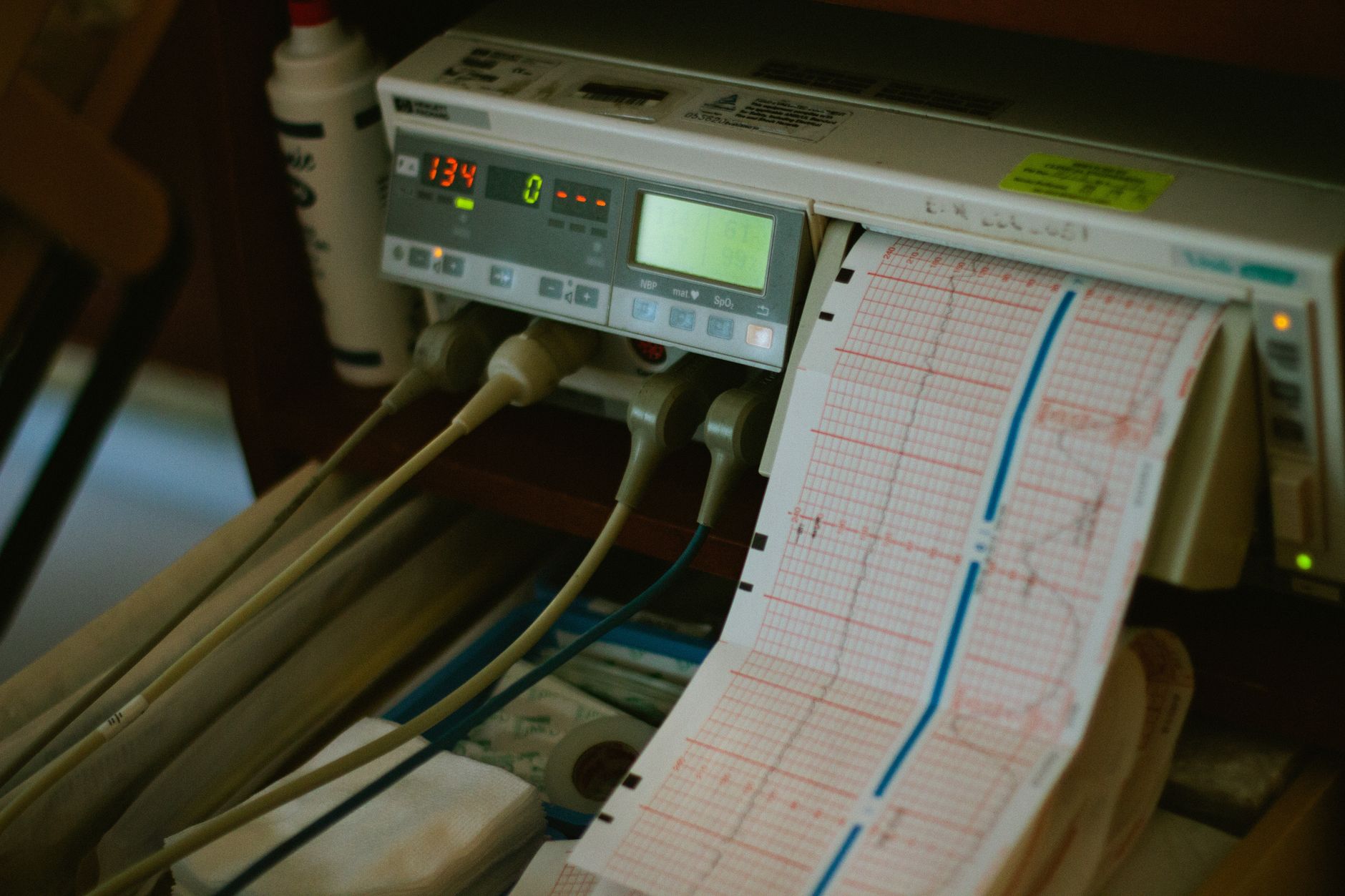
Here are the warning signs to take seriously — at any age:
- Chest discomfort — pressure, squeezing, tightness, or a heavy feeling in the centre or left side of the chest
- Pain radiating to the arm, jaw, neck, or back
- Shortness of breath, even at rest or with mild activity
- Unexplained sweating, especially cold sweat
- Nausea or dizziness without an obvious cause
- Sudden extreme fatigue — feeling exhausted in a way that feels different and unusual
It is also worth knowing that women often experience less typical symptoms — more nausea, back pain, jaw discomfort, or simple breathlessness — which can make recognition even harder.
If you or someone around you has these symptoms, do not wait. Call for emergency help immediately.
Key Takeaways
- Heart attacks in young adults under 40 are increasing across India, driven by lifestyle, stress, and genetic factors.
- Poor diet, inactivity, smoking, diabetes, obesity, and family history are the major risk factors.
- South Asian populations carry certain genetic risk factors that make early awareness especially important.
- Warning signs in young people are often dismissed — learn to recognise them and act fast.
- Many of these risk factors are modifiable: you have more control than you think.
- Early screening — even in your 20s if you have risk factors — can detect problems before they become emergencies.
What Can Young Adults Do Right Now?
The encouraging truth is that most of the risk factors described above are within your control. Prevention does not require perfection — it requires consistent, small steps.

Know Your Numbers
Get a basic health check that includes blood pressure, fasting blood sugar, HbA1c (a 3-month blood sugar average), and a full lipid profile (cholesterol). If you have a family history of early heart disease, also ask your doctor about checking Lp(a) levels and a coronary calcium score — a non-invasive scan that can detect early plaque build-up.
Move More, Sit Less
Aim for at least 150 minutes of moderate activity per week — brisk walking along the Rajkot riverfront, cycling, swimming, or any activity that raises your heart rate comfortably. Even breaking long sitting periods with a 5-minute walk every hour makes a real difference.
Rethink What Is on Your Plate
A heart-friendly diet does not have to be complicated. In a Gujarati home, this could look like: more dals and vegetables, less fried snacks and farsan, less added sugar in chai, and switching to smaller portions of refined grains. Small, sustainable swaps matter more than extreme diets.
Manage Stress Actively
Stress will not disappear, but how you respond to it can change. Yoga, pranayama, short meditation sessions, adequate sleep, and simply protecting time for rest are not luxuries — they are cardiac medicine.
Stop Tobacco — Completely
If you use any form of tobacco, stopping is the single highest-impact change you can make for your heart. Support is available — speak to your doctor.
Do Not Ignore Symptoms
If something feels off with your chest, your breathing, or your energy — even if you are 25 years old — have it evaluated. A brief consultation is always worth it.
A Note from Dr. Pachani's Desk
Heart disease does not send a formal invitation. It builds quietly, often for years, before making itself known in the most dramatic and frightening way possible. The rise of heart attacks in young adults is a public health concern that deserves far more attention than it currently receives — especially in Gujarat, where lifestyle shifts over the past two decades have been rapid.
The good news: with the right knowledge, early screening, and consistent habits, young adults today have a genuine opportunity to stay ahead of this risk.
If you have a family history of heart disease, risk factors like diabetes or high blood pressure, or simply want to understand your heart health better, consider speaking with a qualified cardiologist. A thoughtful, personalised conversation could be one of the most important health decisions you make.
To book a consultation with Dr. Nikhila Pachani, Consultant Interventional Cardiologist in Rajkot, reach out to our clinic today.
Frequently asked questions
- Can a healthy-looking young person have a heart attack?
- Yes. Many young adults who experience heart attacks appear outwardly fit and healthy. Internal risk factors like high cholesterol, elevated Lp(a), silent hypertension, or genetic predisposition can be present without any visible signs. This is why regular screening is important even if you feel well.
- What are the most common causes of heart attacks in people under 40?
- The most common causes include a combination of lifestyle factors (poor diet, smoking, inactivity, chronic stress, poor sleep), medical conditions (diabetes, high blood pressure, obesity), and genetic factors (family history of early heart disease, high Lp(a) levels). In some cases, substance use or a blood clotting disorder can also be responsible.
- At what age should young adults in India start getting their heart checked?
- If you have risk factors such as a family history of early heart disease, diabetes, high blood pressure, obesity, or you smoke, it is reasonable to start cardiac screening from your mid-20s. Even without obvious risk factors, a basic health check including blood pressure, blood sugar, and cholesterol is advisable from the age of 30.
- Are the warning signs of a heart attack different in young adults compared to older people?
- The core warning signs — chest tightness or pressure, pain spreading to the arm or jaw, shortness of breath, cold sweats, and nausea — are similar across age groups. However, young adults (and women in particular) may experience more subtle symptoms like unusual fatigue, mild breathlessness, or back and jaw discomfort. Because young people tend to dismiss these as stress or acidity, there is often a dangerous delay in seeking care.