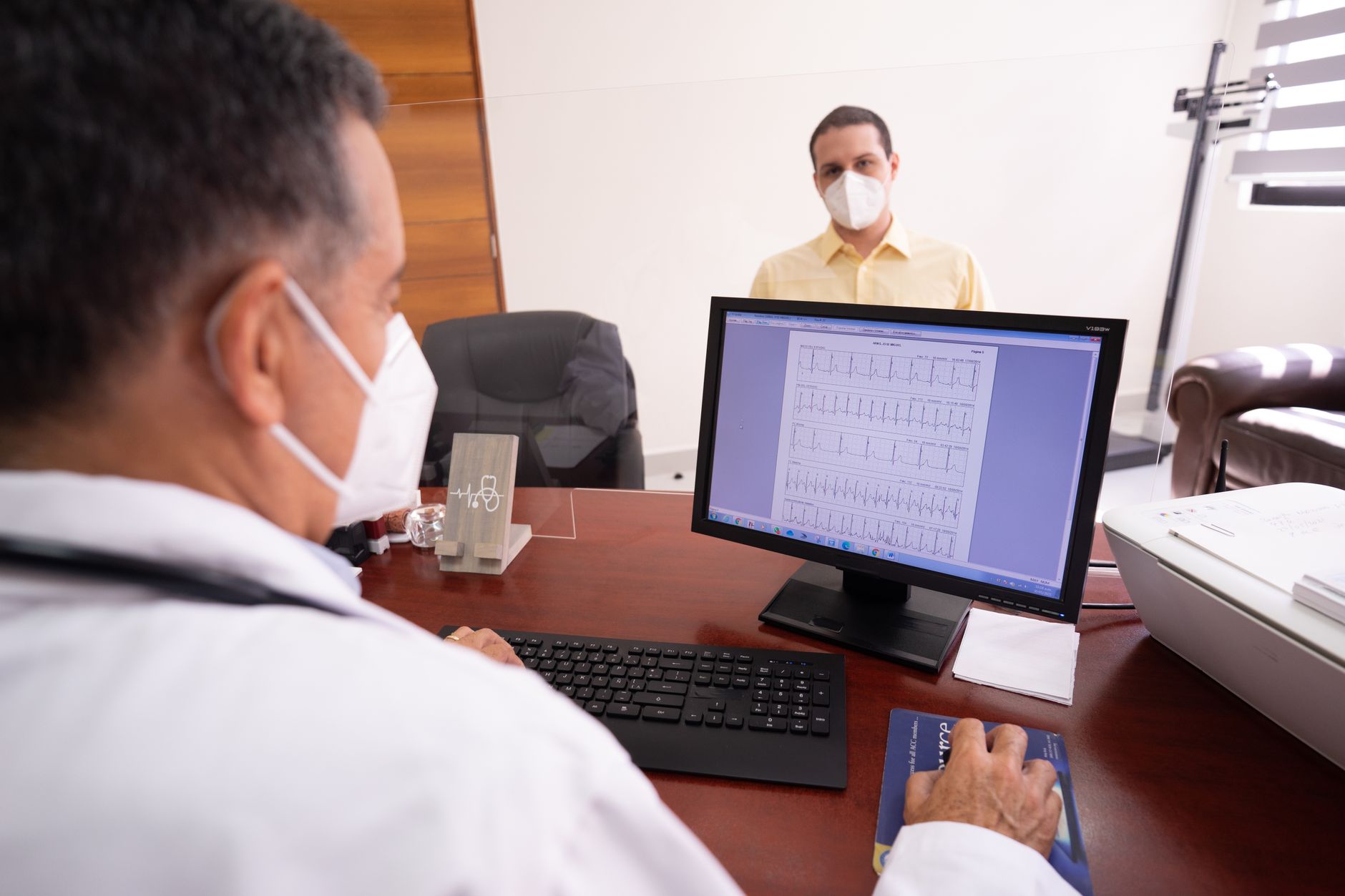
Your heart is more than just a pump — it is a finely tuned electrical machine. Every heartbeat begins with a tiny electrical signal that travels along a carefully organised pathway, telling your heart muscle exactly when to squeeze and when to relax. When something interrupts or slows down this electrical journey, the result is a condition called heart block.
Heart block is more common than most people realise, and — reassuringly — many people with milder forms live full, active lives without ever needing major treatment. Understanding what heart block is, why it happens, and what can be done about it puts you firmly in control of your own heart health.
How Does the Heart's Electrical System Work?
Think of your heart's electrical system like a well-organised relay race. The signal starts in a tiny cluster of cells at the top of the heart called the sinoatrial (SA) node — your heart's natural "pacemaker." From there, the signal travels to the atrioventricular (AV) node, a kind of gateway between the upper chambers (atria) and lower chambers (ventricles). Finally, the signal races down specialised fibres (the Bundle of His and Purkinje fibres) to make the ventricles contract and pump blood to the body.
Heart block occurs when this relay is delayed or completely blocked — most often at the AV node level. Cardiologists therefore often call it AV block.
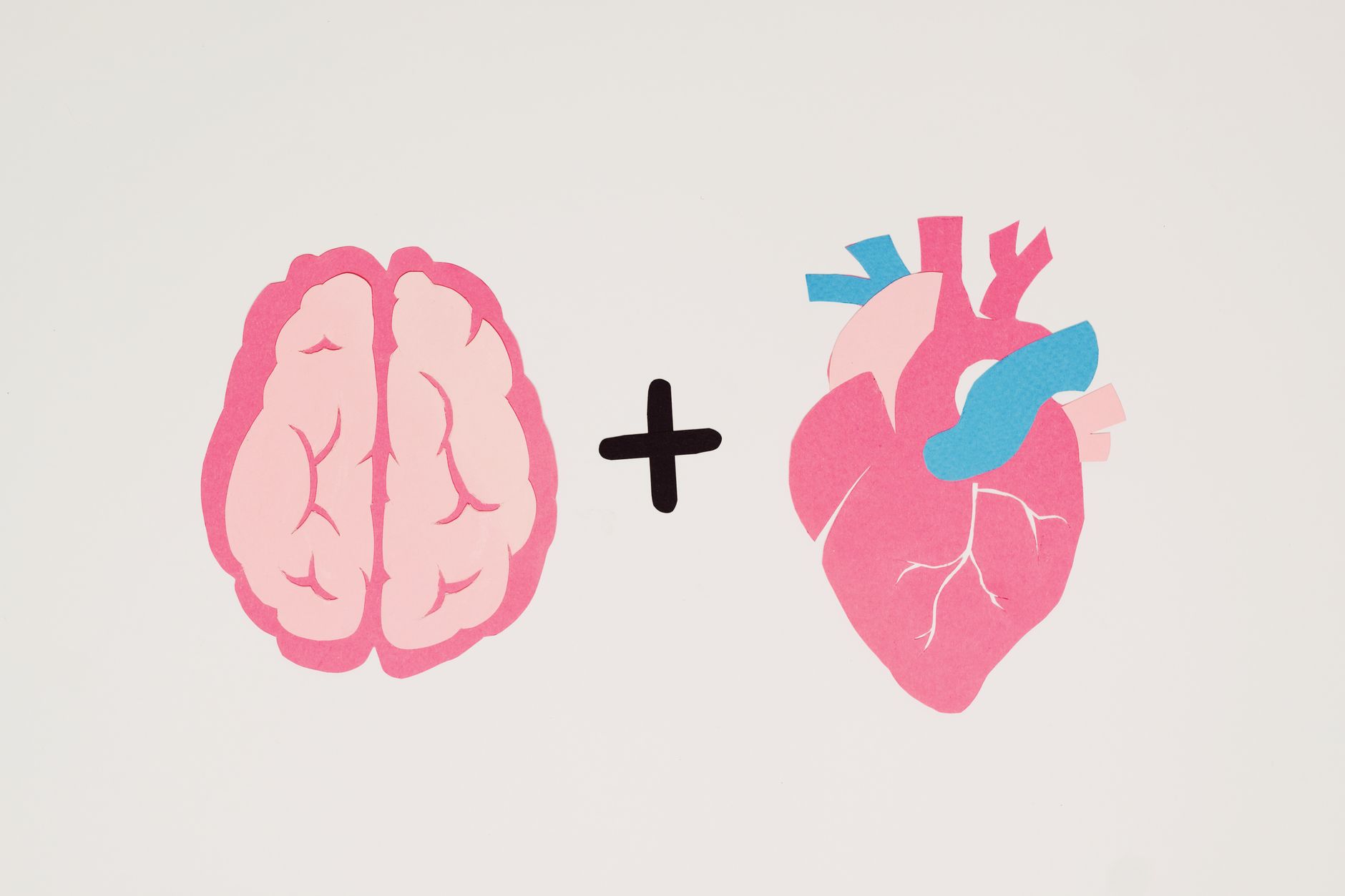
The Three Degrees of Heart Block
Heart block is not a single condition — it comes in degrees of severity, like a traffic jam that can range from a minor slowdown to a complete standstill.
First-Degree Heart Block
The electrical signal travels through the AV node, but more slowly than normal. Every signal still gets through, so the heart rate is usually normal. Most people have no symptoms at all, and this is frequently discovered by chance during a routine ECG. In many cases it requires no treatment — only regular monitoring.
Second-Degree Heart Block
Here, not every electrical signal successfully crosses the AV node. Some signals are "dropped," meaning the ventricles occasionally miss a beat. There are two subtypes:
- Mobitz Type I (Wenckebach): The delay gets progressively longer with each beat until one beat is skipped entirely, then the cycle resets. This is generally the milder form.
- Mobitz Type II: Signals are dropped without warning. This type is less predictable and carries a higher risk of progressing to complete heart block, so it is watched more carefully.
Third-Degree (Complete) Heart Block
This is the most serious form. The electrical signal is completely blocked between the upper and lower chambers. The ventricles take matters into their own hands and beat at their own very slow, unreliable rate — often just 30–40 beats per minute. This is not enough to supply the body with adequate blood and oxygen. Complete heart block is a medical emergency that almost always requires a permanent pacemaker.
Heart Block Causes and Treatment: What Triggers It?
Understanding heart block causes and treatment starts with recognising why the electrical pathway gets disrupted in the first place. There are several common reasons:
Common Causes
- Coronary artery disease and heart attacks: Reduced blood supply can damage the conduction tissue. A heart attack affecting the right coronary artery is a well-known trigger.
- Ageing: The conduction system naturally undergoes wear and tear over decades. Heart block becomes more common after the age of 60.
- Cardiomyopathy: Diseases that affect the heart muscle itself can also involve the conduction pathway.
- Medications: Certain drugs — including beta-blockers, calcium channel blockers, digoxin, and some anti-arrhythmic medicines — can slow conduction as a side effect.
- Infections and inflammation: Conditions such as Lyme disease, rheumatic fever, myocarditis, and even some viral infections can affect the AV node.
- Congenital causes: Rarely, babies are born with complete heart block, sometimes linked to autoimmune conditions in the mother.
- Infiltrative diseases: Conditions like sarcoidosis or amyloidosis, where abnormal material builds up in heart tissue, can disrupt the electrical pathway.
- After cardiac procedures: Heart surgery or catheter-based procedures can occasionally affect nearby conduction tissue.
In Rajkot and across Gujarat, cardiologists also see heart block occurring as a complication of longstanding, uncontrolled high blood pressure and rheumatic heart disease — both of which remain prevalent in the region.
Recognising the Symptoms
Symptoms depend heavily on the degree of block and how slow the heart rate becomes. A 55-year-old with first-degree block, for example, might feel completely normal, while someone with complete heart block might feel profoundly unwell.
Possible symptoms include:
- Unexplained fatigue or tiredness
- Dizziness or light-headedness
- Fainting (syncope) or near-fainting episodes
- Shortness of breath, especially on mild exertion
- Slow or irregular pulse
- Chest discomfort or palpitations
- In severe cases: confusion or sudden collapse
If you or someone around you experiences fainting or an unusually slow pulse, it is important to seek medical attention promptly.
How Is Heart Block Diagnosed?
The cornerstone of diagnosis is the electrocardiogram (ECG). An ECG records the heart's electrical activity and can clearly show how well — or how poorly — signals are travelling through the conduction system. The pattern of the "PR interval" on the ECG tells a cardiologist exactly what degree of block is present.
Additional tests may include:
- Holter monitor: A wearable ECG device worn for 24–48 hours to capture intermittent episodes
- Echocardiogram: Ultrasound of the heart to assess structure and function
- Blood tests: To check for reversible causes such as electrolyte imbalances or thyroid problems
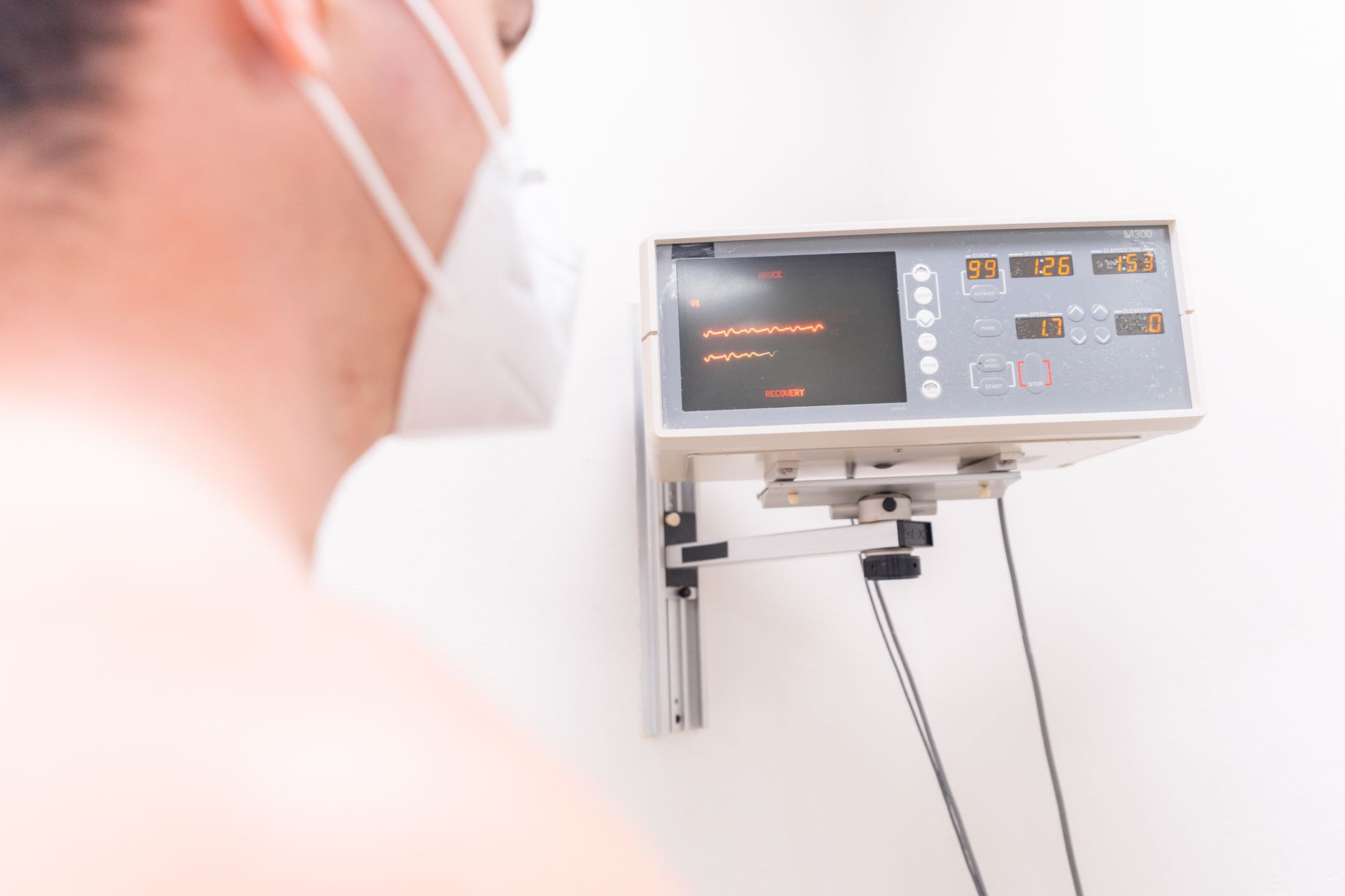
- Exercise stress test: To see how the conduction system responds to physical activity
Heart Block Treatment: What Are the Options?
Treatment is tailored to the type and severity of the block, as well as the underlying cause.
Observation and Monitoring
First-degree heart block and asymptomatic Mobitz Type I typically require no active treatment. Regular ECG check-ups and lifestyle awareness are usually sufficient.
Treating the Underlying Cause
If a medication is identified as the culprit, adjusting or changing it may resolve the block. If an infection or inflammatory condition is responsible, treating that condition can sometimes restore normal conduction.
Pacemaker Implantation
A permanent pacemaker is the most effective long-term treatment for symptomatic second-degree heart block and virtually all cases of complete (third-degree) heart block. A pacemaker is a small device — roughly the size of a large coin — implanted just below the collarbone. It continuously monitors the heart's rhythm and delivers a gentle electrical impulse whenever the natural signal is too slow or absent, keeping the heart beating at a safe, steady rate.
Modern pacemakers are highly reliable, long-lasting (typically 8–12 years on a single battery), and allow patients to resume normal daily activities — including driving (after a medically advised period), moderate exercise, and travel. Many patients describe a remarkable improvement in energy and quality of life after pacemaker implantation.
In acute settings, a temporary pacemaker may be used to stabilise the patient while the underlying cause is treated or while permanent pacemaker arrangements are made.
Key Takeaways
- Heart block is a disruption in the heart's electrical conduction system, classified as first, second, or third degree.
- First-degree block is usually harmless and needs only monitoring; complete heart block is serious and requires a pacemaker.
- Common heart block causes include ageing, coronary artery disease, certain medications, and infections.
- An ECG is the primary diagnostic tool — quick, non-invasive, and comfortable.
- A permanent pacemaker is a safe, well-established treatment that significantly improves quality of life for those who need it.
- Heart block found incidentally on a routine ECG does not automatically mean you need a pacemaker — your cardiologist will guide the right next step.
Living Well With Heart Block
A diagnosis of heart block, particularly a milder form, does not mean your life changes overnight. Staying well means attending follow-up appointments, understanding which symptoms to watch for, taking prescribed medications as directed, and maintaining heart-healthy habits — balanced eating, regular appropriate exercise, avoiding tobacco, and managing blood pressure and blood sugar.
If you have a pacemaker, your cardiologist will schedule regular device checks to ensure everything is working optimally. These visits are straightforward and comfortable, typically involving a quick wireless check of the device's function and battery life.
If you are experiencing unexplained dizziness, fainting, or an unusually slow heartbeat, we encourage you to speak with a qualified cardiologist. Early evaluation can make a meaningful difference. You are welcome to book a consultation with Dr. Nikhila Pachani, Consultant Interventional Cardiologist in Rajkot, for a thorough assessment and personalised guidance.
Frequently asked questions
- Is heart block a serious condition?
- It depends on the degree. First-degree heart block is usually harmless and needs only monitoring. Complete (third-degree) heart block is serious and requires prompt treatment, typically a permanent pacemaker. A cardiologist will assess which type you have and recommend the right level of care.
- Can heart block be cured by treating its cause?
- In some cases, yes. If heart block is caused by a medication, adjusting the dose or switching medicines may resolve it. If an infection or inflammation is responsible, treating that condition can sometimes restore normal conduction. However, heart block due to permanent damage to the conduction system — such as from a heart attack or ageing — usually requires a pacemaker.
- What does it feel like to have a pacemaker implanted?
- Pacemaker implantation is performed under local anaesthesia and mild sedation, making the procedure comfortable. Most patients go home within one to two days and notice a significant improvement in energy levels and symptoms relatively quickly. Modern pacemakers are small, reliable, and typically last 8–12 years.
- Can I exercise normally if I have heart block?
- Many people with first-degree or treated heart block (including those with a pacemaker) can exercise regularly. The type and intensity of exercise that is safe depends on the degree of block and your overall heart health. Your cardiologist will provide specific guidance tailored to your condition.