
Your heart beats roughly 100,000 times a day — and for most of us, it does this quietly, without complaint. That silence can be misleading. Heart disease often builds up slowly, over years, before it announces itself with symptoms. The good news is that regular heart checkups can catch problems early, when they are easiest to manage.
But a very common question patients in Rajkot and across India ask is: "Doctor, how often do I actually need to get my heart checked?" The honest answer depends on your age, your lifestyle, and your personal risk factors. This guide walks you through it clearly.
Why Heart Checkup Frequency Matters
Skipping checkups when you feel fine is one of the most common — and most understandable — mistakes people make. The problem is that conditions like high blood pressure, high cholesterol, and early-stage coronary artery disease often have no noticeable symptoms until they have progressed significantly.
Indians, as a population, are also known to develop heart disease at a younger age compared to many Western populations — often a decade earlier. Factors like a genetic predisposition to smaller coronary arteries, rising rates of diabetes and obesity, and high-stress urban lifestyles all play a role. This makes the question of heart checkup frequency by age in India especially important.
Key takeaways:
- Heart disease often develops silently — checkups catch it early.
- Indians tend to develop heart disease younger than other populations.
- Your checkup schedule should match your age and your risk level.
- A single "normal" result does not mean you never need to check again.
- Lifestyle changes between checkups matter as much as the checkups themselves.

Heart Checkup Frequency by Age: A Practical Guide
In Your 20s — Build a Baseline
Many young adults assume heart health is not their concern. But your 20s are actually the ideal time to establish a baseline reading of your key numbers: blood pressure, blood sugar (fasting), total cholesterol, and BMI (body mass index).
Recommended frequency: Once every 3–5 years if you are healthy, have no family history of early heart disease, and do not smoke.
What to check:
- Blood pressure
- Fasting blood sugar and HbA1c
- Full lipid profile (total cholesterol, LDL, HDL, triglycerides)
- BMI and waist circumference
- Lifestyle discussion with your doctor
If you smoke, are significantly overweight, or have a first-degree relative (parent or sibling) who had a heart attack before age 55 in men or 65 in women, your doctor may recommend starting annual checks sooner.
In Your 30s — Watch for Early Warning Signs
Life in your 30s often brings more desk work, less exercise, more stress, and perhaps a growing family with less time for self-care. This is the decade when risk factors quietly begin to accumulate.
Recommended frequency: Once every 2–3 years for low-risk individuals; annually if you have any risk factors such as diabetes, hypertension, obesity, smoking, or a strong family history.
What to check (in addition to the basics above):
- Resting ECG (electrocardiogram) — a simple, comfortable, non-invasive test
- Kidney function tests (linked closely to cardiovascular health)
- Thyroid function (thyroid problems can affect the heart)
- Uric acid levels
In cities like Rajkot, where working professionals often lead high-stress, sedentary lives, it is worth having an honest conversation with your cardiologist about your personal risk profile — even in your mid-30s.
In Your 40s — Take It More Seriously
Your 40s are when cardiovascular risk begins to rise more meaningfully, especially for men. For women, this decade often overlaps with the early stages of perimenopause, which also influences heart health.
Recommended frequency: Annually for most people in their 40s.
What to check:
- All of the above, plus:
- Echocardiogram (an ultrasound of the heart) — non-invasive and very informative
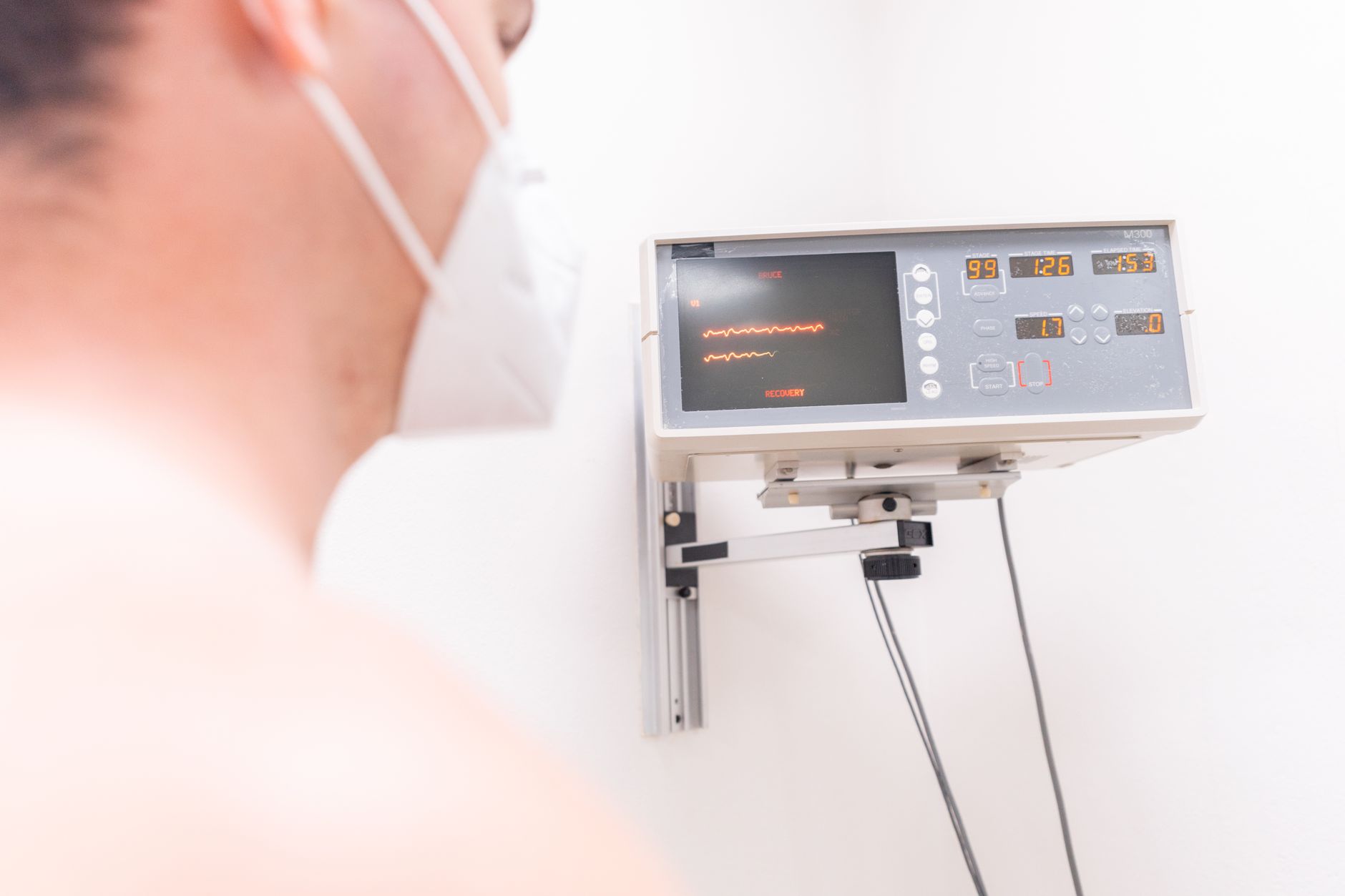
- Stress test / Treadmill Test (TMT) if your doctor recommends it based on symptoms or risk
- Carotid intima-media thickness (CIMT) test if risk factors are present
- Detailed diabetes screening
A 45-year-old who is slightly overweight, has a mildly elevated fasting sugar, and whose father had a heart attack at 52 — this person benefits enormously from annual checkups and a proactive plan, rather than waiting for symptoms.
In Your 50s — Annual Checkups Are Essential
By the time you reach your 50s, annual cardiac screening is no longer optional — it is a sensible, standard part of adult healthcare. For women, the post-menopausal shift in hormones removes much of the natural protection that oestrogen provides, bringing their heart disease risk closer to that of men.
Recommended frequency: Every year, without exception.
What to check:
- All previous tests
- CT Coronary Calcium Score — a non-invasive scan that helps assess plaque build-up in arteries
- Holter monitor if there are any episodes of palpitations or irregular heartbeat
- A frank discussion about medications if cholesterol or blood pressure is not controlled with lifestyle alone
60 and Above — Ongoing Monitoring Is Your Safety Net
In your 60s and beyond, the goal shifts slightly: it is about detecting any changes early, managing existing conditions well, and preserving quality of life. Many people in this age group are already on some medication for blood pressure or cholesterol — making regular reviews with their cardiologist essential.
Recommended frequency: Every 6–12 months, depending on your health status.
What to check:
- Regular ECG and echocardiogram
- Medication review and dosage adjustment
- Kidney function monitoring (some heart medicines affect kidneys)
- Assessment for heart failure signs (ankle swelling, breathlessness, fatigue)
- Fall risk and frailty assessment (relevant for cardiac rehab planning)

Beyond Age: Risk Factors That Require More Frequent Checks
Age is just one part of the picture. Certain conditions and habits mean you need more frequent monitoring, regardless of how old you are:
- Diabetes — damages blood vessels and nerves that supply the heart
- High blood pressure — a silent but powerful driver of heart disease
- High cholesterol (dyslipidaemia) — especially high LDL or low HDL
- Smoking or tobacco use (including gutka and pan masala) — dramatically accelerates arterial damage
- Obesity or central adiposity — excess abdominal fat is particularly linked to cardiac risk
- Chronic kidney disease — closely intertwined with heart health
- Strong family history of heart attack or sudden cardiac death — especially in first-degree relatives under 55–65 years
- Prior history of any cardiac event — if you have already had a heart attack, angioplasty, or bypass surgery, your follow-up schedule will be set by your cardiologist
If you have two or more of the above risk factors, it is worth speaking with a cardiologist directly — not just your general physician — for a structured assessment.
What Does a Heart Checkup Actually Involve?
Many people avoid checkups simply because they are unsure what to expect. A basic cardiac screening is straightforward and comfortable:
- History and physical examination — your doctor reviews your symptoms, lifestyle, and family history
- Blood tests — lipid profile, blood sugar, kidney and liver function, thyroid if needed
- Blood pressure measurement — simple and quick
- Resting ECG — electrode stickers on the chest; takes about 5 minutes; completely non-invasive
- Echocardiogram (if recommended) — an ultrasound of the heart; no radiation involved
- Treadmill Test / Stress Test (if recommended) — assesses how your heart responds to exercise
Most of these tests are widely available in Rajkot at cardiology clinics and diagnostic centres.
A Simple Rule to Remember
Think of your heart checkup the way you think about servicing your vehicle. You would not wait for the engine to fail before visiting a mechanic. The same logic applies to your heart — the most important engine you own.
If you are under 30 and healthy: check every 3–5 years. If you are 30–40: check every 2–3 years, or annually with risk factors. If you are 40–50: check annually. If you are 50+: check annually, or every 6 months if you have known conditions.
This article is intended for general health education only and does not constitute personal medical advice. Everyone's cardiac risk profile is unique. If you have concerns about your heart health or are unsure how often you should be screened, we warmly encourage you to book a consultation with a qualified cardiologist who can guide you based on your individual history and needs.
Frequently asked questions
- At what age should I start getting regular heart checkups in India?
- Most doctors recommend establishing a baseline heart health check — including blood pressure, blood sugar, and cholesterol — in your 20s. For low-risk individuals, once every 3–5 years is generally sufficient at this age. However, if you have risk factors such as a family history of early heart disease, diabetes, or obesity, earlier and more frequent checks are advisable. Indians tend to develop heart disease at a younger age than Western populations, so starting early is always wise.
- How often should someone with diabetes get a heart checkup?
- People with diabetes should get a cardiac screening at least once a year, regardless of age. Diabetes damages blood vessels and the nerves that supply the heart, significantly increasing cardiovascular risk. An annual check should include a lipid profile, ECG, blood pressure measurement, kidney function tests, and a discussion with a cardiologist about any symptoms such as unusual fatigue or breathlessness.
- What tests are included in a basic heart checkup?
- A standard heart checkup typically includes a physical examination, blood pressure measurement, fasting blood sugar, a lipid profile (cholesterol levels), a resting ECG (electrocardiogram), and kidney and liver function tests. Depending on your age and risk factors, your cardiologist may also recommend an echocardiogram (heart ultrasound), a treadmill stress test, or a CT coronary calcium score. These tests are non-invasive and widely available at cardiology clinics.
- Can I skip a heart checkup if I feel perfectly fine and have no symptoms?
- Feeling fine does not mean your heart is problem-free. Many serious conditions — including high blood pressure, high cholesterol, and even early coronary artery disease — have no noticeable symptoms until they are well advanced. This is precisely why regular screening is so important. A checkup when you feel well is a preventive tool; waiting for symptoms means the problem may already be significant. Regular checkups allow your doctor to identify and address risk factors before they cause harm.