
When Three Conditions Share the Same Body
For many people living with diabetes across Gujarat and the rest of India, a difficult reality can unfold over time: one condition quietly invites two others. Heart disease, diabetes, and kidney disease together form what doctors sometimes call the "cardiorenal-metabolic triad" — a situation where each condition makes the other two harder to manage.
If your doctor has told you that your blood sugar, your heart, and your kidneys all need attention at the same time, you are not alone. This combination is very common in India, particularly in adults over 45. The good news is that with the right knowledge, the right team, and consistent daily habits, this triad is very much manageable.
This article explains why these three conditions are so tightly linked, what risks you should know about, and — most importantly — what you can do every single day to protect your heart, your kidneys, and your overall quality of life.
Why Diabetes, Heart Disease, and Kidney Disease Travel Together
To understand the connection, think of your blood vessels as a network of roads running through your entire body. High blood sugar — the hallmark of diabetes — slowly damages the lining of these roads over many years. The damage does not stop at one organ. It affects:
- The heart, by narrowing the coronary arteries that supply blood to the heart muscle
- The kidneys, by damaging the tiny filtering units called glomeruli
- The blood vessels throughout the body, raising blood pressure and stiffening arteries
When the kidneys are damaged, they become less efficient at removing waste and excess fluid. This puts extra strain on the heart. When the heart is weakened, blood flow to the kidneys drops further. It becomes a cycle — each organ adding to the other's burden.
This is why doctors use the term cardiorenal syndrome: heart and kidney problems that drive each other forward.
Key fact: People with both diabetes and chronic kidney disease (CKD) have a significantly higher risk of cardiovascular events — such as heart attacks and heart failure — compared to those with diabetes alone. Recognising this early is the first step toward breaking the cycle.

Recognising the Warning Signs Early
One of the most challenging aspects of this triad is that early stages are often silent. Many patients in Rajkot and across India discover they have CKD or early heart disease only during a routine check-up or blood test. That is why regular monitoring is so important.
Signs that deserve prompt attention:
- Swelling in the feet, ankles, or legs (fluid retention can signal both heart and kidney trouble)
- Shortness of breath, especially on mild exertion or while lying flat
- Fatigue that feels unusual or disproportionate to your activity level
- Decreased urine output or frothy/foamy urine
- Chest discomfort, pressure, or palpitations
- Blood pressure readings consistently above 130/80 mmHg
If you are diabetic and notice any of these signs, do not wait. An early evaluation can make a meaningful difference.
Understanding Your Key Numbers
When managing heart disease, diabetes, and kidney disease together, a handful of numbers tell the most important story. Keep track of these at every doctor visit:
| Measurement | Target (General Guidance) |
|---|---|
| HbA1c (blood sugar control) | Usually < 7–7.5% (your doctor may personalise this) |
| Blood pressure | < 130/80 mmHg |
| LDL ("bad") cholesterol | < 70 mg/dL for high-risk patients |
| eGFR (kidney filtration rate) | Monitored to track CKD stage |
| Urine albumin-to-creatinine ratio | < 30 mg/g (higher values signal kidney stress) |
These numbers guide your treatment team in choosing the safest, most effective plan for you.
Managing the Triad: Lifestyle as the Foundation
No medication works as well without the support of daily habits. Here are the lifestyle pillars that protect your heart and your kidneys when diabetes is also in the picture.
1. Eating for Three Conditions at Once
This can feel confusing — a heart-healthy diet, a diabetes diet, and a kidney-friendly diet all at once? The principles actually overlap more than they differ:
- Reduce salt (sodium): High salt raises blood pressure and strains both the heart and kidneys. Avoid papad, pickles, processed foods, and excessive table salt. Flavour food with fresh herbs, lime, and spices instead.
- Choose complex carbohydrates: Brown rice, jowar, bajra, and vegetables with a low glycaemic index help keep blood sugar steadier.
- Moderate protein intake: Unlike the general population, people with significant CKD may need to limit protein. Your nephrologist or dietitian will set a personalised protein target — do not increase protein without guidance.
- Limit potassium and phosphorus if advised: In later stages of CKD, certain fruits (bananas, oranges) and dairy may need to be restricted. This is highly individual — always ask your doctor.
- Healthy fats: Use small amounts of cold-pressed groundnut or mustard oil. Reduce fried snacks, ghee used in large quantities, and coconut cream.
- Stay hydrated appropriately: The right fluid intake in CKD is personalised — neither too much nor too little.
2. Physical Activity — Gentle, Consistent, and Safe

Regular movement is one of the most powerful medicines available for this triad. It improves insulin sensitivity, lowers blood pressure, strengthens the heart, and supports a healthy weight — all without a prescription.
- A 20–30 minute brisk walk most mornings is an excellent starting point.
- Yoga and stretching are gentle options for those with joint problems or fatigue.
- Avoid very intense exercise without your cardiologist's clearance, especially if heart failure or advanced CKD is present.
A 55-year-old with diabetes and moderate CKD might, for example, begin with 15-minute gentle walks and gradually build up over weeks — and notice improved energy and better blood sugar readings as a result.
3. Quit Tobacco and Limit Alcohol
Smoking accelerates arterial damage in every organ simultaneously — it is particularly harmful when the heart and kidneys are already under stress. Even smokeless tobacco (gutka, mawa) carries significant cardiovascular risk. Stopping at any age brings real benefits.
Alcohol raises blood pressure, disrupts blood sugar control, and adds strain to the kidneys. It is best avoided or kept to an absolute minimum.
4. Stress and Sleep
Chronic stress elevates cortisol, which in turn raises blood pressure and blood sugar. Poor sleep has similar effects. Prioritising 7–8 hours of restful sleep, and finding time for relaxation practices — even 10 minutes of deep breathing or prayer — has measurable health benefits.
Medications: Why Coordination Between Doctors Matters So Much
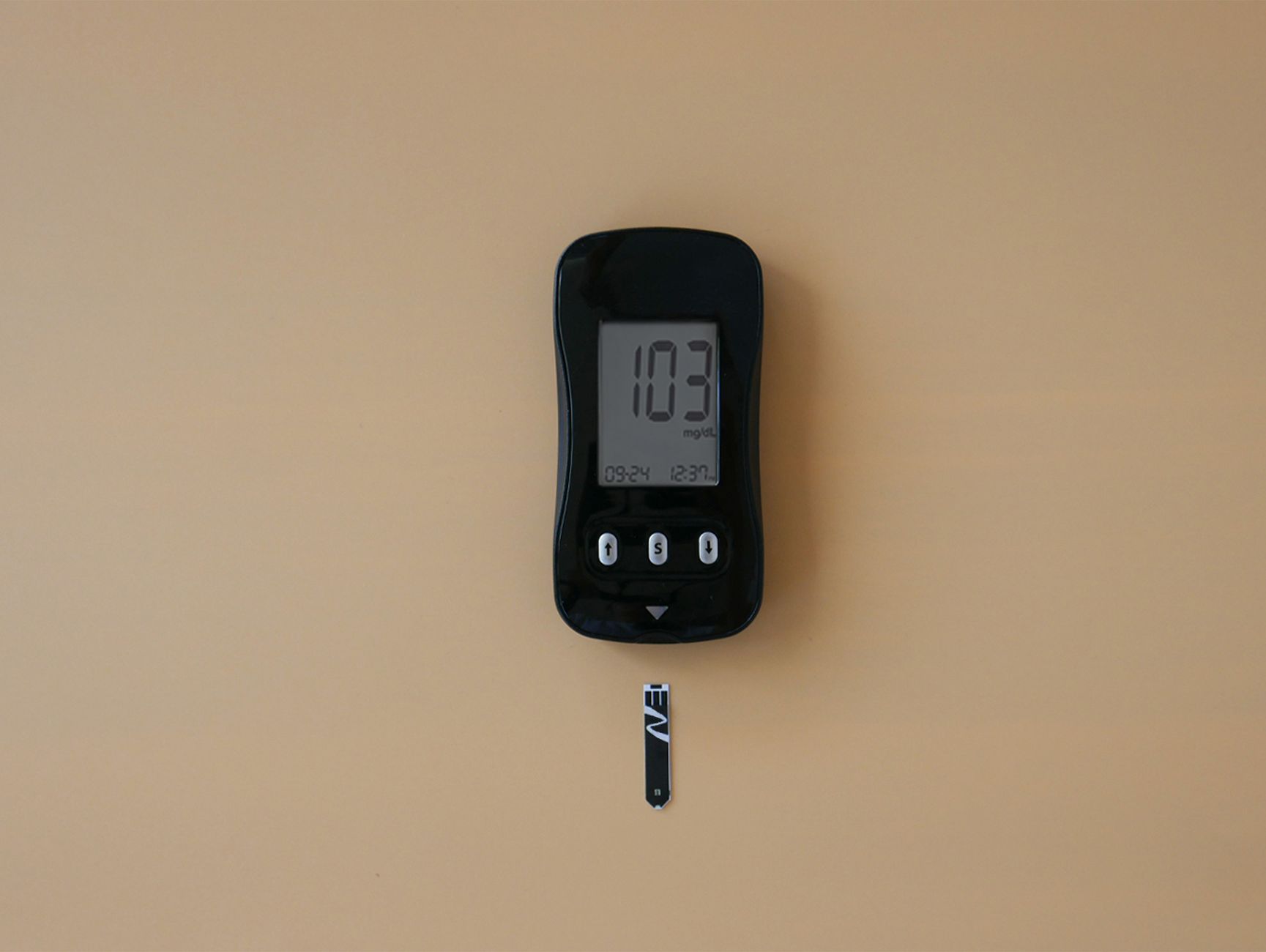
When you have heart disease, diabetes, and kidney disease together, medication management becomes genuinely complex. Some drugs that are standard for diabetes can affect kidney function. Some heart medications need dose adjustments based on your eGFR. This is why it is essential that your cardiologist, nephrologist, and diabetologist are all aware of every medicine you take.
Medication classes that often play a central role:
- SGLT2 inhibitors (such as empagliflozin and dapagliflozin): These newer diabetes medications have shown significant heart and kidney protection benefits in clinical trials and are now widely recommended for people with this combination of conditions.
- GLP-1 receptor agonists (such as liraglutide and semaglutide): Also shown to reduce cardiovascular risk in people with type 2 diabetes.
- ACE inhibitors / ARBs: Often used to lower blood pressure and protect the kidneys by reducing protein leakage in urine.
- Statins: Important for reducing LDL cholesterol and cardiovascular risk.
- Diuretics and heart failure medications: Carefully chosen based on kidney function.
Important: Never adjust or stop any medication on your own. Even over-the-counter painkillers (like ibuprofen or diclofenac) can be harmful to the kidneys in this situation. Always check with your doctor first.
The Importance of Regular Follow-Up
Managing this triad is not a one-time event — it is an ongoing partnership between you and your medical team. In a city like Rajkot, access to both interventional cardiology and nephrology services means that a coordinated care plan is entirely achievable.
Aim for:
- Every 3 months: HbA1c, blood pressure review, medication review
- Every 6 months: Kidney function tests (creatinine, eGFR, urine albumin), lipid profile, ECG
- Annually (or as advised): Echocardiogram (heart ultrasound), eye examination, foot examination
Key Takeaways
- Diabetes, heart disease, and kidney disease form a closely linked triad — each one worsens the others if left unmanaged.
- The connection runs through blood vessel damage, blood pressure, and fluid balance.
- Early recognition of warning signs — swelling, breathlessness, fatigue — can prevent serious events.
- A heart-and-kidney-friendly diet, regular gentle exercise, tobacco cessation, and stress management form the foundation of care.
- Newer medications like SGLT2 inhibitors offer protection across all three conditions — ask your doctor if they are right for you.
- Regular monitoring of blood sugar, blood pressure, kidney function, and cholesterol is essential.
- Coordinated care between your cardiologist, nephrologist, and diabetologist gives you the strongest possible protection.
Managing heart disease, diabetes, and kidney disease together is a real challenge — but it is one that many people navigate successfully with the right support. If you have concerns about your heart health in the context of diabetes or kidney disease, consider reaching out to a qualified interventional cardiologist for a thorough evaluation and a personalised care plan.
Frequently asked questions
- Can diabetes cause both heart disease and kidney disease at the same time?
- Yes. High blood sugar over time damages blood vessels throughout the body, including those supplying the heart and the tiny filtering vessels in the kidneys. This is why diabetes is one of the leading causes of both chronic kidney disease (CKD) and cardiovascular disease, and the two often appear together in people with long-standing or poorly controlled diabetes.
- Which medications are safe for the heart when I also have kidney disease?
- Several medication classes — including ACE inhibitors, ARBs, and newer agents like SGLT2 inhibitors — are often used specifically because they offer both heart and kidney protection. However, the right choice depends on your individual kidney function (eGFR), blood pressure, and other factors. Always consult your cardiologist or nephrologist before starting, stopping, or changing any medication.
- Is exercise safe if I have heart disease and kidney disease together?
- For most people, gentle, regular physical activity — such as a daily 20–30 minute walk — is not only safe but actively beneficial. It helps control blood sugar, lower blood pressure, and strengthen the heart. That said, if you have advanced heart failure or severe CKD, your doctor may advise a modified activity plan. Always get clearance from your cardiologist before starting a new exercise routine.
- How often should I get my heart and kidneys checked if I have diabetes?
- As a general guide, kidney function tests and urine albumin levels should be checked at least once a year, and more frequently if abnormalities are found. Heart health — including blood pressure, ECG, and sometimes an echocardiogram — should also be reviewed regularly. Your doctor will set a personalised monitoring schedule based on the severity of your conditions.