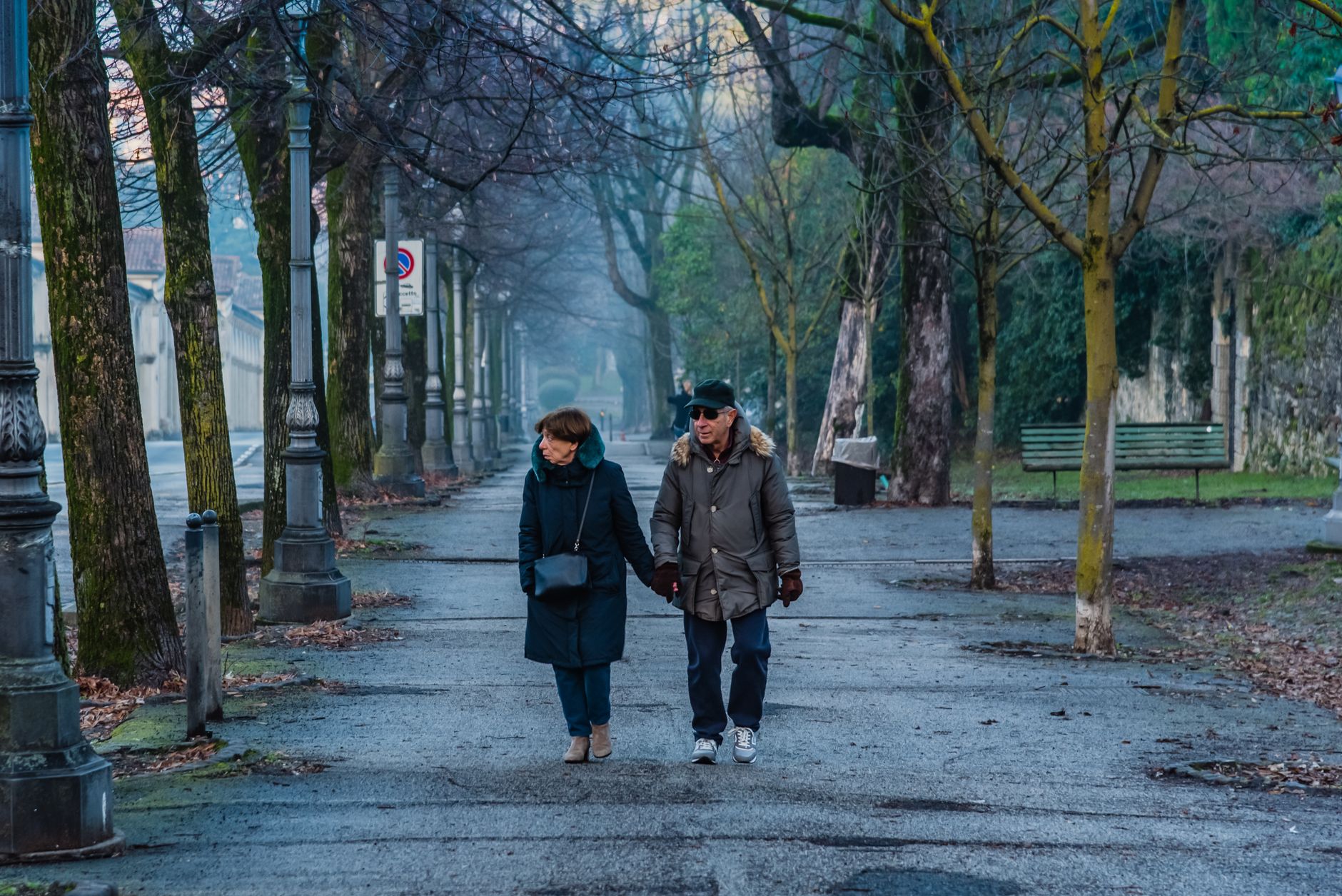
Managing heart disease and high blood pressure as we grow older is one of the most important — and most misunderstood — parts of senior health care in India. Many elderly patients and their families worry about two things at the same time: "Is my parent taking enough medicines?" and "Are they taking too many?" Both concerns are completely valid. The good news is that with the right knowledge, careful monitoring, and a caring medical team, most older adults can live active, comfortable lives — even with heart disease and hypertension.
Why Heart Disease and Hypertension Are So Common in Elderly Indians
As we age, the walls of our arteries naturally become stiffer. The heart has to work harder to pump blood through these stiffer vessels, which gradually raises blood pressure. Add to this decades of dietary habits — heavy salt in pickles, papadams, and processed snacks so common across Gujarat and the rest of India — along with reduced physical activity, and it becomes clear why heart disease hypertension management in elderly India is such a pressing topic.
According to national health surveys, nearly half of all adults above 60 years in urban India have some form of high blood pressure, and a significant number also have coronary artery disease or heart failure alongside it. In cities like Rajkot, where a large portion of the population is above 55, cardiologists see this combination every day.
The important thing to understand is that having both conditions does not mean a poor quality of life. It means a more thoughtful, personalised plan is needed.
The Challenge of "Over-Medication" in Older Adults
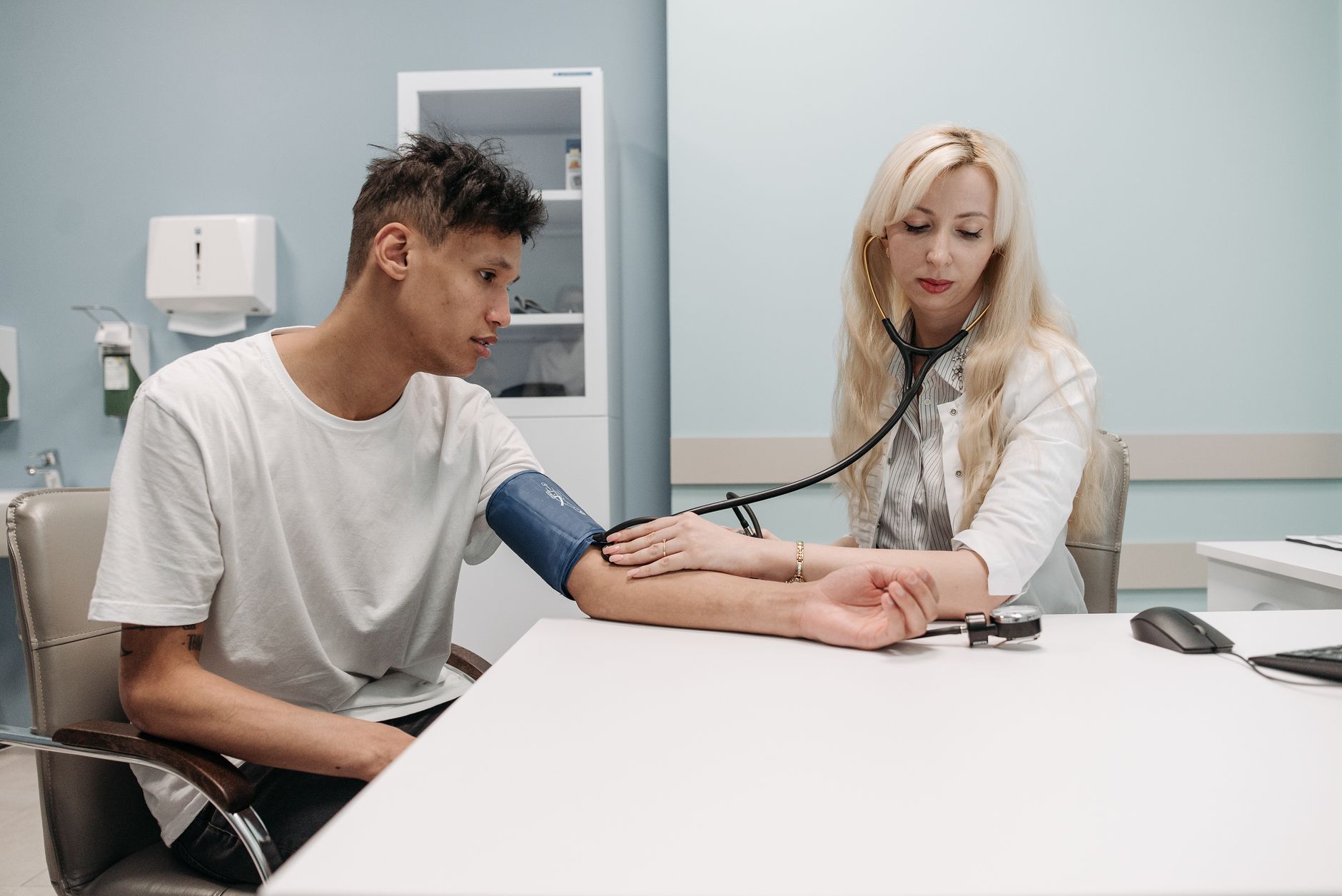
One of the genuine concerns in elderly heart care is polypharmacy — the medical term for being on too many medicines at the same time. An older patient with hypertension, heart disease, diabetes, and joint pain can easily find themselves taking 8–12 tablets a day. Each medicine was likely prescribed for a good reason, but together they can cause problems:
- Falls and dizziness — some blood pressure medicines lower BP too much when a person stands up quickly, raising the risk of falls
- Kidney strain — certain combinations of heart and pain medicines can put pressure on ageing kidneys
- Fatigue and low energy — overly controlled blood pressure in elderly patients can actually make them feel weak and tired
- Drug interactions — medicines that are safe alone may not always be safe together
What Is the "Right" Blood Pressure Target for an Elderly Person?
This is where modern cardiology has become much more nuanced. For most adults under 60, doctors aim for a blood pressure below 130/80 mmHg. But for older adults, especially those above 75 or those who are frail, the target is often relaxed slightly — often to below 140–150 mmHg systolic — to avoid the side effects of over-treatment.
This does not mean ignoring high blood pressure. It means finding the sweet spot — controlled enough to protect the heart and kidneys, but not so low that the person feels dizzy or faint.
Lifestyle: The First and Most Powerful Medicine
Before adding another tablet, every elderly patient's lifestyle should be reviewed. Small, sustainable changes can reduce blood pressure by 5–15 mmHg without any medication at all.
Diet Adjustments That Work Well for Indian Seniors
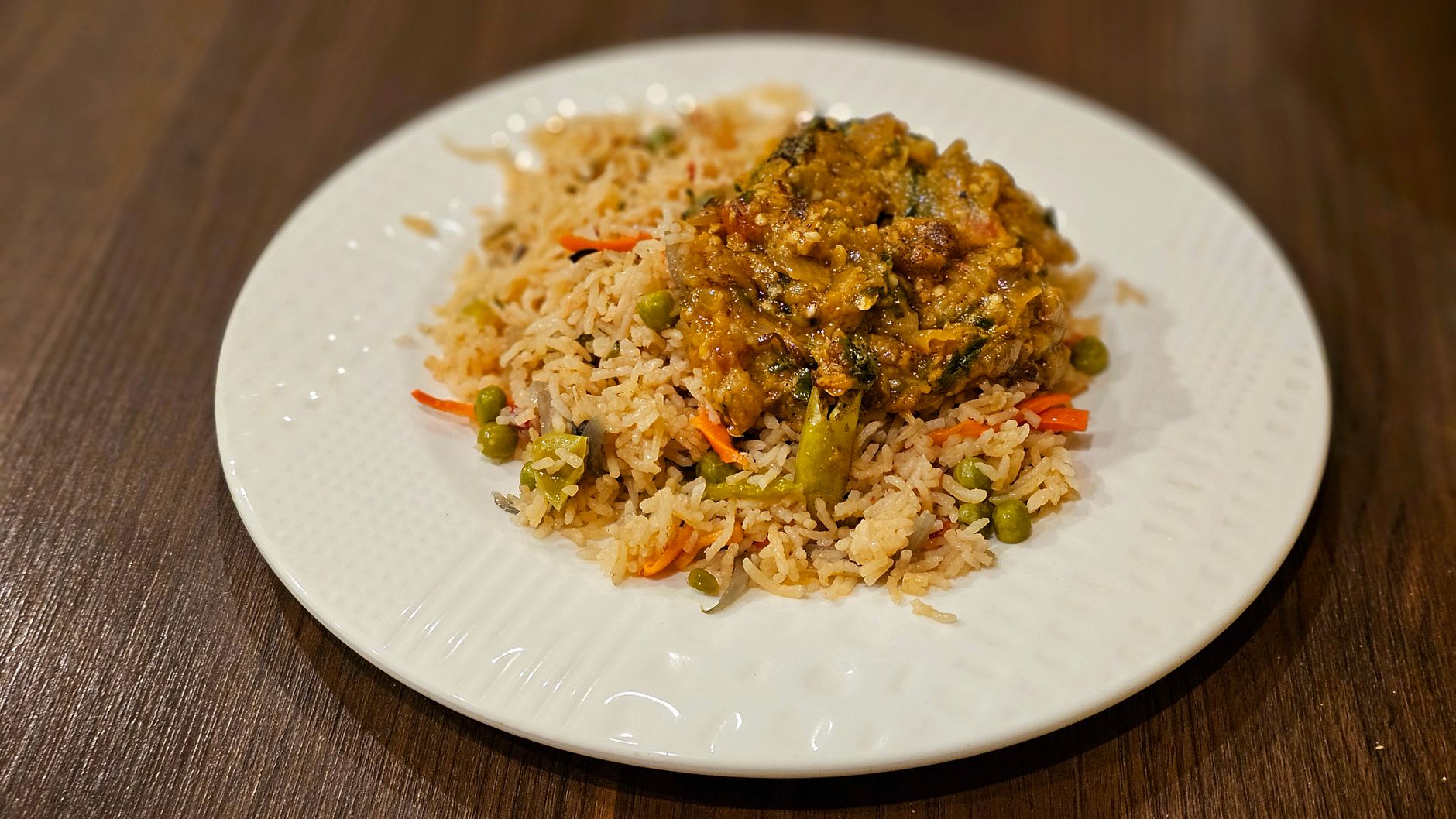
- Reduce salt gradually — aim for less than 5 grams (about 1 teaspoon) per day. Cut down on pickles, papads, salted buttermilk, and packaged namkeens.
- Eat more vegetables and dal — a diet rich in potassium (found in vegetables, bananas, and coconut water) naturally helps lower BP.
- Choose whole grains — jowar, bajra, and brown rice over refined maida and white rice.
- Use less ghee and oil — especially for those with coronary artery disease. Choose mustard or groundnut oil in small quantities.
- Limit sugar and sweets — diabetes and heart disease very often go hand in hand.
Physical Activity: Gentle but Consistent
Many elderly patients in Rajkot and across Gujarat believe that rest is best once a heart problem is diagnosed. In most cases, this is not correct. Gentle, regular movement is medicine.
- A 20–30 minute walk in the morning, 5 days a week, is a strong foundation.
- Chair-based stretching or yoga for those with joint problems.
- Light housework and gardening count too — every movement helps.
Always check with your cardiologist before starting or changing an exercise routine, especially after a recent cardiac event.
Smart Medication Management — Not Less, Not More
Lifestyle alone may not be enough for many elderly patients, and medication remains an important part of heart disease and hypertension management. The goal is the right medicines at the right doses — reviewed regularly.
Tips for Patients and Families
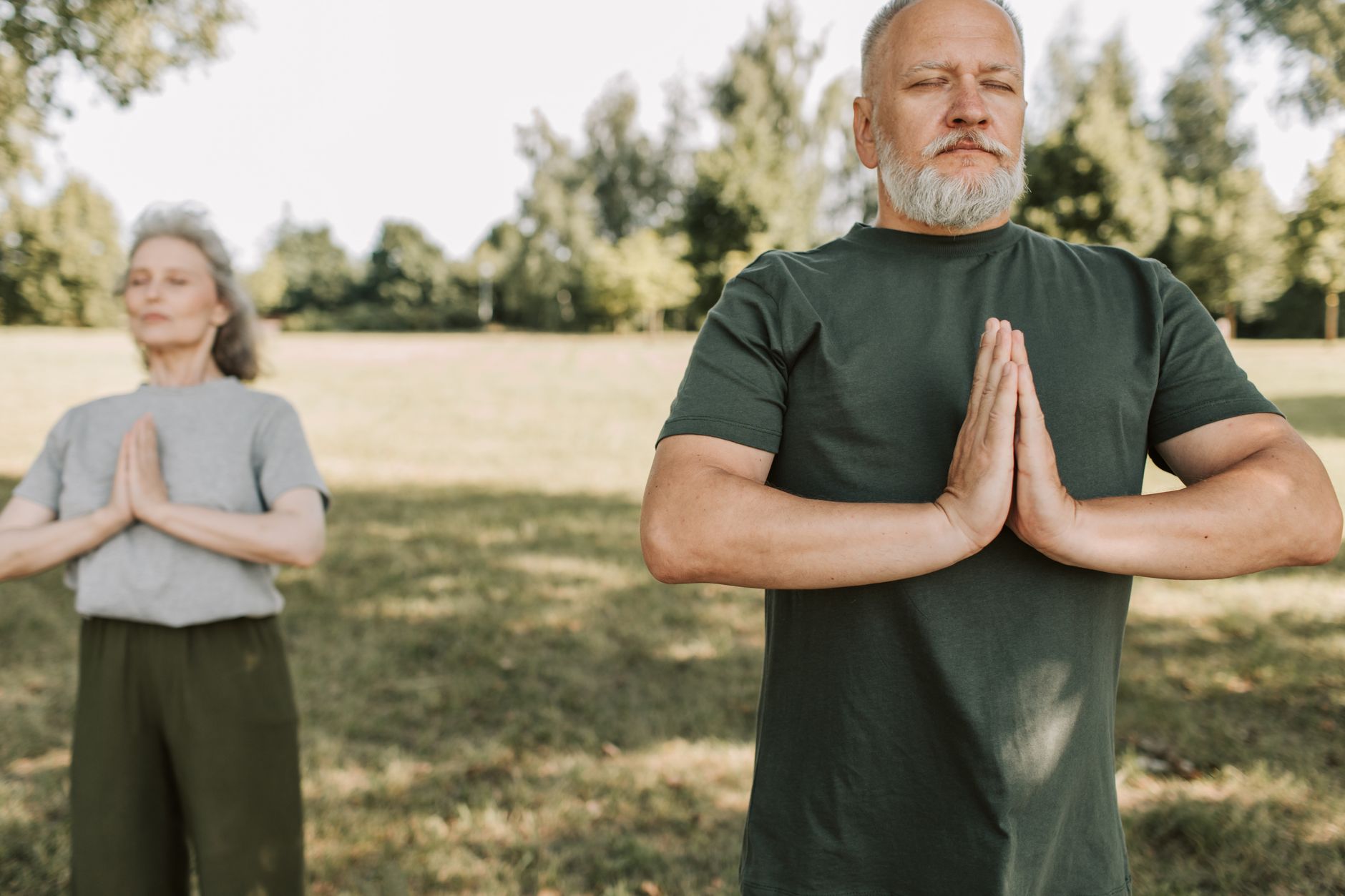
- Keep a medicines list — write down every tablet, dose, and timing. Bring this list to every doctor's visit.
- Monitor blood pressure at home — a simple digital BP machine can help you and your doctor spot trends. Measure at the same time each day, after sitting quietly for 5 minutes.
- Report side effects promptly — dizziness, swelling in the legs, dry cough, or frequent urination after starting a new medicine should be reported without delay.
- Never stop medicines suddenly — stopping blood pressure or heart medicines abruptly can be dangerous. Any changes should be made with your doctor's guidance.
- Schedule regular reviews — as the body changes with age, medicine doses may need to be adjusted. A review every 3–6 months is generally reasonable for stable patients.
Medicines Commonly Used and Why They Matter
Without going into specific prescriptions (which must always be personalised), common medicine groups used in elderly heart patients include:
- ACE inhibitors / ARBs — protect the heart and kidneys, especially helpful if diabetes is also present
- Beta-blockers — slow the heart rate and reduce the heart's workload
- Calcium channel blockers — relax blood vessel walls; often well-tolerated in older adults
- Low-dose diuretics — help remove excess fluid; used carefully to avoid dehydration
- Aspirin / blood thinners — used when there is a history of heart attack or stenting, under close supervision
An illustrative example: a 68-year-old with high blood pressure, a past heart attack, and mild kidney disease might do very well on just two carefully chosen medicines combined with a reduced-salt diet and daily walks — rather than five medicines at their maximum doses.
The Role of Family Support in Rajkot and Across Gujarat
In joint families — still wonderfully common in Gujarat — family members play a huge role in an elderly person's health. Help your parent or grandparent by:
- Preparing low-salt meals with them, not just for them
- Walking with them in the morning — it keeps both of you healthy
- Accompanying them to doctor's visits so nothing is missed or forgotten
- Ensuring they do not skip medicines during festivals or travel
Cultural events, weddings, and celebrations often mean heavy, salty, and fried food. One occasion is unlikely to cause harm, but the habit of indulging frequently needs to be managed thoughtfully.
Key Takeaways
- High blood pressure and heart disease together are very common in elderly Indians, but manageable with the right approach.
- Over-medication is a real risk — more tablets are not always better. Regular reviews with your cardiologist matter.
- Blood pressure targets in the elderly are slightly relaxed — the goal is protection without side effects like dizziness or falls.
- Lifestyle changes — diet, walking, and stress reduction — are genuinely powerful and should be the foundation of any plan.
- Family involvement in Rajkot and Gujarat's close-knit communities is a real advantage — use it wisely.
- Never stop or change medicines on your own. Always consult your doctor.
- Monitor blood pressure at home and bring records to every visit.
If you or a loved one is managing heart disease and high blood pressure and have questions about finding the right balance of lifestyle and medication, consider booking a consultation with a qualified interventional cardiologist who can review your individual situation carefully and compassionately.
Frequently asked questions
- Is it safe for elderly patients to exercise if they have both heart disease and high blood pressure?
- In most cases, yes — gentle, regular exercise like walking or chair yoga is not only safe but strongly recommended. However, the type and intensity of exercise should always be discussed with your cardiologist, especially after a recent cardiac event or procedure.
- What blood pressure reading should elderly Indians aim for?
- For most adults above 60–65, a systolic blood pressure below 140–150 mmHg is often considered an appropriate and safe target. However, the right target depends on individual factors like age, frailty, kidney health, and other conditions. Your cardiologist will set a personalised goal for you.
- Can reducing salt really lower blood pressure without medicines?
- Yes, reducing salt intake — especially from pickles, papads, salted snacks, and processed foods common in Indian diets — can lower systolic blood pressure by 5–10 mmHg in many people. It works best when combined with other lifestyle changes and any prescribed medicines.
- How often should an elderly patient on heart and BP medicines see their cardiologist?
- For stable patients, a review every 3–6 months is generally appropriate. However, if there are new symptoms, side effects from medicines, significant changes in blood pressure readings, or a recent hospitalisation, an earlier appointment is advised. Regular home BP monitoring and keeping a written medicines list helps make these visits more effective.