
Heart disease is often pictured as a "man's problem" — an older gentleman clutching his chest, rushed to the hospital in an ambulance. But this image, as familiar as it is, leaves out roughly half the population.
The truth is that heart disease is the leading cause of death among women globally, and India is no exception. Yet across Rajkot, across Gujarat, and across the country, women continue to arrive at cardiac care centres later than men — sometimes dangerously late. The reason is not always lack of access. Very often, it is a quiet, deeply rooted set of heart disease myths in Indian women that causes them to wave away their own warning signs.
Let us gently challenge those myths, one by one.
Myth 1: "Heart Disease Is a Man's Problem"
This is perhaps the most persistent and most harmful myth of all.
Heart disease does not discriminate by gender. Studies published in leading cardiology journals consistently show that women account for nearly half of all heart-disease-related deaths. In India, the burden is rising sharply among women under 60 — a demographic that is often considered "safe."
Why does this myth survive? Partly because early heart research was conducted mostly on male subjects, so the classic image of heart disease became male by default. Partly because women's symptoms — as we will see — can look very different from men's, and so they fly under the radar.
Fact: After menopause, the natural drop in oestrogen removes a layer of cardiovascular protection. A woman in her 50s or 60s carries a heart-disease risk that is very comparable to a man's. Starting conversations about heart health early — not after a scare — is essential.
Myth 2: "My Symptoms Don't Look Like a Heart Attack, So It Probably Isn't"
Most people, including many healthcare providers, associate a heart attack with one image: severe, crushing chest pain that radiates down the left arm. For men, this is often accurate. For women, the picture is frequently quite different.
Women are more likely to experience:
- Unusual fatigue — feeling exhausted for days without a clear reason
- Shortness of breath, even at rest or with light activity
- Nausea or indigestion-like discomfort
- Pain or pressure in the upper back, jaw, or shoulders
- Dizziness or lightheadedness
- Chest discomfort that feels more like pressure, tightness, or squeezing than sharp pain
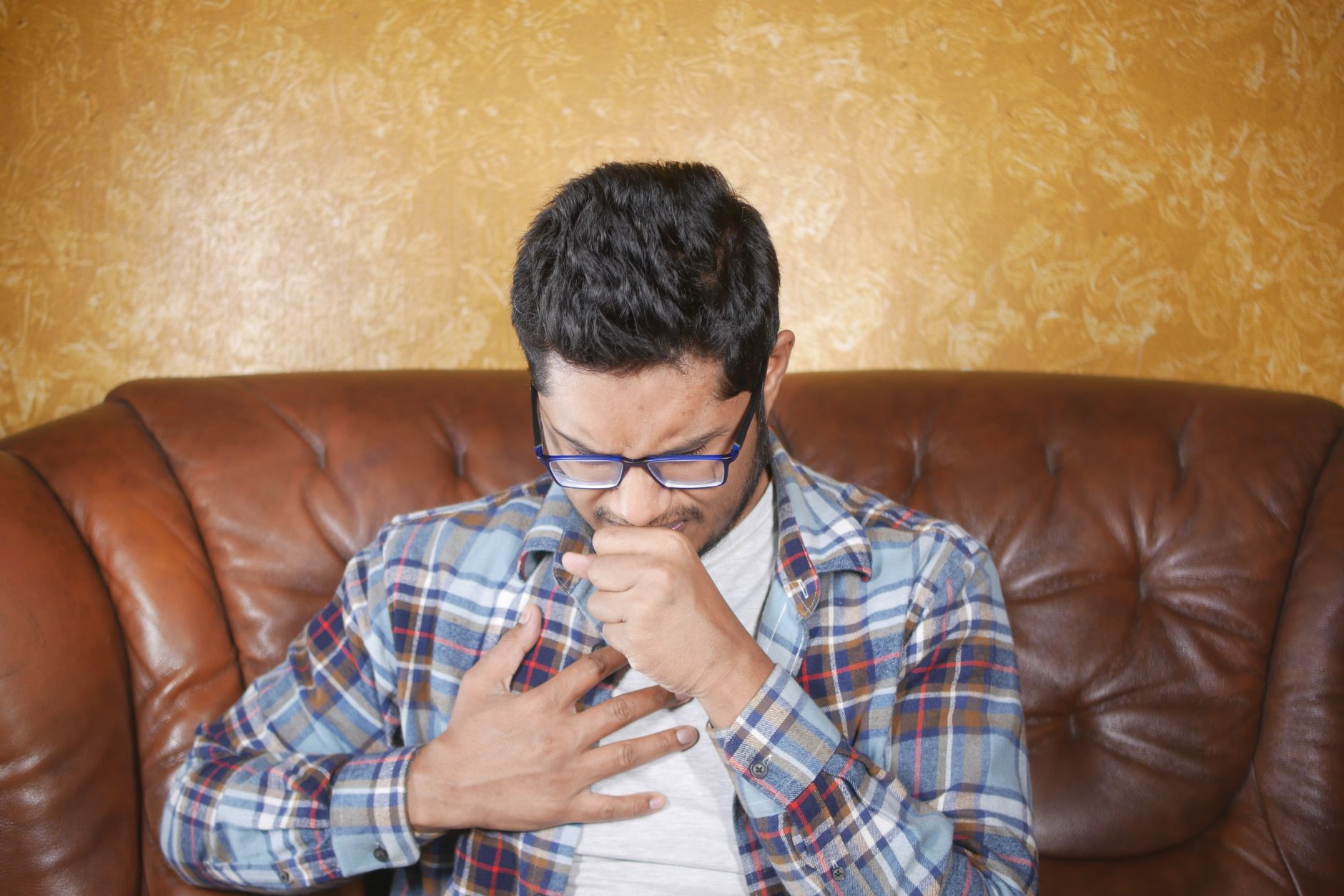
Because these symptoms overlap with stress, acidity, anaemia, or simply "tiredness from a busy day," women — and those around them — tend to rationalise them away. A 50-year-old woman might spend three days attributing her jaw ache and fatigue to dental problems or over-work before anyone considers her heart.
Fact: If you notice a cluster of these symptoms — especially if they are new, persistent, or come with exertion — please seek medical evaluation promptly. Early assessment saves lives.
Myth 3: "I'm Too Young to Worry About My Heart"
Younger Indian women often feel invincible when it comes to cardiac risk. After all, heart disease is "something that happens later in life." Unfortunately, several factors are pushing heart disease to a younger age group among Indian women specifically:
- Gestational diabetes and pre-eclampsia during pregnancy are independent risk factors for future heart disease
- Polycystic ovary syndrome (PCOS), which is very common among young Indian women, is linked to higher cardiovascular risk
- Stress, poor sleep, and sedentary habits are increasingly common in urban and semi-urban areas like Rajkot
- Uncontrolled blood pressure and diabetes in the 30s and 40s quietly damage blood vessels over years
Fact: Heart-health habits built in your 30s and 40s have a profound effect on your cardiac outcomes at 60. There is no age that is "too young" to pay attention.
Myth 4: "Family Responsibilities Come First — I'll Get Checked When I Have Time"
This is perhaps the most culturally specific myth, and the one that resonates most deeply for Indian women.
Across our communities, women are celebrated — rightly — for their selflessness. A mother, daughter-in-law, or wife often places every other family member's health appointment ahead of her own. She prepares her husband's diabetes medications, accompanies her in-laws for their check-ups, and monitors her children's diet — while quietly ignoring her own breathlessness on the stairs.

This pattern of self-neglect dressed up as self-sacrifice is not noble. It is dangerous. A woman who suffers an undetected heart attack or develops severe heart failure because she never attended to her own symptoms does not serve her family — she leaves a void that cannot be filled.
Fact: Taking care of your heart is not selfish. It is one of the most important things you can do for the people who depend on you.
Myth 5: "Stress and Palpitations Are Normal for Women"
In many households, a woman's complaint of palpitations, racing heartbeat, or chest fluttering is met with "that's just anxiety" or "it's your hormones." While stress and hormonal changes do affect the heart rate, these explanations should not be used as a blanket dismissal.
Conditions like atrial fibrillation (an irregular heart rhythm), mitral valve disease (which is more common in women), and coronary artery spasm can all present with palpitations or discomfort and can be mistaken for anxiety or menopause-related symptoms.
Fact: Palpitations, unexplained breathlessness, or irregular heartbeats that are new or worsening deserve proper cardiac evaluation — an ECG, echocardiogram, or Holter monitor — not just reassurance.
Myth 6: "I Eat Well and Walk Occasionally — My Heart Must Be Fine"
A generally good lifestyle is a wonderful foundation, but it does not make anyone immune. Several risk factors in Indian women are "silent" — meaning they cause no obvious symptoms until significant damage is done:
- High blood pressure (hypertension)
- High LDL ("bad") cholesterol
- Pre-diabetes or type 2 diabetes
- Thyroid disorders (which affect heart rhythm and function)
- Abdominal obesity, which carries higher risk than overall weight in Indian body types

Regular preventive screening — blood pressure checks, lipid profiles, blood sugar tests — is the only way to detect these silent risks. Knowing your numbers is as important as eating your vegetables.
Key Takeaways
- Heart disease is equally common and equally serious in women — it is not a "man's disease."
- Women's cardiac symptoms are frequently atypical — fatigue, jaw pain, nausea, and back discomfort can all be warning signs.
- Age is not a shield — PCOS, gestational diabetes, and lifestyle factors mean younger Indian women are at risk too.
- The cultural habit of putting everyone else first can delay life-saving care. Your health matters.
- Palpitations and breathlessness are not automatically "just stress" — they deserve proper evaluation.
- Preventive screening for blood pressure, cholesterol, and blood sugar is essential, even when you feel fine.
What Can You Do Starting Today?
- Learn your numbers — blood pressure, fasting blood sugar, and cholesterol. If you do not know them, that is your first step.
- Do not explain away new symptoms — if something feels different in your body, trust that feeling and get it checked.
- Schedule your own health appointment with the same urgency you would for a family member.
- Talk to the women around you — mothers, sisters, friends — about heart health. Awareness shared is awareness multiplied.
Heart disease in women is not inevitable, and it is not untreatable. With timely attention, the right screening, and good cardiac care, most risks can be identified and managed well before they become emergencies.
If you have any concerns about your heart health, or if someone you love has been dismissing symptoms, please do not wait. Reach out to a qualified cardiologist for a personalised evaluation. Dr. Nikhila Pachani's clinic in Rajkot offers compassionate, evidence-based cardiac consultations — because every heart deserves attention, especially yours.
Frequently asked questions
- Are heart attack symptoms different in women compared to men?
- Yes, often significantly so. While men typically experience severe chest pain, women more commonly report unusual fatigue, shortness of breath, nausea, jaw or back pain, and a general sense that 'something is wrong.' These subtler symptoms are frequently mistaken for stress, acidity, or anaemia, which is why many women delay seeking care.
- At what age should Indian women start getting their heart checked?
- There is no single right age, but most cardiologists recommend that women begin basic preventive screening — blood pressure, cholesterol, and blood sugar — in their 30s, and earlier if they have risk factors such as PCOS, gestational diabetes, a family history of heart disease, or high blood pressure.
- Can PCOS increase a woman's risk of heart disease?
- Yes. Polycystic ovary syndrome (PCOS) is associated with insulin resistance, higher blood pressure, unfavourable cholesterol levels, and inflammation — all of which raise cardiovascular risk. Women with PCOS are encouraged to have regular cardiac and metabolic check-ups, even in their 20s and 30s.
- Is stress alone enough to cause a heart attack in women?
- Severe emotional or physical stress can trigger a condition called Takotsubo cardiomyopathy (sometimes called 'broken heart syndrome'), which predominantly affects women and mimics a heart attack. Chronic everyday stress also contributes to high blood pressure and poor lifestyle habits that increase cardiac risk over time. Stress should never be dismissed as 'just stress' when it is accompanied by chest discomfort, breathlessness, or palpitations.