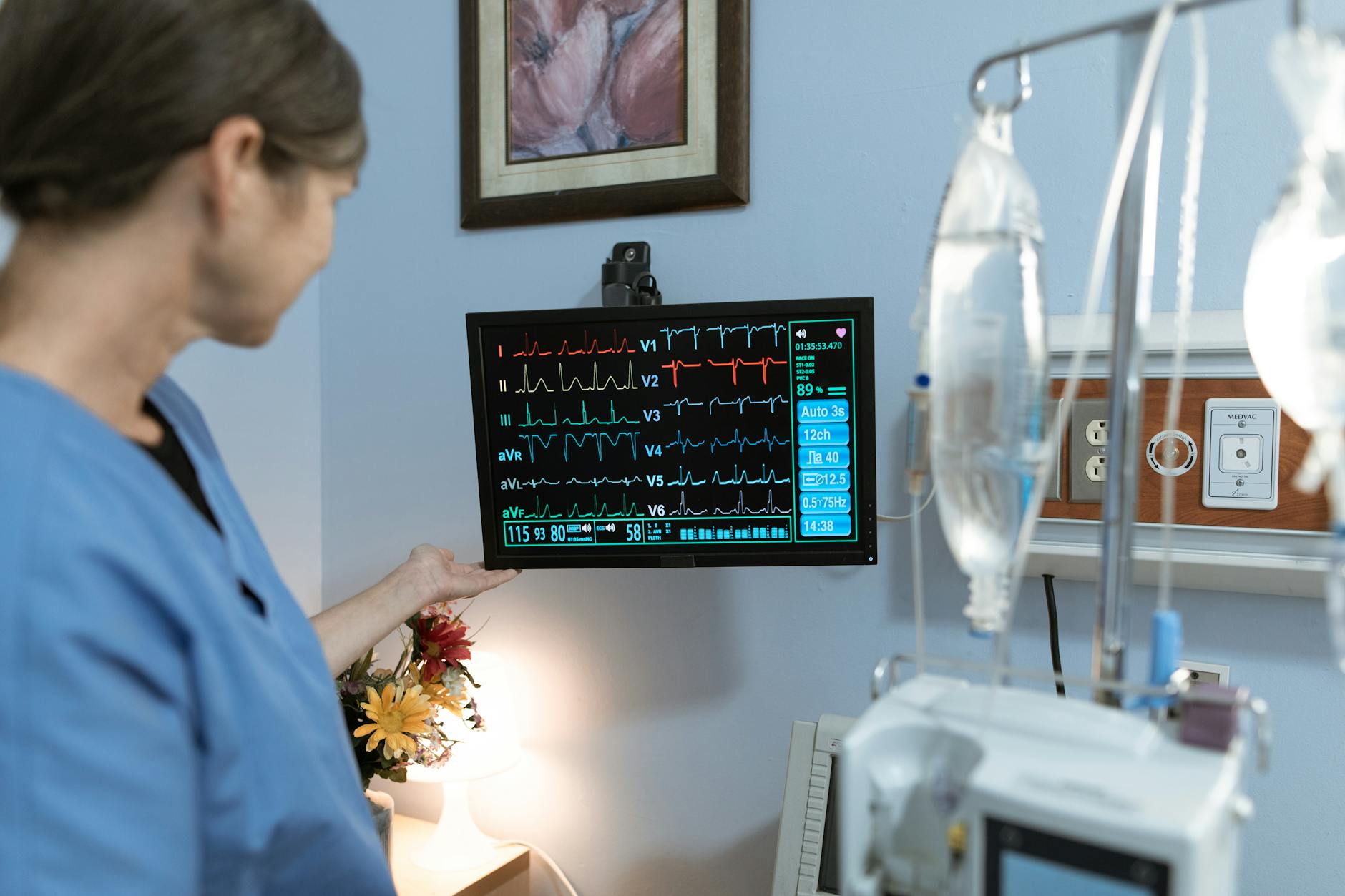
What Is Heart Failure — And What It Is Not
The term "heart failure" can sound frightening. Many people hear it and immediately think the heart has stopped working. That is not what it means. Heart failure is a condition in which the heart muscle does not pump blood as efficiently as it should. The heart is still beating — it is simply not doing its job as well as a healthy heart would.
Think of the heart like a water pump. If the pump is weak or stiff, water still flows — but not with enough force to reach every part of the system. In the same way, when the heart fails to pump adequately, the body's organs and tissues do not receive the oxygen-rich blood they need to function properly.
Heart failure is a long-term condition that requires ongoing care, but with the right management, many people live active, fulfilling lives. Understanding it clearly is the first step.
How Common Is Heart Failure?
Heart failure is one of the leading reasons people are admitted to hospital across India. In cities like Rajkot, where lifestyle factors such as high-salt diets, diabetes prevalence, and physical inactivity are concerns, awareness of this condition is especially important. It affects people of all ages, though it is more common after the age of 50.
Types of Heart Failure
Doctors generally describe heart failure in two main ways:
- Heart failure with reduced ejection fraction (HFrEF): The heart muscle is weakened and cannot squeeze properly. This is sometimes called systolic heart failure.
- Heart failure with preserved ejection fraction (HFpEF): The heart muscle is stiff and cannot relax and fill properly between beats. This is sometimes called diastolic heart failure.
Your cardiologist will use an echocardiogram (an ultrasound of the heart) to determine which type you have, as the treatment approach can differ.

What Causes Heart Failure?
Heart failure rarely appears out of nowhere. It is almost always the result of another condition that has placed the heart under prolonged stress or damaged the heart muscle. The most common causes include:
Coronary Artery Disease and Heart Attacks
Blocked or narrowed coronary arteries reduce blood flow to the heart muscle. If part of the muscle is damaged during a heart attack, it may not pump as well afterwards. This is one of the most common causes of heart failure in India.
High Blood Pressure (Hypertension)
When blood pressure stays high over many years, the heart has to work much harder with every beat. Over time, this extra workload causes the heart muscle to thicken and eventually weaken — a gradual process that can lead to heart failure if blood pressure is not controlled.
Diabetes
Poorly controlled blood sugar damages blood vessels and the heart muscle itself. People with diabetes have a significantly higher risk of developing heart failure, which is why managing blood sugar levels is so important.
Cardiomyopathy
This is a disease of the heart muscle itself. It can be inherited, caused by a viral infection, triggered by long-term alcohol use, or sometimes occur during or after pregnancy (peripartum cardiomyopathy).
Valve Disease
The heart has four valves that keep blood flowing in the right direction. If a valve leaks or becomes narrow, the heart compensates by working harder — and over time, it can become strained.
Other Causes
Thyroid disorders, severe anaemia, and certain medications used to treat other conditions can also contribute to heart failure in some people.
Recognising the Signs of Heart Failure
One of the challenges with heart failure is that its signs can develop gradually, making them easy to dismiss as "just getting older" or "being out of shape." Knowing what to look for can make a real difference.
Breathlessness
Feeling short of breath — especially during activities that never used to be a problem, when lying flat at night, or even at rest — is one of the most telling signs. Many people find they need to sleep propped up on extra pillows to breathe comfortably.
Swelling in the Legs, Ankles, and Feet
When the heart does not pump effectively, fluid can build up in the body's tissues. This causes puffiness or swelling, particularly in the lower legs and feet by the end of the day.
Persistent Fatigue and Weakness
Feeling unusually tired — even after a good night's sleep — is a common complaint. The muscles and organs are not receiving enough oxygen-rich blood, leading to a general sense of exhaustion.
Rapid or Irregular Heartbeat
The heart may beat faster or irregularly as it tries to compensate for its reduced pumping ability. Some people describe this as a fluttering or pounding sensation in the chest.
Persistent Cough or Wheezing
Fluid in the lungs can cause a nagging cough, sometimes producing white or pink-tinged mucus. This is frequently mistaken for a respiratory infection.
Reduced Ability to Exercise
Activities that were once routine — climbing a flight of stairs, walking to the market, carrying groceries — may suddenly feel difficult or exhausting.
Illustrative example: A 62-year-old individual might notice that they are sleeping on three pillows instead of one, their ankles look puffy by evening, and they get winded walking up the stairs at home. These signs together, rather than any single symptom, should prompt a visit to a cardiologist.

How Is Heart Failure Diagnosed?
If a cardiologist suspects heart failure, several tests help confirm the diagnosis and understand its severity:
- Echocardiogram: The most important test. It uses sound waves to create a moving image of the heart, showing how well it pumps.
- ECG (Electrocardiogram): Records the heart's electrical activity to detect rhythm problems or evidence of a previous heart attack.
- Blood tests: Including BNP (B-type natriuretic peptide), a hormone released when the heart is under stress. Elevated levels strongly suggest heart failure.
- Chest X-ray: Can show if the heart is enlarged or if there is fluid in the lungs.
- Stress test or coronary angiography: Sometimes needed to check the condition of the coronary arteries.
Managing Heart Failure: A Team Effort
Heart failure cannot be reversed in most cases, but it can be managed very effectively. The goal is to relieve symptoms, slow progression, reduce hospitalisations, and help people live as fully as possible.
Medications
Modern medicines have transformed the outlook for heart failure significantly. Depending on your type and severity, your cardiologist may prescribe:
- ACE inhibitors or ARBs / ARNIs — to reduce the workload on the heart.
- Beta-blockers — to slow the heart rate and reduce strain.
- Diuretics (water tablets) — to help the kidneys remove excess fluid from the body.
- SGLT2 inhibitors — originally developed for diabetes, these medicines have shown strong benefits in heart failure regardless of whether the patient has diabetes.
- Aldosterone antagonists — to reduce fluid retention and protect the heart.
It is very important to take medicines exactly as prescribed and not to stop them without consulting your doctor.
Lifestyle Changes
Medications work best alongside positive lifestyle habits:
- Limit salt intake: Excess sodium causes fluid retention. Aim for less than 2 grams of sodium per day. This means reducing pickles, papads, processed foods, and added salt — habits that need particular attention in a Gujarati diet where savoury snacks and salty accompaniments are common.
- Monitor your weight daily: A sudden gain of more than 1–2 kg in a day or 2–3 kg in a week is often a sign of fluid build-up and warrants contacting your cardiologist promptly.
- Stay active, carefully: Gentle, regular activity — such as a short morning walk — is encouraged and beneficial. Your cardiologist will advise on the right level of activity for your situation.
- Avoid alcohol and smoking: Both worsen heart function and interfere with medications.
- Manage related conditions: Keeping blood pressure, blood sugar, and cholesterol in check is essential.

Devices and Procedures
In some cases, medication and lifestyle changes alone are not enough. Your cardiologist may discuss:
- Cardiac resynchronisation therapy (CRT): A specialised pacemaker that helps the two sides of the heart pump in coordination.
- Implantable cardioverter-defibrillator (ICD): A device that monitors heart rhythm and delivers a shock if a life-threatening arrhythmia occurs.
- Coronary angioplasty or bypass surgery: If blocked arteries are contributing to heart failure.
- Valve repair or replacement: If a faulty valve is the underlying cause.
Living Well With Heart Failure
A diagnosis of heart failure does require adjustments, but it does not mean life comes to a stop. Many people in Rajkot and across India manage the condition well, stay active, and enjoy time with their families. The key is consistent follow-up with your cardiologist, adherence to medications, and staying alert to any changes in your symptoms.
Key Takeaways
- Heart failure means the heart is not pumping efficiently — not that it has stopped beating.
- It is most commonly caused by high blood pressure, coronary artery disease, or diabetes.
- Warning signs include breathlessness, leg swelling, unexplained fatigue, and reduced exercise tolerance.
- Diagnosis involves an echocardiogram, ECG, blood tests, and sometimes imaging of the arteries.
- Modern medications, lifestyle changes, and in some cases devices or procedures can control symptoms effectively and improve quality of life.
- Daily weight monitoring and salt restriction are simple but powerful self-care tools.
- Regular follow-up with your cardiologist is essential.
If you or a loved one is experiencing any of the signs described above, please do not wait. An early consultation with a qualified cardiologist can make a significant difference in how heart failure is managed and how well you feel. You are welcome to book a consultation with Dr. Nikhila Pachani at her clinic in Rajkot to discuss your concerns in a calm, supportive setting.
Frequently asked questions
- Does heart failure mean my heart has stopped working?
- No. Heart failure means the heart is not pumping blood as efficiently as it should — it is still beating. The condition ranges from mild to severe, and with proper treatment, many people manage it well and continue their daily activities.
- What are the early warning signs of heart failure I should watch for?
- Common early signs include feeling breathless with activities that never used to tire you, needing extra pillows to sleep, swelling in the legs or ankles by evening, unusual fatigue, and a persistent cough. If you notice several of these together, see a cardiologist promptly.
- Can heart failure be managed without surgery?
- Yes, in many cases. Most people with heart failure are managed effectively with a combination of medications and lifestyle changes — including salt restriction, daily weight monitoring, gentle exercise, and controlling blood pressure or blood sugar. Surgery or devices are considered only when needed.
- Why is daily weight monitoring important in heart failure?
- Fluid build-up is a key feature of heart failure. Gaining 1–2 kg overnight or 2–3 kg within a week often signals that fluid is accumulating before other symptoms appear. Catching this early allows your cardiologist to adjust your treatment and prevent a hospital admission.