
Your Heart Does Something Remarkable During Pregnancy
Pregnancy is one of the most physically demanding journeys a woman's body will ever take — and your heart is at the centre of it all. From the moment of conception, your cardiovascular system begins working harder than ever before to nourish both you and your growing baby.
Understanding what is normal, what is not, and when to seek help can make a profound difference to both your wellbeing and your baby's health. This article is here to guide you through the key things every woman should know about heart health during pregnancy and in the months that follow.
How Pregnancy Changes Your Heart and Circulation
During pregnancy, your body undergoes significant cardiovascular changes — and these begin earlier than most people realise.
- Blood volume increases by up to 50% by the third trimester, so your heart has to pump considerably more blood with every beat.
- Heart rate rises by about 10–20 beats per minute above your usual resting rate.
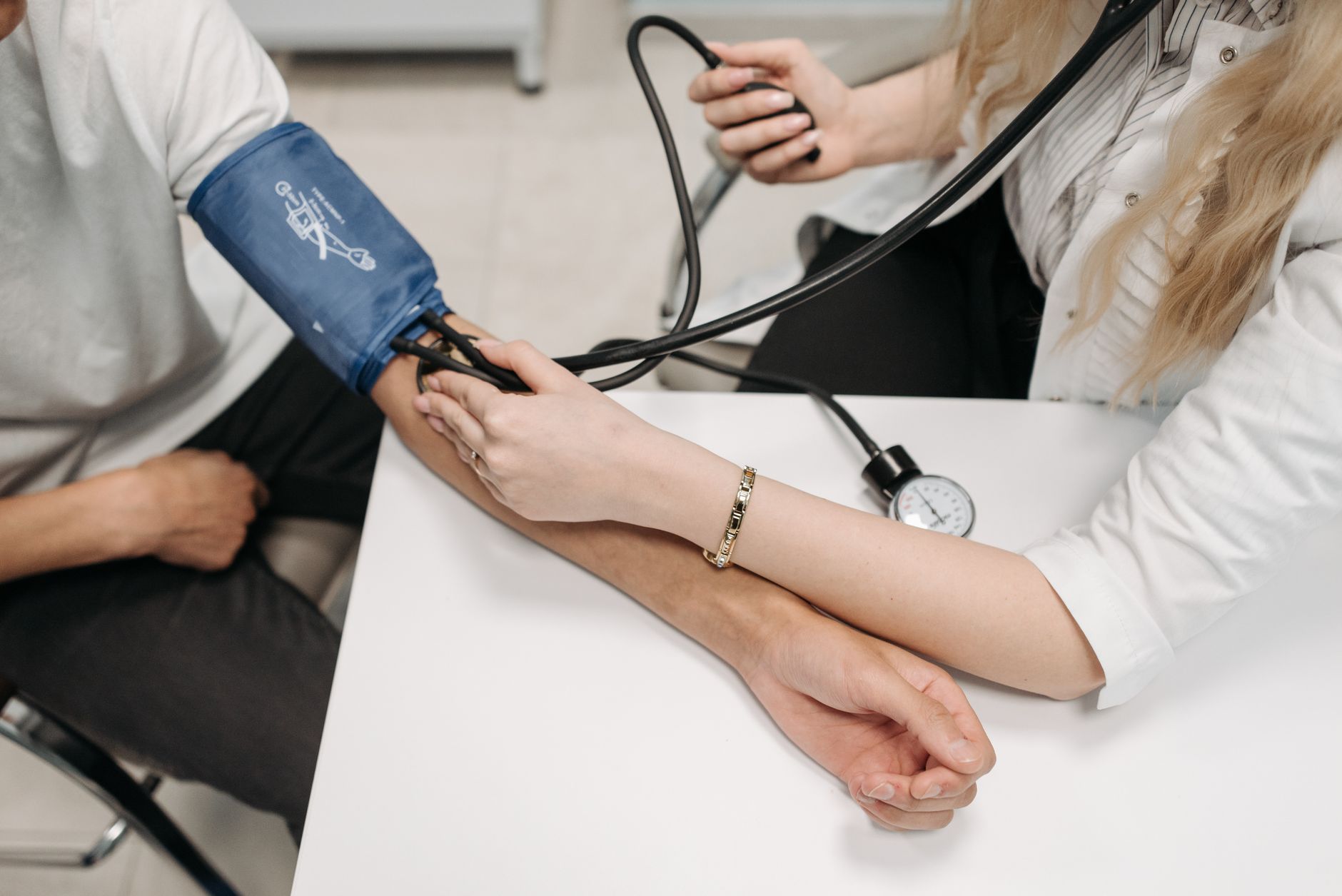
- Blood pressure typically drops slightly in the first and second trimester due to the relaxation of blood vessels, then rises again towards the end of pregnancy.
- The heart itself can slightly enlarge and shift position as the uterus grows.
These changes are completely normal and expected. However, they also mean that any underlying heart condition — even one you were not previously aware of — can become more apparent during pregnancy.
What Does This Feel Like?
Many healthy pregnant women notice:
- Mild breathlessness, especially when climbing stairs or lying flat
- Occasional heart palpitations (a fluttery or racing feeling in the chest)
- Swelling in the ankles and feet
- Feeling easily tired
These are often completely normal responses to the cardiovascular demands of pregnancy. That said, it is always wise to mention them to your doctor or midwife so they can be properly assessed.
When Should You Be More Careful?
Some women enter pregnancy with an existing heart condition, while others develop one during or shortly after pregnancy. Both situations deserve careful monitoring.
Pre-Existing Heart Conditions
Women with conditions such as congenital heart disease, valve problems, arrhythmias, or a previous history of heart disease should ideally speak with a cardiologist before they try to conceive. Pre-pregnancy planning allows your medical team to:
- Review and adjust any medications that may not be safe during pregnancy
- Assess how your heart is likely to cope with the increased demands
- Arrange closer monitoring throughout your pregnancy
In Rajkot and across Gujarat, many women juggle busy family lives and may not always prioritise their own health. But if you have a known heart condition and are planning a family, a cardiology consultation before conception is a genuinely important step.
Gestational Hypertension and Pre-eclampsia
High blood pressure that develops during pregnancy (gestational hypertension) or the more serious condition known as pre-eclampsia — which also involves protein in the urine and can affect multiple organs — is one of the most significant cardiovascular risks in pregnancy.
Warning signs of pre-eclampsia include:
- Sudden or severe swelling of the face, hands, and feet
- Severe headaches that do not go away
- Visual disturbances (blurring, flashing lights)
- Pain under the ribs on the right side
- Feeling generally unwell very suddenly
If you experience any of these, seek medical attention promptly. Pre-eclampsia is manageable when caught early, but it requires medical care — not a "wait and see" approach.
Peripartum Cardiomyopathy: A Condition Unique to Women
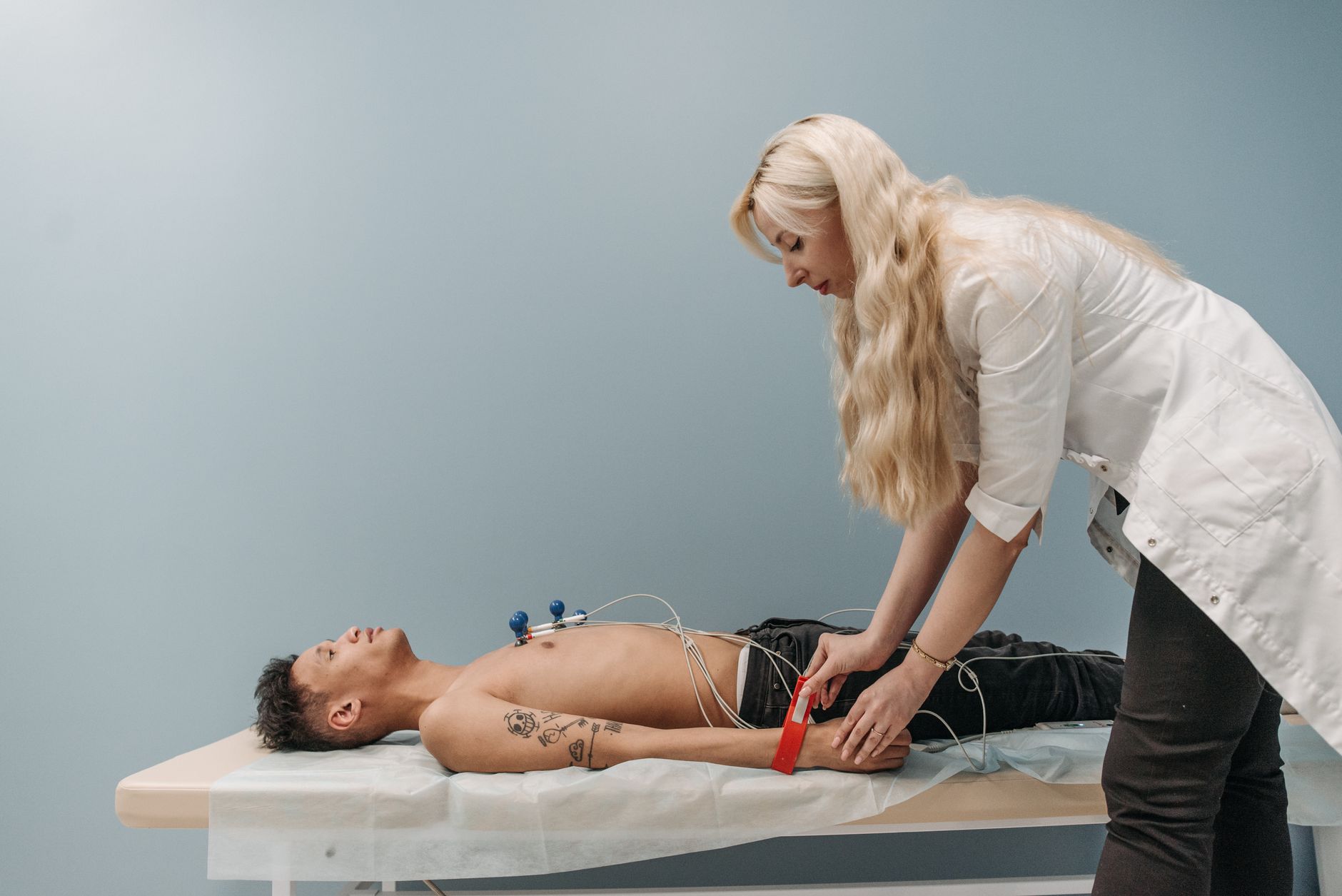
One of the lesser-known but important heart conditions associated with pregnancy is peripartum cardiomyopathy (PPCM). This is a form of heart failure that develops in the last month of pregnancy or within five months after delivery, in a woman with no prior heart disease.
PPCM occurs when the heart muscle becomes weakened and is unable to pump blood as efficiently as it should. It is relatively uncommon, but it is important for all pregnant and postpartum women — and their families — to be aware of it.
Symptoms to Watch For
- Increasing breathlessness, especially when lying down or at night
- Swelling of the legs and feet that seems to be getting worse
- Persistent fatigue that feels different from the usual tiredness of new motherhood
- A dry cough
- Feeling of a racing or irregular heartbeat
An illustrative example: A woman in her late thirties, a few weeks after her second delivery, might notice she is more breathless than expected and feels her heart racing at rest. She might put it down to new-baby exhaustion — but these symptoms warrant a cardiology evaluation to rule out PPCM.
The good news is that many women with PPCM recover well with appropriate medical treatment. Early diagnosis is key, so please do not dismiss these symptoms in the postpartum period.
Heart Health After Pregnancy: The First Year and Beyond
The postpartum period — the weeks and months after delivery — is sometimes called the "fourth trimester," and with good reason. Your cardiovascular system needs time to return to its pre-pregnancy state, and this process can take up to a year.
What to Monitor After Delivery
- Blood pressure: If you had gestational hypertension or pre-eclampsia, your blood pressure should be monitored closely after delivery, as it can remain elevated for several weeks.
- Symptoms of heart failure: As described above, PPCM can develop after delivery. Stay alert to breathlessness, swelling, and unusual fatigue.
- Breastfeeding and medications: If you have a heart condition and are on medication, speak with your cardiologist about which medications are safe while breastfeeding.
Your Long-Term Heart Health
Research consistently shows that women who experience hypertensive disorders of pregnancy (gestational hypertension or pre-eclampsia) have a higher risk of cardiovascular disease — including high blood pressure, stroke, and heart disease — later in life. This is not meant to be alarming; it is meant to be empowering.
Knowing this risk means you can take action:
- Maintain a healthy weight
- Follow a balanced, low-salt diet rich in vegetables, fruits, whole grains, and lean protein
- Stay physically active — even a daily walk of 30 minutes makes a meaningful difference
- Avoid smoking and limit alcohol
- Attend regular health check-ups, including blood pressure monitoring

Protecting Your Heart During Pregnancy: Practical Tips
Do:
- Attend all your antenatal appointments and have your blood pressure checked regularly
- Mention any new or unusual symptoms to your doctor without delay
- Rest when your body signals it needs to
- Stay well hydrated
- Follow any dietary guidance given by your healthcare team
- If you have a heart condition, see a cardiologist in addition to your obstetrician
Be cautious with:
- High-intensity exercise if you have a cardiac condition — always get clearance from your doctor first
- Over-the-counter medications: some common decongestants and anti-inflammatory drugs can affect the heart or blood pressure during pregnancy
- Excess salt intake, which can worsen fluid retention and raise blood pressure
Key Takeaways
- Pregnancy places significant extra demands on the heart — this is normal, but it means any underlying issues may become more visible.
- Women with pre-existing heart conditions should seek a cardiology review before conception if possible.
- Pre-eclampsia and gestational hypertension require prompt medical attention and increase long-term cardiovascular risk.
- Peripartum cardiomyopathy is a rare but serious condition — breathlessness, swelling, and fatigue after delivery should always be evaluated.
- The postpartum year is an important time for cardiovascular monitoring and recovery.
- Healthy lifestyle habits adopted during or after pregnancy benefit your heart for the rest of your life.
A Final Word
Pregnancy is a time of joy and transformation — and your heart is working tirelessly through every moment of it. By staying informed, attending your check-ups, and speaking up about any symptoms that concern you, you are giving both yourself and your baby the strongest possible foundation.
If you have any concerns about your heart health during pregnancy or after delivery, or if you have a known heart condition and are planning to start a family, consider speaking with a qualified cardiologist. Dr. Nikhila Pachani, Consultant Interventional Cardiologist in Rajkot, Gujarat, is available for consultations and would be glad to support you through every stage of this journey.
This article is for general educational purposes only and does not constitute individual medical advice. Please consult your doctor or a qualified cardiologist for guidance specific to your situation.
Frequently asked questions
- Is it normal for my heart to beat faster during pregnancy?
- Yes, a mildly elevated heart rate during pregnancy is normal. Your heart pumps up to 50% more blood than usual to support your baby, which naturally raises your resting heart rate by about 10–20 beats per minute. However, if you notice a very rapid, irregular, or pounding heartbeat, or if it is accompanied by breathlessness or chest discomfort, do mention it to your doctor.
- What is peripartum cardiomyopathy and how do I know if I have it?
- Peripartum cardiomyopathy (PPCM) is a form of heart failure that can develop in the last month of pregnancy or within five months after delivery in women with no prior heart disease. Symptoms include increasing breathlessness (especially when lying down), leg swelling, extreme fatigue, and a racing heartbeat. If you experience these symptoms in the postpartum period, please seek a medical evaluation promptly — early diagnosis leads to much better outcomes.
- If I had pre-eclampsia, am I at higher risk of heart disease later in life?
- Research does show that women who have had pre-eclampsia or gestational hypertension have a higher risk of developing high blood pressure, heart disease, and stroke later in life. This is important information — not a cause for fear, but a prompt to maintain a heart-healthy lifestyle, attend regular check-ups, and keep your blood pressure monitored in the years after pregnancy.
- I have a heart condition. Is it safe for me to get pregnant?
- Many women with heart conditions have healthy pregnancies with the right medical support. However, the level of risk depends on the specific condition. It is strongly advisable to consult a cardiologist before trying to conceive so your condition can be reviewed, your medications can be assessed for safety, and a monitoring plan can be put in place for your pregnancy. A combined cardiology and obstetric team gives you the safest possible care.