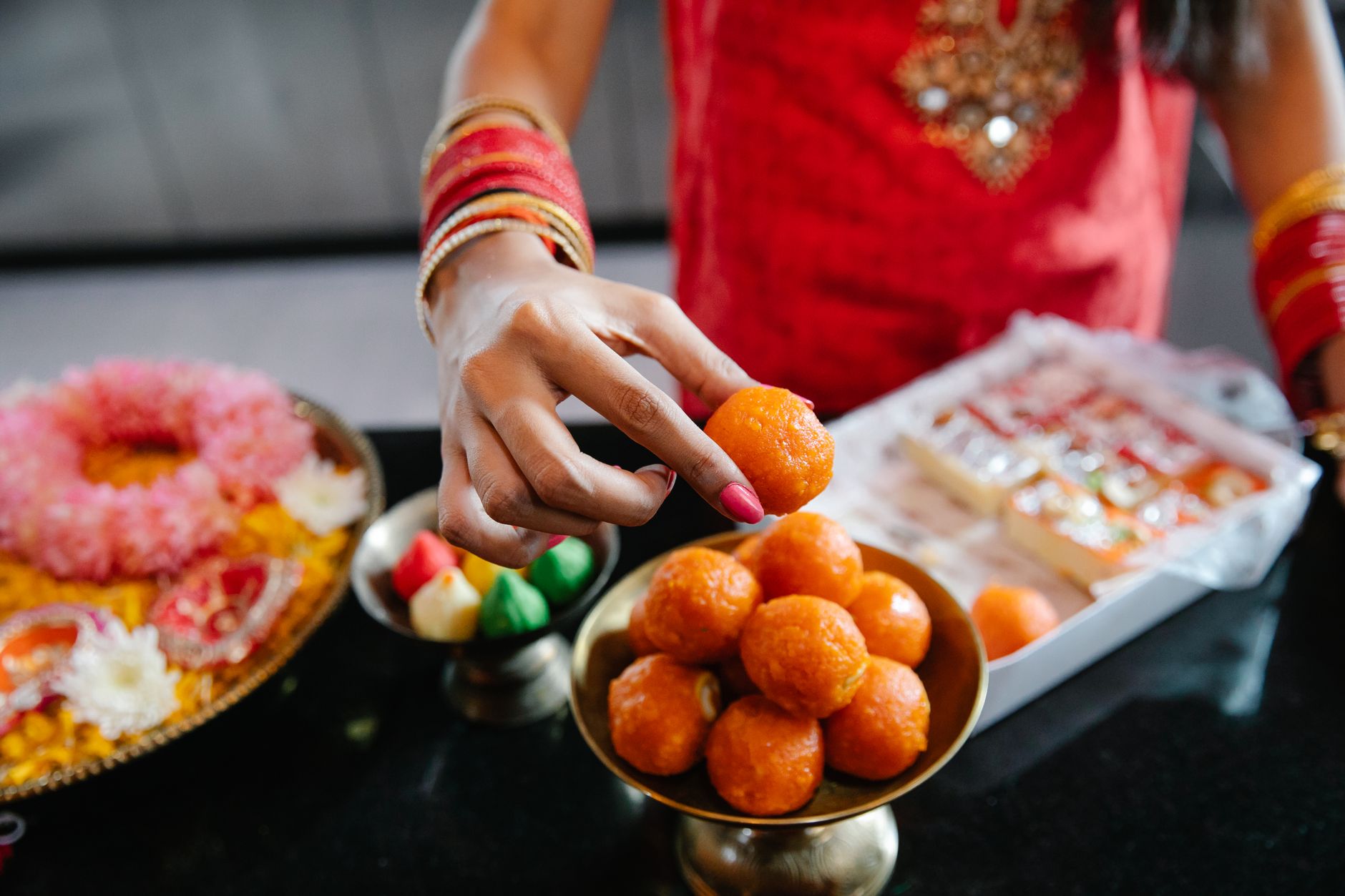
Diwali Is Here — and So Is the Mithai Tray 🪔
Diwali is one of the most joyful times of year for families across Gujarat. The diyas are lit, the homes are bright, and the kitchen is filled with the warm aroma of ghee, sugar, and cardamom. In Rajkot, like everywhere else across the state, boxes of mohanthal, ladoo, chakli, and shakkarpara make their rounds — from neighbour to neighbour, office to office, family to family.
Celebrating is important. Food is love, and festive eating is part of our culture. But for people who have heart disease, high blood pressure, diabetes, or even those who are simply health-conscious, the Diwali sweet season brings a real question: How do I enjoy the festivities without harming my heart?
This article gives you practical, easy-to-follow guidance — not to take the joy out of Diwali, but to help you celebrate it with your heart fully in it.
Why the Festive Season Can Be Hard on Your Heart
It is not just about one or two sweets. During Diwali, many of us experience a cluster of heart-unfriendly habits that stack up over several days or even weeks:
- High sugar intake from mithai, halwa, and sugary drinks raises blood glucose, triglycerides, and inflammation — all of which stress the heart.
- High saturated fat from ghee, vanaspati, and deep-fried snacks raises LDL ("bad") cholesterol.
- Irregular meal timings and skipping meals earlier in the day to "save room" for sweets cause blood sugar swings.
- Less physical activity as we stay home, visit relatives, and rest during holidays.
- Disrupted sleep from late-night celebrations and firecrackers.
- Increased salt in savoury namkeen snacks, which raises blood pressure.
- Emotional excitement and stress from hosting, travelling, or financial pressures — which can temporarily spike blood pressure and heart rate.
Research consistently shows that hospital admissions for heart-related events — including heart attacks and uncontrolled blood pressure — tend to rise during festive periods. This is not a reason to avoid celebrating. It is a reason to celebrate smartly.

Understanding Sugar: The Sweet Truth
Sugar itself is not poison. The problem is quantity and frequency. Traditional Indian sweets are calorie-dense. A single piece of mohanthal or besan ladoo can contain 150–250 calories, with a large portion coming from sugar and fat. When you have three or four pieces across multiple visits in a day — and repeat this for a week — the cumulative effect is significant.
What excess sugar does to your heart:
- It raises triglyceride levels in the blood, a known cardiac risk factor.
- It contributes to weight gain, especially around the abdomen — the most dangerous place for fat to accumulate.
- In people with diabetes or pre-diabetes, it causes blood sugar spikes that damage blood vessel walls over time.
- High sugar diets promote chronic inflammation, which is linked to plaque build-up in arteries (atherosclerosis).
Practical sugar tips for Diwali:
- Set a soft limit — for example, one small piece of mithai per occasion rather than a plateful.
- Choose dry fruit-based sweets (like anjeer rolls or khajur ladoo) over those made primarily with refined sugar and maida.
- If you are diabetic, discuss with your doctor in advance whether any specific Diwali sweets fit into your meal plan.
- Avoid sugary beverages like soft drinks or packaged juices alongside sweets — this doubles the sugar load.
Oils and Fats: Reading the Festive Plate
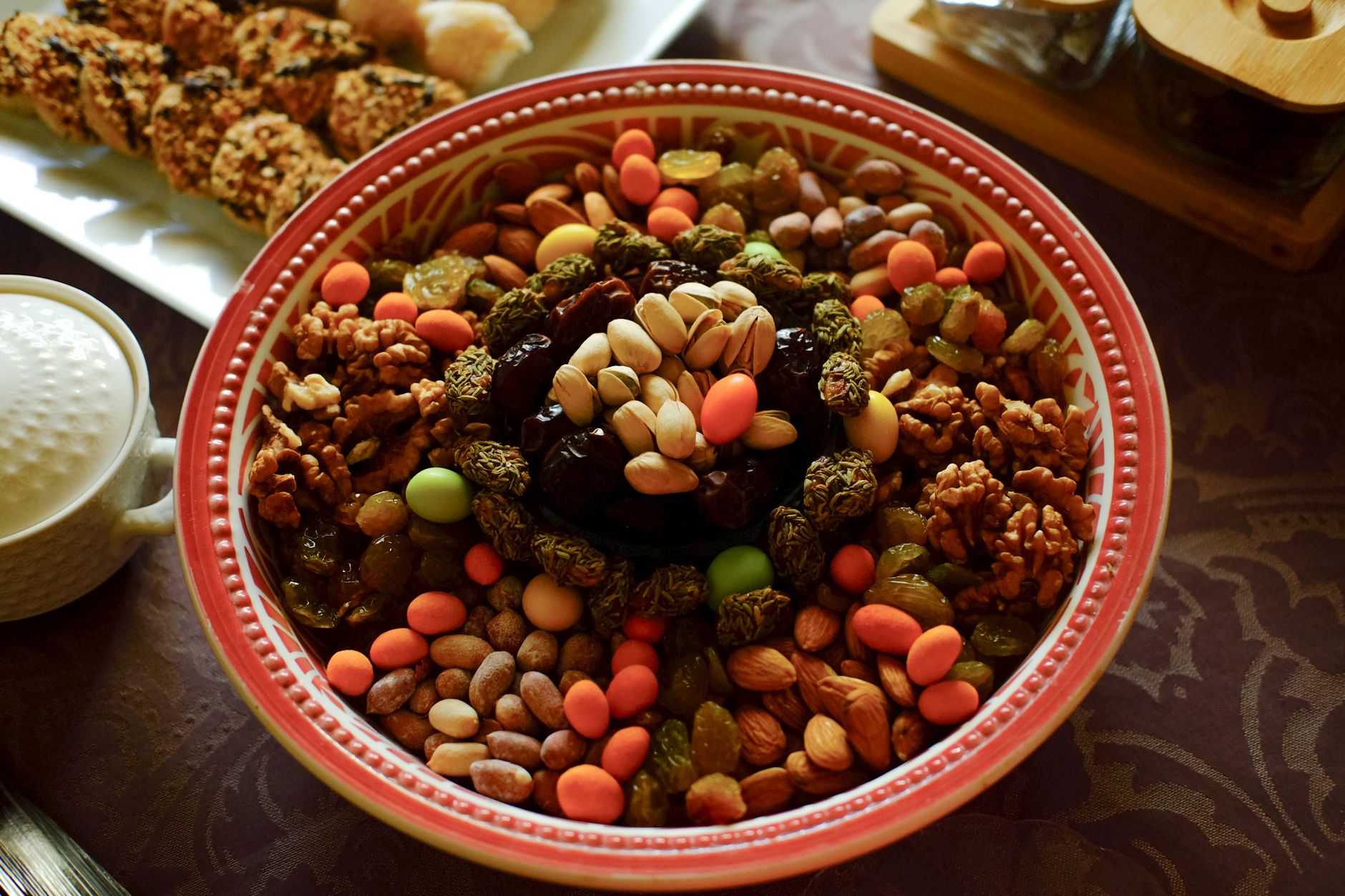
Diwali snacks are famous for being fried — chakli, mathia, gathiya, chevdo. These are made with generous amounts of oil, and often reused or partially hydrogenated oils that are particularly harmful to arteries.
The cardiac concern with excess oil:
- Saturated and trans fats raise LDL cholesterol and lower HDL ("good") cholesterol — a combination that accelerates artery-clogging.
- Repeated frying at high temperatures creates harmful compounds (like acrylamides) that add oxidative stress to the body.
- Calorie-dense fried foods contribute to rapid weight gain, especially in people who are already overweight or obese.
Smarter choices at the snack table:
- Opt for roasted over fried where possible — roasted chana, makhana (fox nuts), or roasted peanuts are festive and heart-friendly.
- If you do have fried snacks, keep the portion small and balance it with a large glass of water and some fruit.
- When preparing sweets at home, consider reducing ghee slightly and using natural sweeteners (like dates or jaggery in moderation) instead of white sugar.
- Avoid re-fried or leftover fried foods — repeated heating of oils increases harmful compound formation.
Overindulgence: What Actually Happens to the Heart
Imagine a 55-year-old with mildly elevated cholesterol who, over five days of Diwali celebrations, eats much more than usual, stays up late, skips his morning walk, and feels stressed about a family function. This is an illustrative scenario — but it mirrors what many people experience. During this period, such a person might notice chest heaviness, unusual fatigue, or a higher-than-normal blood pressure reading.
Overindulgence is rarely a single dramatic event. It is the accumulation of small choices — one extra helping here, skipping medicine once there, a missed walk each morning — that together raise the cardiac risk over the festive period.
Signs that your heart may be telling you something:
- Chest discomfort, heaviness, or tightness (especially during or after eating)
- Unusual breathlessness going up stairs or doing routine tasks
- Palpitations or a "racing heart" feeling
- Swelling in the feet or ankles
- Severe headache alongside a reading of high blood pressure
Do not dismiss these as "acidity" or "gas" during the festive season. If you or a family member experiences any of these symptoms, seek medical attention promptly.
A Heart-Smart Diwali: Practical Tips You Can Start Today
You do not have to refuse every mithai tray. Here is a balanced approach that lets you participate in the joy of the season without putting your heart at unnecessary risk:
Key takeaways:
- 🪔 Eat before you visit — arriving at a gathering hungry leads to overeating. Have a small, protein-rich snack (a handful of nuts or a bowl of dal) before stepping out.
- 🍬 Savour, don't stuff — eat slowly, enjoy each bite, and stop when satisfied. One piece of ladoo, eaten mindfully, is far more satisfying than three eaten quickly.
- 💧 Stay well-hydrated — drink plenty of water throughout the day. It helps manage appetite and supports your kidneys and blood pressure.
- 🚶 Keep moving — even a 20–30 minute walk each morning during the Diwali week makes a meaningful difference in blood sugar and cholesterol management.
- 💊 Never skip your medications — if you are on blood pressure, cholesterol, or diabetes medicines, do not skip doses during the festive season, even if you feel fine.
- 🩺 Check your BP and sugar — if you have a home blood pressure monitor or glucometer, use it during the week and note any unusual readings.
- 😴 Protect your sleep — try to get 7 hours of sleep even during late-night celebrations. Sleep deprivation raises cortisol (the stress hormone), which raises blood pressure and blood sugar.
- 🥗 Balance the plate — at meals, ensure at least half your plate is vegetables or salad, especially if you know you will be eating sweets later in the day.

A Word About Heart Patients in Rajkot During Diwali
If you or a loved one is already living with heart disease — whether you have had a stent procedure, bypass surgery, or are managing heart failure — the festive season needs a little extra mindfulness. Patients in Rajkot and across Saurashtra often have easy access to rich, traditional foods during this period, and social pressure to eat can feel very real.
It is completely acceptable — and in fact wise — to politely decline or accept a very small portion. Your loved ones will understand, especially if you explain why. You can also ask your cardiologist for a simple "Diwali-safe" food list tailored to your specific condition before the season begins.
Celebrate With Your Whole Heart
Diwali is about light, love, and togetherness. Enjoying a festive sweet or a crispy snack is part of that experience — and with a few mindful choices, there is no reason you cannot participate fully.
The goal is not perfection. It is awareness. Know what you are eating, how much you are eating, and how your body is responding — and give your heart the same warmth you give your home during this beautiful festival. 🪔
If you have any concerns about your heart health this festive season, or would like a pre-Diwali cardiac check-up, we warmly invite you to book a consultation with Dr. Nikhila Pachani, Consultant Interventional Cardiologist, Rajkot. Taking an hour to check in with your heart is the kindest gift you can give yourself — and your family — this Diwali.
Frequently asked questions
- Can eating too many Diwali sweets trigger a heart attack?
- A single festive meal is unlikely to directly trigger a heart attack in a healthy person. However, several days of excess sugar, unhealthy fats, poor sleep, physical inactivity, and stress combined can raise blood pressure, blood sugar, and cholesterol — which together increase cardiac risk, particularly in people who already have heart disease or related conditions. If you experience chest discomfort, unusual breathlessness, or palpitations during the festive season, seek medical attention promptly rather than attributing it to indigestion.
- What sweets are relatively safer for heart patients during Diwali?
- Sweets made with dry fruits (such as anjeer or khajur), nuts, and natural sweeteners like jaggery — and prepared with a smaller amount of ghee — are generally better choices than those heavy in refined sugar, maida, and deep-fried ingredients. Portion size matters greatly. Even a 'healthier' sweet should be consumed in moderation. Please consult your cardiologist or dietitian for guidance specific to your health condition.
- Should heart patients avoid all fried snacks during Diwali?
- Complete avoidance is not always necessary, but moderation is key. Roasted alternatives like makhana, roasted chana, or peanuts are heart-friendlier options. If you do have a small amount of fried snacks, balance it with water, fruit, and a lighter main meal. Patients with advanced heart disease, uncontrolled cholesterol, or recent cardiac events should follow their cardiologist's specific dietary guidance.
- How can I manage my blood pressure during the Diwali festive season?
- Continue taking your blood pressure medications as prescribed without skipping doses. Limit your intake of salty namkeen snacks and processed foods, stay well-hydrated, try to maintain your regular sleep schedule, and keep up with at least a short daily walk. Monitor your blood pressure at home if possible, and contact your cardiologist if readings are consistently higher than your usual range during the festive period.