
Why Your Numbers Matter More Than You Think
Most people visit a doctor only when something feels wrong. But here is the quiet truth about heart disease: it rarely announces itself early. High blood pressure, elevated cholesterol, and rising blood sugar can silently damage your arteries for years — with no obvious symptoms — before a heart attack or stroke occurs.
That is why cardiologists like to say: "Know your numbers." Your blood pressure reading, your fasting blood sugar, and your cholesterol report are not just figures on a lab slip. They are your heart's report card. Understanding what they mean — and what the targets are — is one of the most empowering things you can do for your long-term health.
In busy cities like Rajkot, where lifestyles have shifted towards more sedentary work, richer diets, and higher stress, keeping track of these three heart health numbers has become more important than ever.
Heart Health Number #1: Blood Pressure
What Is Blood Pressure?
Blood pressure is the force your blood exerts on the walls of your arteries as your heart pumps. It is recorded as two numbers:
- Systolic pressure (the top number) — pressure when your heart beats
- Diastolic pressure (the bottom number) — pressure when your heart rests between beats
What Are the Targets?
| Category | Systolic | Diastolic |
|---|---|---|
| Normal | Less than 120 mmHg | Less than 80 mmHg |
| Elevated | 120–129 mmHg | Less than 80 mmHg |
| High (Stage 1) | 130–139 mmHg | 80–89 mmHg |
| High (Stage 2) | 140 mmHg or above | 90 mmHg or above |
For most adults, a reading below 120/80 mmHg is considered ideal. If you have diabetes or kidney disease, your cardiologist may advise keeping it even a little lower.
Why It Matters for Your Heart
Think of your arteries like a garden hose. When pressure is too high for too long, the hose walls weaken, stiffen, and develop small tears. The heart has to work harder to push blood through. Over time, this increases the risk of heart attack, heart failure, stroke, and kidney damage.
The worrying part: hypertension (high blood pressure) has no reliable symptoms in most people. Many people live with it for years without knowing. A quick, non-invasive blood pressure check at any clinic takes under two minutes and can be life-saving information.
Practical tip: Check your blood pressure at least once a year if it is normal, and more often if your doctor recommends it. Avoid caffeine, exercise, or stress in the 30 minutes before a reading for accuracy.

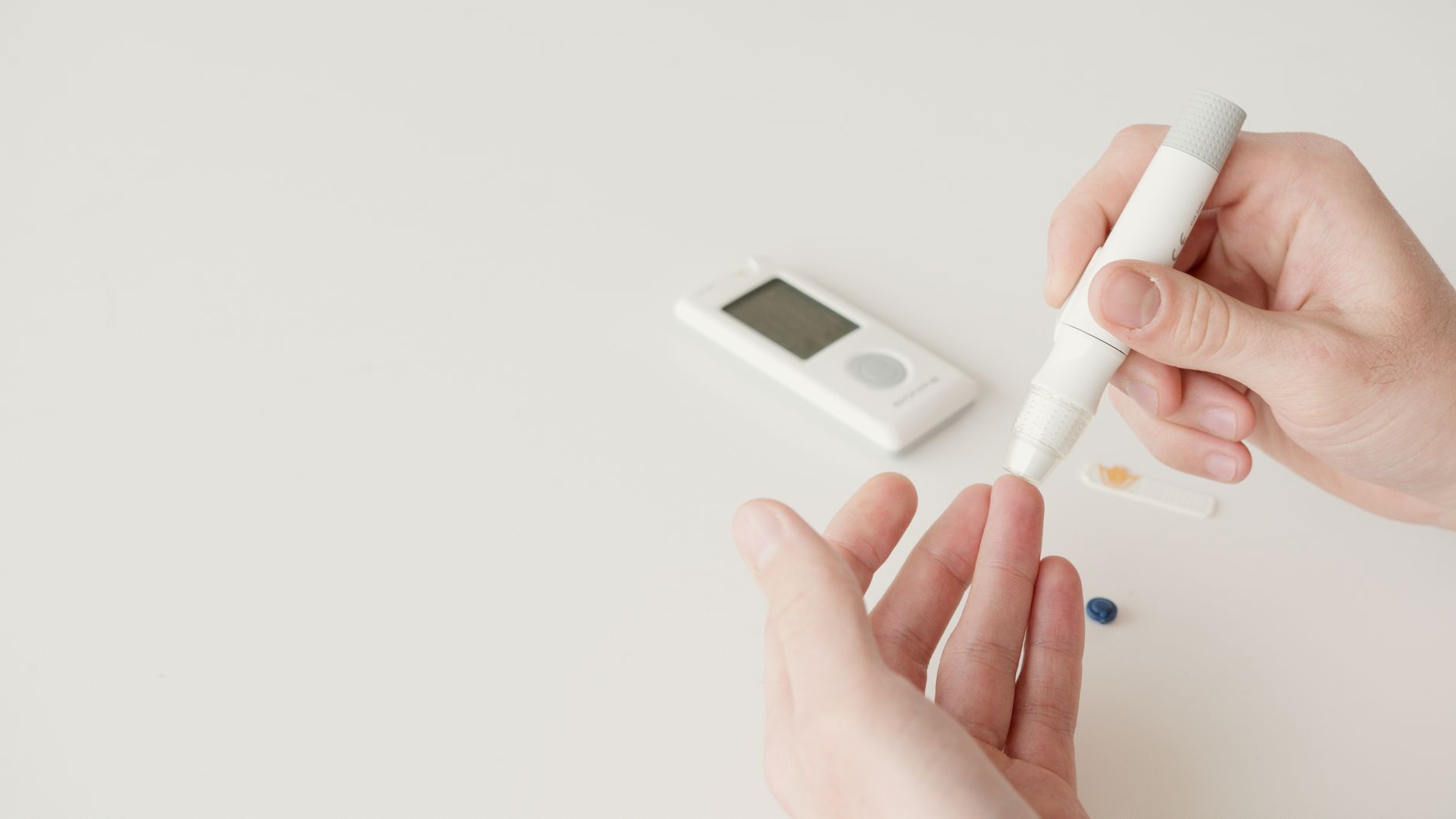
Heart Health Number #2: Blood Sugar
What Is Blood Sugar?
Blood sugar (or blood glucose) is the amount of glucose circulating in your bloodstream. Your body uses glucose as fuel, but too much of it — consistently — is harmful to blood vessels and nerves throughout the body, including in and around your heart.
What Are the Targets?
Fasting Blood Sugar (after 8 hours of not eating):
- Normal: Below 100 mg/dL
- Pre-diabetes: 100–125 mg/dL
- Diabetes: 126 mg/dL or above (on two separate tests)
HbA1c (a 3-month average of blood sugar levels):
- Normal: Below 5.7%
- Pre-diabetes: 5.7–6.4%
- Diabetes: 6.5% or above
For people already diagnosed with diabetes, most guidelines recommend an HbA1c target below 7%, though your doctor may personalise this based on your age and overall health.
Why It Matters for Your Heart
Diabetes and pre-diabetes are major risk factors for heart disease. High blood sugar damages the inner lining of arteries, making them more prone to plaque build-up (atherosclerosis). People with diabetes are two to four times more likely to develop cardiovascular disease compared to those without it.
A 55-year-old with well-controlled blood sugar, for example, is in a far better position than someone of the same age whose sugar has been running high for a decade — even if neither has experienced chest pain yet.
Practical tip: If you have a family history of diabetes, are overweight, or live a sedentary lifestyle, ask your doctor about getting your fasting sugar and HbA1c checked regularly — even if you feel perfectly fine.
Heart Health Number #3: Cholesterol
What Is Cholesterol?
Cholesterol is a waxy, fat-like substance found in your blood. Your liver makes it naturally, and you also get it from certain foods. Not all cholesterol is harmful — it is essential for building cells and producing hormones. But too much of the wrong type causes serious problems.
Your cholesterol report (called a lipid profile) typically includes:
- Total Cholesterol
- LDL (Low-Density Lipoprotein) — often called "bad" cholesterol
- HDL (High-Density Lipoprotein) — often called "good" cholesterol
- Triglycerides — another type of fat in the blood
What Are the Targets?
| Measure | Desirable Level |
|---|---|
| Total Cholesterol | Below 200 mg/dL |
| LDL Cholesterol | Below 100 mg/dL (below 70 mg/dL if high risk) |
| HDL Cholesterol | Above 40 mg/dL (men), above 50 mg/dL (women) |
| Triglycerides | Below 150 mg/dL |
Note: If you have already had a heart attack, have diabetes, or have multiple risk factors, your cardiologist may set a stricter LDL target — often below 70 mg/dL or even lower.
Why It Matters for Your Heart
LDL cholesterol deposits itself inside artery walls, forming plaques. As these plaques grow, they narrow the arteries and reduce blood flow to the heart and brain. If a plaque ruptures, it can trigger a blood clot — and that is what causes most heart attacks and strokes.
HDL cholesterol does the opposite: it helps carry excess cholesterol away from the arteries back to the liver. This is why higher HDL is generally protective.
Triglycerides, often elevated in people who eat a lot of refined carbohydrates, sweets, or consume alcohol regularly, also contribute to cardiovascular risk when persistently high.
Practical tip: A lipid profile requires a simple blood test, usually after 9–12 hours of fasting. Adults over 20 should ideally have it checked every 4–5 years, or more frequently if there is a family history of heart disease.

How These Three Numbers Are Connected
Blood pressure, blood sugar, and cholesterol do not operate in isolation. They interact and amplify each other's effects:
- High blood sugar damages artery walls, making it easier for LDL cholesterol to stick.
- High blood pressure speeds up the process of plaque rupture.
- Abnormal cholesterol worsens the stiffness of blood vessels that drives up blood pressure.
This is why doctors assess cardiovascular risk as a whole picture, not just one number. Someone with mildly elevated blood pressure, borderline LDL, and pre-diabetes may actually be at higher risk than someone with one severely elevated number in isolation.
Simple Steps to Improve All Three Numbers Together
The good news: many of the same lifestyle changes improve all three numbers at once.
- Eat a heart-friendly diet — more vegetables, fruits, whole grains, legumes, and nuts; less salt, refined sugar, and fried foods. A traditional, balanced Indian diet — when not overloaded with ghee or maida — is actually quite heart-friendly.
- Move more — at least 30 minutes of moderate activity (brisk walking, cycling, swimming) on most days of the week.
- Maintain a healthy weight — even a 5–10% reduction in body weight can meaningfully improve all three numbers.
- Quit smoking — smoking lowers HDL, raises blood pressure, and accelerates arterial damage.
- Limit alcohol — excess alcohol raises both blood pressure and triglycerides.
- Manage stress — chronic stress contributes to blood pressure elevation and poor lifestyle choices.
- Sleep well — poor sleep is increasingly linked to higher blood pressure and insulin resistance.
Key Takeaways
- Blood pressure should ideally be below 120/80 mmHg. High blood pressure often has no symptoms — regular checks are essential.
- Fasting blood sugar should be below 100 mg/dL; HbA1c below 5.7% is normal. Pre-diabetes is reversible with early action.
- LDL cholesterol should be below 100 mg/dL for most adults, and lower if you have additional risk factors.
- All three numbers interact — managing them together gives the greatest protection for your heart.
- Lifestyle changes — diet, exercise, sleep, and stress management — are the foundation of prevention.
- Medicines, when prescribed by your doctor, are safe and important tools; they work best alongside healthy habits.
- Regular check-ups matter even when you feel well — many of these conditions are silent.
If you are unsure what your personal targets should be, or if your numbers have been outside the normal range, it is a good idea to speak with a qualified cardiologist who can assess your complete cardiovascular risk profile. You are welcome to book a consultation with Dr. Nikhila Pachani in Rajkot for a personalised, evidence-based heart health review.
Frequently asked questions
- What are normal blood pressure, blood sugar, and cholesterol levels for a healthy adult?
- For most healthy adults, normal blood pressure is below 120/80 mmHg, fasting blood sugar is below 100 mg/dL, and LDL cholesterol is below 100 mg/dL. However, individual targets may vary depending on your age, existing conditions, and overall cardiovascular risk — always confirm your personal targets with your doctor.
- How often should I get my heart health numbers checked?
- Blood pressure should be checked at least once a year if normal. A fasting blood sugar and lipid profile are recommended every 4–5 years for adults over 20 with no risk factors, and more frequently if you have a family history of heart disease, diabetes, or are overweight. Your doctor may advise a different schedule based on your individual health.
- Can lifestyle changes really improve blood pressure, sugar, and cholesterol?
- Yes, significantly. A heart-friendly diet, regular physical activity (at least 30 minutes most days), weight management, quitting smoking, and reducing stress can lead to meaningful improvements in all three numbers. In early or borderline cases, lifestyle changes alone can sometimes bring levels back to normal. For established conditions, they work alongside any medication prescribed by your doctor.
- Is it possible to have high blood pressure or high cholesterol without any symptoms?
- Yes — and this is what makes them particularly dangerous. Both high blood pressure (hypertension) and high LDL cholesterol are often called 'silent' conditions because most people feel perfectly well even when their levels are dangerously elevated. This is why routine screening through regular blood tests and blood pressure checks is so important, even if you feel healthy.